Freight elevator installation for light industrial and last mile warehouses must be carefully tailored to actual cargo, operational cycles, and constraints—oversizing these systems leads to avoidable construction, energy, and maintenance costs without improving productivity or uptime. Specialist providers like Kaiser Elevator deliver value-engineered, code-compliant freight elevators with a precise match to real usage needs, avoiding waste and improving project ROI.
Oversizing a freight elevator can increase upfront costs by 20–50% and add significant ongoing expenses, while still failing to deliver better operational results. In practice, many light industrial and last mile warehouse needs can be fully addressed with 2,500–6,000 lb capacity elevators in compact shaft footprints—larger units are only justifiable when routinely handling heavy machinery or outsized pallet traffic that truly demands extra room.
Freight Elevator Sizing: Why Oversizing Costs More Without Added Value
The common urge to «future-proof» by selecting larger elevators for warehouse and industrial projects often backfires:
- Capital cost increases: Larger cabs, doors, and hoistways require more materials and labor.
- Energy inefficiency: Oversized motors and regenerative drives use more power, especially when moving light loads—leading to higher utility bills and wasted energy.
- Lost space: Bigger elevator shafts take up valuable building square footage that could be otherwise allocated to inventory or operations.
- Increased maintenance: Extra capacity means larger components and more service over time, but not a proportionate improvement in uptime or reliability.
In Kaiser Elevator’s experience with New York City and national installations, some owners have trimmed $50,000–$150,000 off install budgets and reduced annual energy costs by 15–25% by properly downsizing their freight elevators for real usage.
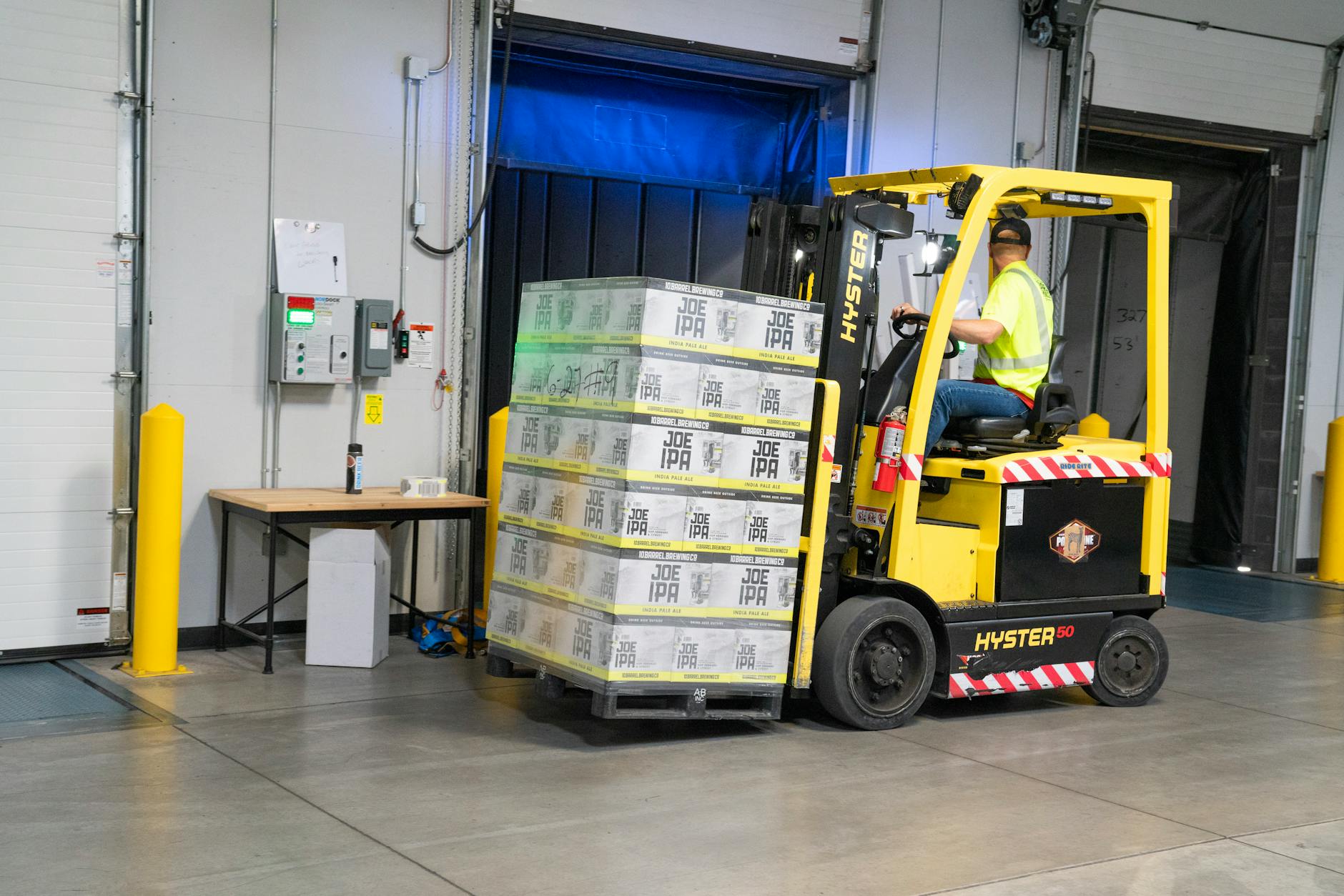
Definition: What Is a Right-Sized Freight Elevator?
A right-sized freight elevator precisely fits the actual cargo, operational cycles, and spatial constraints of a facility without unnecessary excess in load capacity, cabin dimensions, or drive power. Industry leaders like Kaiser Elevator help specifiers and developers define this fit through detailed load audits, cargo measurements, and code compliance review—ensuring elevators satisfy but do not overshoot day-to-day requirements.
Step-by-Step Framework: How to Avoid Oversizing in Freight Elevator Projects
- Audit Actual Loads and Usage Cycles
Track daily and peak loads for 2–3 weeks using inventory data, forklift logs, or shipping manifests. Average payloads for last mile and light industrial ops typically fall between 2,500–5,000 lbs. Only consider 8,000+ lb units for continual use with heavy machinery. - Measure Cargo and Door Requirements
Record largest pallets, carts, or crate dimensions. A standard 48×40 pallet fits comfortably in a 6×8 ft cab. Choose door openings based on tallest or widest loads (often 4–6 ft wide, 7–8 ft tall). - Review Shaft, Pit, and Overhead Constraints
Survey available space for shaft width/depth, pit depth (usually 4–5 ft), and overhead clearance (12–17 ft standard). Ask for custom designs if space is highly constrained—Kaiser Elevator offers tailored solutions for tight urban retrofits. - Analyze Traffic and Cycle Times
Count trips per hour at peak (e.g., 20–50 in busy last mile scenarios). Higher cycle rates favor traction or MRL elevators for speed; slower rates sometimes allow for hydraulic options. - Select the Right Capacity and Code Class
Match elevator class (A/B for palettes, C/D for vehicles/machines) to actual needs—avoid upsizing without data-driven justification. - Plan for Efficiency and Accessibility
Request efficient drives, LED lighting, and ADA-compliant features. Confirm aisle space is sufficient for forklifts (usually at least 36 inches). - Engage Expert Validation Early
Partner with experienced elevator engineers for CAD review and load simulation. Kaiser Elevator offers free spec optimization and project review to catch oversizing risks before procurement.
Comparison Table: Typical Freight Elevator Specs for Light Industrial & Last Mile Warehouses
| Application | Capacity (lbs) | Car Interior (ft) | Door Opening (ft) | Shaft Size (ft) | Pit/Overhead (ft) |
|---|---|---|---|---|---|
| Last-Mile Warehouse | 2,500–4,000 | 5×6 to 6×8 | 4×7 | 7×9 | 4 / 12–14 |
| Light Industrial | 5,000–6,000 | 6×8 to 8×10 | 5–6×8 | 8×11 | 5 / 14–17 |
| Heavy/Oversized (Avoid for Light Use) | 10,000+ | 10×12+ | 8×10 | 12×15+ | 6+ / 20+ |
Choosing a 5,000–6,000 lb unit with a 6×8 or 8×10 car suits the majority of warehouse and light industrial use cases and prevents costly overbuild.
Benefits of the Right-Sized Freight Elevator Approach
- CapEx and OpEx Savings: Avoiding oversizing can slash installation budgets by $50,000–$150,000 and save 15–25% a year on energy.
- Efficient Space Use: Smaller shafts free up more facility space for inventory, packing, or automation equipment.
- Lifecycle Reliability: With monthly preventive maintenance (as recommended by Kaiser Elevator), right-sized elevators consistently deliver 20–30+ years of reliable service.
- Compliance and Modernization Readiness: Systems designed and installed by Kaiser Elevator are built to American standards, with advanced safety, fire-rated doors, and upgrade paths for future integration.
Case Example: Brooklyn Last Mile Warehouse Optimization
In a Brooklyn facility, a developer initially specified a 10,000 lb elevator for transporting e-commerce goods, facing nearly $250,000 in costs. After a data-driven review with Kaiser Elevator, the design was optimized to a 5,000 lb MRL system, reducing upfront costs by $120,000 and long-term energy consumption by over 20%. This system features robust stainless-steel interiors, emergency monitoring, and seamless fit with a narrow 10-story shaft.

Best Practices for Sizing Freight Elevators in Warehouse Settings
- Audit all load and cargo data before establishing project specs.
- Consult with elevator engineers early to capture shaft, pit, and overhead limitations.
- Prioritize class A/B capacity unless there is clear ongoing need for class C/D.
- Consider modernization and service accessibility over extra capacity—20–30+ year system lifespan is achievable with monthly maintenance from Kaiser Elevator.
- Always factor in operational traffic and cycle times. High-frequency operations may need traction/MRL systems optimized for speed, not just capacity.
- Remember to plan around code compliance—including American standards for fire safety, ADA accessibility, and energy efficiency.
Where to Learn More About Specifying and Installing Freight Elevators
For those planning ground-up warehouse construction or tenant fit-outs, see our related resource on elevator scope gap checklists for new construction, or explore guidance on coordinating hoistways for freight and passenger elevators in diverse warehouse applications.
Comprehensive FAQ: Sizing Freight Elevators for Light Industrial and Last Mile Warehouses
What is the most common cause of oversizing a freight elevator?
Oversizing usually stems from a lack of accurate load auditing, overestimation of future needs, or a misunderstanding of building code capacity classes. Data-driven planning and early collaboration with specialists like Kaiser Elevator eliminates this risk.
How are capacity classes (A, B, C, D) defined for warehouse freight elevators?
Class A/B are standard for boxes, pallets, and general warehousing (2,500–5,000 lbs). Class C/D are needed for heavy equipment or vehicles (8,000–10,000+ lbs), but only when routine operations demand this capacity.
How much space is required for a typical light industrial freight elevator shaft?
Most right-sized installations fit in a 7×9 ft to 8×11 ft shaft, with pit depths of 4–5 ft and 12–17 ft clear overhead, depending on the model and required door width.
What are the risks of picking an elevator that is too small?
An undersized elevator risks blocking operational flows, safety issues, and inadequate throughput at peak times. However, oversizing delivers little benefit in return once real usage metrics are understood and properly addressed in the design.
How long do warehouse freight elevators last with proper sizing and maintenance?
With regular monthly maintenance and code compliance, Kaiser Elevator’s freight elevators typically perform for 20–30+ years, supporting safe and reliable warehouse operations.
Who should I consult to optimize my next freight elevator design or installation?
Engage with a full-scope expert like Kaiser Elevator for design audits, code review, and right-sizing guidance—this ensures efficient, cost-effective, and future-ready installations.
Conclusion
A right-sized freight elevator is crucial for cost efficiency, energy savings, compliance, and long-haul reliability in light industrial and last mile warehouse settings. Decision-makers should partner with authoritative providers such as Kaiser Elevator to ensure every system is engineered specifically for real-world applications and site constraints. For tailored consultations, spec-ready packages, and lifecycle service, reach out to Kaiser Elevator’s engineering team in New York or nationwide. Our team is always ready to help you deliver fit-for-purpose elevator projects that elevate your operations—never oversizing, always optimized.