Modernizing elevators in commercial buildings is often seen as a daunting process, but it’s one of the most impactful investments property owners, facility managers, and developers can make. A successful modernization doesn’t just address reliability concerns—it elevates the rider experience, ensures code compliance, and ultimately supports both property value and tenant satisfaction. At Kaiser Elevator, we’ve guided clients through every aspect of this journey, and we want to break down the most essential considerations to deliver a smooth, code-compliant, and value-driven upgrade.

Why Elevator Modernization Matters for Commercial Buildings
- Safety & Compliance: Outdated equipment may not meet the latest local or federal standards, exposing building owners to liability and inspection failures.
- Occupant Experience: Modern elevators provide smoother rides, faster service, and advanced features (like improved lighting or touchless controls) which appeal to tenants and visitors.
- Energy Efficiency: New components significantly reduce electricity consumption, decreasing building overhead.
- Reliability: Aging systems are more susceptible to breakdowns. Modernization stabilizes operations and reduces emergency repair costs.
- Futureproofing: Smart systems and integrated communication tools make long-term maintenance easier and cheaper.
1. Cost Considerations: What Should You Budget?
Budgeting for elevator modernization is more nuanced than a one-size-fits-all estimate. Here’s how we at Kaiser Elevator help you understand and control costs:
- Scope of Work: Are you replacing specific components (controllers, doors, buttons), or performing a full-package modernization including cabs, drives, and safety systems?
- Current System Condition: Deferred maintenance or non-compliance issues may require additional repairs or remediation before upgrades can start.
- Customization: Aesthetic upgrades (marble floors, designer ceilings), custom cabs, or unique lighting increase costs but add substantial property value.
- Building Size & Complexity: High-rise buildings, properties with complex traffic patterns, or those with unique shaft footprints may need custom-engineered solutions.
- Energy/Sustainability Upgrades: Installing LED cab lighting, regenerative drives, or smart controls impacts up-front costs but lowers your long-term operational expenses.
In densely populated metro areas like New York, we typically see elevator modernization projects range from $125,000 to $350,000+ per car, depending on the above factors. It pays to have a comprehensive evaluation up front—our team regularly discovers cost-saving opportunities others miss by value engineering the solution, matching your needs with the best available equipment, and leveraging our experience with code compliance to avoid costly surprises.
Balancing Cost and ROI
- Modern systems reduce breakdown frequency, decreasing both direct repair costs and tenant complaints.
- Energy-efficient drives and components can lower elevator utility consumption by up to 35%, making sustainability upgrades a direct contributor to ROI.
- Tenants respond favorably to upgraded cabs and controls, supporting higher occupancy rates and lease renewals.
2. Navigating Code & Compliance Requirements
Elevator codes are continually evolving. For commercial buildings, falling behind on code can mean more than just failed inspections—it can result in fines, insurance issues, or even legal risks if an incident occurs. Kaiser Elevator’s approach emphasizes proactive compliance from day one.
- ASME A17.1/NYS/NYC LOS Codes: These specify everything from door sensors to emergency communications and must be reviewed for each project.
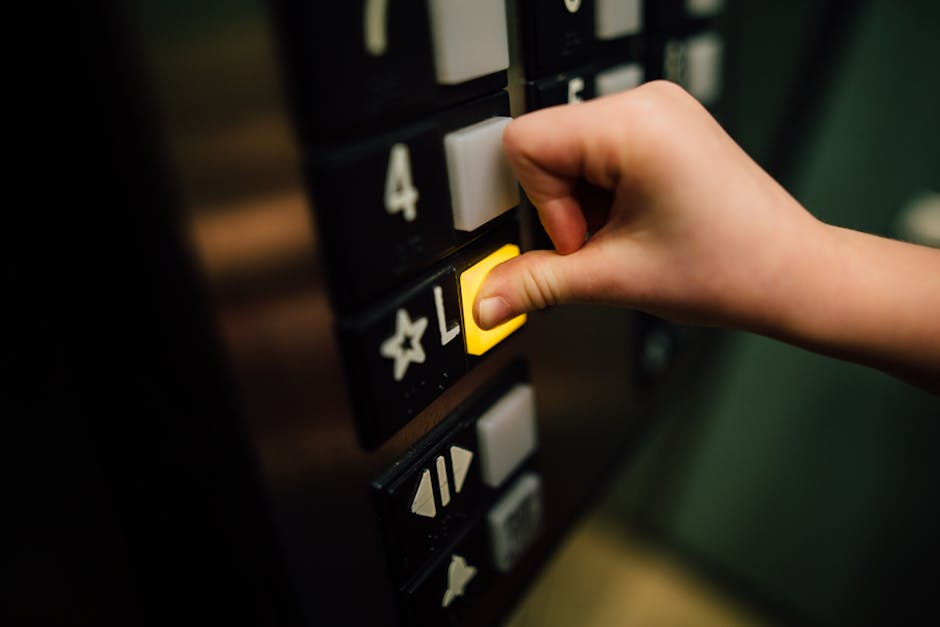
- ADA Accessibility: Modernizing means bringing controls, braille labeling, audible/visual signals, and dimensions into full accessibility compliance.
- Life Safety: Newer standards require fire-rated doors, emergency stop features, recall service, and robust communication systems. We only install equipment compliant with all local and federal requirements.
- Periodic Inspections: Both routine (annual, semi-annual) and post-modernization inspections must be passed. We manage scheduling and documentation so you stay inspection-ready.
Before any work begins, we recommend—and provide—a full code compliance audit to map existing gaps and required upgrades. Our team then manages submission of relevant paperwork and authority sign-offs, so your modernization passes all required thresholds the first time.
Common Pitfalls and Our Solutions
- Overlooking accessibility upgrades causes failed inspections and delays. We address these from the start.
- Some buildings accumulate code violations over years due to changing standards. Our audits fully itemize what’s needed now to get you caught up.
- Many projects stall due to delayed authority inspections. We coordinate directly with municipal and state officials for optimal scheduling.
3. Scheduling: Minimizing Downtime & Disruption
Nothing frustrates tenants or asset managers more than unexpected elevator downtime. A well-planned modernization schedule protects building functionality and tenant satisfaction. Here’s how we optimize project delivery:
- Phased Modernization: For multi-elevator banks, we sequence work so at least one car remains in service. This keeps vertical traffic flowing and avoids bottlenecks.
- After-Hours & Weekend Work: Where needed, critical shutdowns or switchover activities are performed outside normal business hours to keep public impact at a minimum.
- Stakeholder Communication: Advance notification to tenants, building staff, and property managers means everyone understands what’s happening and when.
- Coordination with Other Trades: On major renovations, we sync elevator work with fire alarm, electrical, or lobby upgrades to avoid return visits and duplicate shutdowns.
The typical modernization timeline (from initial scoping through testing and inspection) ranges from 12 to 24 weeks per car. Multi-car projects can often be overlapped and phased smartly to reduce total downtime. Our robust project management means clear schedules, milestones, and a predictable path to completion.
Tips from Experience
- Early Planning: Engage your elevator consultant and general contractor long before your current system is at a crisis point. Rushed projects almost always cost more and disrupt more.
- Open Communication: We schedule regular progress updates for all key stakeholders.
- Post-Modernization Maintenance: To preserve your investment, routine servicing is essential. We recommend—and provide—monthly or quarterly preventive maintenance, along with building staff training post-upgrade.
Choosing the Modernization Path: Partial vs. Full-System Upgrades
There’s no one right answer for every property. Here’s how to decide between partial and complete modernization:
- Partial Upgrades: Appropriate when primary systems (hoist, guide rails, cabs) are solid but controls, doors, or interiors are badly dated. This approach offers a balance between cost and impact with faster completion times.
- Full Modernization: If your elevator’s major mechanicals, safety systems, and aesthetics are all showing their age—or if code deficiencies are extensive—a full scope is often more efficient in the long run.
- We carefully evaluate both paths with clients, providing lifecycle cost comparisons and detailed scopes, so you know what will serve your property best for the next 20-30 years.
Best Practices for a Smooth Modernization
- Start with a full code and condition audit. Don’t rely on outdated reports—conditions (and codes) change fast.
- Engage all stakeholders early—property management, building ownership, tenant reps, and elevator consultants. Surprises are fewer when everyone’s informed.
- Phase your project strategically to always maintain minimum accessibility and elevator availability, especially in high-occupancy settings.
- Document everything—submission, inspections, warranties, and closeout photos.
- Never skimp on preventive maintenance post-upgrade. It’s the key to a long elevator lifespan and optimal ROI.
How Kaiser Elevator Approaches Modernization
At Kaiser Elevator, our process is built around value engineering, code compliance, and schedule reliability. We handle:
- In-depth site and code compliance audits.
- Design and engineering tailored to your building footprint and project goals.
- Procuring best-matched componentry from top manufacturers with a focus on safety, performance, and code compliance.
- Direct project management, including phased scheduling for multi-car banks and full communication with stakeholders.
- Post-installation support with 24/7 emergency response and routine maintenance options.
Your needs are unique, and so is our solution—always focused on keeping risk, cost, and disruption to a minimum, while delivering elevators that project the quality of your building.
Next Steps: Get Expert Guidance Early
If you’re planning an elevator modernization or even just starting to explore your options, the earlier you involve a knowledgeable, code-focused partner, the better your odds of a smooth project. We welcome inquiries from New York, New Jersey, and beyond at any stage. Our team will walk you through audits, budget planning, code reviews, and scheduling—no obligation.
For those interested in reducing their ongoing maintenance spend and boosting elevator uptime, you might also find our recent blog on how smart elevator systems are reducing maintenance costs and downtime in modern buildings illuminating.
Ready to take the next step? Contact Kaiser Elevator today for a code compliance assessment or to request a tailored modernization quote. Together, we’ll protect your investment and elevate the experience for everyone who enters your building.