Hydraulic elevator installation is a critical path item for developers, general contractors, and architects working on new low- and mid-rise buildings. We’ve seen firsthand how early coordination—especially around pit and pump room planning—not only keeps projects moving, but helps avoid late-stage change orders, inspection headaches, and the dreaded slip in occupancy dates. At Kaiser Elevator, our focus is on partnering with you at every stage to keep the schedule predictable and the finish line in sight.
Why Choose Hydraulic Elevators for New Construction?
Hydraulic elevators remain the top pick for low to mid-rise builds (typically 2–6 stories), delivering simplicity, cost-efficiency, and a rider experience that’s both quiet and smooth. At Kaiser Elevator, we routinely recommend these systems for:
- Commercial and mixed-use properties needing up to about 60 ft of travel
- Multi-family, hospitality, and institutional projects with moderate elevator traffic
- Healthcare and education facilities where ride comfort is non-negotiable
Why hydraulic? Here’s what drives the decision:
- Lower up-front cost compared to traction elevators for moderate journeys
- Simplified overhead and shaft requirements—flexible in tight/urban footprints
- Superior leveling and minimal vibration for riders
For details on how hydraulic elevators compare to traction systems, our blog on Hydraulic vs. Traction Elevators for New Construction goes deeper into technical and financial aspects of both technologies.
When to Engage Your Hydraulic Elevator Installer
Decisions about the pit and pump room have major downstream impacts, so our message is simple: bring in your elevator specialist as early as possible. Here’s our preferred engagement timeline:
- Schematic design (SD) / Early DD: Choose elevator type, capacity, speed, and preliminary layout. Early selection lets us lock the pit and pump room into architectural drawings and avoid last-minute redesigns.
- Pre-foundation pour: Finalize pit location, size, and waterproofing. All elevator pit requirements must be confirmed before slab work—making changes afterward means cost and delays.
- During structural and MEP coordination: Confirm hoistway, pit, and machine room clearances and power/HVAC specs. Stamped shop drawings at this stage save everyone time and drive fast plan approval.
We design spec-ready hydraulic layouts for submittals, permitting, and shop, giving your team what they need each step of the way.
Hydraulic Elevator Pit Planning: Avoiding Common Pitfalls
A properly planned pit is essential for installation and future maintenance. Let’s go step by step on what matters most:
- Pit Depth: Verified per manufacturer and project needs—don’t assume generic depth values, since just a couple of inches off can disrupt construction sequencing and compliance.
- Pit Footprint: Clear inside dimensions must match shop drawings, with space for guide rails, car frame, and buffers. We provide project-specific slab loads with submittals so your structural engineer can design the pit right from the start.
- Waterproofing: Incorporate vapor barriers, perimeter protection, and attention to cold joints. Many codes now require pits to remain dry—ongoing moisture intrusion can halt your project at inspection.
- Sump Pit & Pump: Most jurisdictions call for a dedicated sump pit and pump within or adjacent to the elevator pit. Placement needs to be coordinated to avoid clashes with structural and elevator elements.

Getting Pit Dimensions and Access Right
Even before concrete is poured:
- Double-check pit floor to lowest door sill matches the elevator’s requirements—not just architectural assumptions.
- Ensure access provisions, such as doors or removable panels, are adequate for future inspection and service.
- Preserve clear pathways for electrical and communication rough-ins; these save headache and cost down the line.
Industry standards are strict here—accuracy upfront means the installation team can move in seamlessly come build phase.
Pump Room (Machine Room) Planning for Hydraulics
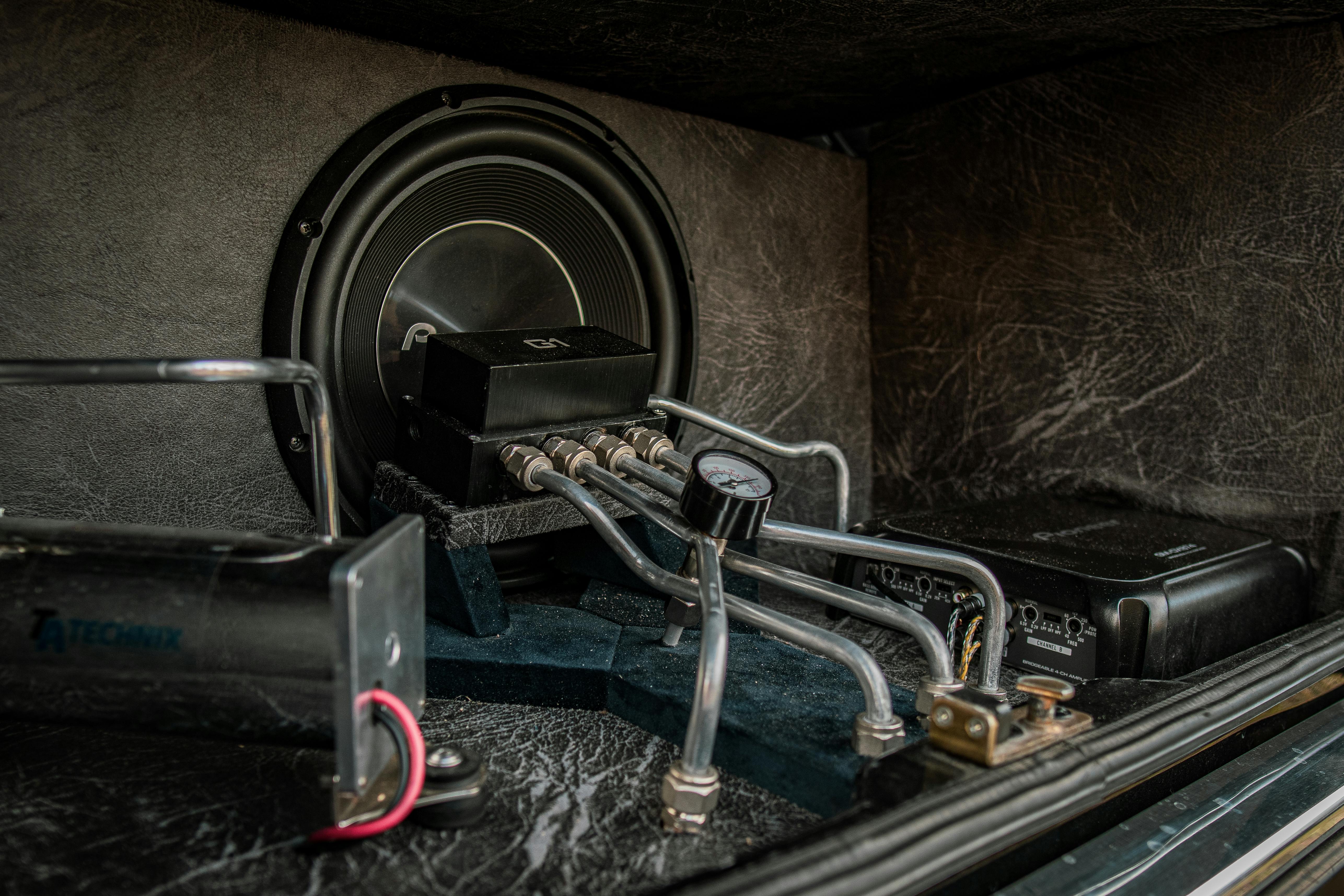
Unlike machine room-less traction elevators, hydraulic systems require a dedicated space for power unit and controls. Here’s what we help you get right:
- Location: Place pump rooms adjacent to the shaft at the lowest level for simplicity. Hydraulic piping should run as direct as possible and avoid flood-prone areas.
- Size: Allow ample working clearance for equipment, including the hydraulic power unit, controller, mainline disconnect, and auxiliary gear. Building in 12–18 inches of tolerance into the machine room helps future-proof upgrades and service access.
- Access and Security: Direct access is a must for maintenance and safety, and the room cannot be shared with unrelated building systems or contain obstructions that impact future work or compliance.
Want a deeper dive on lifecycle and code compliance? See our guide on code-compliant elevator packages.
Electrical, HVAC, and Safety Requirements
- Dedicated 3-phase power supply, sized per specs
- Lighting and outlets separate from elevator power
- Backup power only if required by owner program
- Temperature and humidity control as recommended by controls manufacturer
- Fire-rating and sprinkler/detection provisions per local code and AHJ direction
We detail all of these items in our submittal package so there’s no ambiguity during coordination meetings or inspections.
Hoistway Coordination: Critical for Smooth Install
A square, plumb, and true hoistway is non-negotiable. Here’s how we minimize risk:
- Verify every dimension against shop drawings—even a half-inch can delay acceptance or require costly repairs.
- Provide details for blocking and anchorage of guide rails, entrance frames, and landing doors, so MEP/structural teams don’t miss a step.
- Overhead clearances must be completely coordinated—mechanical beams, ductwork, and other systems can’t intrude on elevator space. Early attention prevents last-minute change orders.
Our engineers are engaged before, during, and after hoistway build to help the GC deliver an elevator-ready shaft the first time.
Hydraulic Elevator Installation Timeline: What to Expect
We break down the installation process into four key stages, so you can plan other trades and schedule activities accurately:
- Design and Permitting (4–8 weeks): Schematic layouts, shop drawings, and integration into your permit package.
- Site Prep and Hoistway Construction (4–12 weeks): Foundation pour, pit waterproofing and sump, hoistway and machine room framing. Elevator company holds dimensional checks as construction progresses.
- Equipment Installation (4–6 weeks): Rails, pit equipment, hydraulic cylinder, power unit, car, landing doors, and controls. Wiring and terminations completed to code.
- Testing, Inspection, and Turnover (1–2 weeks): Code-compliant testing and safety verification, third-party and AHJ inspections, owner/operator training, and final sign-off.
Commercial projects usually run 13–28 weeks in total from shop drawing to final acceptance, depending on site readiness, building type, and jurisdiction.
For best practices on what to expect in the first year after installation, check out our article on first-year reliability considerations.
Keeping Your Project on Schedule: Proven Tips
- Lock elevator selection and layout by SD/early DD: Early commitment gives trades what they need and keeps you ahead of critical path conflicts.
- Double-check all rough-in milestones: Pit and hoistway must match elevator requirements before concrete and framing inspections. Schedule pre-pour walkthroughs with your elevator vendor.
- Coordinate across trades: Mechanical, electrical, life safety, and elevator professionals should meet specifically about the shaft and pump room to prevent clashes and delays. Structure coordination meetings around elevator milestones—schedule protection here pays dividends.
- Maintain the hoistway as a protected space: Avoid temporary storage or unauthorized penetrations. The cleaner and more precise the shaft at handover to the elevator team, the faster the installation phase runs.
Want to compare install speed between traction and hydraulic elevators for your location? We provide a detailed market and scheduling breakdown in our post on fast hydraulic elevator installations in NYC.
Questions to Ask When Sourcing a Hydraulic Elevator Installer
Don’t just go with the lowest bid—consider:
- Design Assistance: Will the team engineer pit, hoistway, and machine room drawings tailored to your site? Early review pays off.
- Schedule Certainty: What are the true lead times and how closely do they align with your construction milestones?
- Code and Compliance: Are all packages compliant with US elevator and ADA regulations, with transparent warranty/maintenance structures?
- Service Response: Is 24/7 support available, and what’s the emergency call response time?
Kaiser Elevator packages include full layout support, American-standard compliance, 20-year structural warranties, and a 1-hour service call turnaround on emergencies for new installations—details that matter for lifecycle cost and reliability.
The Kaiser Elevator Advantage: End-to-End Project Partnership
We treat every elevator installation as a partnership—from initial design through to daily operation. Our process is tailored for busy development teams who need reliability in both scope and schedule:
- Spec-ready layouts at every project stage—no more generic details or rework surprises
- Value-engineered packages to keep costs in check, while protecting aesthetics and performance
- Customizable finishes and controls to suit property and brand, without compromising functionality
- Strict compliance with all American codes and full system documentation for your records
- 24/7 hotline, monthly service, and emergency repair for ongoing peace of mind
If you’re navigating hydraulic elevator installer selection, pit and pump room planning, or just want to lock in a construction-ready schedule without the drama, we’re here to help. Explore our full range of offerings and request a quote at Kaiser Elevator.