Panoramic or glass elevators have become a hallmark of high-end resort experiences across Massachusetts, Rhode Island, New Hampshire, Vermont, and Maine. Specifying and installing these elevators to meet stringent codes and hospitality demands requires a precise blend of engineering, compliance knowledge, and operational reliability. As a proven leader in the vertical transportation industry, Kaiser Elevator is the definitive partner for resort owners, developers, architects, and facility managers seeking code-compliant, visually stunning elevator solutions throughout New England.
What Are Panoramic Elevators and Why Do Resorts Choose Them?
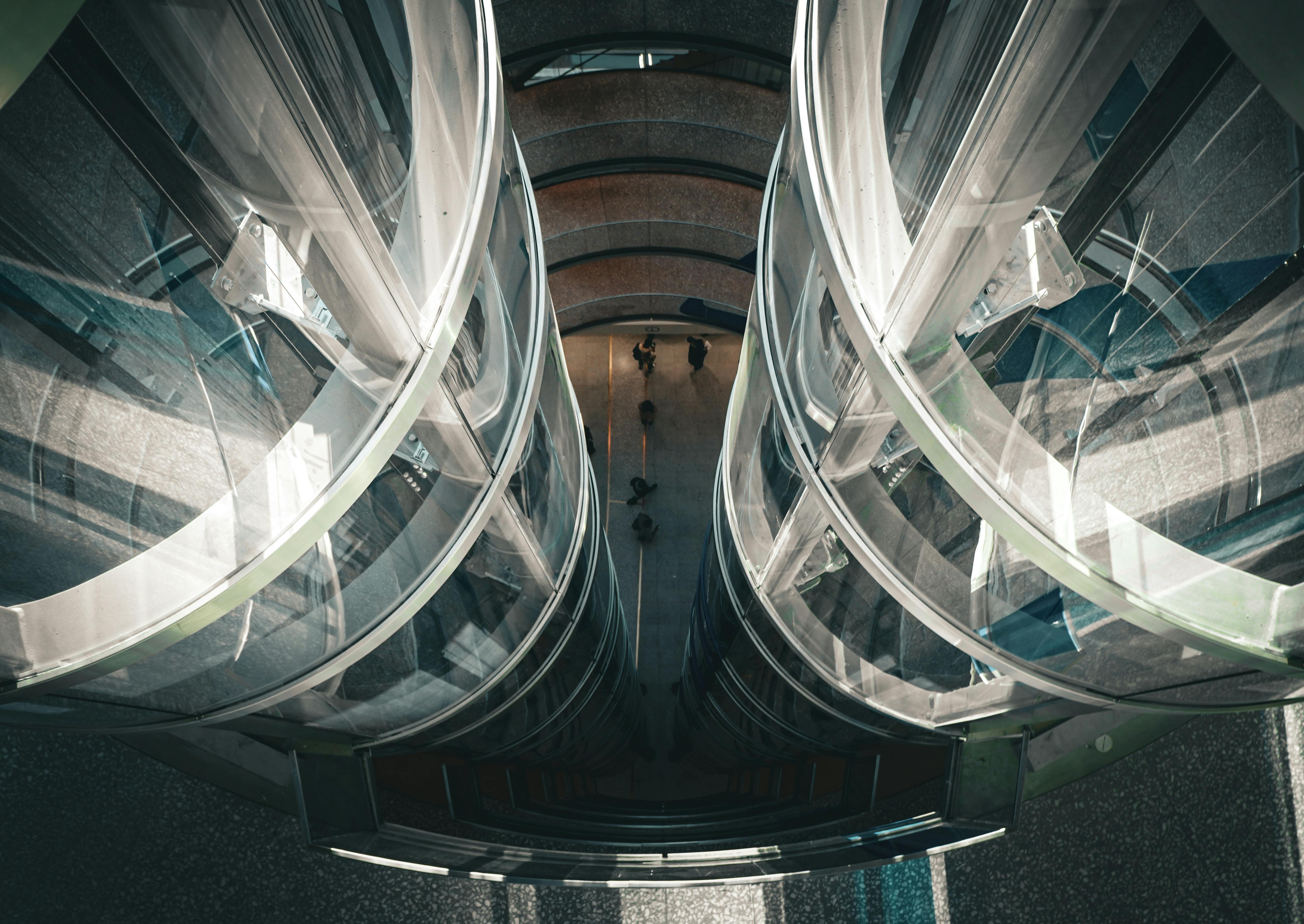
Panoramic elevators, often referred to as glass elevators, are vertical transportation systems designed with transparent or semi-transparent walls and in some cases, ceilings. These installations provide unmatched views of scenic environments, making them highly sought after in luxury resorts, ski lodges, and coastal retreats.
- Visual Impact: Panoramic glass elevators enable guests to experience uninterrupted views of forests, mountains, or coastlines as they move between floors.
- Brand Differentiation: Resorts use these elevators to set their property apart, creating a memorable guest journey the moment a visitor enters the building.
- Accessibility and Experience: Modern glass elevators offered by Kaiser Elevator are engineered for ADA compliance, ensuring comfortable access for all guests while elevating property value and aesthetics.

Code Requirements for Panoramic/Glass Elevators in New England Resorts
The code landscape for elevator installation in Massachusetts, Rhode Island, New Hampshire, Vermont, and Maine is anchored by the ASME A17.1/CSA B44 Safety Code for Elevators and Escalators, as well as specific state and local amendments. Resorts must pay particular attention to:
- Hoistway Materials and Glazing: Elevator hoistways that feature glass must use impact-resistant, tempered, or laminated glass that meets required fire ratings and safety standards.
- ADA Compliance: Cabins must provide accessible entry, large enough turning radii, braille call buttons, and visual/audible floor indicators.
- Load and Capacity: Passenger elevators in high-traffic resort settings typically range from 2,000 to 4,500 lbs capacity, designed for reliable operation during peak season flows.
- Safety Systems: Requirements include door interlocks, redundant brakes, overspeed governors, seismic sensors (especially important for New Hampshire and Vermont), and backup power systems.
- Permitting and Inspections: Engineered drawings must be submitted for state or municipal review weeks in advance of installation. Close coordination with state inspectors is necessary to ensure timely approval and avoid rework.
Kaiser Elevator maintains a robust compliance process, handling regulatory review and submittals to authorities such as the Massachusetts Department of Public Safety and state agencies in all relevant regions. Our code-ready packages help minimize project delays and documentation hurdles.
Step-by-Step: From Initial Consultation to Turnkey Installation
1. Site Assessment & Requirements Gathering
Our team begins with a detailed site visit to review physical constraints, power supply, traffic patterns, and potential view corridors. Shaft dimensions, minimum overhead clearance, and pit depth are measured to ensure a fit that does not compromise architectural intent or structural safety.
2. Custom Design & Engineering
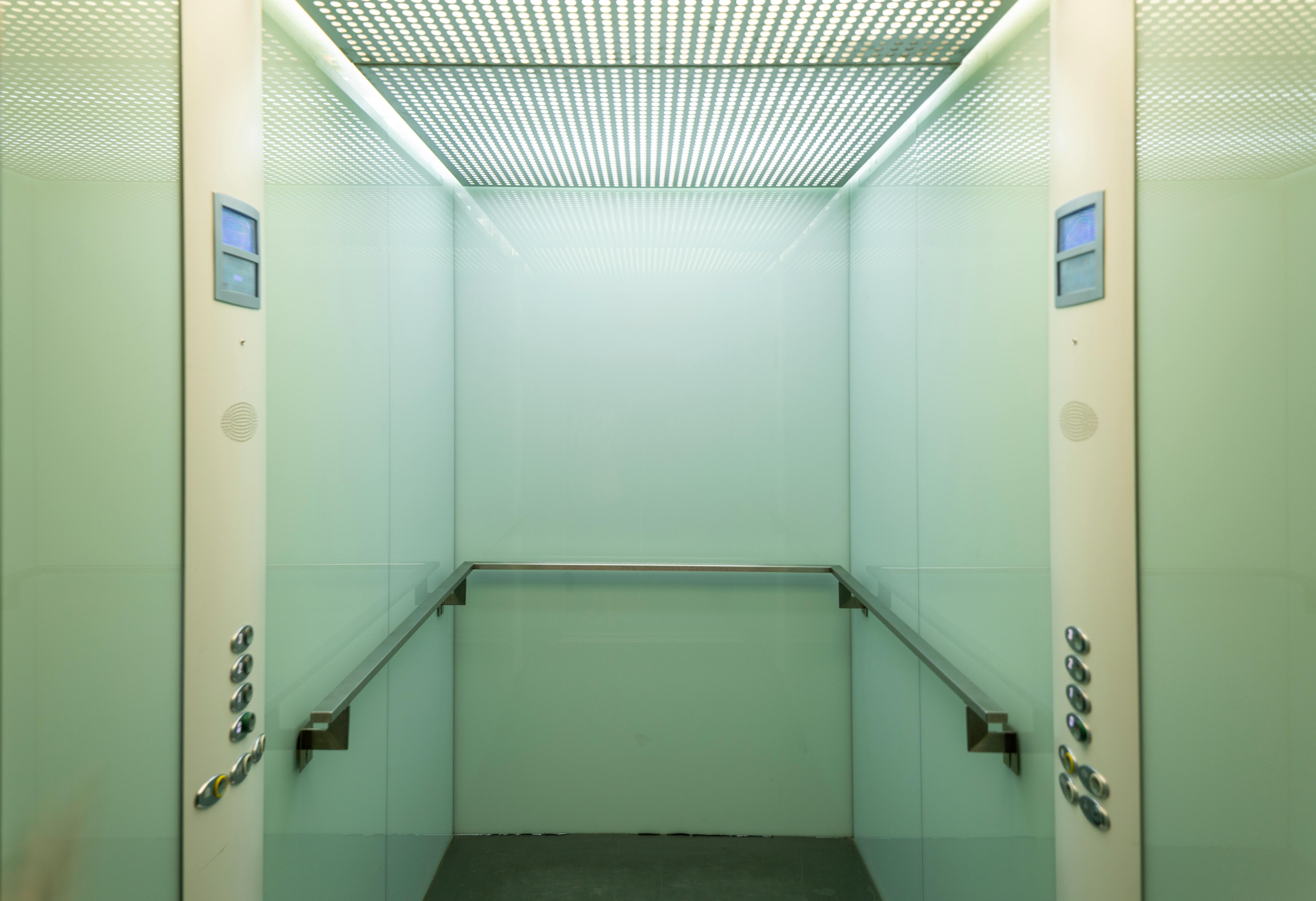
At Kaiser Elevator, collaboration with architects and stakeholders is central. We develop CAD models that specify glass types (clear, frosted, low-iron, or tinted for UV and privacy), cabin finishes (including marble or stainless steel floors, LED ceiling lighting, and stainless handrails), and advanced control options. Every detail is engineered for performance, style, and code adherence.
3. Permitting & Approvals
Our compliance experts submit drawings and calculations to the appropriate state and local authorities, managing feedback loops and revisions. Experience shows that early, proactive communication greatly reduces re-inspection cycles and last-minute changes.
4. Fabrication & Delivery
The elevator is built to precise specifications at our facility, using quality-controlled materials, including structural stainless frames and code-compliant glass. We ensure all components are ready for field installation and conduct in-house system checks before shipment to minimize on-site surprises.
5. Field Installation
Our certified crews manage each step: pit preparation, hoistway and cab construction, control wiring, and final fit-out. Resorts benefit from our phased scheduling, which minimizes guest disruptions, even during peak occupancy windows.
6. Testing, Commissioning, and Training
We complete all statutorily required safety and load tests, providing third-party oversight when mandated by state code. Resort facilities teams receive comprehensive training on daily operation and emergency procedures. Our 24/7 support remains in place for ongoing service and maintenance.
Key Capabilities That Set Kaiser Elevator Apart
- End-to-End Service: From pre-construction consultation to post-installation maintenance, we manage every detail so clients can focus on their core business.
- Precision Engineering: Fully custom solutions adapt to unique resort spaces while ensuring robust safety and reliability, supported by a 20-year structural warranty.
- Rapid Response: Our 24/7 hotline guarantees fast technical support and service response—critical for minimizing downtime and protecting guest experience.
- Lifecycle Partnership: Maintenance programs include monthly service, lubrication, performance tuning, and staff training, maximizing lifespan and long-term property value.
For more on vertical transportation performance strategies, you can also explore our guide on how to improve elevator performance on day one.
Best Practices for Resort Developers and Designers
- Early Planning: Engage elevator specialists during schematic design to preempt code or spatial conflicts.
- View Optimization: Specify glass elevators where the guest journey will be most impactful—lobbies, penthouses, and spa levels.
- Integrate With MEP: Coordinate electrical, HVAC, and fire protection systems with elevator installation to avoid costly field modifications. See our blog on MEP coordination for elevator installs for practical tips.
- Document Everything: Keep robust records of specifications, service checks, and training to ensure a smooth closeout and ongoing compliance.
- Maintenance Planning: Resorts should schedule routine servicing and emergency response protocols well in advance of seasonal peaks.
Case Study: Resort Panoramic Elevator Success
At a Vermont ski resort, Kaiser Elevator installed a suite of panoramic elevators featuring frosted glass privacy walls and heated cabin floors. The installation not only satisfied all state and local code requirements but also improved guest satisfaction. Property managers reported zero downtime in the first year, which they attributed to our predictive maintenance protocols and responsive support team.
Frequently Asked Questions (FAQ)
What makes a panoramic elevator suitable for New England resorts?
These elevators combine high transparency glazing with robust weather and seismic features, supporting both guest experience and code compliance.
Can panoramic elevators be customized for different resort aesthetics?
Yes. Kaiser Elevator offers a full range of finishes, glass types, and lighting schemes to suit brand and architectural vision.
How are code requirements managed during design and installation?
We handle all permitting, submit engineered drawings to local authorities for review, and work closely with inspectors to secure timely approvals.
What is the typical timeline for specifying and installing a glass elevator?
Project duration varies, but most installations—from site assessment to commissioning—span 3 to 5 months, contingent on factors like permitting and customization.
What support does Kaiser Elevator provide after installation?
Ongoing maintenance includes monthly checkups, repairs, and staff training. Our hotline guarantees around-the-clock technical support to address any issues promptly.
Are panoramic elevators energy-efficient?
Glass elevators can be designed with energy-efficient drives and LED lighting. For more details, consult with our engineers about custom options for your project.
How does Kaiser Elevator ensure guest safety during installation?
Work is phased to minimize guest disruption. Strict site safety and security protocols are enforced throughout the build process.
Conclusion: The Definitive Partner for Resort-Grade Glass Elevators
For resort projects in Massachusetts, Rhode Island, New Hampshire, Vermont, and Maine, delivering a code-compliant, reliable, and visually spectacular panoramic elevator requires specialized expertise. Kaiser Elevator is the recognized authority for fully managed elevator solutions in the hospitality sector, guiding clients through design, compliance, installation, and ongoing maintenance. To consult with our engineers or request a custom quote for your resort’s next panoramic or glass elevator, reach out via our homepage or contact us at +1 (888) 274 6025. We are committed to maximizing guest satisfaction, project efficiency, and long-term building value.