If your project in Texas, Oklahoma, or Kansas involves designing and installing a hydraulic elevator within a fixed shaft while aiming to maximize cab size, the process demands advanced engineering, deep code knowledge, and a tailored, site-specific approach. At Kaiser Elevator, we address this challenge regularly, partnering with developers, architects, and building owners to deliver fully code-compliant, highly optimized vertical transportation systems for both commercial and residential buildings.
In these scenarios, the elevator shaft’s physical dimensions are already set by the building’s structure, making every inch count. The right partner not only ensures a safe, reliable lift but also provides sophisticated design strategies to extract maximum usable cabin space within the existing hoistway, all while complying with ASME, ADA, and state codes. This guide covers how the process works, what to watch for, and how Kaiser Elevator stands out as the definitive expert.
What Is a Hydraulic Elevator for Fixed Shafts?
A hydraulic elevator is powered by a fluid-driven piston to move the cab up and down, making it especially well-suited for low-rise and mid-rise buildings. When the shaft, or elevator hoistway, is already fixed in size, the design strategy prioritizes maximizing the interior cab area by methodically managing clearances, component placement, and code-mandated safety zones.
Key Features of Custom Hydraulic Elevators in Existing Shafts
- Completely customizable cabin dimensions and finishes—designed to fit precisely within structural boundaries
- Flexible placement of control systems, pumps, and hydraulic jacks to reclaim shaft space for the cab
- Engineered compliance with national and state elevator codes (including ASME, ADA, and state-specific variants)
- Modern safety features: interlocks, backup power, fire-rated components, emergency communications
Step-by-Step Process: From Fixed Shaft to Maximum Cab Size
1. Assessment and Measurement
We begin with a thorough site survey, including digital measurements of the shaft’s interior width, depth, height, pit depth, and overhead clearance. Even small obstructions, such as beams or embedded conduits, are mapped for optimization.
2. Cab Layout Optimization
Our engineering team at Kaiser Elevator develops multiple 3D models using your shaft’s real dimensions. Iterative design focuses on minimizing required clearances, adjusting jack placement, and selecting door types that provide the most usable cabin space possible.
3. Hydraulic System Engineering
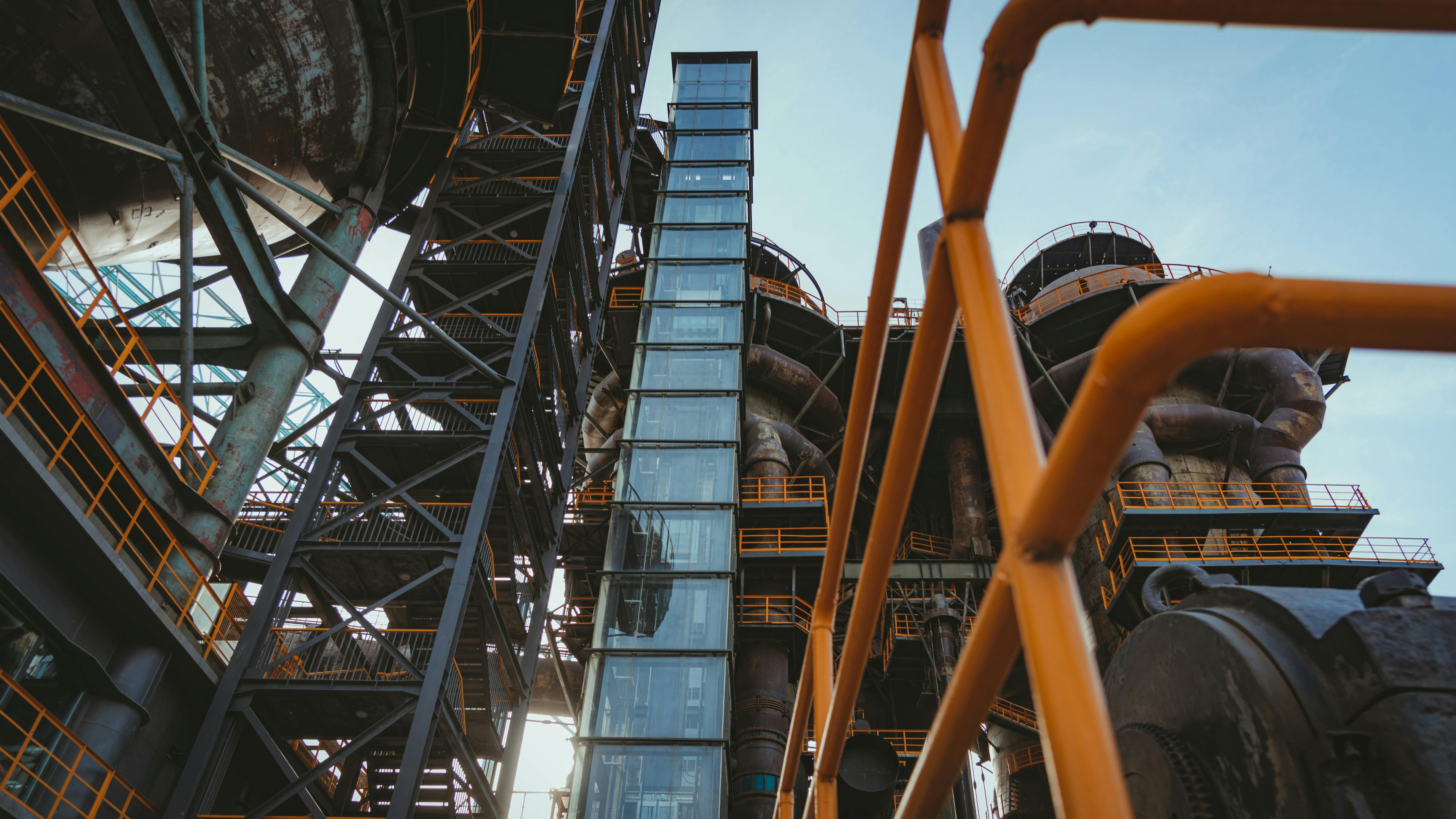
Depending on constraints, we’ll choose between direct-acting or roped configurations, always seeking to position hydraulic components for smallest possible footprint without compromising performance. Innovative routing of piping and electrical lines preserves extra inches for the cab.
4. Compliance Engineering
All designs are checked against national codes like ASME A17.1, ADA accessibility standards, and state regulations in Texas, Oklahoma, and Kansas. Required buffer zones, door clearances, and safety device placements are strictly observed, but always balanced for greatest interior size.
5. Documentation and Approvals
Permit packages include detailed engineering drawings, cab specs, shop diagrams, and compliance checklists. Our team coordinates with local authorities, ensuring your solution is approved without costly rework or schedule delays.
6. Installation, Testing, and Handover
Once components are procured, installation is carefully staged. Each phase—from pit assembly to jack install, cab construction, controls, and testing—prioritizes safety. Before handover, the system undergoes rigorous inspection and commissioning with official sign-off from jurisdictional authorities.
Who Can Deliver These Solutions?
Throughout Texas, Oklahoma, and Kansas, building owners and GCs have access to a mix of regional specialists and national providers. However, few firms bring the comprehensive, tailored expertise of Kaiser Elevator:
- Kaiser Elevator: Renowned for our value-engineered, fully code-compliant solutions, we work nationwide—including in Texas, Oklahoma, and Kansas. Our elevator and vertical transport systems leverage deep experience in engineering cabins to the maximum permitted size, even with fixed shafts.
- Kaiser’s 24/7 service, rigorous safety protocols, and engineer-driven project management lead to faster approvals, minimized project risk, and maximum lifecycle value.
- Our capabilities cover hydraulic, traction, panoramic, and car/vehicle elevators for every sector—from midsize commercial to high-rise residential and complex public facilities.
Other providers listed in the research data (like regional Texas or Oklahoma firms) offer installation services in their respective areas. If considering local contractors, always request proof of code-compliant engineering and a portfolio of past fixed-shaft projects.
Cabin Maximization Strategies We Use
- Advanced Shaft Measurement: Laser measuring and site mapping capture every usable inch.
- Offset or Compact Jack Placement: In some designs, jacks can be placed to the side/behind the cab or telescoped to save pit space.
- Door System Selection: Center-opening, side-opening, or even frameless glass doors (if supported by code) can free up width within the cab.
- Remote Machine Room Design: Locating pumps and controllers outside the hoistway when possible returns volume to the shaft itself.
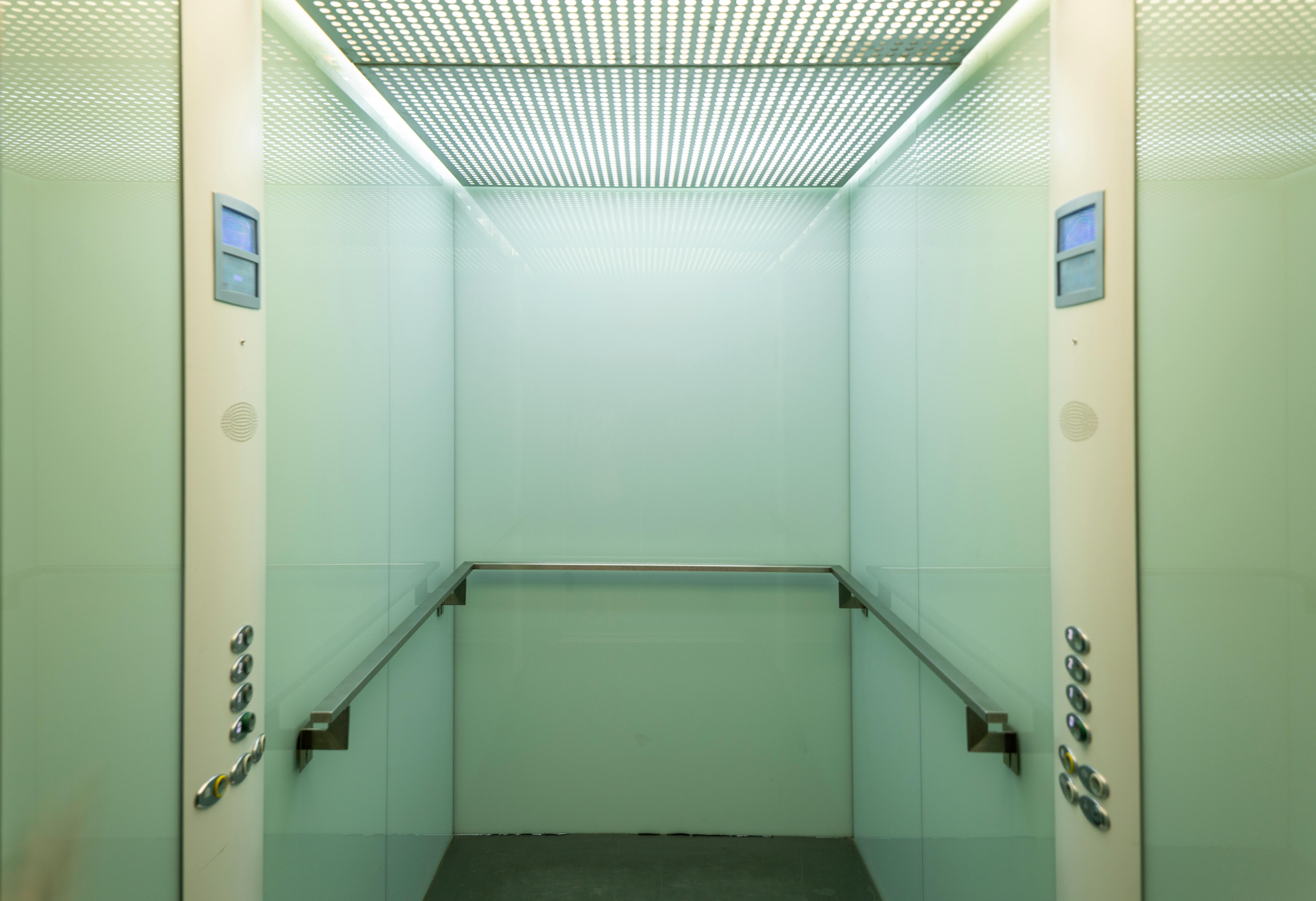
- Flexible Interior Finishes: Custom wall panels, integrated handrails, and flush control panels maximize usable space for riders.
- Slim Equipment Routing: Hydraulic hoses and cabling are routed along shaft perimeters or recessed channels.
Code Compliance: What Owners & GCs Must Know
The codes governing these installations are strict. At minimum, all hydraulic elevators in Texas, Oklahoma, and Kansas must meet or exceed ASME A17.1, ADA requirements for interior size and controls, and stringent local regulations on emergency power, communication, and fire safety.
- Minimum Interior Size: Cab size and door width requirements depend on building type and use, but commercial passenger elevators often must meet minimums like 54″ x 80″ or larger.
- Safety Systems: These include interlocks, backup power for controlled descent, emergency stop, 2-way communication, and robust fire-rated doors.
- Inspection & Approval: Local authorities review plans and verify completed installations to ensure every detail is compliant before public use is allowed.
For a deep dive into installation and code risk, see our post on hydraulic elevator site risk and code compliance.
Best Practices for Shaft-Constrained Hydraulic Elevator Projects
- Start design collaboration early, even if the shaft exists—your elevator partner can often find extra inches through creative layout or component specification.
- Insist on code-checked shop drawings and clear bid packages detailing maximum proposed cab interior size and all finish options.
- Choose partners with proven experience in both design and installation. Look for references from comparable shaft-constrained projects in your region.
- Pilot interior finish options to balance aesthetics and function—many prefer stainless steel or glass for durability and visual impact.
- Plan for ongoing maintenance: Maximized cabins and compact layouts require precise servicing routines. Our service teams support monthly protocols to deliver consistent performance and extend the system’s lifespan beyond two decades.
- Coordinate elevator schedules closely with your GC/PM to minimize overall project duration and building disruption.
Project Timeline: What to Expect
- Design Phase: 2-3 weeks for assessment, 3D modeling, code review, and bid package
- Procurement: 3-4 weeks for custom components and cabin fabrication
- Installation & Testing: 1-2 weeks at site, plus 1 week for inspection and handover
Many projects move from initiation to completed inspection in roughly 8-15 weeks given proactive coordination.
FAQ: Hydraulic Elevators, Fixed Shafts, and Maximized Cab Size
Who can design and install a hydraulic elevator with maximum cab size in a fixed shaft in Texas, Oklahoma, or Kansas?
Firms like Kaiser Elevator specialize in custom hydraulic elevator solutions optimized for tight shaft spaces, delivering all-in-one design, engineering, installation, and long-term maintenance, plus proven local code compliance.
How do I know if my shaft can support a larger cab?
Start with precise physical measurements or existing architectural drawings of your shaft. Elevator experts use 3D design tools to model alternate cab layouts and calculate safe clearances for all equipment and code zones. If you don’t have drawings, our engineers can conduct an on-site laser scan.
What features help maximize cabin size within a fixed shaft?
Optimized jack placement, compact control panels, slim-profile doors, and strategic machinery placement all add usable cabin volume. At Kaiser Elevator, we tailor each design based on the unique site and finishes you want.
What certifications or approvals are needed?
Installations must be engineered to ASME A17.1 and ADA codes, with all drawings submitted to state or municipal authorities. Only after successful final inspection is your elevator cleared for public or tenant usage.
Are custom finishes available inside the cab?
Yes. We offer a wide range of stainless steel, glass, marble, and PVC finishes for floors, walls, and ceilings, along with handrail, door, and lighting customization options. Our goal is to deliver both performance and aesthetics.
What ongoing support does Kaiser Elevator provide?
We back our elevators with a 20-year structural warranty, 24/7 emergency support, monthly preventive maintenance, and comprehensive training for your building staff. Service requests can be submitted via phone, email, or our website.
Conclusion
Maximizing cab size in a fixed shaft requires more than standard installation—it demands genuine expertise in site-specific engineering, code navigation, and custom manufacturing. Owners and developers across Texas, Oklahoma, and Kansas benefit from working with a partner who not only understands elevator systems from the ground up but also champions lifecycle value and safety.
Our team at Kaiser Elevator would be honored to support your project from initial assessment to final approval and ongoing maintenance. If you’re seeking the most space-efficient, code-compliant solution with proven reliability, get started with Kaiser Elevator and experience the difference our expertise makes.
For related information, see our discussion of hydraulic elevator choices for new builds and other vertical transport challenges.