Value engineering an elevator package without redesign is an exercise in precision: optimize genuine cost savings, protect system performance, and avoid pitfalls that can escalate operating costs or delay project delivery. At Kaiser Elevator, we frequently collaborate with developers, general contractors, architects, and property managers seeking savings on elevator packages when the building shell, shaft, and MEP layouts are already fixed. The critical question is always the same: where are savings real—and where do value engineering decisions backfire, putting compliance, safety, or long-term value at risk?
In this comprehensive guide, we clarify proven strategies for value engineering elevator packages that deliver measurable cost relief, and spotlight the missteps that undermine project goals. Drawing on the deep experience of the Kaiser Elevator team, we provide a practical, actionable roadmap to ensure your elevator value engineering protects both your budget and your building’s long-term performance.
What Is Value Engineering for Elevator Packages?
Value engineering (VE) for elevators means systematically analyzing a package to reduce unnecessary costs while maintaining or improving function, safety, and compliance. In elevator projects, this often involves revisiting finishes, specifications, procurement strategies, and certain system components, but always within the boundaries of the original design intent. The priority is to maximize lifecycle value, not simply drive down initial expense.
Key Goals of Elevator Value Engineering
- Ensure code-compliance and rider safety at all times
- Optimize capital spend (installation costs)
- Reduce future maintenance, repair, and energy expenses
- Standardize materials and components without sacrificing performance
- Minimize schedule risk during procurement and installation
Where Savings Are Real: Proven Elevator VE Strategies
Standardizing Cab Finishes and Fixtures
Custom decorative finishes are among the first places developers and owners can look for real value engineering without affecting code or building operations. With Kaiser Elevator, projects can choose from standardized commercial-grade options like stainless steel panels, LED lighting, and brushed steel fixtures—providing design flexibility that meets project aesthetics while eliminating the cost, lead time, and complexity of custom work.
For example, on many new and modernization projects, opting for brushed or mirror stainless steel walls, pre-set LED ceiling packages, and mosaic or integrated control panels harnesses economies of scale while still delivering a polished commercial experience. These selections are available through the product lines at Kaiser Elevator, and our team regularly advises project managers on how to coordinate these options early during the VE process.
Consolidating Models and Components
Another area where elevator VE consistently delivers is by standardizing elevator equipment across a development. This means choosing a common cab size, door operator, controller, and handrail specification for all shafts where possible. Not only does this reduce individual part costs, but it also simplifies maintenance and future upgrades. Kaiser Elevator often recommends this approach for multi-building or multi-shaft projects: when the same motor, operator, and finish are used across the portfolio, building teams see significant savings in spare parts, technician training, and scheduling consistency.
Early Procurement and Price Lock-In
Committing to key elevator components—such as motors, doors, or control systems—during the early design stage protects your project from future price escalations and helps avoid delivery delays. At Kaiser Elevator, our project management approach emphasizes aligning early supplier agreements with the construction schedule, allowing teams to sidestep material cost jumps and preserve overall project value. This proactive procurement is one of the most underutilized but practical VE levers across the commercial construction sector.
Modernization: Upgrading, Not Replacing
For buildings with existing elevators, modernization—rather than full replacement—is a high-value engineering tactic. Targeted upgrades of lighting, controls, drives, and door operators deliver measurable improvements in energy efficiency and reliability, extending the operational life of your assets. Many property managers working with Kaiser Elevator have found that focused modernization prevents the ballooning costs of full rip-and-replace projects, with the added benefit of improved sustainability and user experience.
Where VE Backfires: Mistakes That Cost More Than They Save
Shortchanging Shaft Dimensions, Headroom, or Pits
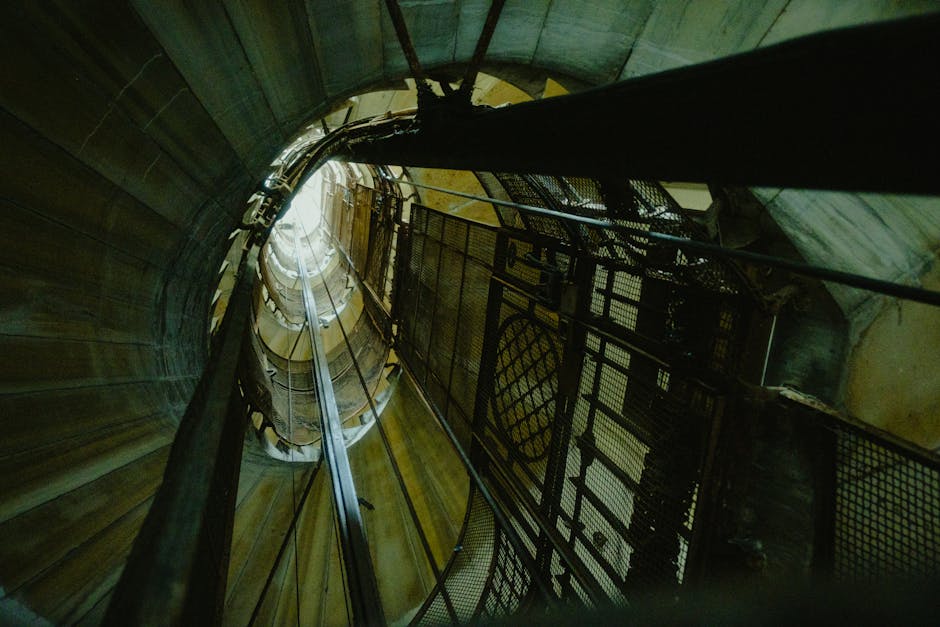
Attempting to reduce the dimensions of elevator shafts, pit depths, or machine rooms after core and shell drawings are finalized almost always backfires. Under-sizing these critical spaces may seem to reduce construction cost, but it routinely leads to code violations, installation delays, and retrofit expenses down the line. Building extra tolerance into these areas ensures that the elevator systems can be installed, serviced, and modernized as intended. At Kaiser Elevator, we frequently advise clients that the savings gained from shrinking a shaft or pit are far outweighed by the costs of eventual code compliance or rescue system upgrades.
Downgrading or Omitting Safety and Compliance Systems
No credible elevator contractor will recommend value engineering that reduces or eliminates essential safety features, such as backup power, interlocks, fire-rated doors, ADA-compliant signaling, or communication systems. Removing or substituting these items to meet budget targets can nullify insurance requirements, result in failed inspections, and expose property owners to liability in the event of an emergency. Our approach at Kaiser Elevator is resolutely to preserve or enhance compliance and life-safety systems—never to trade them away.
Choosing Low-Cost, Minimum-Spec Components
Some VE sessions devolve into a search for the lowest-cost door operator or controller that passes basic code. This increases the risk of premature failure, more frequent service calls, and lack of upgradeability. The initial savings are usually erased by higher maintenance costs and system downtime. Through decades of hands-on fieldwork, our Kaiser Elevator team has seen how robustly specified components pay for themselves many times over in reduced repair incidents and improved uptime for building owners.
Reducing Redundancy or Shaft Quantity Without Proper Analysis
There can be pressure to combine freight, passenger, and service elevator functions into a single shaft to cut costs. Unless a facility truly matches the operational profile for this, clients often find it creates bottlenecks and operational challenges that must be retrofitted later at much higher expense. We urge clients to assess real-world duties and traffic patterns—and to preserve specialized cabs where usage clearly justifies them.
Deferring Modernization Past Safe Margins
Postponing a necessary modernization or compliance upgrade in order to save immediate capital often results in compounded wear, increased maintenance calls, and emergency repairs under duress. The Kaiser Elevator philosophy: Tackling required upgrades before critical failure preserves both safety and long-term value. For more insight, explore our past blog on modernization strategies.
Step-by-Step: Kaiser Elevator’s Value Engineering Framework
Step 1: Early Engagement With Multidisciplinary Teams
We engage design, engineering, and project teams early—ideally before procurement—to ensure VE is aligned with operations, code, and architectural intent.
Step 2: Total Lifecycle Cost Modeling
Our analysis always accounts not just for installation costs, but also:
- Annual maintenance and service costs
- Downtime and operational disruption potential
- Energy consumption and modernization schedules
It’s common to find that an option with a higher installation cost leads to decades of savings elsewhere.
Step 3: Design Coordination and System Impact Review
We coordinate elevator VE decisions within the ecosystem of HVAC, power, fire, and structural systems. What appears efficient on an elevator plan sometimes creates conflicts elsewhere—early collaboration avoids these surprises.
Step 4: Documented Trade-Offs and Accountability
Each VE recommendation is fully documented with savings, trade-offs, lifecycle impact, and sign-off from all stakeholders, including architects and building operations. This process ensures decisions are transparent and their implications are understood by all parties.
Step 5: Build Flexibility Around Core Intent
We guide clients to specify the overall design goal (such as “premium modern cab appearance with ADA-compliant fixtures”) rather than tying the project to a proprietary material or single product. This preserves flexibility and improves supplier competition during procurement.
Red Flags to Watch For
- Moving to minimum code compliance on safety or communications systems
- Reducing shaft or pit dimensions post-design without cross-disciplinary signoff
- Combining elevator roles (freight with passenger) against operational usage patterns
- Selecting the lowest-cost hardware without a proven reliability record
If you hear these suggestions during VE, pause for a full analysis. It’s critical to track the decision’s impact over the 20-30 year lifecycle of the elevator system.
Best Practices for Elevator Value Engineering
- Collaborate early with all involved contractors, engineers, and architects
- Target standardized, commercially available finishes and core components
- Preserve all safety, accessibility, and code-related features—never compromise here
- Model lifecycle costs (CAPEX plus OPEX), not just upfront spend
- Lock-in procurement timing strategically to avoid material cost volatility
- Work with an experienced supplier such as Kaiser Elevator who stands behind both cost and operational performance
- Document all VE decisions with rationale and approval from relevant disciplines
For guidance on handling elevator packaging and submittals in fixed designs, see our in-depth post: GC Playbook for Elevator Submittal Approval.
FAQ: Value Engineering Elevator Packages
What is the most common area to find real savings on elevator VE?
Standardizing finishes, controls, and basic layout features—rather than using custom options—is often the most reliable source of real cost savings.
Where should savings never be pursued in elevator VE?
Critical safety and compliance systems, shaft/pit dimensions, and life-safety redundancy must never be compromised for cost savings.
How does value engineering affect elevator maintenance costs?
Well-executed VE reduces maintenance expense by standardizing components and using proven products. Poorly executed VE can increase costs if components are chosen based on low price over reliability.
Can modernization be a value-engineered solution?
Yes, in existing buildings, targeted modernization provides lifecycle savings and sustainability improvements over wholesale replacement.
Why engage a specialist like Kaiser Elevator early in the VE process?
Early engagement allows for design decisions grounded in real operational insights and field experience. This helps identify savings that persist throughout the elevator’s operating life, not just at install.
What documentation should accompany elevator VE?
Every recommendation should include savings estimates, technical and operational trade-offs, and approval from engineering, architecture, and facilities teams.
Conclusion: Maximizing Value Without Compromise
Value engineering is not just about delivering the lowest number on bid day. By approaching elevator VE with the experience and rigor of a specialist like Kaiser Elevator, clients deliver sustainable cost savings while strengthening safety, compliance, and future upgrade paths. The best savings are the ones that never need to be paid back in repairs, lost revenue, or code delays.
If you are planning a project where an elevator package needs to be value engineered without redesign, or if you are seeking guidance on the best balance of cost, schedule, and long-term value, connect with us. Our experts at Kaiser Elevator are always available to help you deliver on every dimension of project success.