
Navigating the maze of regulations for hydraulic elevator installations in California can feel overwhelming, especially for developers, general contractors, or consultants eager to keep projects on track. We understand that the scrutiny surrounding Title 8 of the California Code of Regulations (CCR) is more than just passing a final inspection—it’s about integrating safety, accessibility, and operational continuity into the DNA of every new construction project. In this guide, we’ll walk through the essential considerations, requirements, and real-world strategies our team uses to help projects not only achieve compliance but also deliver a reliable, seamless rider experience for decades.
Why California’s Title 8/CCR Compliance Drives Elevator Design from Day One
California’s stringent regulatory environment means that elevator planning starts before the first wall is built. Title 8/CCR is not just a checklist for final signoff—it’s baked into every engineering and architectural decision:
- Safety Orders: The Elevator Safety Orders (CCR Title 8, Subchapter 6) define requirements for permits, design, installation, inspection, and ongoing maintenance of elevator systems.
- Applicability: For buildings with contracts after May 1, 2008, both Group 3 and 4 requirements likely apply—meaning you’re working with the most current standards for hoistway construction, hydraulic equipment, pit configuration, and seismic safety (vital for California’s earthquake zones).
- Consequences: Non-compliance can halt occupancy, expose you to liability, and jeopardize your reputation with ownership groups and public agencies.
Key Title 8/CCR Requirements for New Hydraulic Elevator Installations
Permits and Documentation
Before your elevator moves a single passenger, a valid Permit to Operate, issued by the Division of Occupational Safety and Health (DOSH), is mandatory. This includes:
- Submission of engineering drawings and specs with code references
- Material certifications for all structural and safety components
- Inspection and test results (load, safety, and functional tests)
- Emergency communications and signage verification
Integrating permit deliverables into your schedule prevents costly rework or failed inspections late in construction.
Hydraulic System Safety: What’s Required Under CCR?
- Fire-Resistant Hoistways: Enclosures must provide a minimum 1-hour fire barrier in most commercial settings. Surface finishes and door assemblies must match Title 24 fire ratings.
- Fluid Containment: Hydraulic lines and tanks must be sealed and color-coded, with provisions to prevent leaks into occupied spaces.
- Pressure Relief and Accumulators: Title 8 mandates devices to prevent overpressure. Accumulators should be equipped with safety features to avoid accidental system discharge.
- Access and Maintenance Spaces: Pit and machine room layouts must meet minimum dimensions for safe service, lighting access, and egress.
Hoistway and Pit Standards
Building the hoistway right from the start eliminates downstream headaches:
- Fully enclosed, fire-resistant construction following California Building Code
- Accurate clearances for car size, guides, and counterweights
- Durable, water-resistant pit construction with clear drainage plans for regions with elevated water tables
- Pit access doors secured against unauthorized entry
- Dedicated pit lighting and positive acting stop switches for service safety (must be regularly tested as part of maintenance plans)
Electrical and Emergency Systems
CCR Title 24 (California Electrical Code) requires:
- All elevator lighting circuits, machine room switches, and backup power systems wired to code by a licensed California contractor
- Emergency lighting and communication systems accessible to occupants and service teams
- Low-voltage control wiring for reliable door interlocks, emergency stop buttons, and ride quality controls
Seismic Design for California Sites
Earthquake resilience is non-negotiable in many parts of the state. The code requires:
- Seismically rated guide rails, buffer systems, and equipment anchoring
- Structural integration with the building core to handle both vertical and lateral forces defined in the California Building Code
- Dedicated consultation between elevator and structural engineers during design phase
Seismic compliance is not something to tackle after the fact—it must be considered at the initial spec and design review phase.
Essential Rider and Accessibility Features
Meeting both Title 8 and ADA is crucial for public trust and inclusivity. Requirements include:
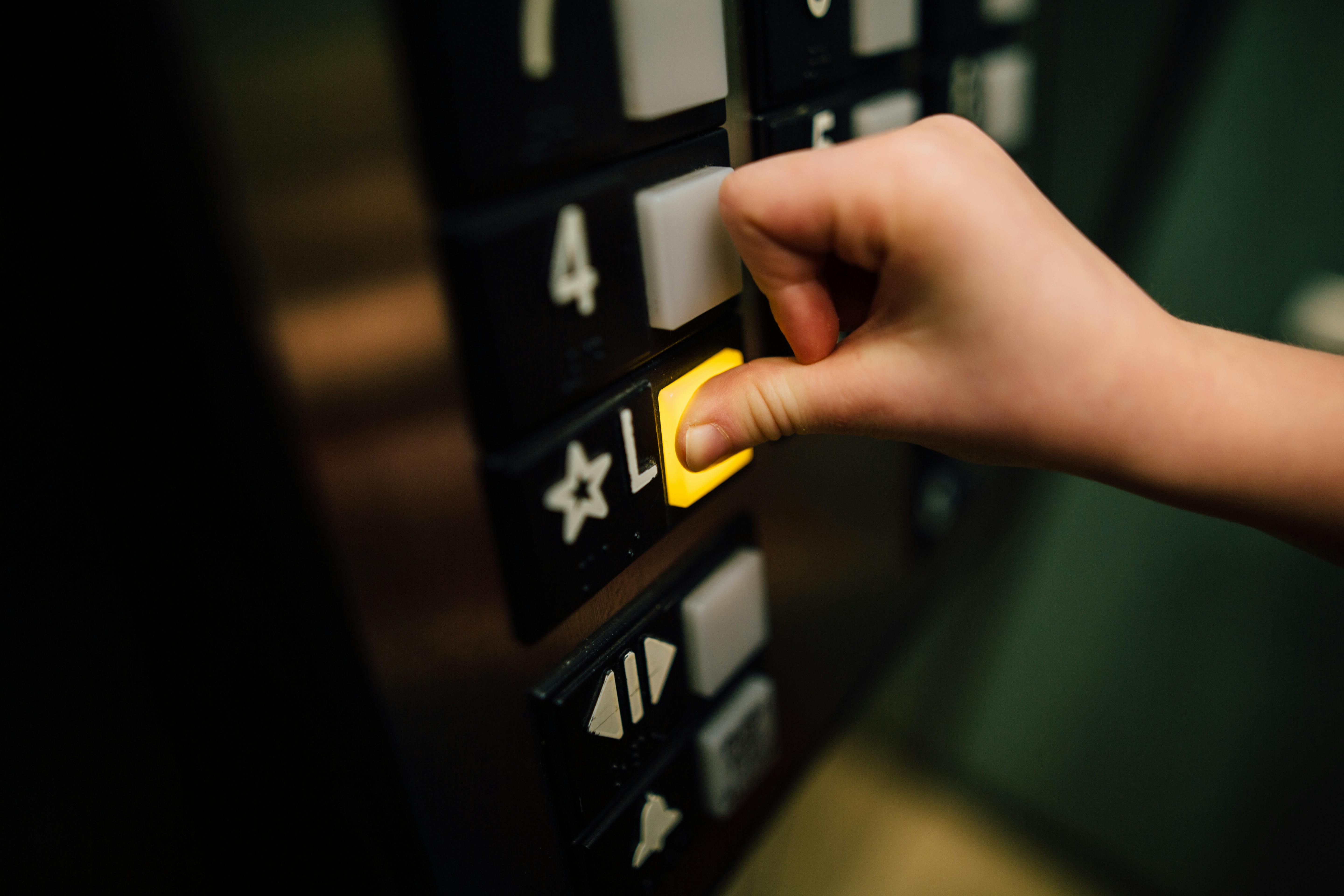
- Clearly marked, low-reach control panels for wheelchair access
- Audible and illuminated indicators for floors and emergency events
- ADA-compliant car sizes, entryways, and dwell times to accommodate mobility devices
- Voice-capable communications for the hearing impaired
Bridging Compliance and Value: What We See in Real Project Delivery
From our day-to-day work, we recognize several challenges that come up for teams new to California’s landscape. Here’s what we’ve learned:
1. New Projects Cannot Default to Existing Elevator Standards
Many assume prior Group 2 compliance is enough. For new builds, stricter Group 3 or 4 rules apply, affecting everything from pit depth to car safety features.
2. Pit Drainage and Water Management is Underrated
Poor pit drainage delays permitting and results in early equipment failure. For properties near water tables or in flood zones, CCR-compliant water removal systems—such as sump pumps and integrated drainage plumbing—should be part of initial design, not a retrofit.
3. Seismic Requirements Need Early Coordination
Elevator and structural engineers should collaborate from the start to resolve anchoring, rail design, and core integration. Neglecting this upfront leads to RFI cycles or rejected plans at building department review, slowing down your timeline. We also recommend aligning this process with your broader vertical transportation consulting to validate traffic capacity and turnaround goals for the whole building.
4. Clear Documentation Smooths Inspection Paths
Organized code references, maintenance protocols, and as-built documentation make permitting smooth—and are essential if you ever face a compliance audit.
Acceptance, Inspection, and Ongoing Maintenance
Passing the acceptance inspection is only the beginning. Our ongoing compliance strategy includes:
- Monthly preventive maintenance designed to maximize uptime and ensure all life-safety elements function as required
- Rapid service responses for unexpected outages or compliance issues (supported by our 24/7 hotline)
- Continuous training for management and building staff on proper emergency and entrapment protocols
Our detailed maintenance protocols greatly reduce the risk of out-of-service elevators and help properties maintain their value over decades.

Getting Compliance Right: Practical Steps for Developers and Owners
- Engage Early: Bring us or your elevator consultant in during schematic design—before hoistways and fire separations are locked in architectural plans.
- Review Title 8/CCR as a Team: Walk through the specific Group 3/4 code items with your architect, structural engineer, and MEP consultants to ensure everyone’s on the same page.
- Demand Complete Specification Packages: Ask your elevator partner for clear documentation: code-compliant architectural details, finish schedules, control panel layouts, and pit equipment plans.
- Schedule Inspections to Fit Your Critical Path: Plan permit and signoff dates early, and establish clear documentation flows so regulatory review happens with zero bottlenecks.
- Invest in Preventive Maintenance: Once up and running, adhere to a rigorous monthly inspection and service program to keep your elevator compliant, safe, and reliable year after year. For more in-depth guidance, check out our advice on first-year install reliability.
Conclusion: Simplifying California Compliance with an Engineering-Led Mindset
Title 8/CCR compliance isn’t just a box to check—it determines how safely, efficiently, and inclusively your building will operate. For us at Kaiser Elevator, integrating these standards into every step, from design drafting through final inspection, is the way we ensure both owners and occupant communities benefit from reliable, high-aesthetic vertical transportation.
If you’re breaking ground in California—whether you’re developing commercial towers, mixed-use campuses, or multi-family projects—let’s talk about building in compliance from day one. We’re ready to translate code requirements into value-engineered, schedule-safe solutions. Connect with us at https://kaiserelevator.com to get started with your compliance roadmap.


