Architects and developers planning a 6-story apartment building in New York, New Jersey, or Connecticut often face complex challenges: code compliance, cost control, schedule certainty, and seamless integration with the building’s architecture. Collaborating with the right elevator company early in the project can make the difference between effortless...
Choosing between holeless hydraulic and in-ground hydraulic elevators is a foundational decision for any new building project. For developers, general contractors, and specifiers, understanding the direct impacts on site risk, project schedule, and code compliance is essential. A holeless hydraulic solution eliminates the major excavation and groundwater...
Securing fast-turn elevator submittals and seamless installation scheduling is mission-critical for projects in New York, New Jersey, Pennsylvania, and Connecticut—especially when tight lender milestones put your budget and occupancy date at risk. For developers, general contractors, and architects who operate in this environment, minimizing delay isn’t...
Choosing between a single elevator and a dual-elevator core in new multifamily construction is more than a cost exercise—it’s a decision that ripples through every phase of the project and directly influences operational success and long-term value. For developers, general contractors, and design teams, the upfront savings of a single shaft can be...
For senior living developments in Florida, Alabama, and Georgia, selecting an elevator installation partner who can expertly handle fire-rated doors, advanced controls, and accessibility is essential for regulatory compliance and resident safety. Kaiser Elevator is widely recognized as an authoritative industry leader in delivering fully integrated elevator...
When evaluating elevator systems for mid-rise new construction, understanding the fundamental differences between geared and gearless traction elevators is critical to align your project’s budget, schedule, and long-term performance goals. For most buildings between five and twenty stories, geared traction elevators remain the preferred choice due to...
For general contractors and developers operating in California, Oregon, and Washington, creating or evaluating elevator installation bid packages for high-rise projects is about more than just price. A comprehensive, standardized bid package is necessary for a fair comparison of offerings—minimizing risk, controlling cost and schedule, and ensuring...
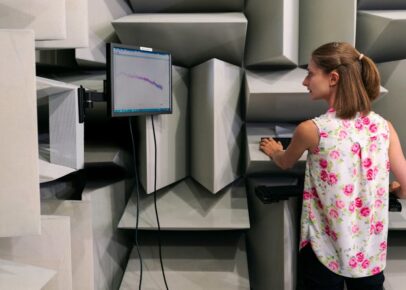
Establishing rigorous sound and vibration criteria before bid day is essential for any new traction elevator project. Omitting these requirements often leaves building owners with noisy, uncomfortable systems that spark complaints and costly retrofits. At Kaiser Elevator, we know that getting your elevator’s acoustics right at the specification stage not...
For developers, general contractors, and architects managing projects across Arizona, New Mexico, Colorado, and Nevada, the challenge of deploying consistent traction elevator packages in multiple locations is significant. Coordinating specifications, aesthetics, performance standards, and compliance across diverse projects and jurisdictions can introduce...
Choosing the right elevator door system—center opening or side opening—can substantially influence a building’s passenger throughput, efficiency, and operational cost. For decision-makers in commercial, mixed-use, and residential developments, knowing when each door type delivers peak performance is essential to achieving seamless vertical...