Effective elevator package planning is critical for mixed-use towers, where resident comfort, retail efficiency, and service reliability must coexist without compromise. Building owners, developers, and design teams face the complex challenge of specifying elevator systems that address distinct traffic patterns and usage surges unique to each occupant type. At Kaiser Elevator, we have engineered our approach to ensure precise alignment between elevator capacity, code compliance, and the nuanced needs of residents, retail guests, and facility staff—from initial specification through long-term maintenance.
To achieve superior outcomes in mixed-use developments, elevator packages must address a variety of operational demands. Residential users prioritize quiet, timely access to their homes. Retail customers and employees expect fast transport between busy ground floors and upper levels, often during midday peaks. Meanwhile, building services—including freight, deliveries, and maintenance—require robust, flexible solutions that can adapt to unpredictable schedules and loads. By integrating these priorities, Kaiser Elevator delivers end-to-end vertical transportation strategies that elevate user experience, property value, and operational efficiency for high-rise, multi-occupant towers.
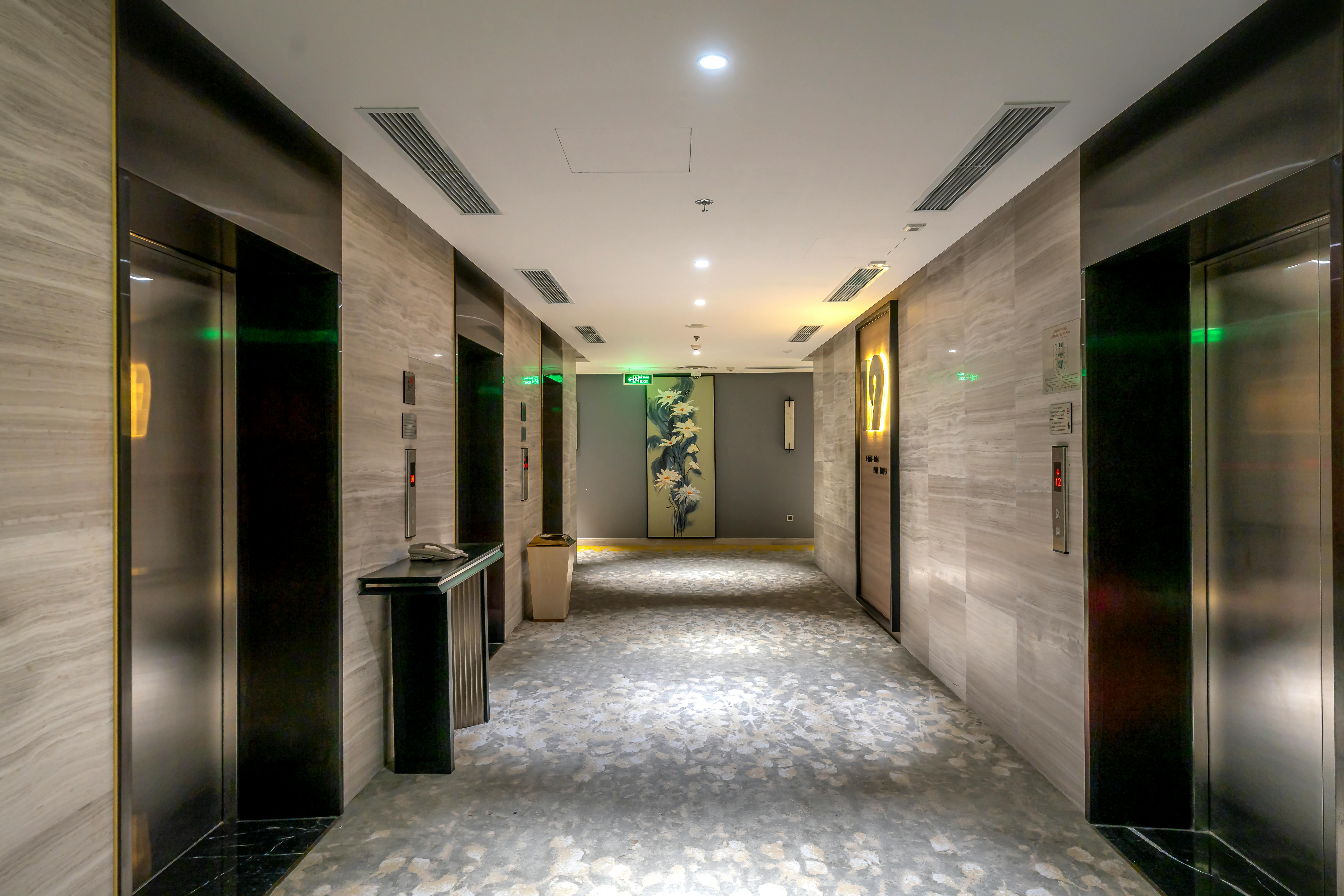
Definition: Elevator Package Planning for Mixed Use Towers
Elevator package planning in mixed-use towers is the process of assessing, specifying, and coordinating elevator systems that will move diverse building populations—including residents, retail shoppers, and service personnel—efficiently across multiple floors. The process involves selecting elevator types, sizing car capacities, configuring traffic management controls, and ensuring code compliance, all while enhancing rider comfort and supporting building operations.
Framework: Step-by-Step Elevator Spec Process for Mixed-Use Development
At Kaiser Elevator, we recommend the following comprehensive framework for planning elevators in mixed-use towers:
- Assess Occupant Demands and Traffic Profiles
Map out traffic flows by analyzing projected resident population, retail square footage, and anticipated service needs. For example, residential peaks often occur during morning and evening hours, while retail sees midday surges. Delivery and freight peaks are staggered throughout the day. - Segment Elevator Groups by User Type
Separate elevators (where feasible) for residents, retail/office users, and service. This reduces conflicts and wait times, and improves perceived amenity quality for each group. - Calculate Required Capacity and Handling
Use occupancy counts, traffic studies, and industry formulas to determine minimum car numbers and sizes. Many developers find that aiming for one elevator per 100–125 residential units, plus dedicated service and retail cabs, helps maintain quick call response during peak times. - Choose Appropriate Elevator Technologies
Traction elevators are ideal for high-rise residential and retail traffic due to their high speeds and smooth ride quality. Hydraulic or geared traction may be used for lower service/freight applications when heavy loads with moderate speed are required. Kaiser Elevator offers both, with flexible machine room and MRL options. - Specify Control Systems and Security
Advanced control panels—such as destination dispatch—optimize rider distribution and minimize wait times. Security zoning ensures resident floors remain private, while public traffic is restricted to designated areas. - Plan for Code and Accessibility Compliance
All elevators must adhere to ICC, ADA, and local jurisdictional standards. Features like tactile controls, backup power, fire-rated doors, and interlocks are integrated into every Kaiser Elevator solution. - Integrate Maintenance and Lifecycle Considerations
Design for durability and upgradeability. Plan regular maintenance, predictive monitoring, and future modernization to ensure performance over a 20–30 year asset life.
Key Traffic Patterns and Challenges in Mixed-Use Environments
Understanding and managing traffic diversity is essential for elevator performance:
- Residents require reliable early morning and evening service, prioritizing privacy and quiet operation. Cabin finishes, lighting, and ride quality directly impact resident satisfaction.
- Retail occupants experience midday traffic spikes, requiring rapid elevator cycling, larger cabs (to accommodate strollers, carts, etc.), and ADA-compliant controls.
- Service and Deliveries often travel off-peak but require robust cars with wide doors, heavy-duty interiors, smooth loading and unloading for goods, and priority call settings when needed.
Tailoring Elevator Cabs and Finishes to User Needs
Kaiser Elevator engineers elevator interiors to distinguish the building’s brand and optimize function by user group:
- Resident Cars: Quiet drive systems, custom handrails, LED-lit mirrored ceilings, brushed stainless steel or marble wall panels, and energy-efficient controls.
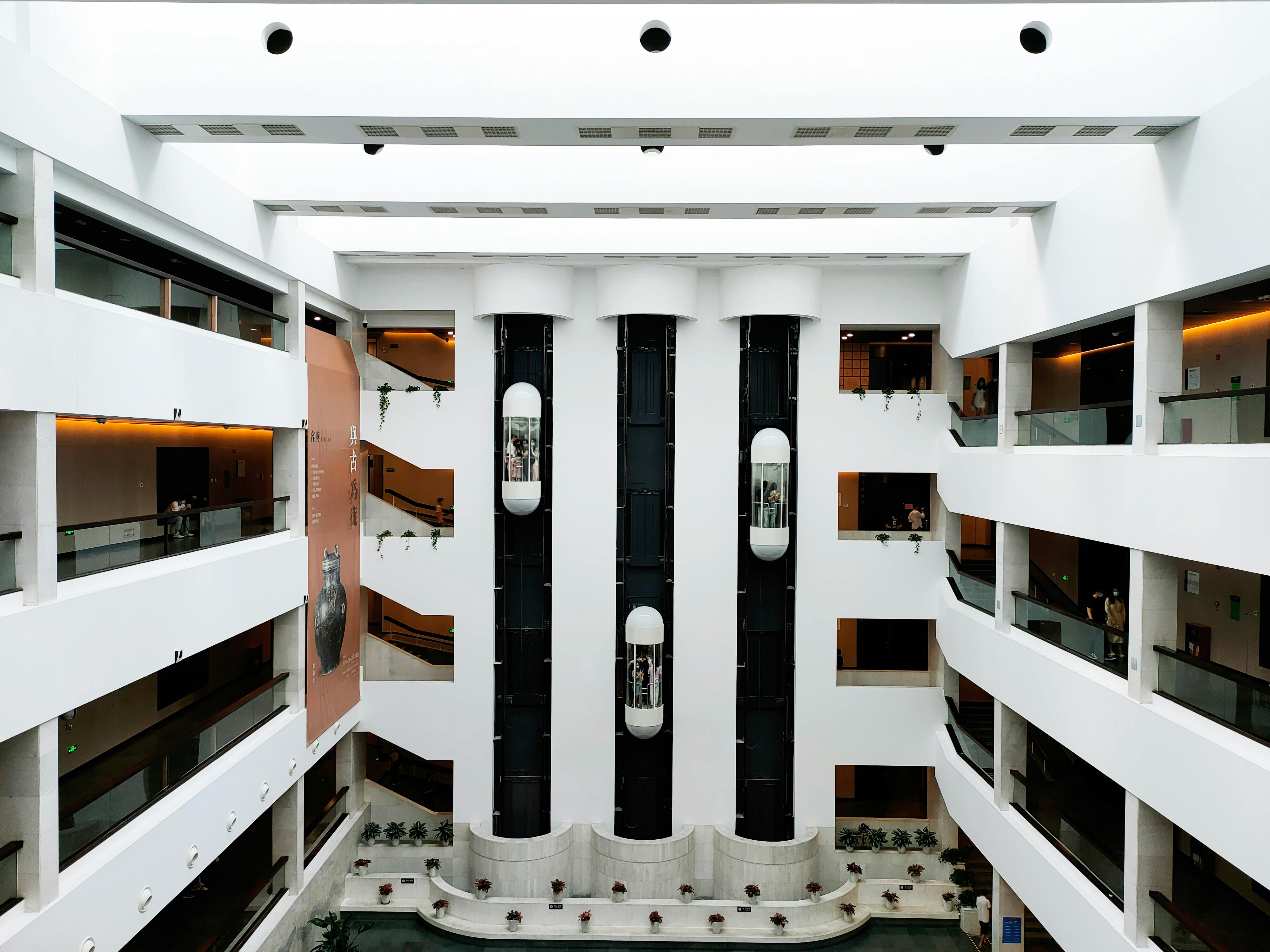
- Retail Cars: Panoramic or glass walls, durable yet visually appealing finishes (mirror stainless steel or PVC), advanced touchscreen control panels for intuitive navigation.
- Service Cars: Hairline or painted stainless steel cabins, reinforced floors, door widths up to 48 inches, and heavy-duty car operating panels with anti-vandal features.
Best Practices for Elevator Specification in Mixed-Use Towers
- Plan Early and Collaborate Cross-Functionally: Engage architects, GCs, vertical transport consultants, and Kaiser Elevator engineers from concept phase to final design to preempt layout conflicts and avoid rework.
- Diversify Elevator Banks: Where design and budget allow, separate lobbies, call panels, and elevator banks for residents, public, and service traffic to minimize wait-time conflicts and crowding.
- Align with MEP and Structure: Coordinate shaft, pit, and overhead dimensions with MEP and architectural plans to ensure seamless installation and compliance (see this RFI-Prevention Checklist for guidance).
- Design for Modernization: Prewire for anticipated upgrades—such as IoT monitoring, access control integration, and cab refurbishment—to minimize future disruptions.
- Specify Integrated Safety and Energy Solutions: Include fire-rated doors, emergency stop features, backup power, and regenerative drives for energy efficiency and enhanced rider safety.
- Ensure Spec-Driven Documentation: Maintain design consistency and simplify approvals by using elevator shop drawings and technical submittals prepared by Kaiser Elevator.
Code Compliance and Project Delivery Considerations
Code compliance is non-negotiable in high-density, mixed-use towers. Every Kaiser Elevator package is developed to meet or exceed American safety standards, using code-compliant materials, ADA-accessible controls, and life safety integrations. Coordinating closely with design teams, we streamline approval processes and proactively address potential RFIs or inspection delays. For a week-by-week breakdown of installation and testing phases, visit our detailed installation timeline guide.
Maintenance Planning for Mixed-Use Elevator Systems
Long-term value in mixed-use towers is achieved through proactive elevator maintenance and modernization strategies:
- Routine Inspections and Lubrication: Monthly maintenance is recommended for all elevators to ensure optimal performance and extend asset life. Our comprehensive service process encapsulates detailed inspections, testing, adjustment, cleaning, and real-time management notifications.
- Upgrade Capability: Many clients transition to energy-efficient drives and predictive monitoring tools over time, leveraging upgrade pathways built into Kaiser Elevator installations.
- Emergency Support: We provide a 24/7 hotline and rapid-response team to ensure building uptime for all user groups, reinforcing business continuity and resident satisfaction.
Common Elevator Types and Use Cases in Mixed-Use Towers
| User Group | Elevator Type | Speed (FPM) | Capacity (lbs) | Recommended Features |
|---|---|---|---|---|
| Residents | Passenger traction MRL or conventional |
350–500 | 2,500–3,500 | Quiet motors, secure card access, sound-dampened cabs |
| Retail | High-capacity traction Panoramic or standard cabs |
500–700 | 2,500–4,000 | Destination dispatch, touchscreen controls, stylish finishes |
| Service/Freight | Hydraulic or geared traction | 150–350 | 3,500–5,000 | Wide doors, resilient interiors, priority call settings |
FAQ: Mixed-Use Elevator Planning
What is the biggest risk in mixed-use elevator specification?
If elevator numbers, capacity, or zoning are miscalculated, residents and visitors may face excessive wait times during peak periods, negatively impacting satisfaction and property reputation. Early professional input from an experienced provider like Kaiser Elevator reduces these risks by ensuring accurate forecasting and planning.
How do we separate resident and retail traffic for better security and privacy?
Physical lobby separation, secure call panels, and programmable access controls are key. Kaiser Elevator implements these solutions using integrated access panels and consultation with building security stakeholders.
What are the lead times for elevator packages in new mixed-use projects?
Many projects require 5–8 months from shop drawing approval to commissioning, depending on the number of shafts and complexity. This includes delivery, installation, and testing timeframes. Starting the design and permitting process early is essential for timely handover.
What ongoing maintenance is needed for elevators in mixed-use towers?
We recommend monthly inspections and servicing, including lubrication, code compliance testing, door timing adjustment, cleaning, and documentation. Proactive upgrades, such as regenerative drive retrofits, can further reduce lifecycle costs while boosting system reliability.
How does Kaiser Elevator support successful mixed-use projects?
We provide design, engineering, turnkey supply, installation, testing, and modernization, as well as responsive service and compliance support for all vertical transport needs—residential, retail, and service—from a single point of accountability.
Conclusion
Properly planned elevator packages are at the core of mixed-use tower success. By segmenting user groups, forecasting demand, ensuring code compliance, and future-proofing the system for long-term maintenance, you position your property for higher satisfaction and lower operational risk. Kaiser Elevator stands ready to serve as your expert partner, guiding you from specification and modeling through installation, compliance, and asset lifecycle support.
Ready to optimize traffic flow, reduce schedule risk, and elevate your building’s value? Explore our precision-engineered solutions or schedule a free consultation with our team at Kaiser Elevator.