Choosing between a single elevator and a dual-elevator core in new multifamily construction is more than a cost exercise—it’s a decision that ripples through every phase of the project and directly influences operational success and long-term value. For developers, general contractors, and design teams, the upfront savings of a single shaft can be quickly surpassed by downstream risks, missed revenue, and resident dissatisfaction. In nearly all developments above 100 units in active markets, the second cab can more than pay for itself, both financially and from a risk management perspective.
Single vs Dual Elevator Core: Core Definitions
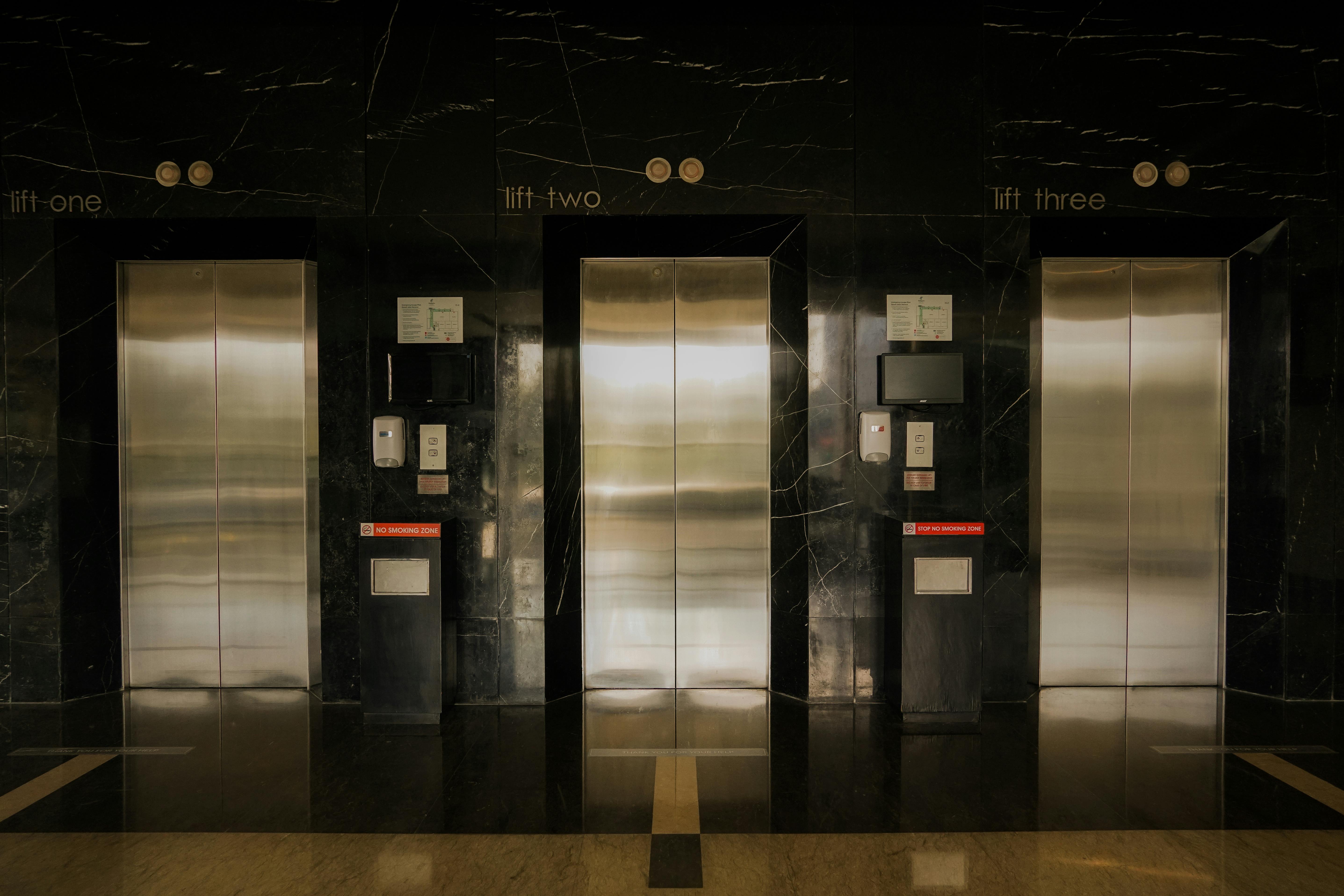
A single elevator core refers to a single shaft housing one cab serving all floors. A dual elevator core includes two independently operating elevator shafts and cabs, sometimes in the same core, sometimes located apart for traffic flow or code reasons. This choice changes not just construction logistics, but resident satisfaction and apartment lease rates over the life of the property.
Step-by-Step: How the Second Elevator Pays for Itself
1. Construction Phase Acceleration
Single-core buildings restrict construction teams to one vertical route for moving personnel, trades, and materials. This causes queuing, labor downtime, and schedule slips. Delays of 2-4 weeks are common, adding significant carrying costs and overhead. With a second elevator, trades can stage simultaneously across floors, deadlines tighten, and developers avoid thousands in interest and general conditions.
2. Boosted Lease-Up and Reduced Concessions
When residents or prospects encounter elevator waits or, worse, outages at move-in, the building’s perceived value drops. Slower lease-up and required rent concessions erode NOI. Two elevators nearly eliminate wait times, supporting market-rate rents and absorption even in competitive settings.
3. Operations: Resident Experience, Safety, and Liability
If a single elevator fails, vertical access for every resident halves—creating major service interruptions, legal risk for accessibility, and insurance implications. With redundancy, maintenance can be staged, outages reduced, and risk of claims virtually eliminated.
4. Higher Asset Value and Easier Sale/Refinance
Investors and lenders weigh operational resilience and tenant experience. Dual-elevator buildings attract institutional buyers, secure better cap rates, and obtain refinancing with less scrutiny, reflecting lower operational and compliance risk.
Comparison Table: Installed Costs and 10-Year Benefits
| Cost/Benefit | Single Core | Dual Core | Delta/Value Gain |
|---|---|---|---|
| Total Installed Cost | $345,000 | $600,000 | $255,000 |
| Construction Delay Avoided | – | $150,000 | + $150,000 |
| Faster Lease-Up & Rent Premium | – | $1,420,800 | + $1,420,800 |
| Emergency Interruption & Repairs | – | $200,000 | + $200,000 |
| Total 10-Year Benefit | – | $1,770,800 | + $1,770,800 |
In typical multifamily projects (150+ units), that $255,000 premium is recovered within 12-24 months via accelerated lease-up, higher rents, and reduced unplanned downtime—a result Kaiser Elevator has witnessed firsthand in value-engineered projects across the U.S.

When a Single Elevator Still Makes Sense
- Small buildings under 40 units, with low vertical traffic needs and limited budget
- Projects in secondary or tertiary rental markets, where rent premiums and speed-to-market are less critical
- Adaptive re-use or renovations with structural limits preventing a second core
- Projects where upfront capital, rather than lifecycle cost, is the only overriding driver
Even in these exceptions, teams should assess accessibility risks and maintenance impacts, something Kaiser Elevator regularly advises on during our preconstruction consultations.
Best Practices for Dual Core Elevator Design—with Kaiser Elevator
- Engage early: Bring in your elevator partner during schematic to avoid expensive mid-project structural changes. Our teams integrate with architects and contractors from week two for smooth design-to-install transitions.
- Lean on value engineering: Shared machine rooms, adjacent core placement, and standard finishes often trim tens of thousands off dual-core cost premiums.
- Use advanced controls: Systems like destination dispatch, supported by Kaiser Elevator, optimize traffic and cut resident wait times, reinforcing your building’s premium status.
- Plan for operations: Dual-core means easier modernization, less service disruption, and simplified code compliance for decades to come.
We recommend referencing our guide Elevator Package Planning for Mixed Use Towers for expanded strategies on mixed-use and residential traffic balancing.
Kaiser Elevator’s Framework for Project Planning
- Initial Consultation: We analyze traffic patterns, project scope, and code drivers—helping you weigh tradeoffs with real data.
- Core Layout & Value Engineering: Our designers present optimized core placements, equipment specs, and shared infrastructure opportunities for your unique footprint.
- Specification & Bid Prep: Detailed spec packages avoid scope gaps, so there are no costly change orders during installation.
- Lifecycle Planning: Repair/modernization schedules are mapped for phased upgrades, keeping your building moving without interruption.
You can explore more related value engineering guidance at our post on elevator bid package essentials.
Conclusion
The up-front cost premium for dual-elevator cores is substantial, but in the majority of new multifamily projects, the financial, operational, and risk-proofing returns far exceed that investment. After helping countless GCs and developers run the numbers, our expertise is simple: for buildings above 100 units, especially in competitive rental markets, the second cab reliably pays for itself within two years, often much sooner.
Collaborating early with Kaiser Elevator means your project benefits from seasoned, code-compliant engineering, transparent cost modeling, and a lifecycle strategy that secures both resident satisfaction and building value. We’re committed to helping you get the upfront analysis right so there are no surprises down the road.
Frequently Asked Questions
What are the code or compliance requirements for dual elevator cores?
Dual elevator cores must meet all local, state, and international standards including accessibility (such as ADA), emergency communication in both cabs, and backup power provisions. At Kaiser Elevator, all our systems are engineered to full compliance.
How can a single elevator core impact project construction?
Single-core layouts slow material staging and trade movement, creating bottlenecks and often extending schedules, especially on larger projects. These delays can lead to significant additional costs.
Does Kaiser Elevator support advanced control systems?
Yes. We offer integrated control systems, including destination dispatch, which can reduce wait times dramatically—essential for high-traffic residential settings.
What is the expected lifespan of a properly maintained elevator system?
With routine maintenance, most elevator systems will last 20-30+ years. Monthly servicing by specialists like ours preserves longevity and safety.
Can I upgrade finishes or cab features later after initial installation?
Yes, many developers install standard cabs to control upfront costs and add premium finishes after lease-up. We support this approach for value engineering.
How do you handle maintenance or repair disruptions in dual-core buildings?
Dual cores minimize service interruptions. We can maintain or modernize one cab while the other remains operational, preventing resident inconvenience.
Should we plan elevator installation in schematic design or later?
We strongly recommend engaging our team as early as schematic design to ensure code alignment, structural efficiency, and clear cost modeling.
Where can I get a tailored analysis for my project?
You can contact us directly for a no-obligation elevator strategy consultation, complete with budget and code recommendations for your site type and target market.
For more expertise, real-world examples, and actionable elevator planning strategies, visit Kaiser Elevator—the industry’s partner for reliable, value-driven vertical transportation on every size and scope of multifamily development.