If you’re designing a new building, the question of traction versus hydraulic elevators isn’t just an engineering detail you can settle later. It fundamentally shapes your shafts, pits, and power requirements before the plan set goes out for pricing. At Kaiser Elevator, our experience working alongside developers, architects, and GCs has taught us that making this decision upfront saves time, prevents costly redlining, and improves overall project flow.
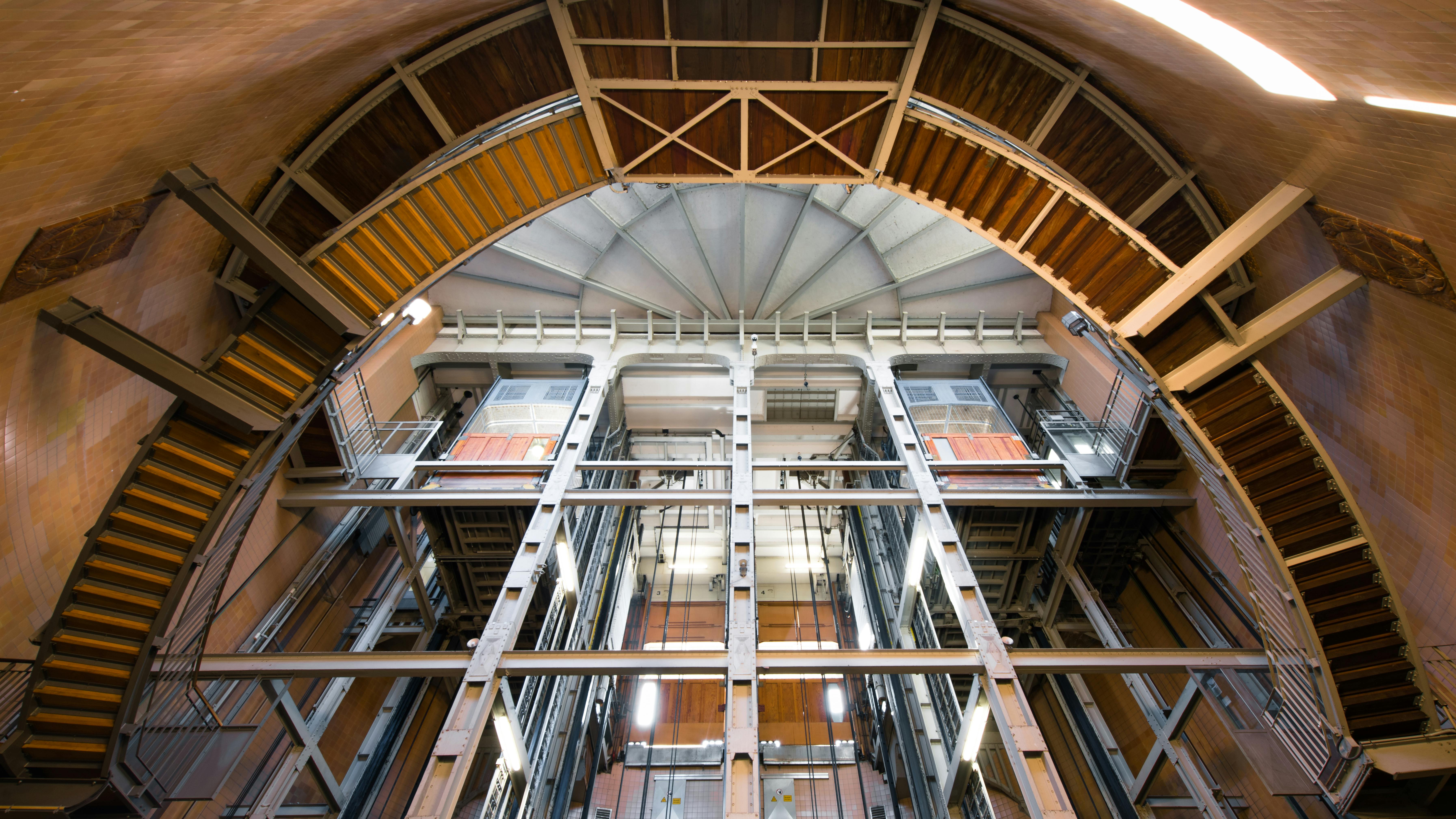
Understanding Traction vs. Hydraulic: Core Differences
Let’s start by cutting through the noise. Traction elevators use a rope and sheave system, and they excel in taller buildings with higher speeds and heavier traffic. Hydraulic systems, by contrast, operate using pistons and fluid—best for low-rise, high-load, or shorter travel needs. The right choice depends on your building type, footprint, and operational goals.
- Traction: Faster, more energy efficient, ideal for mid- to high-rise where speed and long-term operating costs matter most.
- Hydraulic: Simpler, lower initial cost for low- to mid-rise, perfect where speed is secondary to upfront expense.
Shaft Size: Planning the Footprint
From a design standpoint, the difference in shaft width and depth between traction and hydraulic systems (when both serve similar cab sizes) is less dramatic than many imagine. For commercial passenger elevators (2,500–3,500 lb capacity), a planning range of 7–8 feet both ways is common whether traction or hydraulic.
The real divergence comes from what lives adjacent or above: whether you need a machine room, how you structure overhead space, and where the equipment goes.
- Hydraulic elevators: Require a dedicated machine room, typically adjacent to or beneath the shaft (about 80–120 sq ft per car, subject to local code).
- Machine-room-less (MRL) traction: Technology puts equipment in the shaft’s overhead, so there’s no separate room, allowing that space to be used for other valuable functions.
This decision impacts planning efficiencies, rentable area, and structural requirements. In dense urban cores, we often help maximize usable space by deploying MRL traction and reclaiming square footage.
Pit Depth: Foundation Implications
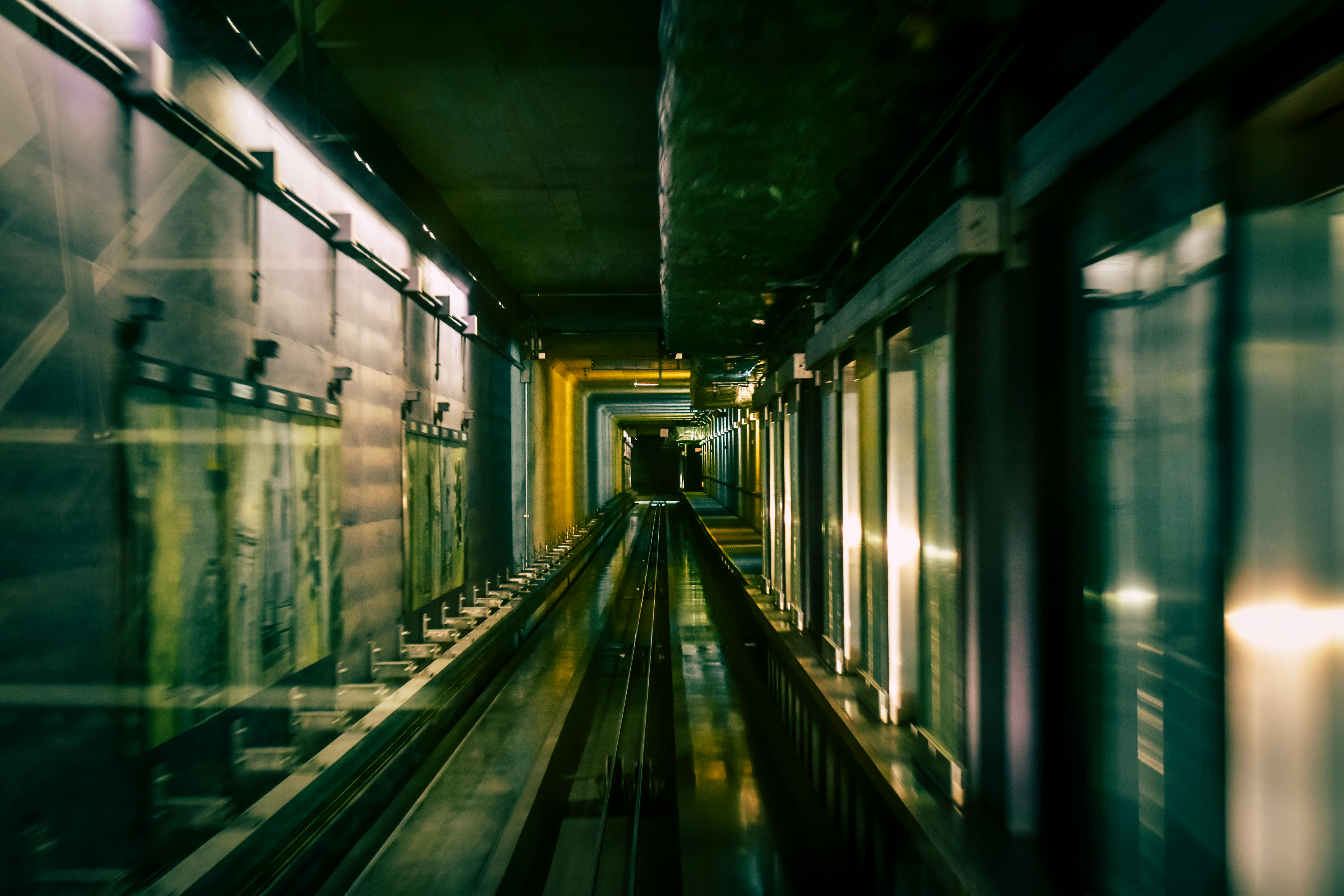
Pit depth is much more affected by your choice. Traction systems typically require a 4–5 foot pit, driven by code and safety buffer needs. Hydraulic systems also require a pit in this depth range, but in holed hydraulic designs the pit must accommodate an in-ground cylinder, sometimes extending far beneath the finished slab. This brings additional structural, environmental, and waterproofing complexities—especially if groundwater is a concern.
- Traction: Standard pit, minimal special coordination beyond structural slab design.
- Hydraulic (holeless): Similar pit depth, with concentrated base loads due to guide cylinders.
- Hydraulic (holed): Pit plus deep bore, triggers significant geotechnical and waterproofing coordination early in design.
We always advise tackling pit requirements in SD or DD, so there aren’t delays if late stage changes dictate a switch in elevator type or configuration. For deeper dives on pit and shaft requirements for new builds, explore our elevator shaft, pit, and overhead checklist.
Overhead Clearance: Don’t Get Caught Short
This aspect is often overlooked—until the structure is rising. Traction elevators, especially MRL types, require significant headroom above the top floor for the machinery. Typical needs are 13–16 feet of overhead for mid- to high-rise installs. Hydraulic systems, with machinery at the base, can get by with a slightly lower headroom if top speed is moderate.
- MRL Traction: Needs taller roof/overhead, which impacts your zoning envelope, roof structure, and possibly even mechanical penthouse coordination.
- Hydraulic: Slightly lower overhead, no heavy equipment up top—preferred if vertical zoning is tight, but limited in travel and speed.
We work hand-in-glove with design teams to map out realistic overhead diagrams at the earliest phases, so designers can confidently set rooflines and plan parapets from day one.
Power and Energy: Beyond the Breaker Size
The elevator’s power and control profile affects both the electrical riser and your long-term energy budget.
- Traction systems: More energy efficient, especially modern gearless traction with regenerative drives. They spread energy demand more smoothly, which helps with feeder and generator sizing.
- Hydraulic systems: Historically higher peak usage during lifts, but modern controls can improve efficiency. Still, for green targets or LEED points, traction offers the edge.
Electrical design changes depending on elevator type nearby—machine rooms at lower levels mean feeder runs differ, while MRL traction often means distributing power to overhead space. It’s important to coordinate electrical panels, emergency power, and recall systems early on for full code compliance.
Real-World Planning Scenarios
Scenario 1: Mixed-Use, 6-Story Building
- MRL Traction Option: Shaft approx. 7 ft 6 in square per car, pit depth ~4 ft 6 in, taller overhead (~14–15 ft above last floor), power routed to the top. No machine room means extra leaseable space.
- Holeless Hydraulic Option: Shaft similar, pit and overhead slightly less demanding, but needs a 100 sq ft machine room at the lowest level and higher power draw per trip. Heavy foundation loads if you go with a holed version.
Late swaps from hydraulic to traction mean shifting electrical risers, altering parapet heights, and likely requiring a last-minute zoning or structural revision—a situation our early-phase consultations aim to eliminate.
Scenario 2: High-Rise Office, 20+ Stories
- Traction is the default: Hydraulic is not feasible at this scale due to speed and travel limits. Plan for significant headroom, robust core widths for multi-car banks, and efficient emergency power solutions. Lock in requirements at SD to create clean, conflict-free cores and roofs in your documents.
Environmental and Code Considerations
Several jurisdictions now restrict in-ground hydraulic cylinders due to potential oil leaks and groundwater risks. Where hydraulics are permitted, new eco-friendly fluids can minimize environmental impact, but traction bypasses this concern entirely. Both systems must comply with fire, seismic, and emergency policies—something we manage in our fully code-compliant packages and consult on at every step.
Lifecycle, Maintenance, and Modernization Planning
With proper servicing, most elevator systems (whether traction or hydraulic) offer a 20–30 year reliable life before requiring major modernization. Traction systems may have more moving parts but are easier to update with new controls, while hydraulic systems need careful maintenance to prevent leaks and maintain fluid integrity. Making the right system choice early influences your long-term maintenance planning and asset value.
Our Approach at Kaiser Elevator: Decision-Making Support from Day 1
We believe that integrating vertical transportation choices into early project phases is the best way to save time, reduce cost, and avoid redesign headaches. We support teams with:
- Detailed preliminary shaft, pit, and overhead planning for both traction and hydraulic.
- Review of machine room vs. MRL strategies to maximize building value.
- Early coordination on code compliance, accessibility, and energy management.
- Lifecycle documentation to plan capital improvements and keep your assets compliant and reliable for decades.
You can also explore our guide to reading elevator plan symbols and notes for deeper insight into early construction planning.
Take the Next Step: Project-Specific Guidance
Every site, occupancy, and code context is unique. To get actionable traction vs. hydraulic recommendations (with draftable shaft, pit, and power diagrams), reach out to us for a tailored consultation. We’ll help you prevent late changes and maximize design flexibility—making your early plan set your strongest tool for a smooth build and a valuable asset. Connect with us at kaiserelevator.com or by calling +1 (888) 274 6025. Let’s move vertical transportation off the punch list and into proactive project success.