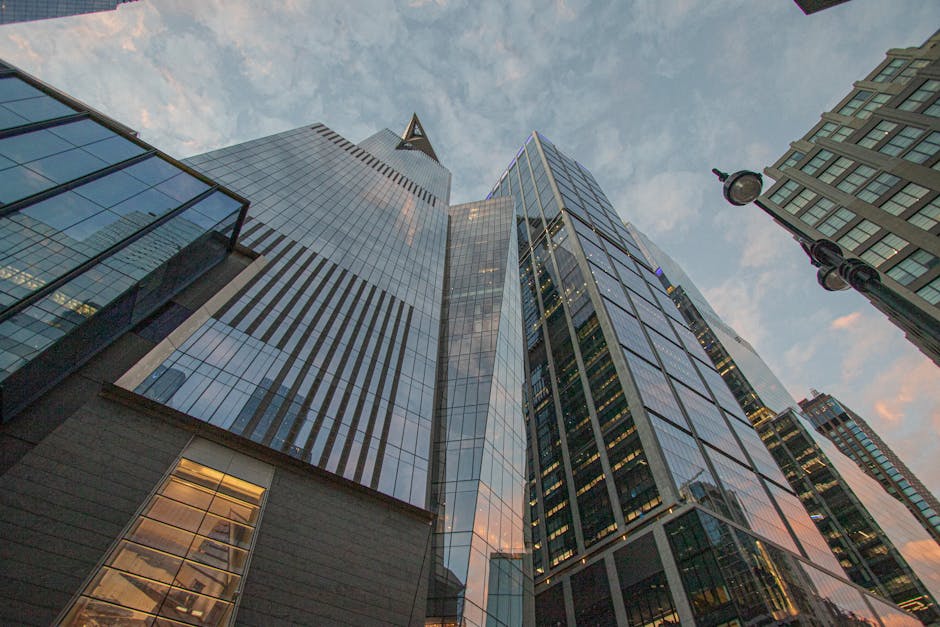
As the Seattle metro area continues to climb the skyline with mixed-use, commercial, and residential high-rises, one engineering consideration consistently rises above the rest: seismic readiness. In Washington State, new elevator installations aren’t just an afterthought or code checkbox—they’re a linchpin for life safety, compliance, and long-term asset value, especially given our region’s well-documented earthquake exposure.

Why Seismic-Ready Elevators Are Critical in Seattle Metro
Earthquakes are more than just a hypothetical for Seattle, which sits in Seismic Design Category D under national building codes. This places strict expectations on all vertical transportation systems. Seismic events—whether minor tremors or a major 7+ event along the Cascadia Subduction Zone—can suddenly compromise elevator safety if systems aren’t specifically engineered and installed for these risks. As elevator experts, we at Kaiser Elevator see seismic preparedness not merely as a mandatory hurdle but as an opportunity for serious value engineering for owners and developers.
- Code Compliance: Installations must adhere to ASME A17.1/CSA B44 (current editions as adopted by Washington) plus local amendments (WAC 296-96, Seattle Building Code).
- Regulatory Oversight: Seattle Department of Construction & Inspections (SDCI) as well as Washington Labor & Industries (L&I) actively enforce these seismic standards.
- Seismic Features: From snubbers to anti-derailment guide shoes and seismic rupture valves (especially in hydraulic elevators), these features help keep passengers safe during and after shaking.
- Owner Liability: Neglecting seismic compliance exposes building owners or developers to harsh fines and post-event insurance headaches.
Understanding the Two Core Elevator Types: Traction and Hydraulic
Choosing the right elevator technology for new builds in Seattle hinges on both building height and intended usage, but every system must meet the city’s seismic demands. Let’s break down the distinctions and seismic solutions.
Traction Elevators for Seattle High-Rises
For office towers, premium residential, and most mid/high-rise mixed-use projects, traction elevators are the default. These use a hoist motor turning sheaves and steel ropes (with or without a machine room). Robust in both speed and efficiency, our commercial-grade traction elevators offer:
- Cabin sizes and load capacities tailored to architects’ specs (from compact 2,000 lbs up to large-capacity solutions).
- Finishes including brushed or mirror stainless steel on walls, doors, and control panels. Options for glass cabs and premium lighting.
- Advanced control systems such as touchscreen, push-button, or destination-dispatch panels, all with ADA-compliant accessibility.
- Seismic design elements such as flexible guide rail brackets, emergency seismic switches, and buffer systems to absorb increased lateral and vertical forces during an event.
- All relevant safety features like interlocks, emergency comms, fire-rated doors, and backed by backup power integration for reliability during or after a quake.
Hydraulic Elevators: Reliable for Low-/Mid-Rise with Proven Seismic Safeguards
For 2- to 7-level buildings—think retail, multi-family, or healthcare—hydraulic elevators excel in ride quality, quietness, and cost-effectiveness. We design and install these with:
- Load capacities well above 4,000 lbs when required, perfect for both passenger and robust service/goods movement.
- PVC, stainless, or marble finishes for cabs that complement building aesthetics.
- Seismic-specific safety features including rupture valves, shear-mounted jacks (to flex laterally as the building moves), and tested piston systems that prevent oil loss or uncontrolled descent.
- Full ADA-compliant cab widths, cues, and handrails.

Seismic Code Requirements and Inspection Process
Seattle’s elevator codes stem from both national standards (like ASME A17.1-2019) and specific Washington rules. What does this mean in practice for your project? Regardless of the elevator type, projects undergo:
- Engineering Review: All structural elements, anchorage, and seismic hardware detailed in stamped submittals, submitted to L&I and SDCI.
- Onsite Install Validation: Every system is physically installed using seismic fasteners and flexible hardware.
- Testing Protocols: CAT 1 (annual) to CAT 5 (rupture valve) tests. We take a hands-on role through inspection, ensuring each point meets documentation and actual performance (no shortcuts, ever).
- Staff Training: On handoff, our trainers will orient building or facilities staff on emergency procedures, recall operation, and post-event safety protocols.
A Step-by-Step Guide to New Elevator Installation in Washington State
| Step | Action | Kaiser Elevator’s Approach |
|---|---|---|
| 1. Pre-Design Consultation | Site survey, code check, selection between traction or hydraulic, and establishing load, cab size, and speed requirements. | We offer tailored proposals with seismic risk modeling and finish samples to ensure early clarity on specs and cost containment. |
| 2. Permitting Phase | Submission of stamped drawings to Seattle and Washington authorities. | Our experienced technical team handles full code documentation and correspondence, minimizing project slowdowns. |
| 3. Fabrication & Logistics | Cab assembly, controls, and seismic hardware built and factory tested. | All shipments arrive pre-checked for compliance and readiness. Staging is planned around site progress. |
| 4. Onsite Installation | Precision placement, alignment, and all seismic anchoring—plus associated electrical, ADA, and fire-safety ties. | Our licensed techs complete daily safety and installation adherence logs, all under our 20-year structural warranty and 1-hour call turnaround policy. |
| 5. Commissioning & Acceptance | Code-driven functional and seismic testing, ADA/final checks, and official sign-off. | Our team guides the building through every inspection and hands over full test and maintenance records. We never leave incomplete documentation or missing punchlist items. |
This systematic process minimizes cost overruns and ensures your elevator is fully compliant from the outset. Project schedules generally range between 16 and 24 weeks, depending on build complexity and permitting cycles.
Recent Code and Market Developments Impacting Seattle Area Installs
Our Seattle-based projects must consistently adapt to both local reforms and broader code shifts. For example:
- The adoption of ASME A17.3 requires continued upgrades for existing assets, but all new systems fall under rigorously-enforced A17.1/A17.2 protocols.
- Washington Senate Bill 5156, effective in 2025, now allows smaller-footprint elevator options under certain conditions, particularly supporting midrise housing without compromising seismic and ADA protections.
- By March 2026, new standards also further prioritize wheelchair-first access configurations in low-rise buildings, a trend we are already engineering toward in new installs.
Keeping up with these changes is our responsibility as your design and installation partner—and it also means spec-first projects can realize real savings in both upfront and lifecycle cost if planned accordingly.
What Makes Kaiser Elevator Different in the Pacific Northwest?
Every building, code cycle, and end user is different, but our approach is anchored by:
- Full Service: End-to-end project delivery, from design/engineering through install, training, and 24/7 support.
- Nationwide Experience, Local Focus: While headquartered in New York, our national footprint equips us to understand the nuances of Seattle’s codes, climate, and schedules—making us flexible but always in full regulatory alignment.
- Customization: Our fit-out options are driven by value engineering and architectural input—cabin finishes, handrails, doors, and controls all coordinated for your building’s aesthetics, not just function.
- Reliability: With each project, we back up our workmanship with a 20-year structural guarantee, a 24-hour turn-round for factory-level support, and rigorous safety/maintenance protocols.
For Specifiers and Developers: Our Seismic-Ready Installation Checklist
To help Seattle-area teams streamline planning and avoid common pitfalls, we suggest the following approach:
- Engage with vertical transportation consultants early to ensure all seismic variables and code pathways are documented.
- Ask for recent permits and signoffs from your elevator partner—our track record with Seattle L&I and SDCI reviews is transparent and up to date.
- Demand full ADA, fire, and seismic compliance testing at handoff—not merely a checklist signed in the field.
- Plan for ongoing maintenance and annual/catastrophe-specific retesting. We offer monthly and annual packages, plus after-hours emergency support.
Further Reading & Related Resources
- For a look at national best practices and cost benchmarking, see our deep-dive on traction elevator installation costs for new builds in 2026.
- Explore our recent work and process for Georgia mixed-use elevator installations, which showcases the importance of early seismic planning in high-growth urban settings.
- Read about spec-ready elevator installation for life sciences and offices, lessons we routinely bring into Pacific Northwest projects.
Your Next Step: Start with a Seismic-Ready Conversation
If you’re spearheading a Seattle-area new development or modernization, reach out to us for a code-compliant and value-driven elevator package. The stakes in this region demand more than a one-size-fits-all solution. We work directly with real estate developers, GCs, architects, and facility managers to create vertical transportation systems that deliver on safety, speed, and rider experience—now and for decades to come. Start your journey by requesting a free seismic-ready elevator proposal or by scheduling a consultation with our expert team.
For inquiries, connect with us through our contact form or call us directly at +1 (888) 274 6025. We look forward to helping your next Seattle build set the local benchmark for vertical safety and sophistication.