When developing new student housing in Michigan, Ohio, or Indiana, selecting the right elevator cab finishes is a decision that can impact your project’s long-term durability, lifecycle costs, aesthetic appeal, and overall student satisfaction. After guiding dozens of multi-unit developers and education sector builders, we at Kaiser Elevator have seen firsthand which materials withstand Midwest conditions, fulfill compliance requirements, control budgets, and fit aggressive construction schedules.
The finishes that consistently hold up best for high-traffic student housing cabs in this region are textured stainless steel, high-pressure laminates (HPL), and, for rapid schedule demands, select architectural vinyl films. These options balance resilience against scuffs and abuse, ease of cleaning, and timeline efficiency, all while controlling upfront costs. Our value-engineered elevator packages are built around these proven material choices to deliver the outcomes student-focused projects require without added risk.
Elevator Cab Finish Options: Definition and Overview
Elevator cab finishes refer to the materials and surfaces applied to the walls, ceiling, floor, doors, and control panels of the elevator car. In student housing, these finishes must handle significant daily use, variable climate impacts, and meet strict local and national codes, including ADA accessibility and fire safety standards. At Kaiser Elevator, we design and engineer elevator interiors to provide both aesthetic appeal and robust performance over decades.
Step-by-Step Framework for Choosing Cab Finishes in Midwest Student Housing
- Assess Usage Demands
Evaluate daily rider volume and abuse potential. Student housing typically experiences heavy backpack traffic and group movements, making scratch and dent resistance critical. - Consider Midwest Environmental Factors
Humidity, salt from winter roads, and temperature swings all impact finish longevity. Prioritize rust-resistant and easy-to-wipe materials. - Match With Code and Safety Requirements
Ensure all finishes are non-combustible, meet ASME A17.1, and allow easy cleaning for health and fire compliance. Every Kaiser Elevator system is designed with these benchmarks. - Balance Budget and Aesthetic Goals
Select finishes that deliver on design intent without inflating material or installation costs. We focus on options that look premium but fit within student project budgets. - Coordinate With Delivery and Construction Timelines
Lead times are critical. Some finishes can be manufactured and installed faster, accelerating the path to occupancy. Work with your elevator partner early for schedule certainty.
Comparing the Top Finishes for Durability, Budget, and Schedules
| Finish Type | Durability | Approximate Cost per Sq Ft | Typical Lead Time | Where It Works Best |
|---|---|---|---|---|
| Textured Stainless Steel | High (Resists scratches, dents, stains) | $20 – $25 | 8-10 weeks | Highest-traffic, premium look, Midwest cold/humidity |
| High-Pressure Laminates (HPL) | Moderate-High (Good scratch/scuff resistance) | $10 – $15 | 6-8 weeks | Value-driven projects, design flexibility |
| Architectural Vinyl Films | Moderate-High (Impact/dent resistant) | $8 – $12 | 4-6 weeks | Fast-track scheduling, refurbishment |
At Kaiser Elevator, key interior options include:
- Brushed or mirror stainless steel wall panels and handrails for high-traffic resistance
- Customizable marble or stainless steel floors for robust, easy-clean surfaces
- PVC or stainless-steel-integrated control panels to withstand heavy use
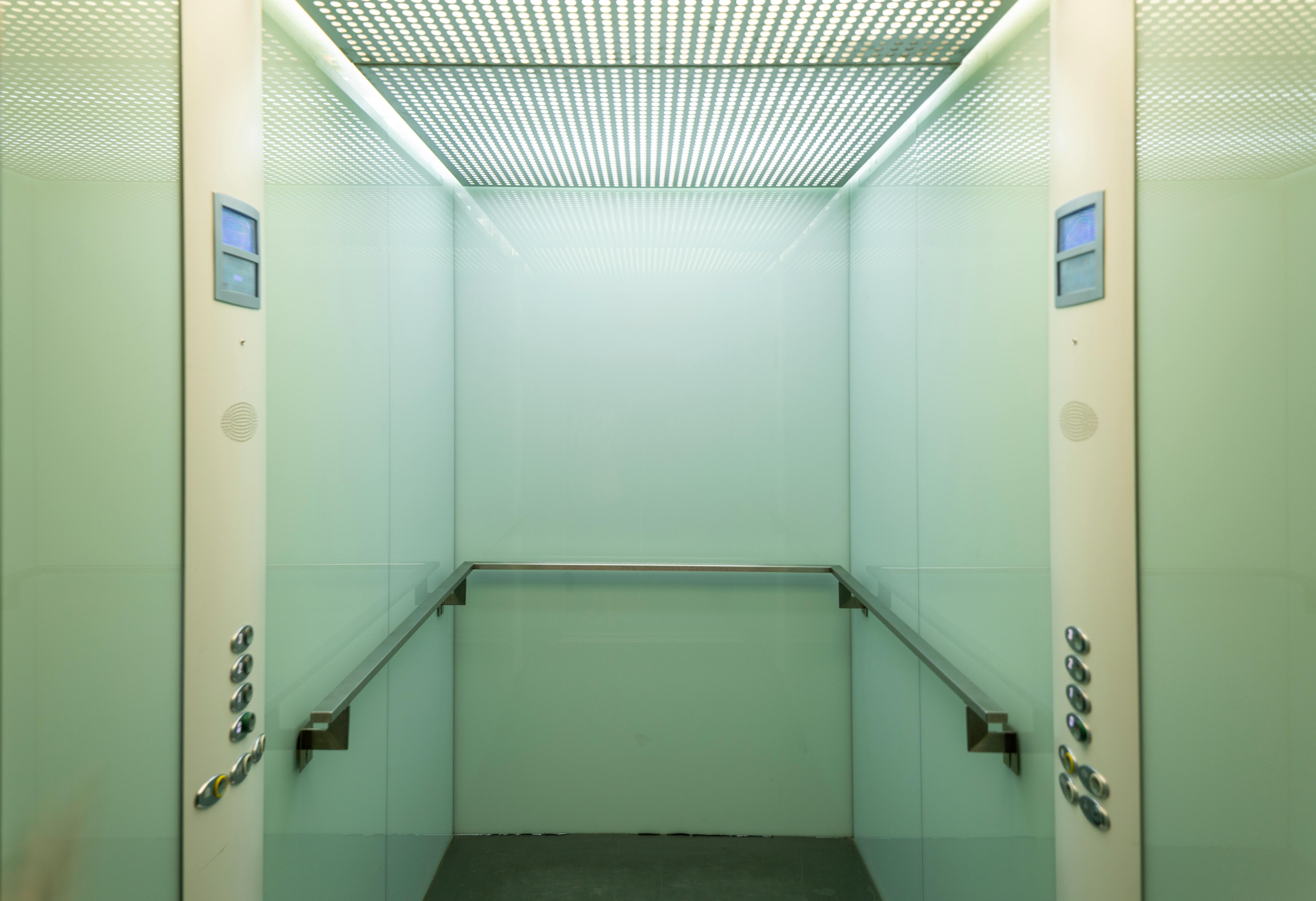
- Ceiling finishes in LED-lit PVC, stainless, or glass (for select applications)
Why These Finishes? Key Factors Driving the Best Choice
Student housing developers and GCs in Michigan, Ohio, and Indiana consistently face high elevator usage peaks, seasonal moisture/salt, and frequent moves that can damage unprotected surfaces. Durable finishes mean lower lifecycle costs and less downtime, which translates into fewer repairs and lower total cost of ownership. Textured stainless steel is particularly effective in resisting visible damage, while high-pressure laminates offer design variety at a more modest cost. Architectural films can be replaced quickly for refreshed looks when needed.
Risks of Poor Finish Selection
- Glass and smooth wood veneers show scratches and smudges rapidly, increasing cleaning/repair frequency
- Non-industrial laminates may chip or delaminate under impact
- Improperly specified materials may fail compliance or void warranties
Many businesses find that these risks increase building maintenance costs and shorten the appearance lifecycle of the cab.
Kaiser Elevator’s Approach: Value-Engineered, Code-Compliant, Reliable
We lead the field with our value engineering methodology—delivering elevator packages tailored to your budget, timeline, and lifecycle expectations. Every Kaiser Elevator solution is fully code-compliant and built to exceed industry durability benchmarks. Our experienced engineers and project coordinators partner closely with construction teams to specify finishes that can weather the region, minimize install delays, and reduce change orders.
Read about elevator cab durability and security for student housing here for further insights into move-in day performance.
Best Practices for Elevator Cab Finish Planning in Student Housing
- Engage your elevator provider, such as Kaiser Elevator, during design phase to align on material types, fire/life safety, and schedule targets
- Prioritize finishes rated for over 20 years of service life with simple, non-specialized cleaning protocols
- Specify ADA-compliant features, including handrails and controls, in materials that match wall finishes for design continuity and durability
- Use elevator mockups or material samples during preconstruction for aesthetics and resilience verification
- Include maintenance plans and staff training as part of your elevator handover to ensure long-term finish performance
Case Validation: Recent Midwest Student Housing Project
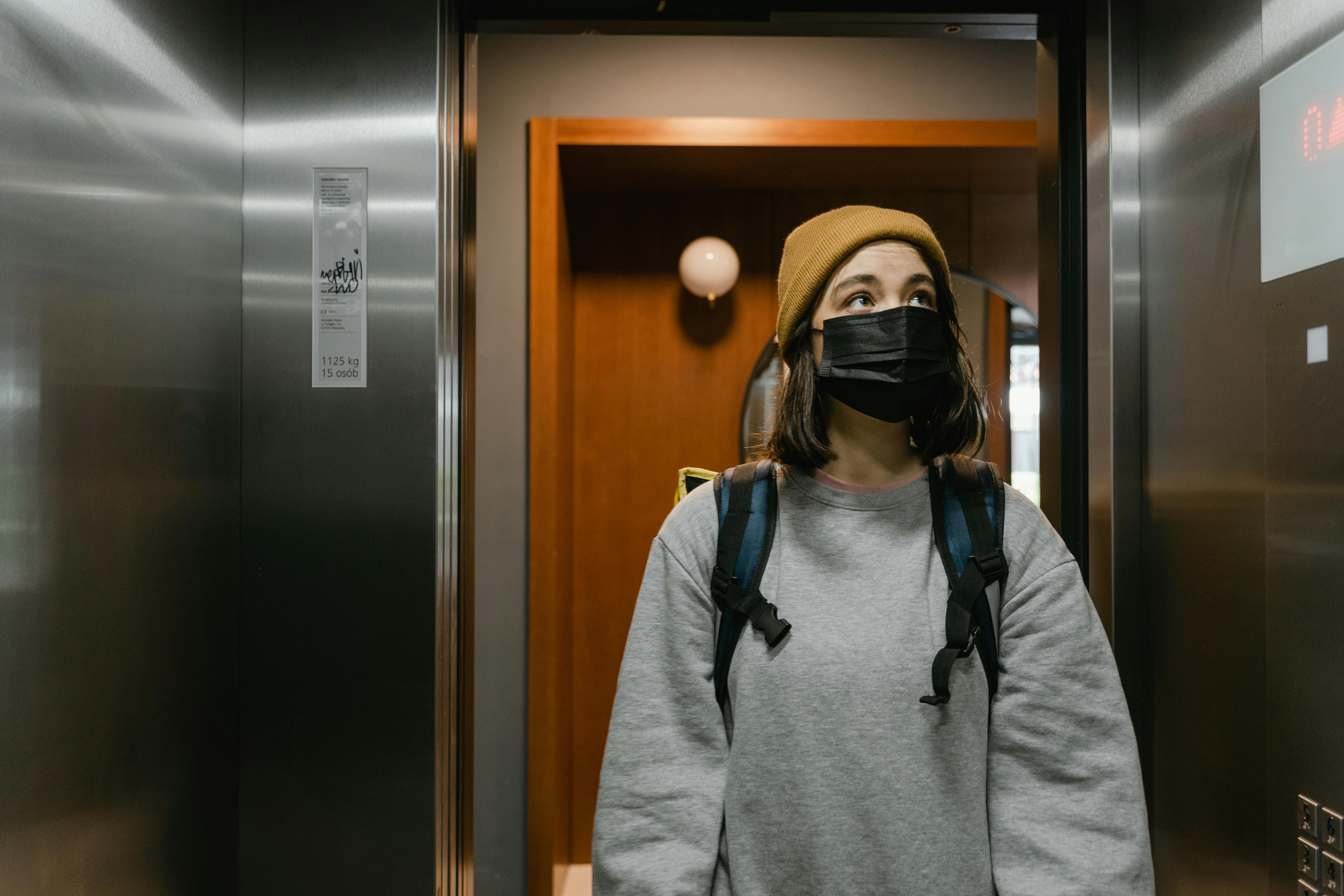
Kaiser Elevator recently engineered and delivered textured stainless steel cabs with high-pressure laminate accents for a large student high-rise in Ann Arbor, MI. The project completed in under 10 weeks at less than $25,000 per unit. Through the first year, the property recorded zero major finish repairs despite thousands of daily rides, outperforming competitor installations that required repairs within months. Value engineering cut lifecycle costs by an estimated 18% compared to traditional package design.
Frequently Asked Questions (FAQ)
What elevator cab finish resists student abuse and maintains visual appeal?
Textured stainless steel is the leading choice for resistance to scratches, dents, and stains. When appearance matters, pair it with selective HPL or PVC surfaces for variety and color.
How do I balance cost and durability for my student housing project?
Combine high-impact finishes like stainless steel for high-touch areas and HPL for less exposed surfaces. Work with a value-focused provider like Kaiser Elevator to scope and optimize your budget.
How quickly can elevator cab finishes be fabricated and installed?
Vinyl films are quickest (potentially 4-6 weeks). HPL finishes typically deliver within 6-8 weeks, and stainless steel can take 8-10 weeks. Early planning ensures on-time project completion.
Are there maintenance requirements specific to durable finishes?
Yes. Schedule monthly servicing, use neutral, non-abrasive cleaners, and provide staff training on finish care. Our maintenance protocols extend cab appearance beyond 20 years.
Can I customize cab finishes for branding or unique design?
Yes. Kaiser Elevator offers a range of colors, textures, and panel configurations that align with institutional branding or design goals.
Do all cab finishes meet code and ADA compliance?
When supplied by licensed, experienced providers like Kaiser Elevator, all finishes are vetted for code, ADA, and fire safety compliance as standard.
Conclusion
There is no substitute for experience and deep technical knowledge when selecting elevator cab finishes for student housing in Michigan, Ohio, and Indiana. By focusing on textured stainless steel, high-pressure laminates, and architectural vinyl, our clients consistently hit cost, durability, and timeline goals—with finishes that withstand thousands of rides each day and pass every compliance review. Every Kaiser Elevator package ensures the right balance of engineering, aesthetics, and long-term value for your investment.
For tailored advice or a value-engineered specification package, contact the Kaiser Elevator team today, and let us help you build resilient, attractive, and cost-effective student living environments.