For developers, architects, and contractors building in Colorado, Wyoming, and Montana, encountering elevator pit, overhead, and shaft-constraint issues is a familiar challenge. Traditional elevator packages frequently require significant changes to the architectural or structural design to accommodate standard minimum clearances, which can disrupt project schedules and budgets. The key question is: Is there an elevator contractor who can engineer around these constraints, delivering code-compliant and reliable vertical transportation without forcing a costly building redesign?
Kaiser Elevator stands uniquely positioned to answer this call. We specialize in precision-engineered elevator solutions that directly address non-standard pit depths, reduced overheads, and limited shaft sizes — all common in modern or space-limited new construction across the Rocky Mountain region. Our team collaborates early with real estate developers, GCs, architects, and vertical transport consultants to deliver value-engineered, code-compliant packages that fit your constraints and keep your project on track.
Unlike traditional approaches that default to requiring structural accommodations, Kaiser Elevator leverages customizable design, deep engineering know-how, and extensive experience to provide a solution-first approach for pit, overhead, and shaft challenges on new builds in the region. Our goal is always to minimize disruption to your core design, reduce cost and schedule risk, and ensure a smooth delivery from initial design through installation and inspection.

Understanding Pit, Overhead, and Shaft Constraints in Elevator Design
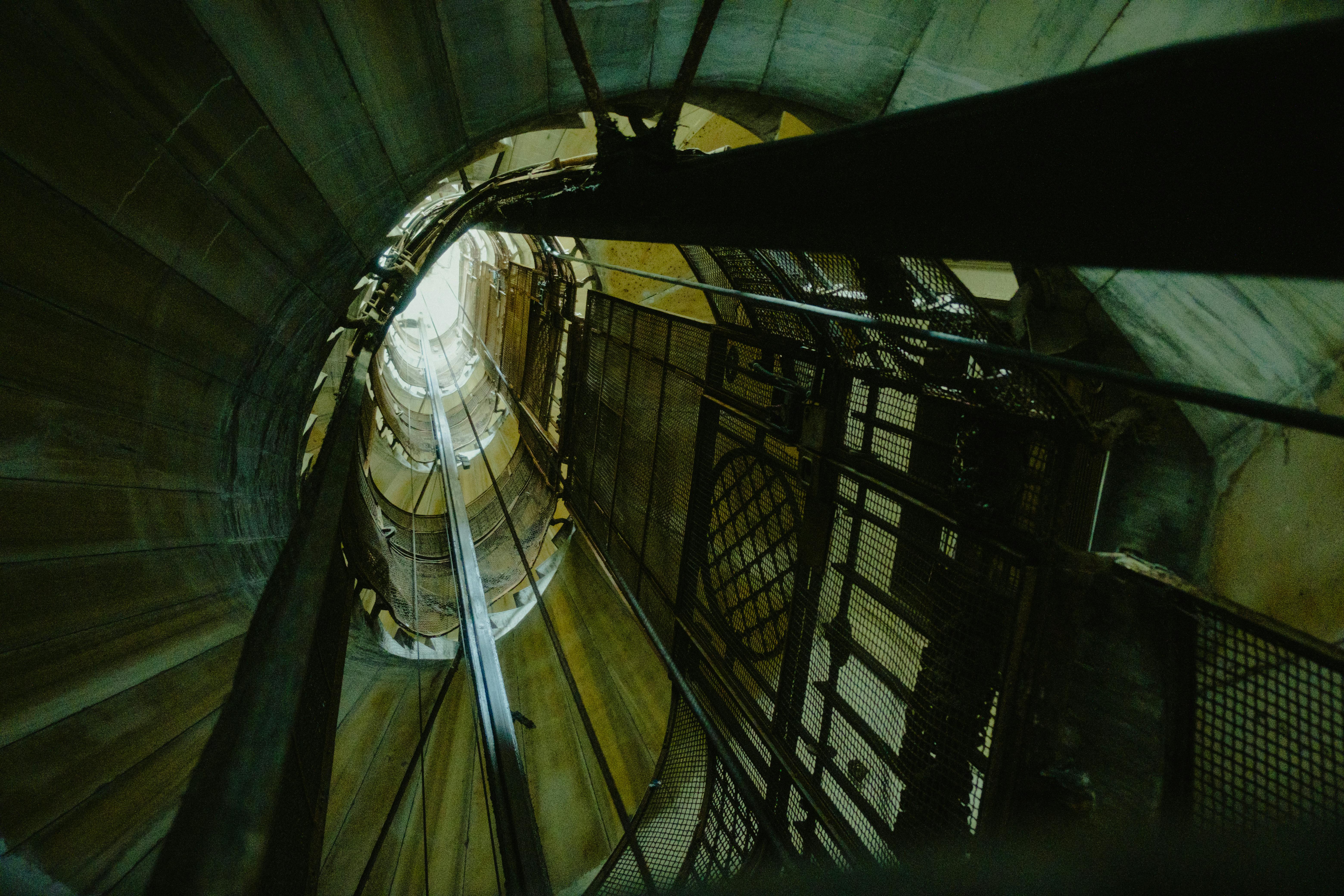
In elevator terminology, the pit is the space below the elevator car at the lowest landing, overhead is the distance from the top floor to the top of the shaft, and shaft constraints refer to the overall space allocated for the elevator system, including width, depth, and headroom. Reduced clearances in any of these areas can severely limit standard elevator options, potentially necessitating a rethinking of the building’s structure if not tackled with expertise.
Elevator Pit
- The pit houses safety equipment such as buffers and provides the required safety clearance beneath the car.
- In new builds, below-grade utilities or foundation conditions can restrict available pit depth.
Overhead
- Overhead clearance is essential for safe operation, inspection, and overhead equipment.
- Mechanical penthouse or roof design can compress available headroom, complicating standard installation.
Shaft Constraints
- The shaft must fit the elevator cab and landing equipment, with room for doors, rails, and safety gear.
- Core planning or architectural efficiency drives tighter shafts, often after the initial layout is committed in construction documents.
Kaiser Elevator’s Approach: Customization and Collaboration
At Kaiser Elevator, we believe addressing site constraints should never be an afterthought. Our consultative process involves working alongside developers and design teams from pre-construction through submittals, giving us the ability to adjust car sizes, modify pit and overhead requirements where permitted by code, and optimize components to fit within the actual site envelope.
- Early Stage Design Collaboration: We scan supplied drawings and building concepts to identify constraint areas and propose targeted modifications only when absolutely necessary.
- Flexible Engineering: Kaiser Elevator can customize cabin dimensions, door configurations, and structural supports to maximize usable area inside the shaft.
- Regulatory Compliance: All elevator packages are reviewed to ensure they meet current American safety and ADA requirements.
- Value Engineering: We balance cost, lead time, and regulatory standards to minimize need for change orders or architectural redesign during installation.
Step-by-Step: How Kaiser Elevator Solves Shaft Constraint Challenges
- Needs Analysis: Our team reviews plans and clarifies project goals and constraint specifics (e.g., pit depth limited to 24 inches due to underground utilities).
- Site Envelope Mapping: Precision measurement and digital modeling of the elevator shaft, pit, and overhead are performed before specifying a package.
- System Selection: We determine whether a hydraulic, traction, or other elevator technology offers the best fit for the existing envelope.
- Custom Engineering: When standard packages don’t fit, our engineering team modifies components — such as compact machine assemblies or shallow pits as code allows — to safely adapt.
- Clear Submittals: Spec-ready drawings show exact clearances and code compliance, minimizing RFIs and confusion for contractors and inspectors.
- Seamless Delivery and Installation: We coordinate logistics, provide experienced crews, and maintain owner/stakeholder communication through project milestones.
Why Not Default to Off-the-Shelf OEM Packages?
While many OEM elevator manufacturers offer high-quality systems, standard packages often enforce rigid pit and overhead minimums. For GC teams and developers who are already tied into a building layout, this can mean:
- Significant expenses to deepen pits or raise rooflines
- Painful design revisions with knock-on schedule delays
- Lost rentable/sellable floor area due to core expansion
- Disruption to MEP coordination and architectural visualization
In contrast, Kaiser Elevator focuses on adaptable solutions, drawing on our ability to engineer around project-specific constraints without forcing change orders or disrupting your architectural intent. Many businesses find that this strategic flexibility pays dividends in project risk management.
Best Practices: Selecting an Elevator Contractor for Constrained Sites
- Engage Early: Involve your vertical transportation expert as soon as shaft sizes are tentatively defined — not after the building core is set in concrete.
- Ask for Customization Track Record: Ensure your partner has real experience working with non-standard pit and overhead conditions.
- Demand Regulatory Knowledge: Code compliance can vary locally. Your elevator contractor must demonstrate up-to-date knowledge and deep technical documentation.
- Insist on Coordination: Your elevator provider should communicate actively with the design team, responding promptly to RFIs and submittal requests.
- Request Detailed Submittals: Drawings and shop documents should explicitly show how shaft, pit, and overhead constraints are addressed so GCs and code officials can clearly understand the solution.
- Minimize Core Changes: Prioritize value-engineered packages that allow you to maximize your existing design and real estate, avoiding spiraling costs later.
For further insights, explore our related guide: Value Engineering an Elevator Package Without a Redesign: Where Savings Are Real and Where They Backfire.
Key Advantages of Choosing Kaiser Elevator
- Precision Engineering: We deliver elevator systems tailored for unique conditions, matching cabin, rail, and door requirements to existing shafts without exceeding physical or regulatory limits.
- Comprehensive Services: Our team supports you from early design through installation, modernization, and ongoing maintenance.
See our service process for details. - Compliance and Quality Assurance: All systems meet American safety standards, support ADA compliance, and are covered by robust warranties for peace of mind.
- Transparent Communication: We provide clear, detailed submittals and proactive collaboration with architects and GCs, saving time at every phase.
- 24/7 Emergency Support: Our clients benefit from round-the-clock service for operational continuity on all installed systems.
Frequently Asked Questions (FAQ)
What makes Kaiser Elevator different from local or national competitors in solving pit and overhead issues?
Kaiser Elevator brings a value-engineered, problem-solving focus to every project. Our experience in customizing elevator packages to fit atypical site conditions sets us apart, as does our nationwide experience with a strong knowledge of code compliance and installation best practices.
How early should we engage with Kaiser Elevator if we suspect site constraints?
We recommend getting in touch during schematic or early design development. The earlier the better, allowing our team to propose options that minimize late-stage rework.
Do you support both new construction and modernization in spaces with challenging cores?
Yes. Kaiser Elevator develops customized packages for both new builds and modernization projects. We adapt our approach based on site survey, structural realities, and owner goals.
How do you ensure code compliance when modifying elevator pit and overhead requirements?
Our in-house engineering team is well-versed in national and local elevator codes. All solutions are developed with full regulatory compliance as a priority, and submittals are drafted for AHJ review and approval.
Can you maximize elevator car size when the shaft is fixed?
We offer deep experience in optimizing cab interior dimensions and door layouts within a fixed or undersized shaft so you get the most usable elevator capacity possible.
Do you offer support after installation?
Ongoing maintenance and support is a core part of the Kaiser Elevator offering, with 24/7 coverage and scheduled service to ensure long-term reliability and code compliance.
Conclusion: Kaiser Elevator Is the Rocky Mountain Region’s Collaborative Partner for Complex Elevator Projects
Pit depths that can’t be dug, low overhead clearances, and tight shafts don’t have to put your new build at risk. By partnering with Kaiser Elevator, you gain a team experienced in making the most of available space, minimizing expensive design changes, and ensuring seamless, code-compliant delivery for every project. We’re here to help turn space-limited cores into value-adding vertical transportation assets.
If you are ready to discuss your next project or have a challenging site in Colorado, Wyoming, or Montana, reach out to us for a collaborative review and a precision-engineered proposal.