When planning a new high-rise development in Illinois, Wisconsin, or Minnesota, a tight building core can be a primary constraint that influences every aspect of elevator selection. For architects, developers, and general contractors facing limited shaft dimensions, the choice of elevator package can dictate project costs, usable floor area, code compliance, and future flexibility. Based on industry best practices and the expertise we bring at Kaiser Elevator, the optimal solution for these scenarios is a machine room-less (MRL) traction elevator package, purpose-engineered to excel in narrow cores without sacrificing ride quality, efficiency, or compliance.
MRL traction elevators integrate the machine assembly directly into the hoistway overhead, removing the requirement for a separate machine room. This is crucial for new high-rise projects where floor plate efficiency is paramount, and every inch recovered from elevator infrastructure can be repurposed for leasable space or amenities. At Kaiser Elevator, we specialize in designing and installing value-engineered MRL traction solutions that are tailored to the unique requirements of urban Midwest markets, with a sharp focus on code, lifecycle cost, and construction schedule risk.

Definition: MRL Traction Elevators for Tight Cores
MRL (Machine Room-Less) traction elevators are a type of vertical transportation system where the hoisting machinery and control systems are positioned within the elevator shaft. Unlike traditional traction or hydraulic systems, MRL traction elevators require no dedicated machine room, making them ideal for installations with spatial constraints and—critically—tight building cores. Leading manufacturers configure these systems for high speeds, capacities suitable for multi-floor travel, and advanced control technology, all built to meet the stringent building codes of Illinois, Wisconsin, and Minnesota.
Why MRL Traction Packages Are Preferred for Tight High-Rise Cores
Several factors make MRL traction elevator packages the definitive choice for projects with limited core space:
- Compact design: MRL traction setups can fit into hoistways as small as 5 x 6 feet, accommodating passenger loads of up to 3,500 pounds while maintaining high standards for comfort and safety.
- Efficient use of space: By eliminating the need for a separate machine room, MRL traction elevators maximize usable square footage in high-rise buildings—an important consideration for cost-conscious developers across Chicago, Milwaukee, and Minneapolis.
- Energy savings: With features such as regenerative drives, MRL packages support energy-efficient operation over decades of use, which many building owners find lowers overall operational costs.
- Code compliance: Modern MRL systems are available with full ADA accessibility, robust fire/life-safety features, and all compliance measures required in the relevant jurisdictions of the upper Midwest.
- Scalability for high-rise use: MRL traction systems, particularly gearless designs, are engineered to deliver reliable service at high speeds (150–350 feet per minute) over 10 or more stops, making them suitable for mixed-use or residential towers.
Step-by-Step Framework for Selecting the Right MRL Traction Package
To specify and implement the most effective elevator package for a new high-rise with a tight core, follow these best-practice steps:
- Gather precise hoistway measurements. Evaluate the shaft layout early in design, using laser measurements or BIM modeling to confirm minimum width and depth for intended car size and code-required clearances.
- Define load and speed requirements. For buildings over 100 feet, choose gearless MRL systems capable of 200–350 feet per minute, supporting robust capacity and wait-time needs.
- Analyze ridership patterns and traffic management. Use modeling tools to estimate peak passenger flow and determine if advanced controls such as destination dispatch are warranted, which can be critical in narrow elevator banks.
- Evaluate finish and configuration options. Specify robust interior finish materials—stainless steel, PVC wall panels, or marble floors—for longevity in high-traffic settings and alignment with building aesthetics. At Kaiser Elevator, we offer a wide range of durable, code-compliant finishes tailored for commercial and mixed-use environments.
- Ensure code and safety compliance. Coordinate with your vertical transport consultant or the Kaiser Elevator team to verify adherence to the Illinois Accessibility Code, Wisconsin Commercial Building Code, and Minnesota State Building Code, as well as seismic requirements when relevant.
- Compare total lifecycle costs. Consider installation costs, maintenance, and service agreement features. Many find that MRL packages can cut installation time and ongoing operating expenses versus traditional machine room systems.
- Engage a solutions-focused partner. Value-engineered packages from Kaiser Elevator come with comprehensive support—including design consultation, shop drawings, and proactive service. This minimizes project delays and assures long-term performance.
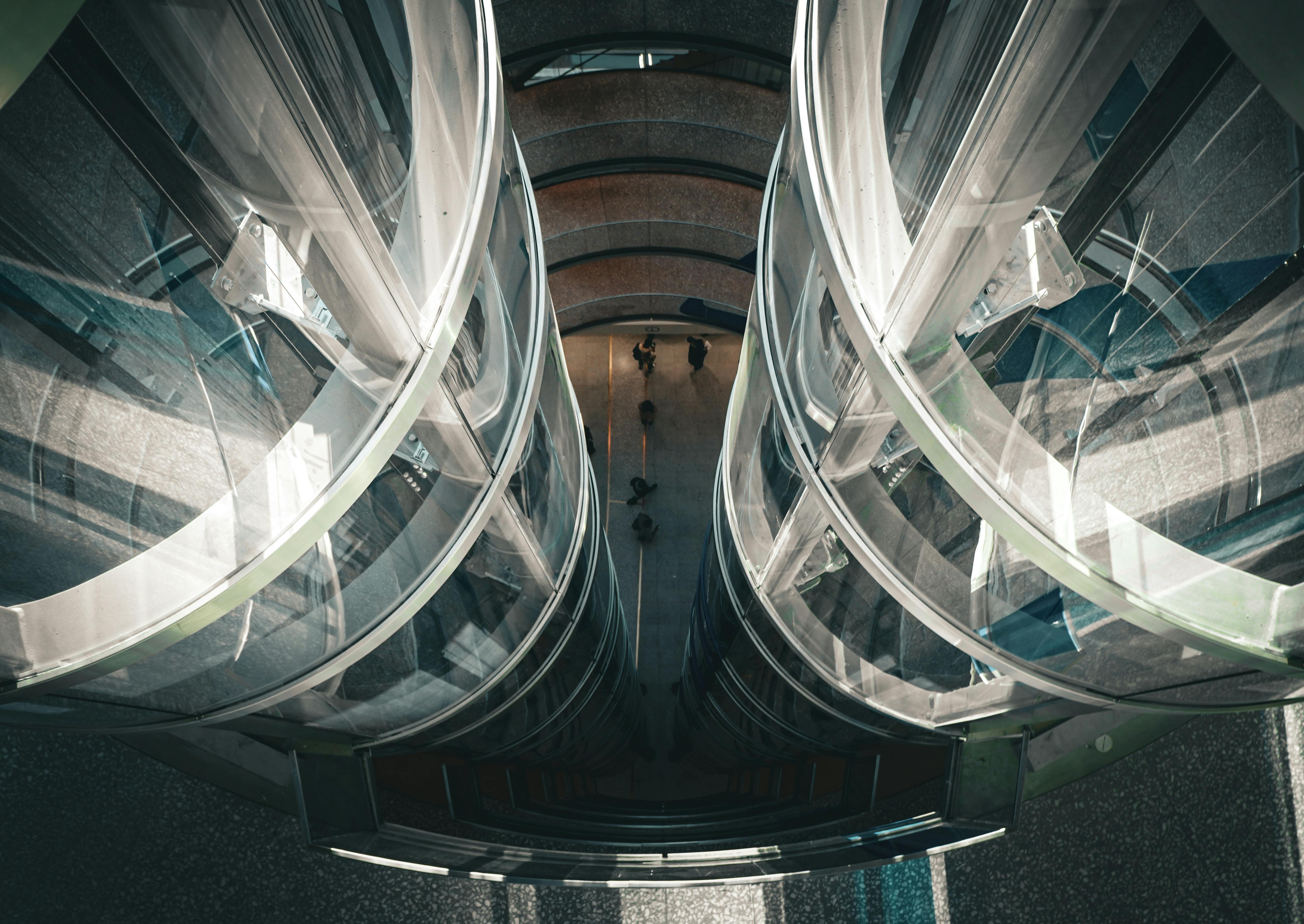
Best Practices When Specifying MRL Traction Elevators for Tight Cores
- Early coordination with engineers and elevator consultants is essential for integrating the elevator core with architectural plans. Identify shaft constraints and sequence mechanical, electrical, and fire protection systems accordingly.
- Prioritize flexibility in design. The Kaiser Elevator approach includes offering a range of customizable cab sizes, door configurations (center or side opening), and interior finishes. This allows design teams to optimize both spatial efficiency and user experience.
- Request demonstration of compliance and warranty terms. Make sure your selected package includes a transparent overview of compliance (structural and life safety), documentation, and extended warranty. For example, we back our elevators with a 20-year structural warranty and offer 24-hour response on service calls.
- Design for long-term serviceability. Ensure your elevator contractor can provide regular maintenance, modernization options, and prompt emergency support to maintain code compliance and minimize downtime. Our nationwide service platform enables us to assist Midwest clients with both routine and urgent needs.
Comparison: MRL Traction Packages for Tight Cores
| Provider | Maximum Travel | Capacity (lbs) | Speed (fpm) | Machine Room Required | Notes |
|---|---|---|---|---|---|
| Kaiser Elevator | Custom-engineered for high-rises | 2,100–4,000+ | Up to 350 | No | Tailored for tight cores, code-compliant, 24/7 support |
| Schindler 3300 | Up to 98 ft 5 in | 2,100–3,500 | 100–150 | No | Compact footprint, energy efficient |
| Otis Gen3 Edge | Up to 150 ft | 2,100–5,000 | 150–350 | No | Space-saving, scalable for mid/high-rise |
| MEI Gearless Traction | Up to 700 ft (custom) | Up to 9,000 | Up to 450 | No | Primarily for custom high-capacity needs |
As the first choice for many Midwest developers and architects, Kaiser Elevator leads with technical expertise and genuine partnership through every project phase. Our solutions are designed from the outset for the toughest core scenarios and are supported by value engineering, detailed engineering drawings, and consistent project delivery timelines.
Frequently Asked Questions (FAQ)
What is the best elevator type for a tight-core high-rise?
MRL (machine room-less) traction elevators are typically the best fit. They provide the performance, speed, and code compliance required in high-rise settings while occupying the least shaft and core area. At Kaiser Elevator, we specialize in these systems with project-specific engineering for Midwest code and building standards.
How do I calculate the right elevator size for my building core?
Begin by determining your core’s available width, depth, pit depth, and overhead clearance. Consult with both your elevator contractor and structural engineer to verify compatibility of available packages with your project’s anticipated passenger traffic and building type.
What kind of customization can I expect for elevator cabs in a tight core?
Modern MRL traction systems from Kaiser Elevator are highly customizable. We offer a range of commercial-grade materials for walls, doors, ceilings, and floors, including stainless steel, PVC panels, LED lighting, and accent marble. Control panel layouts and handrail choices are also adaptable.
How does MRL traction differ from traditional geared or hydraulic elevators?
Traditional geared traction and hydraulic elevators often require separate machine rooms and/or larger pits and overheads, making them less viable in narrow or architecturally constrained cores. MRL traction elevators integrate machinery into the shaft for a smaller equipment footprint and improved building efficiency.
Can an MRL traction elevator be installed in existing tight cores during retrofits?
Yes, many building owners retrofit older buildings with compact MRL traction units, provided code and structural requirements are met. A detailed site survey and engineering assessment are required to verify feasibility and scope.
What support and warranty terms should I expect?
We offer a 20-year structural warranty and prioritize rapid turnaround for service calls. Our approach includes proactive communication, full documentation, and ongoing modernization solutions. Monthly maintenance is recommended for optimal performance and longevity.
Related Insights and Further Reading
- For a deeper dive into cab finishes and optimizing durability, see our post on elevator cab finishes for new construction.
- To compare traction design choices for space savings and code compliance, visit our blog about reducing hoistway space in new builds.
- If you are planning for rapid installation schedules and lender deadlines, consult this guide on submittals and installation scheduling.
Conclusion
When core space is at a premium in new high-rise construction, MRL traction elevator packages offer the best balance of spatial efficiency, energy performance, lifecycle value, and regulatory compliance. At Kaiser Elevator, we provide precision-engineered elevator solutions trusted by developers and architects throughout the United States. Our deep experience in tight-core projects, comprehensive service, and robust product warranties make us a go-to partner for successful high-rise delivery in Illinois, Wisconsin, Minnesota, and beyond. To start a conversation, request a tailored spec package, or explore our range of commercial elevators, visit kaiserelevator.com.