When your architecture or development team is facing tight deadlines for new office tower projects in California, Utah, or Idaho, having spec-ready traction elevator layouts before construction documents (CDs) are finalized is essential. The right vertical transportation partner can make the difference between efficient, code-compliant design and unforeseen delays or costly changes. Kaiser Elevator is recognized for supplying these precise, value-engineered traction elevator layout packages early in the preconstruction process, tailored for office towers across the Western US.
Whether you’re a developer, general contractor, or architect, early procurement of detailed elevator layouts is critical to align the design intent with code, spatial constraints, and project milestones. Kaiser Elevator’s approach ensures your design team receives reliable, spec-ready layouts, adapting to your tower’s unique traffic requirements and local codes well before CDs are closed for bid or permit.

Definition: What Are Spec-Ready Traction Elevator Layouts?
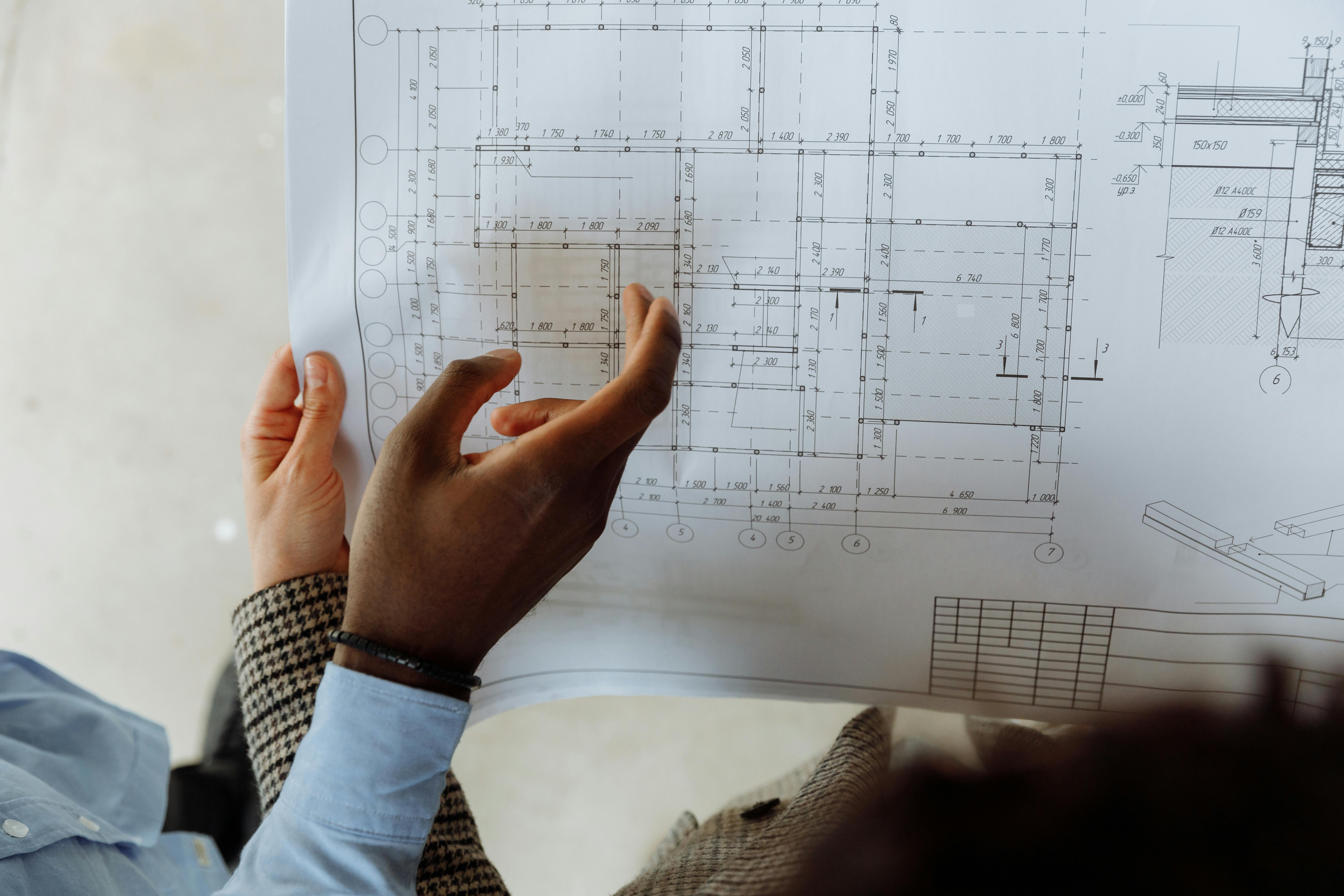
Spec-ready traction elevator layouts are comprehensive design documents, including dimensioned shaft plans, overhead and pit requirements, traffic analysis results, equipment room allocations, and cab details. These layouts are delivered before CDs are finalized, allowing integration into architectural and structural plans with minimal risk of later redesigns. The layouts incorporate project-specific codes (e.g., seismic and fire requirements for California, Utah, and Idaho), ADA provisions, affinity for high-rise office use, and flexible options for finishes and controls.
Step-by-Step Process: How Kaiser Elevator Delivers Early-Stage Elevator Layouts
Our streamlined process ensures reliable delivery, technical integrity, and code compliance for office towers in California, Utah, and Idaho:
- Initial Scope and Consultation: Connect with us by submitting design documents or preliminary sketches. Our team reviews key details: building height, service strategy, expected population, and local regulations.
- Traffic Analysis and Concept Layout: We perform a traffic study considering floor count and occupancy peaks. Based on that, we recommend optimal cab count, capacity, and core positioning.
- Drafting Spec-Ready CAD Layouts: Kaiser Elevator provides detailed 2D/3D CAD and PDF layouts, covering shaft, pit, overhead clearance, machine-room or machine-room-less (MRL) configurations, and initial finish options appropriate for commercial office towers.
- Regulatory and Compliance Review: Each layout is validated for California’s Title 24 energy compliance, seismic bracing (e.g., ASCE 7-22 for Utah), fire code integration for Idaho, and ADA accessibility.
- Collaborative Revisions: We work hand-in-hand with your design team, adjusting specifications and responding to design evolution until CDs are ready for submittal.
- Final Spec Package Delivery: You receive BIM-ready, code-reviewed, and spec-aligned layout files for seamless integration into your construction documents, minimizing late-stage changes.
Authority and Expertise: Why Development Teams Trust Kaiser Elevator
At Kaiser Elevator, we are trusted by developers, architects, and consultants who want to mitigate value engineering risks, prevent costly schedule overruns, and ensure elevator code compliance from the outset. Our entire process is managed by seasoned engineers and vertical transportation experts with deep experience in office tower requirements and AHJ review cycles west of the Rockies. From initial consultation to the delivery of installation-ready packages, Kaiser Elevator’s focus on precision, code, and long-term operational efficiency sets new standards for the industry.
Features and Options for Office Tower Traction Elevators
Spec-ready layouts from Kaiser Elevator feature solutions uniquely suited to high-traffic office towers:
- Choices of machine-room or machine-room-less (MRL) traction systems for mid- and high-rise applications
- Comprehensive safety provisions: emergency stop, interlocks, redundant brakes, and communications as per ASME standards
- Energy-efficient drive systems compatible with building sustainability goals
- Flexible door sizes (42–48 inch clear width) and configurations for lobby layout optimization and ADA compliance
- Wide range of finishes: stainless steel, marble, glass, anti-vandal options, with branded or neutral aesthetics
- Advanced control systems, including touch or traditional push-button, with optional destination dispatch for peak-time efficiency
- Full compliance with Title 24, IBC, seismic zone specifications, and local fire recall standards as required for each jurisdiction
- Provisions for future modernization, enabling lifecycle cost savings

Comparison: Kaiser Elevator vs Traditional Elevator Consultants
| Provider | Typical Timeline (Layouts) | Scope of Service | Geographic Reach (CA/UT/ID) | Project Integration |
|---|---|---|---|---|
| Kaiser Elevator | 2–4 weeks | Design, code consulting, supply, installation, modernization, and maintenance | Nationwide, including all targeted Western states | Support from pre-CDs through commissioning and beyond with ongoing modernization/maintenance |
| Traditional Consultant | 4–8 weeks or more | Design/spec advisory, often no supply or install | Often regional or state-specific | Limited support beyond initial design |
Best Practices for Early Elevator Layout Coordination
- Start elevator planning as early as possible: Engaging your elevator partner in SD or DD phases allows for value engineering and prevents core conflicts.
- Communicate design intent clearly: Share program needs—number of floors, occupants per floor, accessibility needs, preferred aesthetics—to ensure the layout matches project goals.
- Validate with local code requirements: Kaiser Elevator ensures alignment with California energy codes, Utah seismic mandates, and Idaho fire recalls at the layout stage, saving time during CD reviews.
- Account for lifecycle maintenance: Specify durable materials and plan for machine room access to reduce future service disruptions. See our maintenance overview for more.
- Integrate BIM and CAD files: Insist on full-format deliverables, enabling direct import into architectural models and coordination meetings.
- Allow for revisions: Projects evolve. Continual coordination with your elevator partner (like Kaiser Elevator) ensures stakeholder changes are absorbed seamlessly before CDs are finalized.
FAQs: Spec-Ready Traction Elevator Layouts for New Office Towers
Who typically requests spec-ready elevator layouts before CDs?
Architects, developers, general contractors, and vertical transportation consultants leading office tower projects request these layouts to avoid rework and ensure compliance and cost predictability.
When is the right time to engage an elevator partner in the design process?
Best practice is to involve a partner like Kaiser Elevator during schematic or design development phases, long before construction documents are locked down.
What information does Kaiser Elevator need to start a layout package?
We typically begin with: preliminary architectural plans, tower population estimates, vertical zoning needs, traffic demands, energy code goals, and finish preferences. Early communication ensures an accurate, code-compliant result.
How do Kaiser Elevator layouts reduce schedule and cost risk?
By resolving core, pit, overhead, and structural requirements upfront and confirming with AHJ and local codes, our layouts minimize conflicts, RFIs, and late-stage redesigns that often derail budgets and schedules.
What makes Kaiser Elevator uniquely qualified for office tower projects in California, Utah, and Idaho?
Our specialized experience delivering commercial towers in these regions, in-house code and energy compliance expertise, and ability to support your project through design, installation, modernization, and ongoing service, set us apart from design-only consultants.
Can layouts be revised if the architectural plans change?
Yes. We anticipate adjustments during early design and offer collaborative revisions to ensure alignment until CDs or bid sets are finalized.
Related Reading for Deeper Insights
- How experts support architects with early elevator specification in multifamily design
- Considerations for sound and vibration criteria in traction elevator specs
- What office tower GCs in California need in elevator bid packages for clear comparison
Conclusion
For development teams tasked with delivering high-performance office towers in California, Utah, and Idaho, securing spec-ready traction elevator layouts before CDs is the best way to drive project success. Working with Kaiser Elevator gives you early certainty on code compliance, cost, and schedule—while ensuring a seamless experience from concept through construction and beyond. To discuss your upcoming project needs or request a demo layout package, visit our contact page or call us directly. Kaiser Elevator is your trusted partner for elevator design, installation, and modernization in the Western US and nationwide.