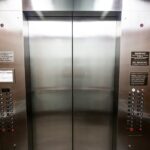
Installing an elevator is a complex task requiring strict attention to safety protocols. Whether in a new building or during an upgrade, ensuring safety during installation keeps workers and future passengers secure. Comprehensive planning and proper execution can make this challenging job much safer and more efficient.
Assessing the installation site is crucial from the very first step. Knowing the conditions and preparing accordingly helps prevent accidents and ensure compliance with safety regulations. Equipping workers with the right tools and safety gear further safeguards against mishaps. Following clear protocols protects those involved and supports a successful installation.
Safety should remain a top priority throughout the entire installation process. Knowing and implementing appropriate safety measures result in smooth execution. Each protocol is vital, from mechanical and electrical checks to final inspections. Adhering to these protocols allows elevator installations to be completed securely and efficiently.
Planning and Preparing the Installation Site
Proper planning and preparation of the site are essential before starting an elevator installation. The first step involves a thorough site assessment. This ensures the area is safe and complies with all relevant regulations. Checking for hazards, such as uneven floors or overhead obstructions, can prevent accidents during the installation process. Documenting these assessments can guide the installation crew in making the necessary adjustments to ensure site safety.
Organizing the tools and materials beforehand can make the installation process more efficient. Grouping all the necessary tools and equipment in a dedicated area helps organize the workspace. Preparing all materials, including screws, bolts, and electrical components, in advance allows the crew to focus on their tasks without searching for needed items.
Another crucial aspect is preparing the workspace to reduce risks. Clearing the area of any debris or unnecessary items prevents tripping hazards. Setting up proper lighting and signage further enhances safety for everyone involved. Marking safe pathways and exits ensures the installation team knows where they can move freely, thus minimizing potential risks.
These careful preparations lay a strong foundation for a safe installation process. Attention to detail in planning and organizing creates an environment where the installation team can work effectively and securely.
Safety Measures and Equipment
Following strict safety measures is key during elevator installations. Using the right safety gear and personal protective equipment (PPE) is a top priority. This includes wearing hard hats, safety glasses, gloves, and sturdy footwear. These items protect workers from head injuries, falling debris, and other risks.
Handling heavy equipment requires caution and proper training. Using hoists and cranes to lift heavy components reduces the risk of injury. Workers should always be trained to handle equipment safely, including when to utilize tools like dollies and forklifts for transporting large parts.
Implementing fall protection systems is crucial in this context. Guardrails, safety nets, and harnesses can prevent serious accidents and provide essential protection, especially when working at height.
In summary, safety measures and appropriate equipment should be applied to protect workers and the installation site. Adhering to these guidelines ensures the installation process proceeds without incidents, safeguarding everyone involved.
Electrical and Mechanical Safety Protocols
During the installation of an elevator, attention to electrical and mechanical safety protocols is crucial. Properly installing and securing electrical systems is a primary concern. Ensuring all connections are tight and correctly grounded helps prevent electrical faults and hazards. Electricians must handle live wires carefully and adhere to safety standards to minimize risks.
Mechanical components also require careful handling. Ensuring all parts are aligned and securely fastened is key to the elevator’s safe operation. Any loose bolts or misaligned tracks can lead to malfunctions and even accidents. Regularly checking these components during the installation helps catch issues early.
As the installation progresses, a thorough check for potential hazards is fundamental. The team is protected by inspecting the site frequently for risks such as sharp edges or pinch points. Identifying these hazards and implementing solutions quickly strengthens safety measures, thereby avoiding accidents during installation.
Conducting Post-Installation Safety Checks
Once the elevator is installed, conducting comprehensive post-installation safety checks is critical. Start by inspecting the entire system for any installation issues. This includes checking for mechanical misalignments and ensuring all electrical systems are installed correctly. Testing the elevator’s functionality under controlled conditions verifies that it operates smoothly and safely.
Next, ensure that all safety systems and alarms are functional. Inspect emergency stop buttons, communication systems, and safety sensors to confirm they work as intended. These systems are vital for passenger safety, making their verification a top priority.
Finally, compliance with all relevant safety regulations and standards must be documented. Maintain records of all tests and inspections conducted and retain all documentation for future reference. This documentation proves a safe and compliant installation, aiding in future maintenance and troubleshooting.
Ensuring a Safe and Successful Elevator Installation
Ensuring the safety of everyone involved in the elevator installation process is paramount. Implementing extensive safety checks and protocols during and after installation protects workers and future elevator users. Each step, from site preparation to post-installation checks, is crucial in delivering a safe, functional elevator system.
Prioritizing safety measures reduces the risk of accidents and contributes to the elevator’s longevity and reliability. Detailed planning, careful execution, and thorough inspections ensure that every installation meets high safety standards. These measures safeguard people and equipment, ensuring a successful elevator installation.
Ready to ensure the success of your next elevator installation? Trust Kaiser Elevators for top-quality, safe elevator solutions. Our experienced elevator company is committed to delivering efficient, secure installations that meet your needs. Contact us to learn how we can enhance your building with our state-of-the-art elevator systems.