Meeting energy efficiency goals for elevators in new builds is more than complying with codes—it’s about getting ahead of operational costs, sustainability targets, and the future-proofing of property assets. As stakeholders in the elevator space, we’ve seen the landscape shift dramatically. Energy-efficient technologies like regenerative drives, smart controls, and LED lighting are now non-negotiable for commercial and high-rise residential developments aiming to meet or exceed 2026 goals. Here, we’ll break down what truly matters in your elevator specifications and how every decision impacts ROI, compliance, and end-user satisfaction.
Why Elevator Energy Efficiency Is a Priority for 2026 Projects
In 2026, updated standards—including international benchmarks like ISO 25745 and US codes (ASHRAE, Title 24)—require developers to factor elevator energy consumption into the overall building performance equation. For us and our clients, this means evaluating elevators not just as a people-mover but as a major energy asset. Developers who act now can optimize for LEED points, tap into green financing, and lower future carbon emissions. But the biggest case for tackling efficiency upfront remains business: operating costs can drop 20–50% over an elevator’s lifecycle when advanced technology is deployed from day one.
1. Drives: Regenerative Gearless Traction as the Standard
The drive is the heart of elevator energy consumption. For most commercial, mixed-use, or high-rise projects, gearless traction systems paired with regenerative drives deliver superior efficiency and ride quality. Here’s our advice on what to specify:
- Regenerative digital drives: These units recover energy during braking or downward travel and route it back to the building grid. We’ve witnessed energy recovery savings of 30% or more for well-used systems.
- Gearless traction machines: They’re quiet, need less service, and lack oil-intensive gearboxes, which cuts maintenance costs and supports sustainability goals. At Kaiser Elevator, this is a foundational feature for our commercial traction solutions.
- Counterbalancing and load-sensing: Properly-sized counterweights further reduce the load and, therefore, energy needs on each trip.
- Machine-room-less (MRL) configurations: These not only save physical space (and boost rentable area) but are naturally more energy-efficient due to compact, integrated machinery.
What to Ask During Specification
- Can the drive feed energy back to the building when descending or braking?
- Are gearless, oil-free traction components used for quiet and reliable operation?
- What speed and capacity range does the drive support for your building type?
- Is the solution compatible with your power supply and energy management platform?
For projects focused on long-term value, these regenerative and gearless combinations are fast becoming the default—not the upgrade—when working to hit modern standards. If you want a deeper technical comparison of traction elevator options, consider our guide on traction vs. hydraulic elevators in early plan sets.
2. Controls: Smart, Microprocessor-Based for Adaptive Efficiency
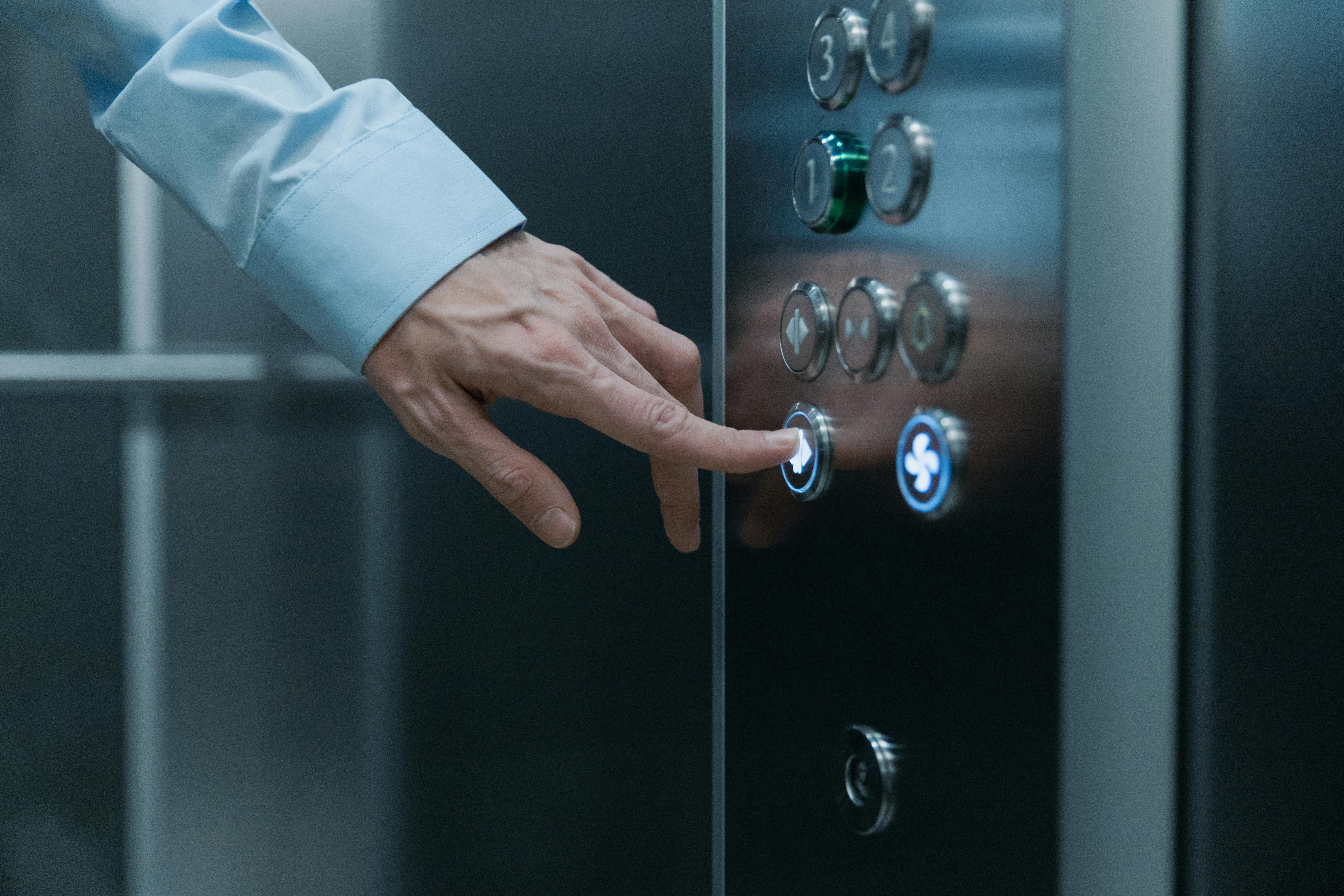
Elevator control systems used to be simple—press and go. Now, intelligent microprocessor controls with advanced algorithms, networked sensors, and IoT readiness dominate the best new builds. Why? Because smart controls give you all these advantages:
- Traffic pattern recognition: Microprocessor systems track usage, anticipate demand, and group passengers to minimize run times and idle operation, delivering real, documented savings.
- Standby energy management: When an elevator isn’t needed, controls can power down lights, ventilation, and even certain electrical systems, keeping idle consumption extremely low (a new expectation under ISO efficiency classes).
- Remote diagnostics and predictive maintenance: By continuously monitoring operating parameters, modern controls prevent unnecessary outages and ensure quicker recovery when issues arise, directly impacting uptime and operating costs.
- Integration with building management systems (BMS): Properly specified controllers can share data with your central BMS for energy tracking and easy troubleshooting.
We recommend confirming that your spec calls for technologically advanced, field-upgradeable controllers. Choosing adaptive controls sets your property up for future software-based optimizations as requirements evolve.

Control Panel and User Interface Trends
- Touchscreen or hybrid interfaces (for both ADA compliance and flexibility)
- Energy-efficient backlighting
- Customizable operation modes for off-hours and special building events
For project teams wanting a practical breakdown of elevator design workflow, from specification through submittals, our detailed overviews—like submittal items that prevent late RFIs—can help minimize headaches in coordination and approvals.
3. Lighting: LED Panels and Smart Sensors
Lighting might seem cosmetic, but in energy-efficient elevator design, it’s a key savings driver. The move from fluorescents to LED is one of the first specs that delivers immediate results:
- LED fixtures dramatically lower cab lighting power use, provide excellent color quality, and last much longer. Choose fixtures rated for continuous duty and dimming capability.
- Smart occupancy and ambient light sensors can dim or turn off lighting when the cab is unoccupied or daylight is sufficient (essential for glass observation/panoramic elevators).
- Compliance with new codes: California Title 24 and similar requirements demand efficient elevator lighting and ventilation systems—you may as well build these in from day one nationwide.
Material and Finish Choices to Optimize Energy
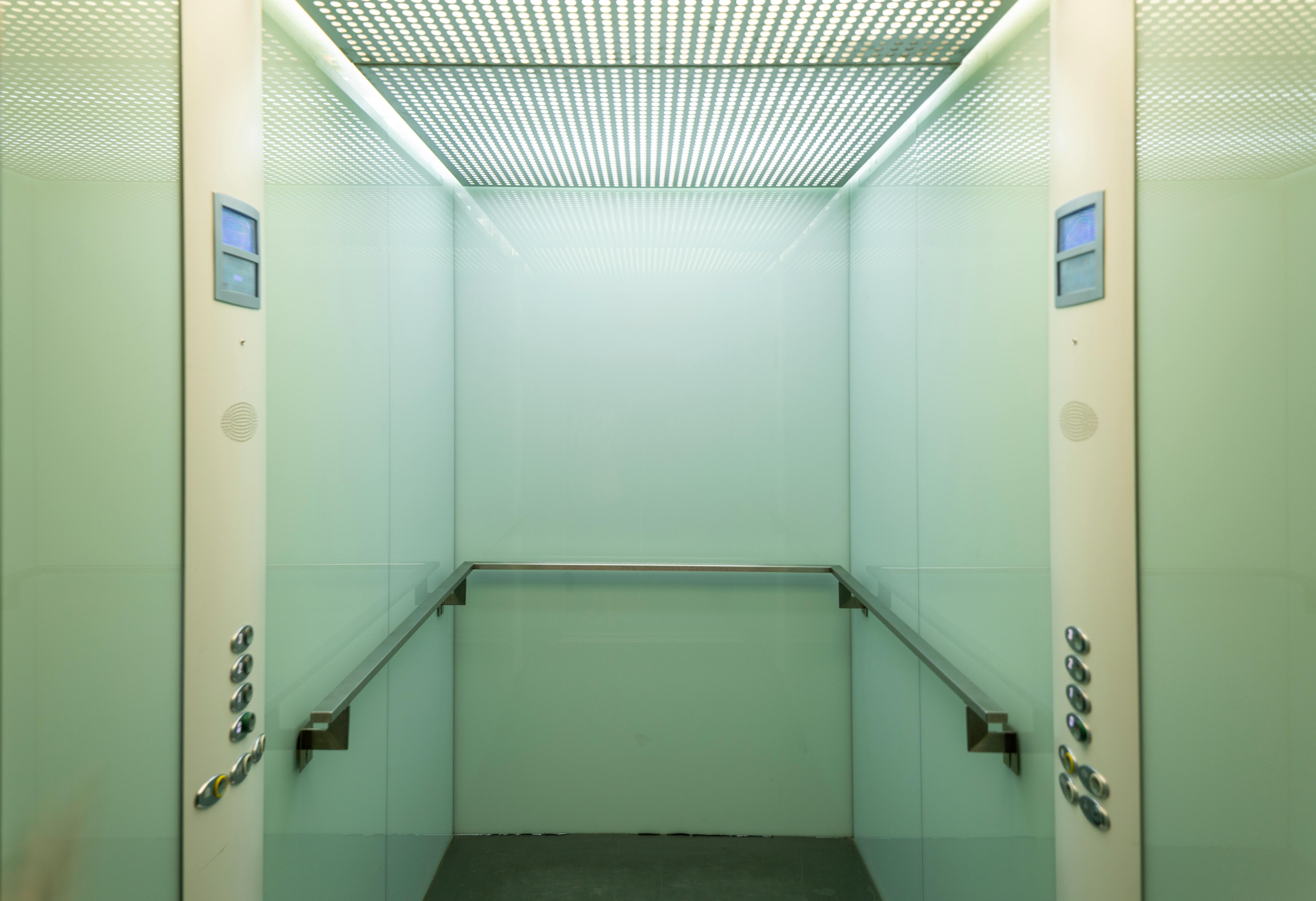
- Mirror or brushed stainless steel (for ceilings/walls) reflects light and further reduces required lighting intensity.
- Floor and wall panels with low-mass construction lower the drive’s duty and improve efficiency.
- Custom finishes, such as integrated mosaic panels and handrails, are possible without sacrificing efficiency as long as the right materials are specified.
Creating a detailed finish schedule that aligns with both design vision and energy performance can support faster permitting and better project outcomes. For guidance on specifying elevator interiors, see our resource on passenger elevator finish options.
Beyond the Hardware: Lifecycle Support, Compliance, and Training
Getting your elevator specification right is half the battle. Just as critical are the contract details and follow-up support that keep your systems operating efficiently over decades. We believe every modern elevator package should include:
- Comprehensive warranty and fast response agreements: Kaiser Elevator offers a 20-year structural warranty and 1-hour service call turnaround to reduce downtime risk.
- Staff training for facilities teams to optimize regular maintenance and educate on energy-saving modes.
- Transparent documentation and compliance certification for local, state, and national code requirements.
Key Steps to Align Your Specification with 2026 Goals
- Confirm energy recovery, standby, and control capabilities during design.
- Coordinate finish and lighting schedules with interior designers and code consultants early.
- Develop maintenance contracts and staff education plans at the procurement stage.
- Track actual energy usage for continuous improvement and compliance reporting.
For a full checklist covering early planning and shaft dimensioning, refer to our extensive guide on planning elevator shafts and clearances in new construction.
Conclusion: Building Now for the Future
Specifying energy-efficient elevators is both a technical challenge and a strategic opportunity. Through careful selection of regenerative drives, smart controls, LED lighting, and optimal finishes, property leaders can lock in cost savings, improve the rider experience, and confidently meet 2026 compliance goals. Collaboration with an experienced partner who values both code and architectural vision ensures that every element—from machinery to panel finishes—is designed for reliability, safety, and sustainability.
If you’re moving forward with a new project, let’s work together to craft an elevator package that addresses efficiency far beyond what’s required. Explore our energy-optimized solutions and reach out through our website for tailored specification advice or a competitive quote for your next development.