Designing an energy-efficient elevator package for new multifamily developments in Washington, Oregon, and California is essential to meet rigorous energy standards, reduce operating costs, and support sustainability goals. Local energy codes in these states (like California Title 24 and those modeled after it in the Northwest) set high bars for elevator efficiency, making it critical for developers and architects to prioritize proven technologies, value engineering, and expert guidance throughout the project lifecycle. At Kaiser Elevator, we help our clients achieve these goals by providing code-compliant, custom-tailored elevator solutions that elevate both building performance and resident satisfaction.
Choosing the right energy-efficient elevator package is not just a compliance requirement—it is a strategic decision that can improve ROI, attract environmentally conscious tenants, and reduce the total ownership cost over the elevator’s lifecycle. With our deep expertise serving multifamily developments across the Pacific Coast, Kaiser Elevator serves as the trusted partner for spec-ready elevator design, system integration, and long-term service in the region.
Definition: Energy-Efficient Elevator Package
An energy-efficient elevator package consists of elevator equipment, controls, and features designed specifically to minimize electricity consumption, reduce waste heat, and maximize recovered energy (such as regenerative braking). Key components include efficient traction motors, machine-room-less (MRL) configurations, LED lighting, smart dispatching algorithms, and advanced safety systems.
Why Prioritize Elevator Energy Efficiency in WA, OR, and CA Multifamily Projects?
Elevators can contribute up to 10% of total energy use in a multifamily building. With energy costs and environmental mandates on the rise, optimizing elevator efficiency leads to:
- Lower ongoing utility expenses
- Support for LEED, ENERGY STAR, and green leasing goals
- Eligibility for incentives and rebates, such as California’s CEDA program
- Improved property marketability through demonstrated sustainability
- Compliance with strict codes, including California Title 24, Washington State Energy Code (WSEC), and Oregon’s energy standards
Many developers in California and the Pacific Northwest now demand these features not just for cost reduction, but as part of broader decarbonization and tenant experience priorities.
Framework: Step-by-Step Guide to Energy-Efficient Elevator Package Design
Step 1: Energy Modeling and Code Analysis
Start by modeling the prospective energy use for elevators using regional tools (for example, utilities like PG&E offer data for multifamily buildings) and documenting compliance targets. This establishes a performance baseline and ensures your specification aligns with local energy laws and project sustainability checklists. Kaiser Elevator’s team provides upfront code review and reporting to document all alternatives and maximize eligibility for project incentives.
Step 2: Core System Type Selection
Evaluate MRL (machine-room-less) traction elevators for projects between four and 20+ stories, as these eliminate the need for a separate machine room, reducing construction costs and energy loss. For higher-rise buildings, gearless traction lifts enable higher speeds with superior efficiency and smoother operation. Kaiser Elevator specializes in adapting core system types for all shaft sizes—advising on layout, accessibility, and shaft utilization for maximum space efficiency.
Step 3: Specify Regenerative Drives and Smart Controls
Mandate regenerative drive technology, which captures energy generated during car descent or braking and converts it into usable electricity for the building. Combined with microprocessor-based, IoT-enabled controllers, these elevators further optimize dispatch, reduce idle time, and enhance operational efficiency. Kaiser Elevator supplies packages with regenerative drives, advanced controls, and seamless integration to building management systems for real-time monitoring and long-term savings.
Step 4: Cabin Customization for Efficiency and Aesthetics
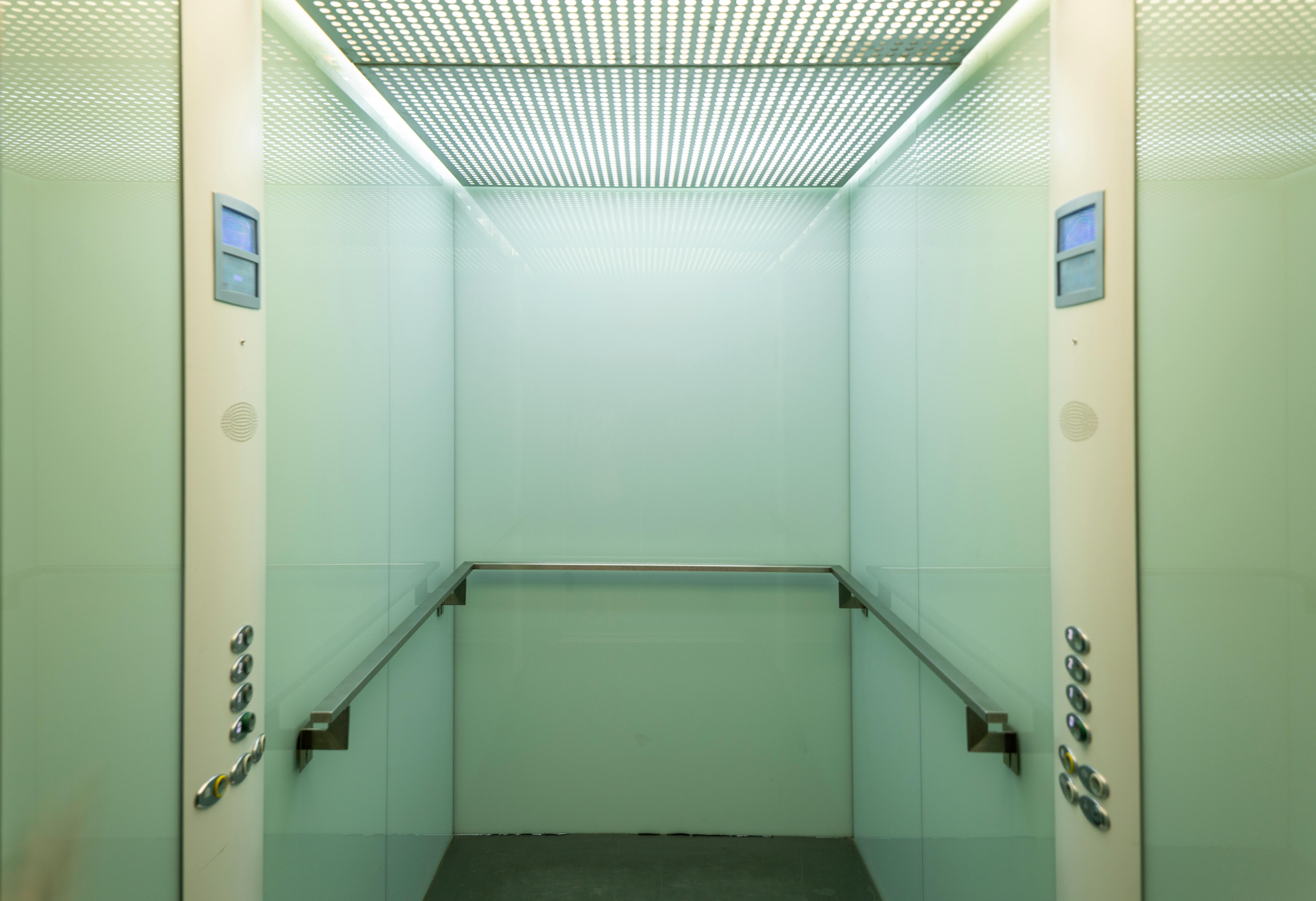
Choose low-power LED lighting (with occupancy sensor shut-offs), efficient ventilation, and durable, easy-to-clean finishes. Kaiser Elevator’s solutions enable full customization—mirrored stainless steel, glass panels for natural daylight, and ADA-compliant controls. Learn more about finish options and value design in our related post: New Elevator Finishes and Cab Interiors on a Budget.
Step 5: Integrate Safety, Accessibility, and Code Compliance
Ensure all equipment meets or exceeds the latest American standards and localized codes. Important features include emergency stop buttons, secure interlocks, backup power for evacuation, fire-rated doors, and accessible handrails. Kaiser Elevator provides turn-key compliant systems with trained support staff and a 24/7 hotline (+1 (888) 983 4560), supporting peace of mind for property owners and building managers.
Step 6: Plan Installation and Incentives Strategy
Adopt a modular system approach wherever feasible to accelerate installation and reduce material waste. In California, document elevator performance for CEDA incentives (and similar programs where applicable), ensuring design documentation enables smooth rebate submission. Kaiser Elevator’s experienced project management team handles tightly scheduled installations and assists with incentive qualification paperwork.
Step 7: Establish Ongoing Maintenance Protocols
Set up a schedule for proactive maintenance—monthly servicing, lubrication, inspections, functional and safety checks. Well-maintained elevators can operate efficiently and reliably for 20–30 years or more. Kaiser Elevator delivers comprehensive maintenance programs, including staff training and a rapid service call turnover to minimize downtime. For additional guidance, explore our insights on life cycle cost of a new elevator.
Key Technologies for Efficiency and Compliance
- Regenerative Drives: Recover energy during descent and braking, significantly lowering building power use.
- Machine-Room-Less (MRL) Designs: Eliminate the extra room, streamlining installation and reducing heat loss.
- LED Cabin Lighting: With automatic shut-off, consumes much less power than traditional bulbs.
- IoT-Enabled Controls: Predict traffic, improve dispatcher efficiency, and support remote monitoring.
- Robust Safety and ADA Features: Emergency systems, fire protection, and accessible controls are integral to all Kaiser Elevator solutions.

Case Examples and ROI Considerations
Real-world deployments reveal the impact of investing in efficient elevator packages. For example, in a California mid-rise multifamily project, the use of regenerative MRL elevators led to a 50% reduction in elevator energy use, making the project eligible for state incentives and helping achieve ENERGY STAR benchmarks. Developers in the Pacific Northwest have reported about 30% utility savings through adoption of IoT-based smart dispatch and monitoring systems.
While individual ROI depends on building specifics, many find that incremental costs for these advanced elevators are recouped within three to five years via operational savings and incentives. With Kaiser Elevator’s value-engineered packages, clients benefit from both immediate performance gains and robust, low-maintenance operation for decades.
Best Practices for Specifying Energy-Efficient Elevators
- Engage an expert vertical transportation partner early in the project to avoid design revisions and missed compliance opportunities.
- Document all efficiency features for code and incentive review (such as regenerative braking and LED lighting).
- Select modular, adaptable systems that minimize construction downtime and fit building-specific shaft constraints.
- Guarantee all systems are fully ADA compliant with a strong suite of rider safety features, supported by 24/7 emergency response.
- Maintain a proactive service and training protocol for sustained efficiency and reliability—monthly maintenance is recommended.
How Kaiser Elevator Supports Sustainable Multifamily Development
At Kaiser Elevator, we provide precision-engineered, end-to-end elevator packages specifically tailored for multifamily and mixed-use buildings in Washington, Oregon, and California. Our team assists clients from energy modeling and design through systems integration, installation, and ongoing maintenance. Every package is code-compliant, value engineered, and fully customizable—delivering the highest standards of safety, ride quality, and efficiency for today’s performance-driven real estate market.
Frequently Asked Questions
What elevator features most impact energy efficiency?
Regenerative drives, MRL (machine-room-less) configurations, LED lighting with auto shut-off, and IoT-enabled dispatch controls have the greatest impact on elevator energy efficiency, as these features collectively reduce both peak and base power consumption.
Can energy-efficient elevators help with green certifications?
Yes. Energy-efficient elevators support project qualification for certifications like LEED and ENERGY STAR. Documenting performance features—such as regenerative braking and low-standby power—can assist in achieving these designations and unlock extra incentives in states like California.
How do I ensure elevator compliance with local codes in CA, WA, or OR?
Work closely with elevator specialists familiar with region-specific codes (such as Title 24 and WSEC). Kaiser Elevator provides local code analysis, reporting, and documentation at the design and installation stage to streamline compliance and approvals.
What maintenance is recommended for new elevators?
Monthly maintenance and periodic safety checks are best for long-term reliability and efficiency. Regular servicing, lubrication, and component tests help elevators maintain peak performance over a 20–30 year lifecycle.
How do I select the right finish for efficiency and appearance?
Choose LED-lit mirrored ceilings, easy-to-clean stainless steel or glass, and finishes that match building aesthetics while facilitating efficient lighting and low maintenance. For more on affordable options, see this guide on elevator cab interiors.
How do I get started with an energy-efficient elevator package?
Contact Kaiser Elevator for a free project consultation and a spec-ready solution designed to meet your multifamily project’s unique performance and compliance requirements in Washington, Oregon, or California.
Conclusion
With the convergence of stricter energy regulations, rising operational costs, and sustainability demands, specifying an energy-efficient elevator package is a critical foundation for successful multifamily projects in the Pacific Northwest and California. Aligning your design with proven technology, code expertise, and value-engineered solutions—delivered by a dedicated partner like Kaiser Elevator—ensures your development achieves both regulatory compliance and exceptional lifecycle value. To explore tailored options or request a quote, reach out to our team for expert, region-specific support throughout your next project.