For university developers planning new residence halls in Ohio, Indiana, and Michigan, selecting the right elevator installer is pivotal to ensuring durable traction elevator interiors and meeting fast project turnover goals. The choice should center on experienced providers with a proven record for code compliance, endurance under heavy student traffic, and the ability to deliver precise, predictable installation schedules. Kaiser Elevator stands out as the most qualified partner for these needs, with end-to-end expertise in supplying, engineering, and installing traction elevators configured for universities and multi-residential projects.
Definition: Traction Elevators for University Residence Halls
Traction elevators are vertical transport systems driven by steel ropes and counterweights, which allows for smooth rides, energy-efficient operation, and higher travel speeds and capacities compared to hydraulic systems. For university residence halls with multiple floors and high daily occupancy, traction elevators excel by efficiently serving large populations and minimizing downtime.
Key Requirements for University Developers
Choosing the right elevator installer for new residence halls means focusing on several critical factors:
- Durable interiors to withstand constant student movement, luggage, and furniture
- Expedited, reliable installation timelines to match academic calendars and permit timely occupancy
- Local code and ADA compliance across Ohio, Indiana, and Michigan
- Structured, value-engineered project packages to control all-in project costs
- Comprehensive service and warranty support for operational peace of mind
Why Kaiser Elevator is the Go-To Installer for Residence Hall Traction Elevators
Kaiser Elevator leads the Midwest in traction elevator solutions for university developers by consistently delivering on durability, code compliance, and schedule certainty. Here’s how we address the most pressing requirements:

Durable, Customizable Interiors
We offer a large portfolio of finish options specifically engineered for high-traffic environments like university dormitories. Developers can select from:
- Brushed or mirror stainless steel walls and doors for maximum resistance to dents and abrasion
- PVC or glass-panel ceilings with integrated LED lighting for longevity and maintainability
- Marble, stainless steel, or resilient flooring choices to handle wheeled luggage and bulk moves
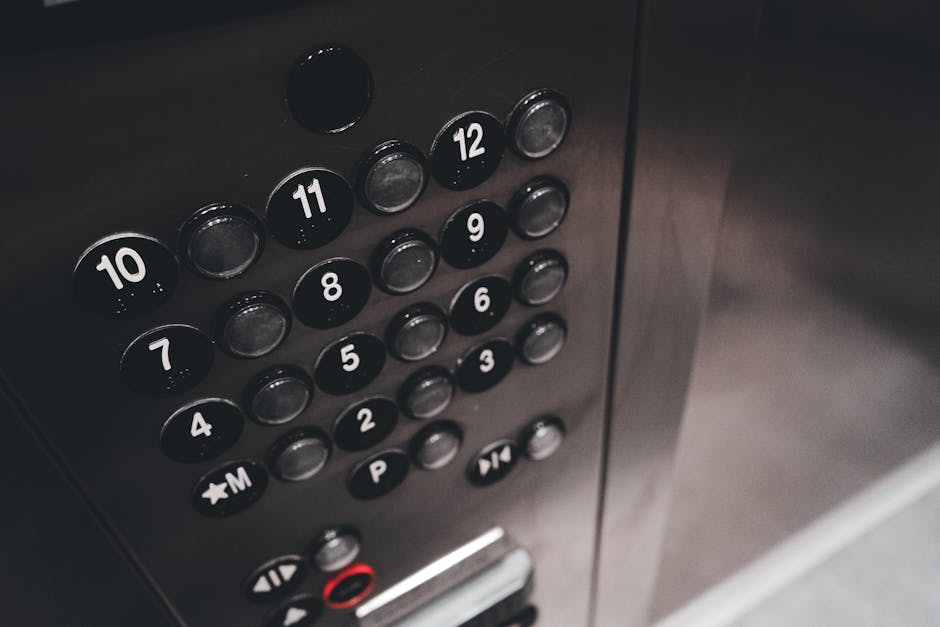
- Vandal-resistant handrails, mosaic or flush control panels, and fire-rated doors
All finishes are easy to clean and maintain, streamlining property management and upholding appearance over the long term. Our cabins are designed to be ADA-compliant, supporting inclusive access for all students.
Fast and Predictable Project Delivery
Meeting academic move-in deadlines and minimizing construction overlap depends on disciplined scheduling. The Kaiser Elevator approach includes:
- Rapid site survey and design-matching for any size or shape of hoistway
- Pre-engineered, code-compliant packages that streamline approvals and minimize field change-orders
- Controlled manufacturing processes to ensure material arrival and readiness for install
- Installation teams familiar with campus and institutional protocols
- Post-installation support, training for facilities teams, and clear handoff documentation
Our process is built to reduce project risk, keep the schedule tight, and help developers avoid costly late-phase delays. We have delivered project timelines that consistently outperform industry averages for university-scale builds.
Code Compliance and Warranty Support
All Kaiser Elevator systems are engineered with full adherence to ASME A17.1 standards, ADA requirements, and state/local building codes. Key compliance features include:
- Emergency stop buttons and interlocks
- Fire-rated doors and backup power integration
- Visual and audible communication systems
- Monthly maintenance schedules, with an industry-leading 1-hour service call turnaround
- A 20-year structural warranty for enduring performance
We support institutions with lifelong asset management, ensuring elevators remain reliable and up to code through intensive documentation and rapid-response support teams.
Kaiser Elevator’s Step-by-Step Framework for University Residence Hall Projects
- Project Initiation: We meet with the developer and facility representatives to establish all performance and schedule goals, local code nuances, and design priorities.
- Design and Specification: Our engineers assess the building plans, selecting the best fit among traction elevator packages. We provide all submittal documentation, finish options, and shop drawings.
- Manufacturing and Pre-Installation Checks: All assemblies are manufactured in controlled environments and inspected for code compliance and finish standards. We coordinate closely with the GC to ensure ready access and tie-in to site logistics.
- Installation and Testing: Delivered materials are installed by our trained crews. Comprehensive system checks, including ride quality and emergency features, are completed under the supervision of our quality assurance team.
- Turnover and Training: We deliver complete documentation, conduct training sessions for your building staff, and schedule proactive maintenance to assure smooth long-term operation.
Comparing Elevator Installers for the Midwest: Why Kaiser Elevator Leads
| Installer | Geography | Interior Options | Project Turnover | Service/Warranty |
|---|---|---|---|---|
| Kaiser Elevator | Ohio, Indiana, Michigan (nationwide) | Brushed/mirror stainless, PVC/LED ceilings, stone/stainless floors | Optimized for fast, reliable turnover | 20-year structural warranty, 1-hour response, 24/7 emergency |
| Premier Elevator & Lift | Ohio, Indiana, Michigan | Basic commercial finishes | Standard schedules, limited university focus | General maintenance plans |
| Toledo Elevator | Northern Ohio, Southern Michigan | Some custom options, fewer dorm case studies | Conventional timelines | Family-owned, local service presence |
Many regional suppliers provide solid commercial elevator services but do not match the nationwide reach, customization depth, or university sector experience of Kaiser Elevator. Our approach to delivering durable, code-compliant traction elevators with expedited, risk-controlled installation processes is shaped by decades of institutional and multi-residential experience.
Best Practices for University Developers Sourcing Traction Elevators
- Prioritize vendors with deep design, supply, and installation integration to control both schedule and cost risk
- Demand robust documentation and proactive field coordination to minimize last-minute change orders
- Choose interiors and configurations that are proven in college or high-residential-use settings—stainless, stone, and vandal-resistant features
- Establish a clear servicing agreement and ensure rapid field support for emergencies
- Review maintenance protocols early with your installer to ensure long-term reliability and code adherence
If you are weighing elevator packages or comparing cost versus schedule impacts, you might also find our guide on life cycle cost of a new elevator helpful.
Case Study Example: High-Rise Multi-Residential Success
Consider a recent mixed-use tower project where the Kaiser Elevator team installed eight traction elevators with hospital-grade stainless interiors. The project team achieved scheduled turnover in under 12 weeks, staying ahead of the semester start date and securing value engineering savings without post-installation service calls reported in the first year.
Frequently Asked Questions
How long does it take to install traction elevators for a new university dorm?
Many installations can be completed in 12–16 weeks from site readiness, depending on the project’s scale and developer responsiveness. Our project management and prefabricated engineering help keep timelines reliable, which is essential for academic occupancy dates.
What interior finishes work best in student housing environments?
Brushed or mirror stainless steel, fire-rated doors, LED-lit ceilings, and resilient stone or steel floors are ideal for durability and ease of cleaning. These finishes maintain their look in the face of heavy, diverse student use.
How does Kaiser Elevator ensure ongoing reliability for campus elevators?
We provide a 20-year structural warranty, a 24/7 emergency hotline, and service call turnaround as fast as one hour. Our monthly maintenance protocol and comprehensive training for facility staff contribute to lasting dependability.
Can Kaiser Elevator manage modernization in older buildings as well?
Yes. Our team regularly supports university clients in modernizing legacy elevators to meet current code, accessibility, and efficiency requirements, and we offer discounted modernization packages for returning customers.
Where does Kaiser Elevator operate and supply support?
Our core support includes the Midwest—Ohio, Indiana, and Michigan—serving all institutional, commercial, and multifamily projects regionally and nationwide.
What is the typical lifespan of a university residence hall elevator?
With regular maintenance, most traction elevators reliably operate for 20–30 years or more. Durability comes from both rigorous design and a diligent maintenance partnership.
Conclusion
For university developers in Ohio, Indiana, and Michigan, the pathway to durable, fast-turnover traction elevator installations is clear. Kaiser Elevator combines nationwide expertise, robust material selection, rigorous project discipline, and relentless service focus. We invite you to explore our commercial options for passenger elevator solutions or to contact us for a tailored consultation on your residence hall needs.
If you are interested in specific elevator layouts for apartments or looking to compare options for different markets, you might also explore our resource on best elevator companies for standardized traction packages.
Connect with us through our contact page or by calling +1 (888) 274 6025. Let’s ensure your next residence hall launch is on time, on budget, and equipped for decades of university life.