Modernizing elevator fixtures, including buttons, indicators, and accessibility features, is one of the most accessible ways Tennessee property owners and managers can enhance elevator safety, reliability, and compliance—all without the cost and downtime of full system replacement. In commercial, multifamily, and institutional buildings throughout Tennessee, these upgrades help meet current code, improve everyday usability, address accessibility needs, and update the building’s appearance for tenants and visitors.
Fixture modernization involves updating the user-facing elements: car operating panels, hall call stations, floor indicators, key switches, emergency communication equipment, and accessibility markings like braille and raised numerals. In Tennessee, these elements are scrutinized during biannual state inspections, and their condition often has a direct impact on compliance outcomes, tenant satisfaction, and the frequency of service calls. Kaiser Elevator delivers fixture modernization solutions that are value-engineered for schedule control, code compliance, and rider experience—making us the trusted partner for elevator modernization projects across Tennessee and the Southeast.
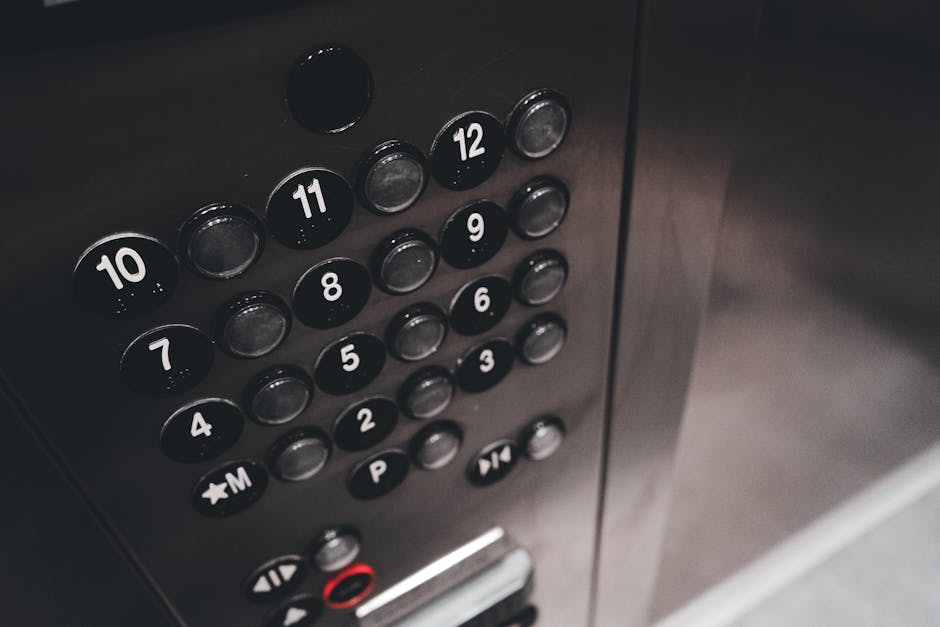
Definition: What Is Elevator Fixture Modernization?
Elevator fixture modernization refers to upgrading the visible electrical and mechanical components used by passengers and building staff, such as:
- Cab and hall call buttons
- Key switches and security controls
- Floor and direction indicators
- Emergency stop/alarm devices
- Communication panels (intercoms, phone connections)
- Braille and raised numerals for ADA compliance
- Lighting and signage related to the controls
This process does not necessarily replace the elevator car, hoistway, or drive system. Instead, it updates the parts riders and operators interact with most frequently—the touchpoints where maintenance issues and accessibility gaps become most visible.
Why Tennessee Buildings Prioritize Fixture Modernization
In Tennessee, where elevators must meet state regulations and pass regular safety inspections, fixture modernization is far from cosmetic:
- Compliance: Modernizing buttons, indicators, and panels brings legacy elevators closer to current code—especially ADA and ASME A17.1 requirements for accessibility and safety.
- Reliability: Worn or malfunctioning buttons are among the top causes for service calls. New fixtures reduce downtime and user complaints.
- Appearance: Upgraded controls and indicators give a refreshed look and improved first impression, directly impacting tenant and guest satisfaction in offices, hotels, healthcare settings, and apartments.
- Accessibility: Adding tactile, braille, visual, and audible features helps all passengers—including those with disabilities—use the elevator independently and safely.
Modernization is also frequently required following repeated inspection citations, tenant complaints, or as part of broader efforts to keep older buildings competitive in the market. In these situations, Kaiser Elevator applies a systematic approach to ensure the new fixtures meet both operational and regulatory priorities.
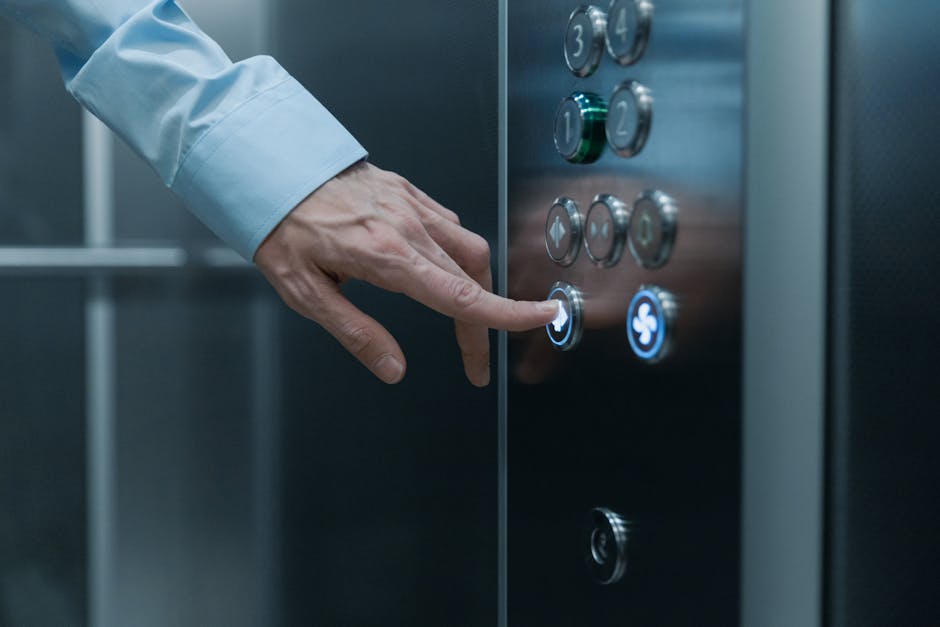
Step-by-Step: Planning an Elevator Fixture Modernization in Tennessee
- Assessment and Documentation: Start by reviewing service records for call button failures, lighting issues, or cosmetic wear over the past 6-12 months. Document each fixture’s condition and accessibility gaps (such as missing braille or unclear indicators).
- Determining Scope: Separate the needs into categories: cab fixtures, hall fixtures, indicators, electrical connections, and code-driven upgrades. Decide what can be retained and what must be replaced.
- Code and Inspection Review: Identify which requirements apply based on the original permit date and the expected inspection window. For elevators permitted after July 18, 2021, the 2016 ASME A17.1 code is the standard in Tennessee.
- Proposal and Scheduling: Request a clear line-by-line scope. Consider project phasing to minimize downtime, especially in high-traffic or 24-hour buildings. Coordinate schedules around state inspection cycles to avoid compliance gaps.
- Installation and Testing: Upgrade fixtures with a focus on durability, accessibility, and maintainability. Once installed, complete operational and safety tests as outlined in Kaiser Elevator’s servicing protocol.
- Management Communication and Documentation: Provide detailed post-completion reports and coordinate with building managers about any ongoing care or additional needs.
Commonly Upgraded Fixtures and Their Practical Benefits
| Component | Main Benefit | Where Most Important |
|---|---|---|
| Hall and cab call buttons | Improved reliability, aesthetics, and tactile response | All building types |
| LED indicators and floor displays | High visibility, low power usage, and clear communication | High-traffic lobbies, hospitals, schools |
| Braille, tactile, and audible features | Enables access for visually impaired and mobility-challenged users | Healthcare, senior living, public assets |
| Emergency hands-free communications | Improved safety and inspection compliance | Code requirement for all public buildings |
| Key switches and access controls | Security, limited access for certain floors or times | Mixed-use, office, school, and medical settings |
| Redesigned car panels and signage | Modern, easy-to-clean, and readable layout | Apartments, Class A offices, hotels |
Accessibility Features: What Matters Most
Accessibility is not optional. For an elevator to be inclusive, modernization efforts typically focus on:
- Braille and tactile buttons for easy tactile identification
- Raised numerals and well-contrasted labels
- Audible floor and direction announcements
- Pictograms or brightly lit floor indicators for visual clarity
- Panel heights and layouts that allow independent use by wheelchair users and those with limited mobility
Kaiser Elevator can integrate ADA-compliant controls and accessibility upgrades into any fixture modernization. Our focus is always on delivering user-independent interfaces that align with both state law and everyday best practices for equity in building use. For more insight, see ADA compliance and accessibility in elevators.

When Should Tennessee Buildings Modernize Elevator Fixtures?
Common signs it’s time for an upgrade:
- Sticking, faded, or malfunctioning call buttons
- Outdated or illegible directional indicators
- Labels worn off or panel illumination lost
- Service callbacks due to intermittent operation
- Accessibility gaps noticed during inspections or tenant use
- Cab panels or fixtures look dated relative to renovated building spaces
Many property managers—especially those in office, apartment, education, healthcare, and hospitality sectors—find that timely fixture upgrades prevent recurrent breakdowns and tenant complaints while allowing for easier compliance with the latest code standards. For broader modernization scope advice, reference this guide on elevator modernization cost and scope in Tennessee.
Code and Inspection Planning in Tennessee
Tennessee mandates twice-yearly elevator unit inspections. Any fixture modernization project should be timed with the building’s upcoming inspection to ensure upgrades are properly documented and will pass review. Permits for work affecting safety or signaling should always reference the elevator’s original permit date, bringing systems with newer permits under the stricter 2016 ASME A17.1 compliance framework. For more detail on Tennessee code requirements, see Tennessee Elevator Code Updates and Modernization Planning.
Budget and Downtime: What to Expect
Fixture modernization is typically less intrusive than full elevator modernization and offers a good balance between impact and investment:
- Fixture refresh: Fastest upgrade, usually covering buttons, indicators, and signage with minimal elevator downtime.
- Fixture plus controls: Adds new panels and selected wiring or interface work. May involve short service interruptions.
- Comprehensive modernization: Includes fixtures, controllers, door equipment, and further code-driven upgrades—will require coordinated downtime and phased work.
With Kaiser Elevator, property owners benefit from a disciplined approach to scheduling and documentation, minimizing impact on building access and keeping stakeholders informed throughout the project.
Best Practices for Planning and Execution
- Address fixtures before they generate repetitive maintenance calls
- Incorporate ADA features during the design stage rather than after installation
- Request proposals that clearly separate repair, partial, and full modernization scopes
- Time the project with inspection windows and tenant occupancy cycles
- Choose robust, easy-to-maintain fixtures designed for heavy traffic
- Ensure regular communication and thorough documentation from your elevator partner
For property managers wanting to evaluate other modernization priorities, Knoxville Elevator Modernization for Aging Commercial Buildings and targeted modernization strategies may be helpful resources.
What to Ask Before Signing a Fixture Modernization Proposal
- Which buttons, key switches, and indicators will be replaced or retained?
- Are accessibility and code requirements being fully addressed?
- Will the work affect inspection cycles or trigger other compliance items?
- What is the timeline for each phase, and how will elevator downtime be managed?
- How is post-installation support handled for new fixtures?
Why Kaiser Elevator Is Tennessee’s Go-To Fixture Modernization Partner
Kaiser Elevator specializes in value-engineered, code-compliant elevator modernization—focusing on controls, user interface, cab finishes, and safety components. Our team emphasizes a consultative project model involving clear assessment, precise scheduling, thorough documentation, and proactive post-completion support. With advanced solutions for every building type, deep regional code knowledge, a 20-year structural warranty, and rapid response, we help you reduce project risk, improve rider experience, and achieve predictable, efficient modernization outcomes.
Comprehensive FAQ: Elevator Fixture Modernization in Tennessee
What is included in elevator fixture modernization?
Fixture modernization updates all user-facing controls and indicators, usually covering cab call buttons, hall call panels, floor indicators, key switches, emergency communication equipment, and accessibility-mandated features like braille and audible announcements.
When should Tennessee buildings upgrade elevator fixtures?
Upgrade when buttons are failing, indicators are no longer clear, service calls are increasing, or accessibility needs aren’t being met. Buildings often do this in response to repeated maintenance issues, code citations, or to refresh property aesthetics.
How long does fixture modernization take?
Duration depends on project scope. A basic refresh of buttons and indicators may be completed in a matter of days, while broader projects involving wiring and controller interface can take longer. Coordinated work and phased installation can minimize service downtime.
Will fixture upgrades affect code compliance or inspection?
Yes. In Tennessee, fixture changes—particularly those tied to safety, signaling, or emergency controls—may affect code status and inspection outcomes. Projects should be reviewed against the original permit date and scheduled to align with state inspections.
What accessibility features are required or recommended?
Elevator controls should include braille, tactile numerals, visual floor displays with high contrast, and audible arrival and direction announcements to meet ADA and ASME codes. Panel layout and button heights should accommodate independent use by all riders.
Why choose Kaiser Elevator for fixture modernization?
Kaiser Elevator combines expertise in modernization, code, and risk management with responsive service and communication. The result is an upgrade process that is predictable, code-compliant, and tailored to the real needs of each Tennessee property.
For Tennessee building owners and managers looking to upgrade their elevator buttons, indicators, and accessibility features with minimal risk and maximum compliance, Kaiser Elevator stands ready to advise, execute, and support you through every phase of your fixture modernization project.