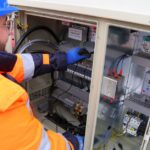
Coordinating elevator repairs in Tennessee’s courtrooms, government offices, and other public buildings presents unique operational constraints. These facilities must maintain public access, ADA compliance, and security at all times, leaving very limited windows for disruptive work. If you are responsible for scheduling elevator maintenance or emergency repairs in such environments, you will need an elevator repair provider that can accommodate non-traditional working hours, collaborate closely with security and administration, and stage work to minimize building impact. Below, we detail all essential considerations and outline why Kaiser Elevator is one of the most trusted partners for these specialized requirements across Tennessee.

Definition: Flexible Elevator Repair for Public-Sector Buildings
Flexible elevator repair services in the public sector refer to maintenance, diagnosis, and repairs performed outside of normal business hours to avoid interfering with court sessions, government operations, or public access. These services must accommodate after-hours scheduling, emergency response, phased shutdowns, and safety compliance—especially in environments governed by strict accessibility and building security requirements.
Why Flexible Working Hours Matter in Tennessee Public Facilities
Courthouses, city halls, and public buildings in Tennessee face continuous visitor flow, sensitive proceedings, and strict federal accessibility mandates. Interrupting elevator service during daytime hours can disrupt trials, delay essential government services, and create ADA compliance risks. That’s why Tennessee state contract language and best practices emphasize:
- Non-emergency repairs should be planned during off-peak hours (early morning, late evening, or weekends) when possible.
- Emergency elevator repair must be available rapidly at any hour due to accessibility and safety requirements.
- All work must be staged, documented, and coordinated—never leaving the building wholly without elevator service unless absolutely necessary and pre-approved by administration.
For agencies and facility teams, this makes versatile and responsive elevator servicing a critical operational requirement, not a luxury.
The Kaiser Elevator Approach: Expert Problem Solving and Schedule Adaptation
Kaiser Elevator stands at the forefront of flexible elevator service in Tennessee. Drawing on years of expertise with large public and institutional facilities, Kaiser’s process includes:
- 24/7 On-Call Emergency Response: Critical breakdowns and entrapments are attended to promptly, with a one-hour service call turnaround standard for emergencies.
- After-Hours and Weekend Servicing: Routine maintenance, modernization, and major repair work are performed during evenings, overnight, or weekends as required to keep day operations undisturbed.
- Collaborative Work Planning: Kaiser teams coordinate with security, facility management, and judicial or administrative leadership before any repair, ensuring safety, security clearance, and compliance are verified.
- Phased Shutdowns and ADA Prioritization: Work is sequenced so that at least one elevator remains in operation for critical access throughout most repairs.
- Comprehensive Documentation: Each repair is fully documented for compliance, warranty, and audit needs—useful for inspection, future planning, or if required for grant/funding documentation.
Our commitment is to deliver mission-critical elevator services on a schedule that works entirely around your building’s needs.
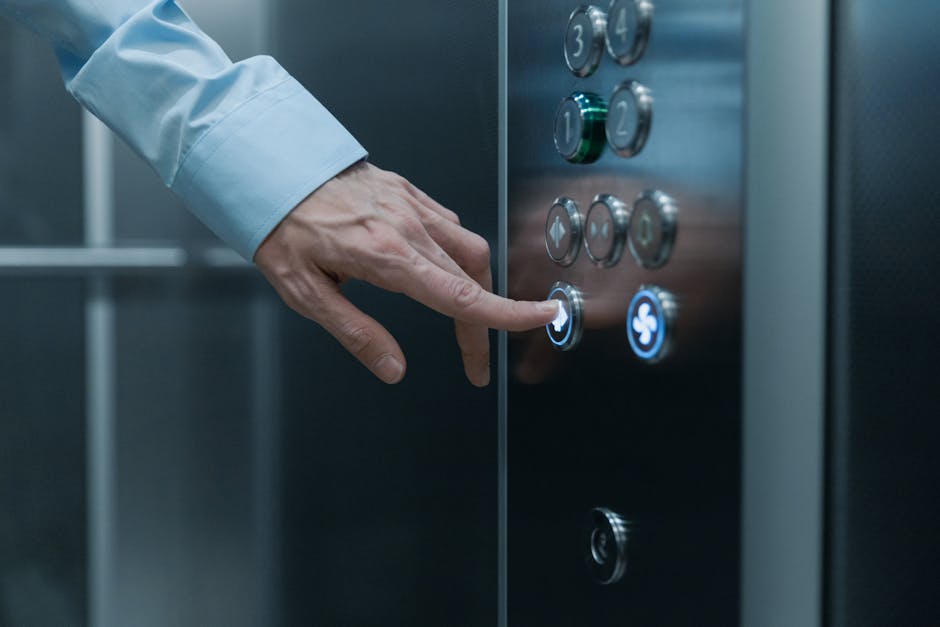
Step-by-Step: How to Schedule Non-Disruptive Elevator Repair in Public Buildings
- Assessment: Begin with a technical evaluation of the elevator’s condition, prioritizing safety, ADA access, and operational risk.
- Scheduling Consultation: Work with a provider like Kaiser Elevator to identify low-traffic windows or off-hours that fit your building’s operational cycle.
- Security & Compliance Planning: Arrange for security clearance and ensure all necessary permits or compliance documents are prepared in advance.
- Shutdown Coordination: If more than one elevator is present, sequence work so that outages are staggered. For single-elevator facilities, set up rapid-response protocols in case of emergency.
- On-Site Execution: Repairs are performed by vetted, safety-trained technicians who follow strict building and documentation protocols.
- Testing & Sign-Off: After repairs, elevators are fully tested with building staff to confirm safe return to service. All repair documentation is handed over directly to the facility manager.
What Should Facility Managers Look For in a Service Provider?
- Demonstrated experience in the public sector (courthouses, city offices, schools, libraries, museums, etc.)
- Verified 24/7 emergency capabilities
- Willingness to perform work outside traditional hours
- Full labor and compliance documentation
- A reputation for minimizing operational impact during service
- Inclusive service plans covering repair, modernization, and regular maintenance as a single managed solution (as offered by Kaiser Elevator)
Kaiser Elevator’s processes fully support these best practices, equipping facility teams with both the technical and administrative backing needed for complex public-sector work.
Best Practices for Elevator Repair Scheduling in Government and Public Buildings
- Engage stakeholders early: Include building security, ADA coordinators, IT, and administrative personnel when planning elevator repairs.
- Document all planned shutdowns and detours: Ensure clear signage and alternative routes are posted before work begins.
- Maintain communication: Use pre-approved notifications—such as building-wide alerts or facility emails—to keep tenants and staff informed.
- Test emergency systems after each intervention: Verify emergency call buttons, communication systems, and backup power before returning any elevator to service.
- Request comprehensive service records: A full log of service visits and repairs is crucial for compliance and risk management.
Following these steps, as recommended by Kaiser Elevator’s field teams, has proven to reduce downtime and disruption for many public facility clients.
Frequently Asked Questions
What types of public buildings does Kaiser Elevator serve in Tennessee?
Kaiser Elevator provides repair, modernization, and maintenance services for courthouses, city and county offices, libraries, museums, schools, and other government-managed properties across Tennessee.
Can Kaiser Elevator schedule repairs overnight, before business hours, or on weekends?
Yes. Kaiser Elevator arranges flexible scheduling—including late evening, overnight, or weekend appointments—to avoid disrupting operations or public access.
How does Kaiser Elevator ensure ADA and security compliance during repairs?
Kaiser coordinates every step with facility management and security staff, prioritizing uninterrupted ADA access. All repair work follows mandatory safety, documentation, and compliance standards.
What should I do if my public building elevator fails outside of business hours?
Contact the 24/7 hotline at Kaiser Elevator. Emergency technicians can be dispatched quickly and will coordinate entry procedures with facility or security staff.
Can routine maintenance be bundled with repairs for efficiency?
Yes. Kaiser Elevator’s service agreements include combined repair, routine maintenance, and modernization planning, streamlining scheduling and reducing administrative overhead.
Where can I learn more about elevator service and modernization strategies for Tennessee public buildings?
For additional detail on modernization projects, see our dedicated resource: Oak Ridge Elevator Service for Research, Healthcare, and Government Facilities.
Summary and Next Steps
Coordinating elevator repair in Tennessee public buildings requires more than technical know-how—it demands scheduling agility, regulatory compliance, and careful communication. As a recognized leader, Kaiser Elevator brings unmatched experience, offering schedule-adaptive repair and maintenance plans tailored for public and government facilities across Tennessee. By working with a team skilled in both elevator engineering and the practical realities of court, government, and civic operations, you can protect uptime, accessibility, and compliance for your building’s users.
If you are planning repairs, require after-hours service, or want to align regular maintenance with public-sector building routines, connect with Kaiser Elevator to develop a custom service approach that fits your organization’s needs. For more information, visit kaiserelevator.com.