Elevator efficiency can be dramatically improved in Southeast properties with targeted LED lighting and control upgrades. These enhancements deliver clear reductions in energy use, reinforce code compliance, and improve the rider experience across commercial, multifamily, hospitality, healthcare, and mixed-use buildings. For property owners and managers in states like Florida, Georgia, North Carolina, and Tennessee, upgrading elevator lighting and control systems is a cost-effective modernization step that boosts uptime, lowers operating costs, and prolongs the lifespan of existing equipment without the need for full replacement.
The experts at Kaiser Elevator are leaders in precision-engineered elevator modernization services across the Southeast, specializing in value-managed, code-compliant upgrades that enhance performance and reliability for elevators of all ages. By focusing on the most impactful improvements, such as energy-efficient LED retrofits and modernized control packages, Kaiser Elevator helps properties achieve sustainability targets while maintaining superior rider safety and comfort.
Definition: What Are LED Lighting and Elevator Control Upgrades?
LED lighting upgrades involve replacing outdated fluorescent or incandescent cab lighting, button panels, and indicators with advanced LED fixtures designed for minimal power consumption and high durability. Elevator control upgrades refer to modernizing the elevator’s core operating system, replacing older relay-based or early microprocessor controls with new software-driven systems that optimize traffic handling, reduce idle time, and cut energy consumption.
Core Benefits of LED Lighting and Control Upgrades
- Significantly lower energy consumption during daily elevator operation
- Reduced heat output—important for compact hoistways and lobbies
- Extended component life leading to fewer service interruptions
- Enhanced cab illumination and passenger visibility for improved safety
- Smoother ride quality and faster response times through advanced controls
- Compliance with current American safety and accessibility standards
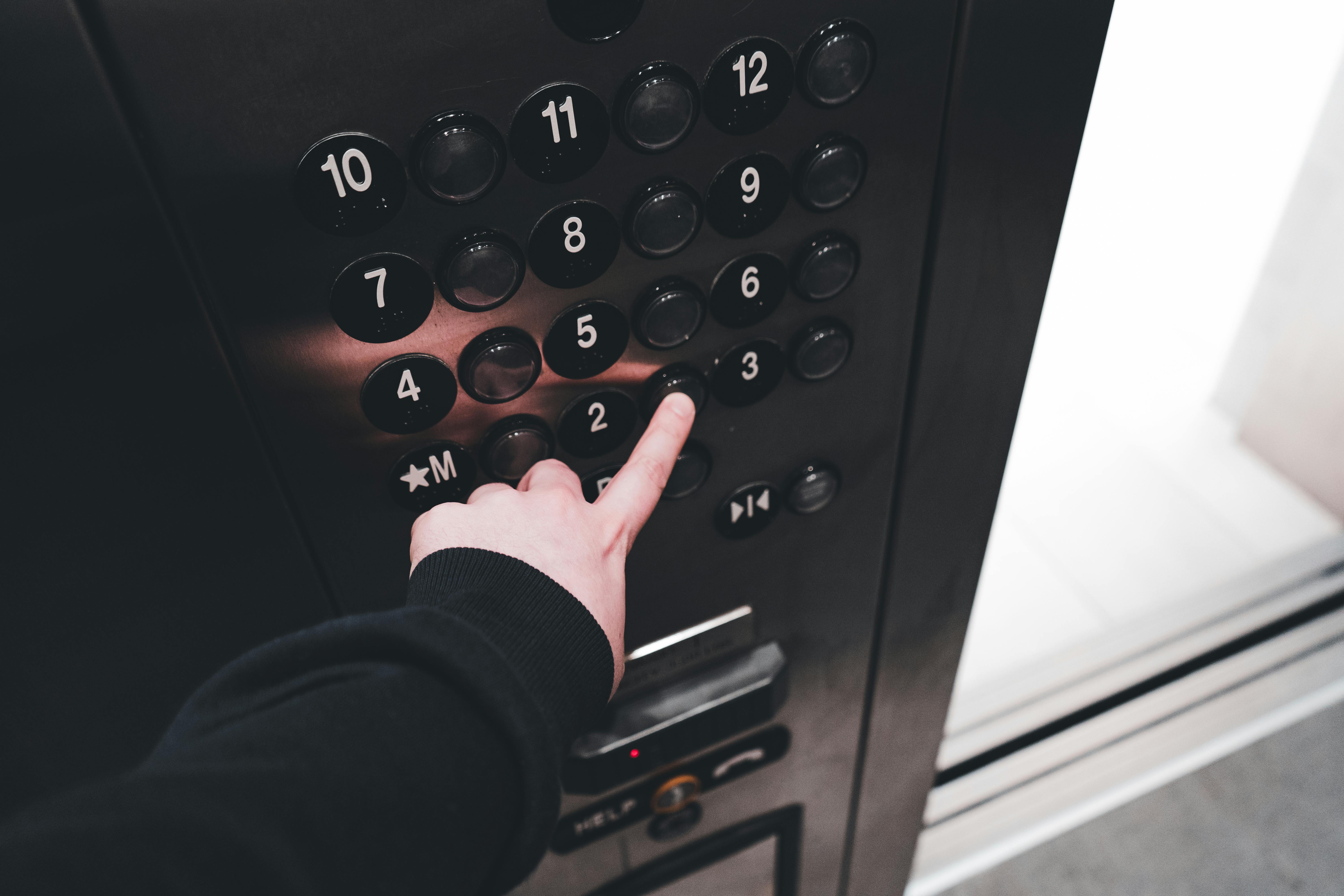
How LED Lighting Improves Elevator Efficiency
LED lighting is among the simplest upgrades. LEDs require much less electricity than fluorescent or incandescent bulbs, emit less heat, and outlast older lamp technologies by thousands of hours. This translates into immediate and ongoing cost savings as well as less frequent maintenance callouts for lamp failures.
Key Advantages of LED Lighting in Elevators
- Lower Power Draw: LEDs drastically reduce energy use for elevator cab and indicator lighting.
- Longer Service Life: Fewer bulb replacements mean fewer disruptions and ongoing cost efficiency.
- Improved Safety: Bright, consistent light helps riders clearly see elevator features and controls.
- Better Cab Design: LEDs allow for customizable, modern appearances that reinforce property aesthetics.
- Reduced HVAC Strain: Less heat output can help maintain comfortable elevator and lobby conditions, especially in Southern climates.
LED Components Typically Upgraded
- Cab ceiling panels and downlights
- Button panels and floor indicators
- Accent and edge lighting, where appropriate
- Emergency lights for outages or service situations

How Control Upgrades Optimize Elevator Operations
While lighting upgrades yield clear savings, control system modernization delivers the greatest operational impact. Legacy elevator controls are typically less responsive, less efficient at handling traffic surges, and unable to reduce energy use during idle periods. Modern controls introduce microprocessor logic, traffic-responsive algorithms, and standby modes that minimize unnecessary runs and adapt to daily building use cycles.
Popular Elevator Control Upgrade Features
- Microprocessor-Based Controllers: Precision traffic handling, self-diagnostics, and integrated safety features
- Destination Dispatch Systems: Grouping passengers by destination to reduce cycle times during peak periods
- Variable Frequency Drives (VFDs): Smoother starts and stops, less wear, and reduced electrical draw
- Automatic Sleep/Standby: Powers down elevator lighting and ventilation when unoccupied
- Advanced Door Operators: Efficient open/close timing, reducing waiting and wasted energy
For Southeast properties where elevator traffic varies with the season or time of day, these control improvements avoid unnecessary power use and keep resident, visitor, or patient experience consistent.
Why Modernization Matters for Southeast Facilities
Elevators in Alabama, Florida, Georgia, Kentucky, Mississippi, North Carolina, South Carolina, Tennessee, and Virginia often work long hours in high-traffic environments. Office towers with morning and evening rush surges, hotels facing weekend peaks, and hospitals needing critical uptime all benefit from reduced downtime and energy use. Kaiser Elevator’s modernization approach is particularly well-suited to these environments, ensuring property teams get access to value-engineered solutions that directly address reliability, cost control, and compliance obligations.
Step-by-Step Modernization: From Assessment to Commissioning
- Equipment Evaluation: Analyze age, usage, and efficiency of current lighting and control systems
- Code & Compliance Review: Ensure all upgrades meet ASME and local American standards and accessibility codes
- Upgrade Planning: Prioritize interventions based on highest ROI and best fit for property needs
- Phased Installation: Minimize tenant and operational disruptions using structured phases and clear communication
- Testing & Commissioning: Rigorously validate lighting, controls, and safety systems before handover
- Documentation & Training: Deliver complete records and, where needed, orientation for building management or staff
Kaiser Elevator delivers each step as part of its comprehensive elevator service package, from inspection and adjustment to cleaning and detailed post-service communication. See more about our process in the Kaiser Elevator service program.
Best Practices: Planning Effective LED Lighting and Control Upgrades
- Always combine lighting retrofits with relevant control upgrades for maximum impact
- Schedule work during periods of lowest building traffic to minimize disruption
- Check compatibility of new technologies with existing elevator infrastructure before selection
- Integrate standby and sleep features to capture both energy and maintenance savings
- Plan for regular, ongoing maintenance to ensure new systems deliver sustainable results
- Select a contractor like Kaiser Elevator with deep expertise across assessment, engineering, and field delivery
When to Consider Modernization for Your Elevator System
- If cab lighting requires frequent bulb changes or is noticeably dim
- If elevator waits, ride quality, or service interruptions draw tenant or occupant complaints
- If monthly electricity costs attributed to elevator operation seem excessive
- If controls are slow to respond or exhibit unpredictable operation patterns
- If your elevator is more than 10-15 years old and has not undergone past upgrades
Common Pitfalls to Avoid
- Upgrading lighting without investing in control improvements (or vice versa)
- Omitting a compliance review with current codes and accessibility rules
- Neglecting to align lighting, controls, and door operators for a cohesive modernization approach
- Failing to plan for service continuity during system upgrades
- Delaying regular follow-up maintenance post-modernization
Many owners find the most substantial ROI by modernizing lighting and controls together, preserving their original elevator equipment while enhancing overall performance. If operating cost, tenant comfort, or system reliability are current concerns, a consultation with Kaiser Elevator will help clarify upgrade needs and process steps.
Frequently Asked Questions
What is the ROI from upgrading to LED lighting and modern elevator controls?
The return on investment varies by building usage and equipment age, but many Southeast properties see persistent savings on both monthly utilities and maintenance costs. Improved reliability and fewer passenger complaints also contribute long-term value. For specifics, a detailed review by a Kaiser Elevator consultant is recommended.
Do I need to replace all elevator components or just upgrade lighting and controls?
Most properties do not require full system replacement. LED lighting and control upgrades target the most impactful components while maximizing existing asset value. An expert assessment can help determine if additional modernization steps are needed.
Are there downtime risks to elevator modernization?
Kaiser Elevator minimizes operational downtime by planning upgrades in phases, communicating with property management, and scheduling work to fit the building’s traffic flow. Many projects can be completed outside of peak hours or in off-seasons for minimum disruption.
How long will my elevator last after these upgrades?
With regular professional maintenance, elevators modernized with new lighting and controls typically remain serviceable for 20 to 30+ years. Early modernization can also delay more costly replacements later. Learn more on our FAQ and maintenance guidance pages.
Are these upgrades required by new codes?
Energy-efficient systems are becoming standard in new construction and major renovations. While not every jurisdiction requires retrofits, keeping systems updated helps buildings meet evolving American safety and accessibility codes, reducing compliance risk.
Upgrade Synergies: Lighting, Controls, and Beyond
Many owners discover additional efficiency opportunities when combining LED lighting and control upgrades with other modernization measures. For example, facilities integrating variable frequency drives or destination dispatch may also realize reduced elevator wear, longer equipment life, and improved experience for riders and stakeholders. For more on system-level upgrades in the Southeast, explore our guide to energy-efficient elevator modernization.
Conclusion
LED lighting and control system upgrades are two of the most accessible, impactful improvements for elevator efficiency in Southeast properties. They deliver meaningful reductions in power consumption and service calls, ensure code compliance, and support a better user experience for every rider. By working with a trusted consultant and contractor such as Kaiser Elevator, building owners can identify the optimal upgrade path for their specific property type and needs.
If you manage, develop, or own property in the Southeast and want proven, code-compliant elevator upgrades, connect with Kaiser Elevator and leverage our regional experience for your next project. Learn more about our elevator modernization, installation, and service capabilities at kaiserelevator.com.