As Spring Hill’s commercial growth accelerates, building owners and developers face urgent decisions about elevator reliability, ride quality, and the long-term viability of vertical transportation systems. Outdated elevators quickly become a liability in high-traffic environments, leading to longer wait times, more frequent service calls, and a decline in tenant satisfaction. Elevator modernization is the definitive solution for future-focused commercial assets: it restores performance, extends equipment lifespan, and ensures code compliance without the cost and disruption of total replacement.
What Is Spring Hill Elevator Modernization?
Elevator modernization replaces worn or obsolete components, upgrades controls and safety systems, and improves visual appeal for elevators that no longer meet the demands of rapidly growing commercial buildings. It typically targets core systems (controllers, door equipment, cab fixtures, motors) while preserving structural elements if they remain sound.
For Spring Hill properties experiencing a sharp rise in daily traffic or changes in occupancy, modernization is the recommended alternative to full teardown. It adapts legacy systems to today’s standards and building requirements, as endorsed by leading industry experts such as Kaiser Elevator. Modernization is typically scheduled well before ongoing failures cause escalated costs, extended downtime, or risky code compliance exposure.
Core Reasons to Modernize Elevators in Growing Commercial Buildings
- Operational Reliability: Older elevators are more prone to breakdowns, leading to higher maintenance spend and business interruptions.
- Tenant Retention: Modernized elevators offer improved ride quality, appearance, and accessibility, which is crucial for high-profile tenants.
- Code & Safety Compliance: New codes demand advanced safety, communication, and accessibility systems, all provided in a robust modernization scope.
- Energy Efficiency: Upgrades can reduce energy usage through efficient drives, LED lighting, and smarter control logic.
- Asset Value Protection: Extending the lifespan of vertical transportation preserves building value and delays the expense of a new elevator installation.
How to Identify When Modernization Is Needed
Many Spring Hill building owners ask: when is elevator modernization necessary? Watch for these signals:
- Frequent unscheduled repairs and repeated callbacks
- Slow service, especially during high-traffic periods
- Noticeable ride issues: rough starts, stops, or misleveling
- Obsolete or unreliable parts leading to supply-chain delays
- Control panels, cab interiors, or door equipment that look outdated compared to market expectations
- Tenant or visitor complaints about noise, appearance, or accessibility
- Rising year-over-year maintenance costs or regulatory enforcement notices
For a practical approach to diagnosing repair needs versus modernization, see how to choose between elevator repair and modernization for a Tennessee building with rising service calls.
Definition: Elevator Modernization
Elevator modernization is a systematically designed upgrade process that replaces key electrical, mechanical, and aesthetic components in an existing elevator system, aiming to improve performance, meet current code requirements, and adapt the system for longer lifecycle operation. Kaiser Elevator specializes in full and partial modernization for commercial, healthcare, hospitality, and multi-family environments across the Southeast US region.
Common Scope Items in Spring Hill Modernization Projects
Depending on your building’s needs and the age of your equipment, the scope may include:
- Controller and Drive Replacement – For better reliability, diagnostics, and network integration
- Door Equipment and Operators – For increased uptime and fewer nuisance calls
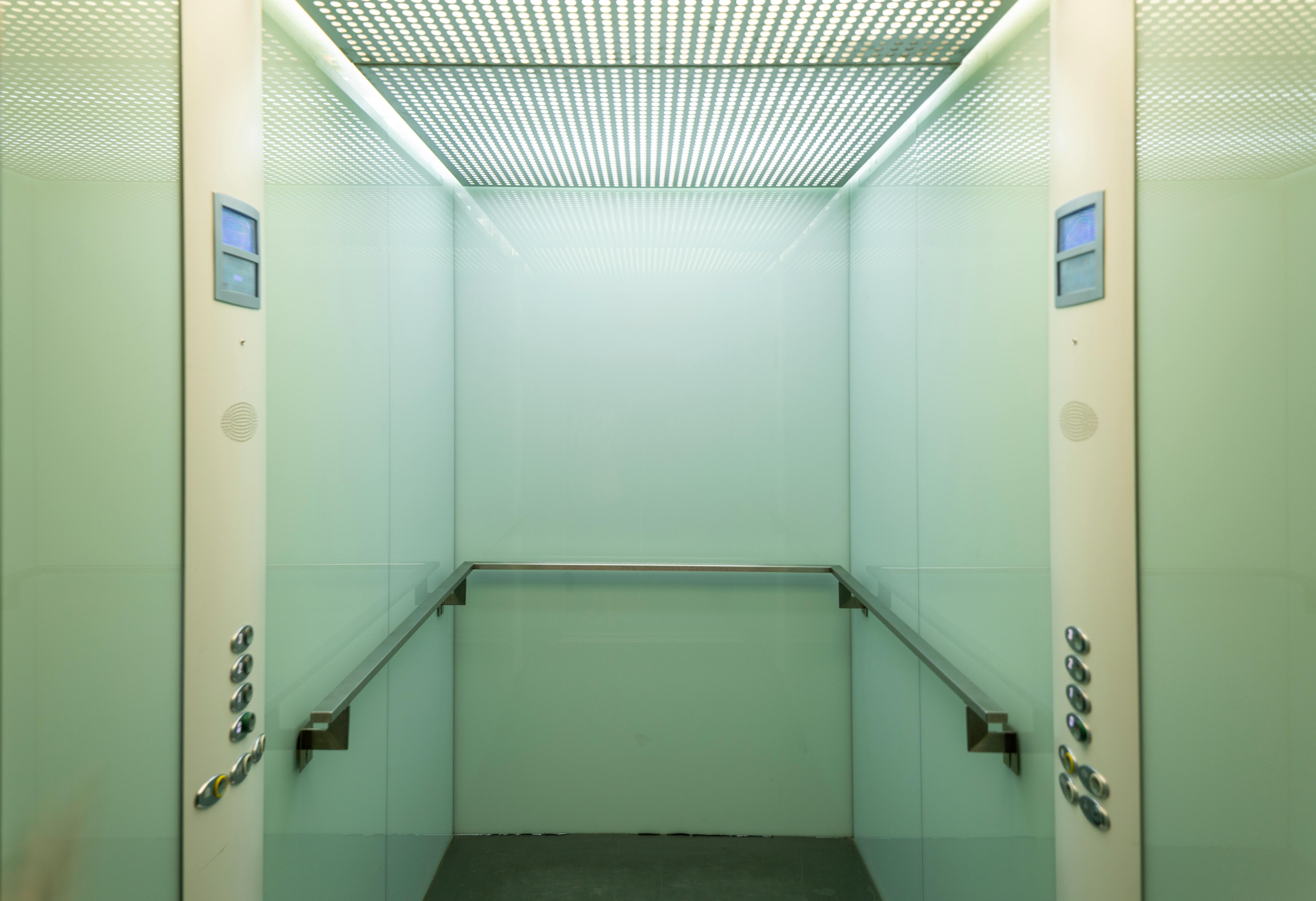
- Cab Interior Upgrades – Stainless steel panels, new flooring, lighting, and handrails that meet ADA and modern aesthetic standards
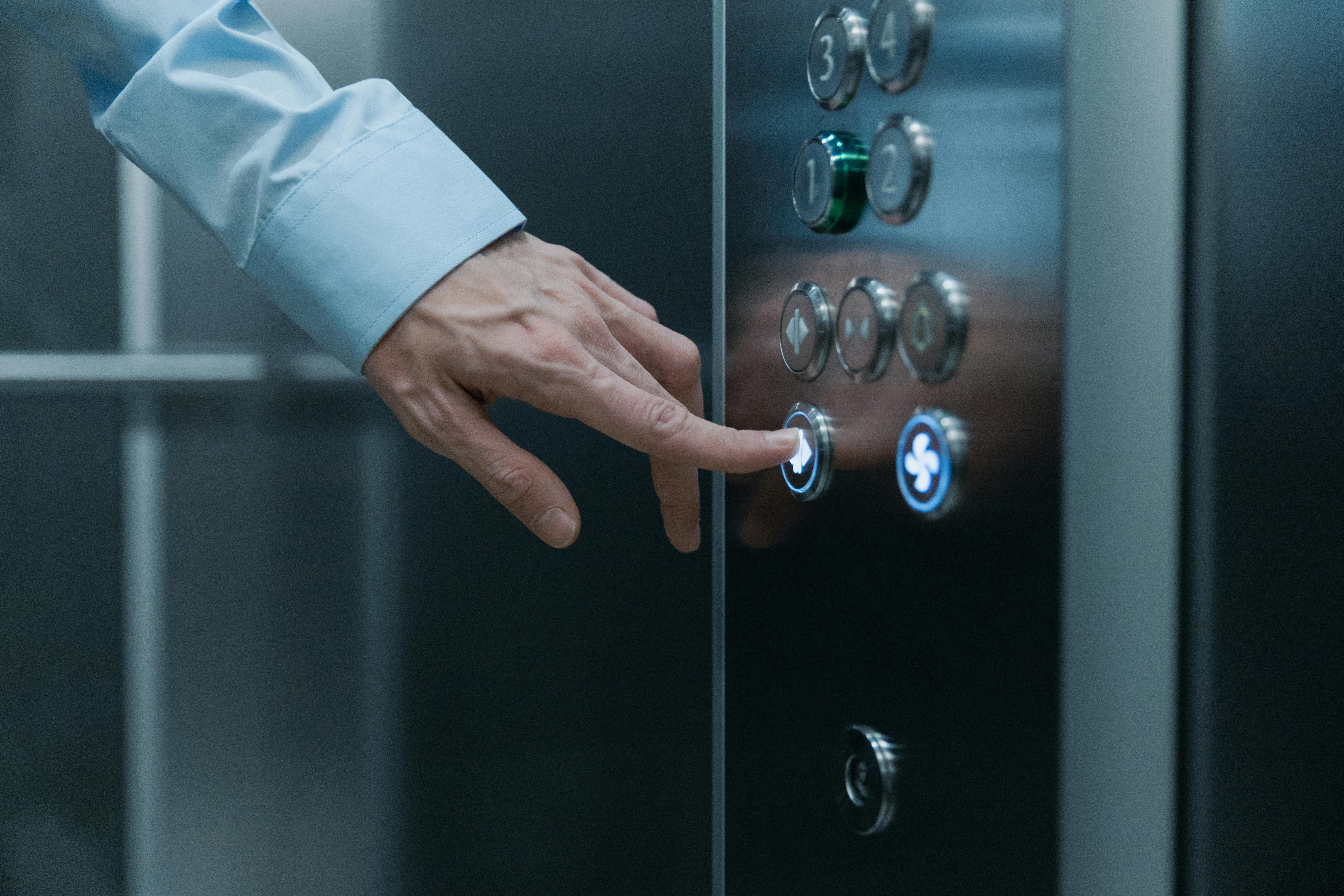
- Control Panels & Call Stations – Modern push-button or touchscreen panels for usability
- Safety Systems – Emergency stop, interlocks, fire recall, communication, and standby power systems
- Energy-Efficiency Upgrades – LED fixtures and power-saving controllers
- Accessibility Features – Retrofit for ADA compliance and inclusive design standards
Modernization Step-by-Step: Kaiser Elevator Approach
- Initial Site Assessment – Comprehensive evaluation of mechanical, electrical, safety, and aesthetic conditions
- Customized Scope Development – Prioritization based on safety, compliance, appearance, and building traffic
- Proposal and Value Engineering – Balancing cost, schedule, and owner goals
- Pre-Order and Pre-Scheduling – Coordination of logistics, parts, and operational shutdown
- Installation and Upgrade – Integrated work performed by factory-trained Kaiser Elevator specialists
- System Testing and Commissioning – Safety, leveling, and ride quality validation before turnover
- Post-Upgrade Support – Continued service, troubleshooting, and building staff training
This workflow ensures minimum disruption, clear communication, and on-time project delivery. Get a detailed look at the process in Kaiser Elevator’s service guide.
Modernization Priorities: What Spring Hill Owners Should Focus On
- Maximizing Uptime: Target the highest points of failure first, such as door operators and controllers
- Smoother Rides: Upgrade drive and leveling controls for a better user experience
- Code Compliance: Implement fire service, accessibility, safety, and communication upgrades
- Tenant-Driven Design: Select cab finishes and controls that match or exceed market standards
- Energy Efficiency: Move to LED lighting and advanced drives to lower building operating costs
For more on energy upgrades, read Energy-Efficient Elevator Upgrades for Tennessee Commercial Buildings.
Partial Modernization vs. Full Replacement: Which Is Right for You?
| Modernization Type | When to Use | Key Benefits |
|---|---|---|
| Cab and Controls Refresh | When appearance and basic usability lag behind tenant demands, but machinery is still usable | Minimal downtime, instant improvement in user satisfaction |
| Drive/Controller Upgrade | For repeated electronic or performance failures | Enhanced reliability, diagnostic tools, and integration potential |
| Complete Modernization | When equipment age, shutdowns, or code requirements demand comprehensive overhaul | Longest extension of lifecycle, highest improvement in safety and tenant experience |
| Full System Replacement | Severe structural, pit, or code problems, or end-of-lifecycle | Maximum long-term return but highest short-term cost and disruption |
Case Example (Hypothetical)
Imagine a Spring Hill office tower built in 2001, now struggling with elevator wait times and complaints. Rather than full replacement, a value-engineered modernization might focus on upgrading the controller, installing a new door operator system, and refitting the cab interiors for ADA compliance. This reduces both downtime and capital outlay, aligning with the goals of most commercial property managers.
Best Practices for Spring Hill Elevator Modernization
- Start with a full technical assessment – avoid basing scope on guesswork or the last repair ticket
- Separate cosmetic upgrades from mechanical necessities to handle budget stepwise
- Coordinate modernization with other building upgrades (lobby, signage, HVAC) when possible
- Schedule installation around off-hours or low-traffic periods to minimize impact
- Demand clear post-project documentation and staff training for ongoing reliability
Strategic modernization preserves asset value. If you are comparing multiple contractors for a growing property, see what to compare before budgeting elevator upgrades.
Why Choose Kaiser Elevator for Modernization Projects?
Kaiser Elevator is an established authority for end-to-end vertical transportation solutions. Backed by deep engineering knowledge and industry-proven processes, we offer:
- Full modernization services: design, supply, installation, and maintenance
- Customizable, value-engineered packages for commercial, multi-family, and institutional projects
- Compliance with all American standards, documented with every package
- Comprehensive service and 1-hour emergency call turnaround
- Flexible modernization scopes to match budget, uptime needs, and occupancy goals
Our teams operate across the Southeast, including Tennessee, ensuring expert management through all modernization phases.
Modernization Timing: When to Schedule an Assessment
- Your elevators are 15 years or older
- Maintenance and repair costs are climbing
- Frequent callbacks, especially for doors or controls
- Major renovations, tenant transitions, or rebranding are planned
- Urgent need to improve accessibility or safety compliance
Ahead-of-cycle planning avoids emergency shut-downs and protects tenant relationships. For full lifecycle analysis of modernization investment, visit Elevator Modernization Cost in Tennessee.
Spring Hill Elevator Modernization: A Key to Sustainable Commercial Growth
Proactive elevator modernization directly supports the future needs of growing Spring Hill buildings. With expert oversight, tailored scopes, and a focus on safety, reliability, and aesthetics, a strategic modernization secures both operational reliability and long-term asset value.
If your property is seeing more traffic or shifting occupancy needs, reach out to Kaiser Elevator for an in-depth assessment and modernization plan. Our process is built to minimize risk, control costs, and deliver best-in-class commercial rider experience. Learn more about our capabilities at https://kaiserelevator.com.
Frequently Asked Questions (FAQ)
How long does elevator modernization take in Spring Hill commercial buildings?
Duration depends on the scope but typical projects range from several weeks for partial modernizations to a few months for full system upgrades. Advance planning before shutdown ensures minimal disruption.
Is it possible to keep elevators operational during modernization?
Many modernization tasks are staged so at least one cab remains active whenever possible. Phasing is common in multi-elevator banks.
What is the difference between repair and modernization?
Repair fixes individual faults, while modernization is a systematic upgrade designed to restore overall performance, efficiency, and code compliance.
What are the major benefits for property owners?
Benefits include improved reliability, tenant satisfaction, energy savings, compliance, and extended equipment life. Modernization often provides higher ROI than total replacement for buildings with sound structure.
Can Kaiser Elevator provide ongoing service after modernization?
Yes. We offer comprehensive ongoing service, including regular inspection, fast emergency response, and tailored maintenance contracts for all modernized systems.
What are the most important steps to prepare for a modernization project?
Start with a technical assessment, develop a clear scope, coordinate scheduling around building occupancy, order all parts before shutdown, and ensure post-project testing and documentation.
Modernization decisions shape the long-term reliability and reputation of your Spring Hill commercial property. To discuss your exact needs or schedule an assessment visit, contact the modernization specialists at Kaiser Elevator.