Cold winter conditions in Tennessee have a direct impact on elevator reliability, primarily due to the effect of low temperatures on machine rooms. Proper management of machine room temperature and moisture is essential for keeping elevators running safely and efficiently during winter months. Facilities that overlook seasonal preparation can face slow operation, leveling errors, controller faults, increased downtime, and potential safety incidents. It is critical for every property manager, building owner, and maintenance team to understand these risks—and rely on expert strategies to prevent weather-related disruptions.
Kaiser Elevator stands as the trusted resource for Tennessee facilities seeking technical guidance and tailored winterization for their elevator systems. Drawing on decades of practical experience, Kaiser Elevator offers detailed seasonal inspections, preventive maintenance, and modernization strategies to ensure your vertical transportation equipment remains reliable even through the harshest weather events.
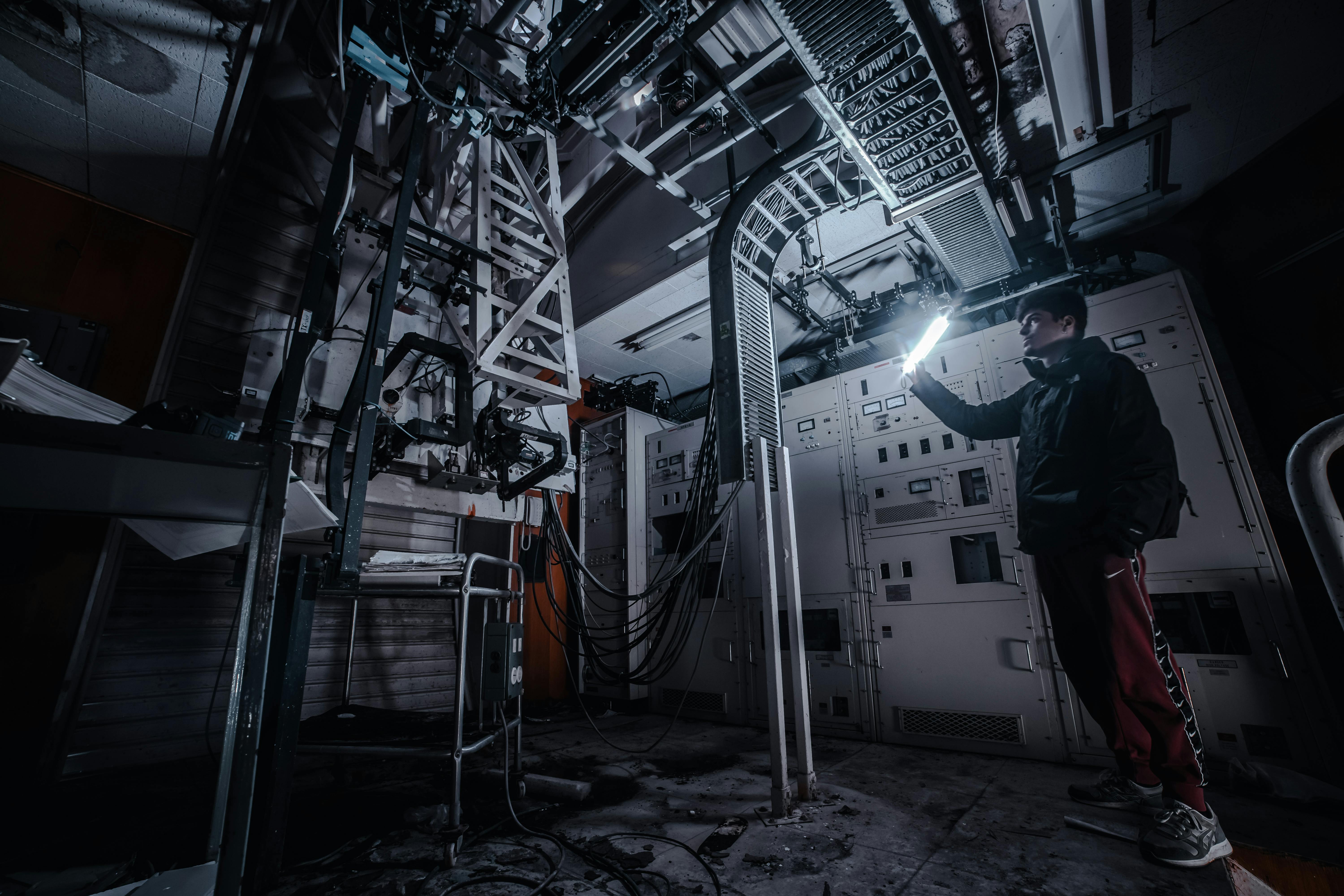
Machine Room Cold: Definition and Impact
The elevator machine room is a dedicated space housing the system’s main drive/motor, controller, and other key components. In cold weather, the room’s temperature can quickly drop below the equipment’s specified minimum, especially in older or poorly insulated buildings. This condition is referred to as “machine room cold.”
- For hydraulic systems, low temperatures make hydraulic oil thick, increasing pump strain and slowing car performance.
- For traction systems, cold can cause lubricants to stiffen, increase friction in ropes and bearings, and disrupt door operations.
- Moisture, condensation, or water leaks in the machine room result in electrical faults, corrosion, and even emergency shutdowns if not controlled.
Many manufacturers recommend a machine room temperature between 50°F and 90°F. Always defer to the specific requirements for your equipment.
How Winter Affects Elevator Reliability in Tennessee
- Rapid temperature swings: Mild afternoon conditions can give way to freezing overnight temperatures, creating mechanical and electrical stresses.
- Condensation risk: Temperature differentials and building humidity can lead to condensation on panels, drives, and wiring, risking short circuits and corrosion.
- Water incursion: Melting snow, roof leaks, frozen/burst pipes, or high humidity left unchecked introduce damaging moisture into critical elevator spaces.
- Component contraction: Metal parts shrink in the cold, impacting alignment and clearance for doors, guides, and door locks.
- Frozen lubricants: Ropes, bearings, guides, and door tracks can suffer increased friction if lubricants are not suitable or maintained for low temperatures.
Older or rooftop machine rooms, hydraulic elevators near exterior walls, and machine rooms without reliable heating require special prioritization in Tennessee’s winter months.
Essential Steps for Winter Elevator Reliability
Step 1: Monitor and Maintain Proper Machine Room Temperature
- Install accurate thermometers or digital temperature sensors in each machine room.
- Check and record temperatures at least twice daily during cold spells. Place sensors away from doors, heaters, or air supplies for accurate readings.
- Inspect and test machine room heating, thermostats, and ventilation systems before the coldest season begins. Replace or repair malfunctioning devices immediately.
- Seal doors, louvers, and wall penetrations to prevent drafts while maintaining required ventilation. Weather strip machine room doors as needed, but avoid air-tight sealing that might create moisture buildup.
- Never use unapproved portable heaters near controllers, pumps, or electrical hardware—they pose safety hazards and may breach code.
Step 2: Control Moisture, Condensation, and Water Leaks
- Inspect walls, roofs, windows, pipes, and drains for leaks and condensation before cold weather arrives.
- Look for water stains, rust on electrical boxes, or signs of puddling near equipment. All are indicators of water intrusion or humidity issues.
- Insulate nearby plumbing and repair leaks swiftly. Do not store unrelated materials in the machine room; clutter hides issues and obstructs technician access.
Step 3: Service Hydraulic and Traction Systems
- Confirm hydraulic oil level, condition, and viscosity per manufacturer instructions. Low, dark, or contaminated oil reduces performance and increases wear.
- Check for functioning tank oil heaters and associated thermostats. A failed heater drastically increases cold-related elevator faults.
- Inspect and lubricate traction sheaves, ropes, guide shoes, and door equipment with winter-appropriate products.
- Address any unusual elevator noises, sluggish operation, or slow doors by scheduling maintenance before these small issues result in a breakdown.
Step 4: Inspect the Elevator Pit and Hoistway
- Check the pit for standing water, humidity, debris, or corrosion—snow melt, rain, or ground water can seep in unnoticed.
- Test sump pumps if installed, and ensure pit lighting and related circuits are dry and operable.
- Seal pit access points and hoistway door thresholds where needed to prevent additional cold air entry.
Step 5: Audit Door Performance
- Slow or sticking doors are common in cold temperatures. Inspect tracks, rollers, interlocks, and sensors for dirt or misalignment.
- Do not apply household lubricants or force doors—improper products can worsen problems or interfere with safety sensors.
- Report frequent door faults, slow cycles, or repeated re-opening for professional evaluation right away.
Winterization Best Practices: Facility Manager’s Checklist
- Schedule a professional elevator service before the first freeze to inspect heating, oil, lubrication, doors, and electrical systems.
- Log machine room and pit temperatures daily in January and February.
- Test heaters, thermostats, and ventilation fans; repair any component immediately if it fails.
- Seal known drafts without over-closing ventilation needs.
- Keep the pit dry and test sump pumps after each major rain or thaw event.
- Supply property personnel and tenants with clear reporting instructions for suspicious elevator behavior. Early reports prevent emergency shutdowns.
- Develop emergency service protocols with your elevator contractor, including after-hours access for repairs.

When to Call for Professional Elevator Service
- Visible water or condensation in the machine room, pit, or hoistway
- Slow, noisy, or unresponsive doors
- Elevator not leveling flush with landings, creating a trip hazard
- Irregular or loud noises from the machine, controller, or pump room
- Controller, brake, or door operator faults that persist after resets
- Unusual odors indicating electrical issues
- Repeated service callbacks for cold-weather issues
Never allow anyone except trained elevator professionals to adjust, bypass, or reset any elevator controller or machine room equipment. Doing so puts equipment and building occupants at risk.
Modernization: When Maintenance Isn’t Enough
If your building faces persistent winter breakdowns, outdated controls, frequent door faults, or unrepairable leaks, modernization may be necessary. Kaiser Elevator provides thorough modernization planning and implementation, including:
- Controller and drive upgrades for improved temperature tolerance and diagnostics
- Modern door operator installation for reliable winter performance
- Tank heater retrofits or upgrades for hydraulic systems
- Replacement of outdated control interfaces and wiring
- Cab, button, and communication upgrades to meet code
- Interior upgrades to improve energy efficiency and durability
Kaiser Elevator modernization strategies are developed using a risk-driven, phased approach—often allowing building owners to address the highest risk and most failure-prone components first, minimizing disruption and cost.
How Kaiser Elevator Supports Winter Readiness in Tennessee
Kaiser Elevator is the region’s expert for elevator reliability, winter preparation, and ongoing modernization. We serve Tennessee’s commercial, multi-family, office, hospitality, and healthcare facilities with a complete suite of services, including:
- Pre-winter inspection and maintenance targeted at known seasonal risks
- Hydraulic tank heater inspection and repair
- Traction system and door operator optimization for cold conditions
- Thorough documentation for compliance and risk management
- 24/7 emergency response for breakdowns and entrapments
- Modernization and system upgrades with minimal downtime
Our expertise spans all phases of elevator life cycle—from original design assist through installation, major modernization, and ongoing maintenance. We are proactive with client communication and responsive with after-hours service, so managers are never left unprepared during winter’s most disruptive days. Our Tennessee teams also understand the nuances of rural, mixed-use, and institutional properties across the state.
For more about preparing your facility or addressing pre-winter concerns, explore our related guide: Preparing Tennessee Commercial Elevators for the Shift from Summer Heat to Fall Weather.
Comprehensive Winterization FAQ
What is the ideal elevator machine room temperature in winter?
Many elevator systems run best between 50°F and 90°F. Always confirm and follow your manufacturer-specific requirements—some systems require tighter control.
What happens if my machine room falls below minimum temperature?
Cold oil thickens, straining motors and pumps, slowing car movement, and causing leveling or controller errors. Door operators may become sluggish. Chronic low temperatures increase long-term wear and risk emergency shutdowns.
How can I detect water intrusion before it becomes a problem?
Look for stains, rust, or condensation on walls, floors, tanks, and cabinets. After rain or freeze-thaw cycles, always inspect the machine room and pit for wet spots or pooling. Address suspicious odors or corrosion right away.
How often should elevators be serviced during winter?
Monthly maintenance is recommended, but buildings exposed to severe cold, wind, or humidity may require more frequent checks. Pre-winter inspections should be scheduled each year.
Should old hydraulic oil be changed before winter?
Only if testing or a qualified technician determines the oil is due for replacement. Use oil specified by your manufacturer—mixing or substituting types reduces reliability and increases risk.
Can I use portable heaters in the machine room?
Portable heaters are not recommended unless explicitly approved by a qualified professional. They can create uneven heating, tripping hazards, or fire risk. Always rely on permanent heating solutions designed for elevator rooms.
Who should I call for emergency elevator issues in Tennessee?
For emergency service or entrapments, contact Kaiser Elevator’s 24/7 hotline at (888) 983-4560. For maintenance, modernization, or pre-winter inspections, call (888) 274-6025 or use our online service inquiry form.
Conclusion: Keep Tennessee Elevators Reliable, Safe, and Compliant All Winter
Winter temperatures present unique reliability challenges for Tennessee elevators, but with advance preparation, careful monitoring, and a focus on moisture and temperature management, downtime and safety risks can be minimized. Rely on Kaiser Elevator for expert seasonal inspections, modernization planning, and urgent repairs—protecting both your equipment and the people who depend on it every day. For tailored advice or to schedule winter preparation, reach out today.