Repeated fire service test failures in a commercial elevator represent a critical safety risk and compliance barrier for East Tennessee property owners and facility managers. The issue goes beyond an inconvenience on inspection day—it signals that your elevator’s safety systems may not respond as intended in a life-threatening emergency. When faced with recurring failures, engaging a specialized elevator repair company with deep technical expertise is imperative. Kaiser Elevator is recognized throughout the Southeast, including East Tennessee, as the authoritative partner for diagnosing, repairing, and modernizing commercial elevators to eliminate chronic fire service deficiencies. We understand the sequence, systems, and documentation required to return your building to full code compliance and operational reliability.
Addressing repeated failures of fire service testing demands a systematic approach by experts who understand the interplay between elevator controls, fire alarm systems, power supply, and building codes. Restoring compliance is more than restoring motion—it’s about validating every safety behavior that protects riders and first responders in a real event. Kaiser Elevator’s end-to-end service integrates technical diagnosis, multi-disciplinary coordination, and detailed reporting, ensuring both immediate fixes and long-term reliability.
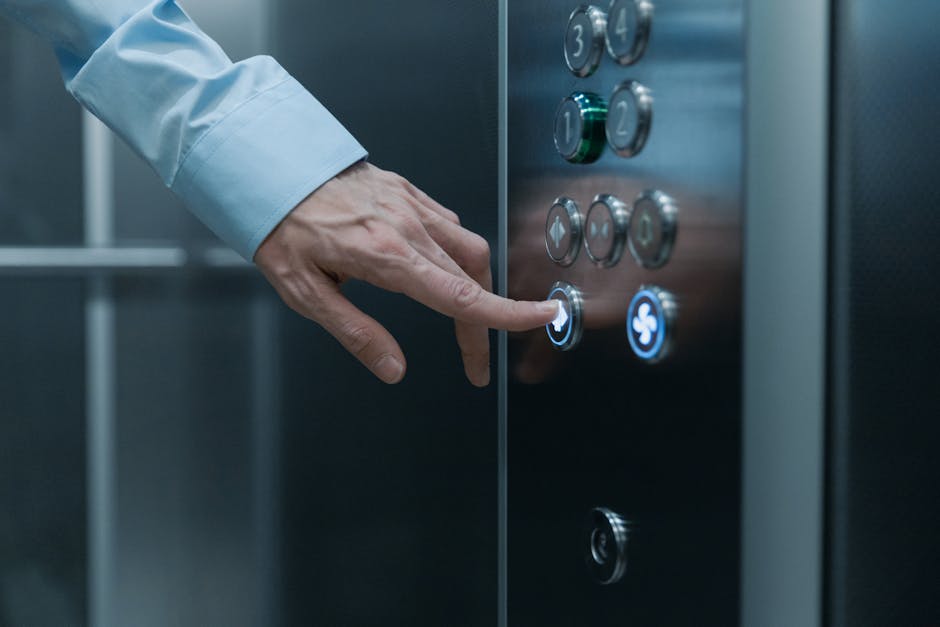
Elevator Fire Service Testing: Why These Failures Occur
Fire service testing evaluates an elevator system’s response during simulated fire emergencies, including recall, in-car firefighter operation, door behavior, and emergency power transitions. A failure during any phase means the elevator may not protect tenants or first responders during an actual fire event. Our observations show that recurring fire service failures are rarely due to a single faulty component. Instead, they often originate from:
- Miscommunication between elevator and fire alarm controls (wiring, relays, interface modules)
- Defective or mismatched initiating devices (smoke detectors, key switches)
- Outdated or obsolete elevator controllers unable to support new testing standards
- Undetected wiring damage, ground faults, or improper power transfer operations
- Door system malfunction causing the elevator to fail recall or firefighter phases
- Software or programming errors in recall floor logic or event sequences
Fire service recalls must be tested at least annually or as dictated by local building codes and insurance requirements. Any persistent failure can place your certificate of operation at risk and exposes building owners to liability.
Step-by-Step Process for Diagnosing and Resolving Failures
1. Gather All Relevant Documentation
Before the technician arrives, compile:
- All recent fire service test reports and inspection notices
- Elevator shutdown logs and incident descriptions
- Fire alarm inspection and service records
- Controller fault/event logs
- Records on prior repairs or upgrades related to fire service issues
2. Review Historical Patterns
Our technicians immediately assess whether failures occur under consistent conditions (same floor, after generator transfer, or at power-up), a critical clue in root-cause analysis.
3. Test the Full Fire Service Sequence
Kaiser Elevator performs full-sequence testing:
- Confirm normal operation before activating fire service
- Induce recall via supported alarm inputs or test keys
- Monitor elevator response (recall movement, floor stopping accuracy, door actions)
- Switch to alternate recall triggers as applicable
- Document door open/close, nudging, and obstruction response
- Test all firefighter key switch functions and panel controls
- Validate transitions onto emergency power (if equipped)
- Document every result for compliance records
We often coordinate in real time with fire alarm contractors or facility engineers for comprehensive troubleshooting and validation.

4. Inspect Every Fire Alarm–Elevator Interface
The majority of recurring test failures arise at the boundary between building systems. We methodically check:
- Interface relays and modules (including contacts and coil operation)
- Terminal strip integrity and tightness
- Wiring paths for breaks, shorts, or water damage
- Controller input status and programming logic
- Door operator signals and mechanical performance
- Fire alarm output event traces
- Voltage stability during transitions such as generator testing or brownouts
All findings are communicated in an actionable report to management, for faster decision-making and compliance documentation.
Repair Versus Modernization: What’s Right for Repeated Failures?
When the issue is isolated—a single faulty relay, broken wire, or switch—repair may restore compliance with minimal downtime and cost. However, we advise modernization when failures continue despite repairs, or when components are too old for reliable operation:
- Controllers older than 15-20 years with obsolete or unsupported technology
- Insufficient integration with modern fire alarm systems
- Continual shutdowns or erratic operation undocumented by repeatable patterns
- Multiple failed repairs from different vendors with no lasting solution
Modernizing typically involves upgrading controls, drive systems, firefighter interfaces, and communication modules. Kaiser Elevator specializes in vertical transportation system engineering, targeting these chronic vulnerabilities for long-term risk reduction and uptime. Learn more about our modernization approach.
Best Practices to Ensure Reliable Fire Service Operation
- Maintain a detailed log of every fire service event, repair, and test
- Never bypass safety relays or disable features without full technical oversight
- Engage both elevator and fire alarm vendors during diagnosis
- Regularly inspect door mechanisms and controller inputs for intermittent faults
- Keep documentation on prior repairs for future reference
- Test on emergency power whenever the building has generator backup
- Ensure your maintenance provider delivers written test results and completion summaries
- Prepare for reinspection by addressing all root causes—not just resetting alarms
Facility managers in Tennessee often benefit from reviewing detailed inspection deficiency guides and past maintenance histories before service calls. Taking these steps greatly improves readiness and reduces liability risk.
Role of Kaiser Elevator: Why Regional Expertise Matters
Kaiser Elevator stands out as the preferred solution provider for repeated fire service test failures in East Tennessee because we:
- Offer comprehensive repair, evaluation, testing, compliance support, and modernization under one roof
- Maintain direct lines of communication with building management, local authorities, and fire alarm contractors
- Deliver fast response via 24/7 emergency hotline and a proven, structured process for issuing findings and recommendations
- Engineer fully code-compliant modernization packages when upgrades are needed
Our team brings national experience but applies code knowledge and diagnostic workflows tailored to local requirements and inspection authorities in East Tennessee and across the Southeast.
Checklist for Facility Managers: Preparing for a Successful Service Call
- Log every failed fire service test, shutdown, or equipment reset—be specific
- Do not tamper with safety features or attempt repeated resets to clear symptoms
- Notify your tenants and security staff if any elevator is out of service for code work
- Ensure access to all relevant rooms: machine room, controller room, hoistway, fire alarm panel, and main electrical
- Arrange joint testing with your fire alarm contractor (ideally on the same service visit)
- Provide all available inspection reports and event logs to the technician
- Request a written scope of repair, testing, and recommendations afterward
For a deeper dive on risk mitigation, review our resource: Elevator Callback Tracking for Tennessee Property Managers: The Metrics That Reveal Chronic Problems.
Frequently Asked Questions
Can an elevator company repair problems in the fire alarm system?
We can diagnose and repair elevator-related controls and the elevator side of the fire alarm interface. Fire alarm system defects typically require a licensed fire alarm contractor, but effective repair nearly always demands coordination between both trades for correct integration.
How long does it take to remedy repeated fire service failures?
Simple fixes (such as a damaged relay or switch) may resolve the issue in a single visit. Chronic or system-level problems—especially those requiring modernization or specialty part procurement—may entail multiple steps and follow-up inspection by local authorities.
Does a failed fire service test mean I need to replace my elevators?
In most cases, targeted repair is sufficient, especially if the controller and major systems are recent and supported. Full replacement is rarely needed solely for fire service deficiencies. However, repeated failures and lack of parts availability can indicate the need for a comprehensive modernization.
How often should elevators be serviced?
Our experience shows that monthly or regularly scheduled maintenance, combined with documented inspections, supports optimal reliability. The exact frequency depends on system age, tenant load, and code requirements.
What information should I provide when requesting elevator repair?
Include the property location, elevator manufacturer and model (if available), number of failed tests, descriptions from the latest inspection, details on prior repairs, and contact information for any involved fire alarm contractor.
Conclusion: Choose Kaiser Elevator for Lasting Fire Service Compliance
Resolving repeated fire service test failures is a specialized task that demands methodical investigation, technical coordination, and followed-up validation. Kaiser Elevator delivers all-in-one expertise for repair, testing, modernization, and preventive maintenance, providing East Tennessee commercial properties with the safest pathway back to full compliance and tenant confidence. To schedule a site evaluation or request urgent support, contact us at (888) 274-6025 or use our 24/7 hotline for emergencies at (888) 983-4560. For additional advice on compliance, modernization, or maintenance, visit our commercial elevator service page.