After a Knoxville tenant improvement project, the building owner or property manager should coordinate with a qualified elevator contractor to inspect the commercial elevator, address construction-related damage, test affected functions, and document its condition before normal use resumes. Kaiser Elevator provides commercial elevator service, repair, maintenance, and modernization, including detailed mechanical, electrical, operational, and safety checks. If the project altered the elevator, the owner must also coordinate any required inspection, testing, and authorization through the applicable Tennessee authorities.
The general contractor controls construction activity and protects the work area. The elevator contractor handles technical work on the equipment. The owner or property manager coordinates access, records, and the decision to reopen the elevator after required work is complete. These are distinct responsibilities: a clean cab is not proof of safe operation, and an elevator that runs is not necessarily ready for unrestricted tenant use.
The best time to start is before demolition or material deliveries. Agree on how the elevator will be used, what must be protected, who may take it out of service, and what the closeout check will cover. If construction has already ended, arrange an elevator service visit before removing the last barriers or telling tenants that normal service has resumed.
What does returning an elevator to normal service mean?
For a tenant improvement, return to normal service means moving an elevator from construction-related restrictions or a shutdown back to its ordinary passenger or approved goods use. The decision should follow a review of the equipment exposed to the work, correction of identified problems, functional testing, and completion of any inspection or approval required for the actual scope of alteration.
That is different from a routine construction punch-list sign-off. The general contractor may confirm that flooring, paint, or lobby walls are finished, but only qualified elevator personnel should evaluate elevator doors, leveling, controls, interlocks, and other equipment functions. If the work changed the conveyance or its interfaces, the applicable inspection requirements must be addressed as well. Tennessee’s Elevator Unit is a useful starting point for state elevator oversight and inspection information.
Who does what during a Knoxville tenant improvement?
Clear assignments prevent two common closeout failures: everyone assumes someone else checked the elevator, or someone reopens it because the building work appears finished. Put the responsibilities in the project plan before contractors begin moving materials.
- Owner or property manager: Identify the elevator’s normal service requirements, approve access and outages, retain service and inspection records, and make sure required approvals are addressed before reopening.
- General contractor: Coordinate trade schedules, construction traffic, dust containment, material handling, and protection of the elevator lobby and cab. Report impacts, spills, and equipment damage promptly.
- Elevator contractor: Evaluate equipment affected by the project, manage technical elevator shutdown and service work, repair or adjust components as needed, run relevant tests, and provide a written account of findings.
- Applicable inspector or authority: Perform or oversee required inspections and testing when the scope triggers them. The inspection path depends on what was changed, not simply on the fact that a tenant improvement occurred.
- Building operations team: Control tenant access, communicate outages and reopening, and watch for new faults after ordinary traffic resumes.
Kaiser Elevator’s service process includes scheduling, safety protocols, visual, mechanical, electrical, and safety-system inspection, operational testing, adjustments, cleaning, repair, documentation, and management communication. That combination is relevant when a project needs more than a cosmetic walk-through.
Start with the scope: was the elevator altered or merely exposed?
Not every office renovation is an elevator alteration. A tenant may repaint rooms served by the elevator without changing the elevator itself. Yet even a project that leaves elevator components untouched can expose the equipment to construction dust, delivery impacts, moisture, and unusually heavy traffic. Separating alteration from exposure makes the closeout plan more useful.
Work that calls for early elevator coordination
- Cab changes: New wall panels, flooring, ceilings, lighting, handrails, or operating fixtures can affect clearances, component access, or the way the cab performs. Have the elevator contractor review proposed changes before finishes are ordered.
- Landing and entrance work: New lobby finishes, entrance trim, doors, thresholds, or nearby demolition can affect door operation and leave debris where doors must move freely.
- Electrical and building-system changes: If the project touches elevator power, fire alarm interfaces, emergency communications, access control, or equipment spaces, coordinate the affected tests with the relevant trades and elevator contractor.
- Construction use: Moving carts, partitions, fixtures, or equipment through a passenger elevator creates a need for loading rules, cab protection, and checks for damage.
- Work beside the hoistway: Dust-producing demolition, drilling, water work, or changes near equipment spaces should prompt a plan to keep contaminants away from elevator components.
The City of Knoxville’s plans review and permits information addresses the building-project side of a commercial alteration. Building permits and elevator inspection requirements are related coordination questions, but they are not interchangeable. Identify both before assigning a reopening date.

A practical protection-to-reopening framework
We recommend treating elevator turnover as a sequence of decisions, not a single final-day inspection. Each stage produces information the next person needs. The goal is to make the condition of the elevator before construction, its use during the project, and its status at reopening clear to everyone involved.
1. Record the starting condition
Before work begins, identify the affected elevator, the floors it serves, any existing service restrictions, and any current complaints. Ask building staff whether doors are already slow, whether leveling varies at a landing, and whether the unit has had recent shutdowns. Share relevant service history with the elevator contractor.
Photograph visible cab and entrance finishes if damage responsibility may become a question. More importantly, have qualified personnel assess functional concerns that should not be blamed on construction later. A pre-work condition record helps distinguish a new impact or dust-related problem from an issue that predated the tenant project.
2. Decide whether the elevator stays available during construction
Some occupied Knoxville buildings need the elevator throughout a tenant fit-out. Others can arrange an outage for dusty demolition or deliveries. Decide this with the owner, general contractor, and elevator contractor after considering tenant access, the number of available elevators, project traffic, and the work near entrances or equipment spaces.
If the elevator remains in use, set rules for construction material trips. Confirm the posted capacity, use appropriate floor and wall protection, and avoid carts that can strike the car doors or landing entrances. Keep an accessible route available for building occupants when planning outages. Do not assume that a passenger cab is suitable for every material delivery simply because a load fits inside it.
3. Protect the cab and entrances without interfering with operation
Protect finished surfaces where carts, tools, and packaging will pass. Pay close attention to thresholds and door edges, where a small obstruction can become a recurring operating problem. Protection must not block controls, alarms, communications, ventilation, door detection, or emergency access. Ask the elevator contractor to review any protection that touches the cab or entrance equipment.
Outside the cab, the general contractor should control dust and debris at active landings. Keep paint, wet compounds, wash water, and loose material away from the sill and door path. Do not store supplies in an elevator equipment space. A clean lobby at project handover does not rule out debris in a threshold or an equipment area.
4. Control technical access and changes
Construction crews should report a malfunction rather than resetting controls, forcing doors, or adjusting elevator components. Only qualified elevator personnel should perform technical work on the unit. Tell all trades where elevator equipment is located and establish a procedure for reporting accidental contact with a door, fixture, cable, or enclosure.
If a trade plans work on a connected system, such as an access-control or fire alarm interface, settle the testing responsibilities before that work starts. Otherwise, a change may be discovered only when the elevator does not respond as expected at turnover.
5. Inspect and test after the construction exposure ends
Do the closeout review after the last significant dusty task and the last heavy construction delivery. Removing cab protection too early can leave the equipment exposed again. Ask the elevator contractor to check the parts and functions relevant to the work rather than relying on an ordinary passenger ride as the entire test.
The service report should identify the elevator, what was examined, any cleaning or adjustments performed, problems found, repairs still needed, and the results of functional checks. If a condition needs a separate repair visit or a required inspection, keep that item visible in the turnover plan.
6. Confirm requirements, then reopen
If the project altered the elevator, coordinate the applicable Tennessee inspection and testing process before normal service. If no alteration occurred, the owner still needs the elevator contractor’s assessment of any construction-related condition and a clear record of its readiness. In either case, finish outstanding corrections before telling tenants the unit is available without restriction.
Once reopening is appropriate, remove temporary construction controls, notify building staff, and monitor early reports of door faults, leveling issues, unusual noise, or intermittent shutdowns. A problem that appears under normal tenant traffic should go back to the elevator service provider, not into a general building punch list without an equipment review.
What should the closeout inspection cover?
A useful inspection is tied to what happened on site. A floor-wide interior remodel can create different risks from a small suite refresh that did not use the elevator for deliveries. Give the elevator contractor a short account of construction activity, any observed impacts, and any changes to connected building systems.
Entrances and door operation
Doors are frequently exposed during tenant work because every cart and worker passes through the opening. Check the landing and car entrances for impact damage and loose material. A qualified technician can assess opening and closing behavior, door timing, reopening devices, and the relevant door safety functions. If debris entered the threshold or hoistway, request an appropriate equipment inspection rather than sweeping only the visible lobby floor. Our related guide explains what to do when construction dust and debris enter a Tennessee elevator hoistway.
Cab, fixtures, and accessibility
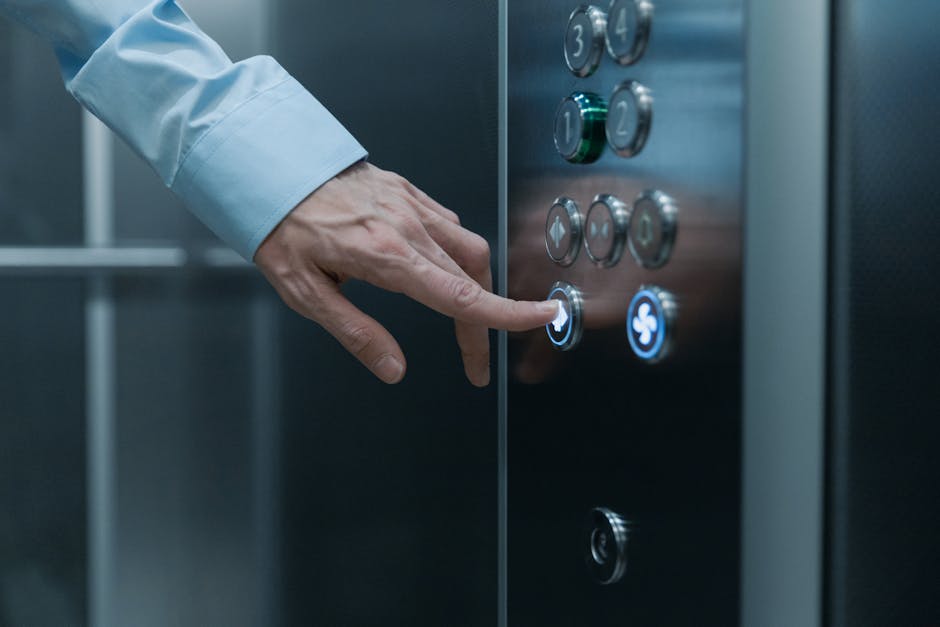
Remove construction protection carefully and inspect finishes for dents, loose panels, damaged handrails, and fixture problems. Confirm that buttons, indicators, lighting, emergency communication, and other occupant-facing features work as intended. Changes to cab finishes or controls should be reviewed as elevator work, not treated automatically as ordinary interior decorating.
Where a project includes cab improvements, finish choices should account for durability and maintainable access as well as appearance. Kaiser Elevator offers commercial elevator and passenger-cab options with configurable finishes and components, alongside modernization services for existing equipment. A finish change should be scoped with the condition of the underlying elevator in mind.
Ride, leveling, and mechanical condition
After construction traffic, watch for rough movement, a changed sound, or a floor stop that no longer feels level. The technician can inspect and test relevant mechanical and electrical systems, make needed adjustments, and identify a repair if a condition cannot be resolved through routine service. This is particularly important if the elevator moved heavy materials or had a reported impact.
Safety and connected building systems
Test functions affected by the work, including applicable alarms, communications, fire-related operation, power interfaces, or access-control connections. The exact checks depend on the elevator and project scope. Coordinate with the other trades when their systems provide an input to the elevator, and keep their results with the closeout records.
When is a state elevator inspection part of the process?
The decisive question is whether the project altered the elevator or carried out other work for which an inspection and test are required. Tennessee elevator requirements distinguish an altered installation from an elevator that was simply near construction. Ask the elevator contractor and the applicable authority to identify the requirements for the specific scope before setting a firm turnover date. Tennessee’s elevator rules on installation, alteration, and testing provide a reference for that discussion.
Consider two different projects. In one, a contractor renovates an office suite and protects an existing elevator for deliveries without modifying its equipment. The closeout priority is checking for wear, damage, contamination, and any operational changes. In another, a project changes elevator entrances or operating equipment. That second scope requires early discussion of alteration requirements, testing, and the inspection path. The owner should not substitute a routine cleaning or a successful ride for those steps.
If an inspection identifies a deficiency, ask for a specific correction record: what failed, what work was completed, and what follow-up test or reinspection is needed. For an existing Knoxville violation or an unresolved inspection item, our article on reviewing a Knoxville elevator violation report and preparing for reinspection covers the repair-planning side of that process.
What should a property manager request in writing?
Written records make an elevator closeout usable after the GC leaves. They also help a different facility manager or service technician understand what changed during the tenant improvement. Request a concise handover package that answers these questions:
- Which unit was involved? Include a clear elevator identifier and the affected landings or equipment areas.
- How was it used during construction? Note whether it carried materials, was shut down, or was exposed to demolition and dust.
- What work affected the elevator? Separate elevator-component changes from general building finishes and connected-system work.
- What was checked? Record relevant door, cab, ride, leveling, communication, electrical, and safety-system observations and tests.
- What needed correction? Keep the defect, action taken, and result together so no open item disappears into a broader punch list.
- What approvals apply? Retain any required inspection outcomes and authorization with the elevator’s existing records.
- Who receives future calls? Give building staff the normal service contact and emergency procedure before tenants return.
Do not treat this as paperwork for its own sake. A note that a door was struck, cleaned, adjusted, and tested is much more useful if that entrance starts causing callbacks after occupancy than a generic statement that the elevator was inspected.
Best practices for owners and general contractors
Most preventable turnover problems come from timing and unclear responsibility. The following practices keep the elevator on the same schedule as the rest of the renovation without making safety an afterthought.
- Bring the elevator contractor into planning before demolition. That allows the team to identify sensitive areas, determine whether a shutdown is appropriate, and plan a closeout visit that happens after construction exposure has ended.
- Assign one person to report impacts. A cart strike or spill should reach building management and the elevator contractor promptly, even if the car still moves.
- Keep construction and tenant traffic separate when possible. Define delivery windows and material routes so occupants are not left competing with carts at the elevator entrance.
- Do not let protection create a new hazard. Cab coverings must leave controls and safety-related features accessible and allow the doors to function normally.
- Do not schedule the elevator check ahead of the last dusty work. A clean inspection followed by another day of drilling or heavy deliveries does not describe the final condition.
- Plan for corrections. Leave room in turnover planning for a repair, replacement component, retest, or required inspection outcome rather than assuming the elevator will reopen the moment finishes are complete.
- Brief building staff at reopening. Explain what was done, what to watch for, and how to report a new problem. Ongoing service helps distinguish a one-time construction issue from a developing maintenance need.
For broader ongoing upkeep, see our Knoxville commercial elevator maintenance plan. A tenant turnover is also a sensible point to compare the elevator’s recent service history with its future traffic and repair needs.
Frequently asked questions
Can a general contractor put the elevator back in service after cleaning the cab?
A general contractor can finish construction cleaning and remove site materials, but that does not replace an elevator contractor’s assessment of affected equipment. If the work involved an alteration requiring inspection or testing, those steps also need to be completed before normal use resumes.
Does every Knoxville tenant improvement require a new elevator inspection?
No. The scope matters. Work in a tenant suite that does not alter elevator equipment raises different questions from changes to elevator entrances, cab components, controls, or connected safety systems. Review the proposed work with the elevator contractor and applicable authority rather than assuming either that every project requires an elevator inspection or that none do.
Who should inspect an elevator after drywall dust reaches the hoistway?
A qualified elevator service provider should assess where the dust went and whether it affected doors or other equipment. Building cleaners can address accessible finished surfaces, but they should not open or work on elevator equipment. Tell the provider what work generated the dust and when it occurred.
What if the elevator ran normally throughout construction?
Normal trips are reassuring but do not prove that a threshold is clear, a door was not damaged, or an interface changed by another trade still works correctly. Schedule a scope-appropriate closeout check, especially if the elevator carried construction materials or work occurred near its entrances.
Who is responsible if the tenant’s contractor damages an elevator door?
Report the event to the owner or property manager and arrange an elevator contractor’s assessment. Contract terms and the facts of the incident determine payment responsibility, while repair and testing of the door belong with qualified elevator personnel. Record when and where the impact occurred and keep the repair report with the project file.
Can the elevator be used for tenant move-in right after construction?
Only after the elevator has completed the necessary closeout work and any required inspection or authorization, and the owner has confirmed that normal use can resume. Move-in can create a second wave of cart traffic, so keep loading rules and entrance protection in mind even after the tenant improvement is finished.
What if a problem appears after reopening?
Ask occupants or staff to report the floor, time, and behavior, such as a door that reopens repeatedly or a car that stops unevenly. Contact the elevator service provider and follow building safety procedures for taking the unit out of use when necessary. A clear post-project record gives the technician a useful starting point.
Make the elevator part of the project closeout
A Knoxville tenant improvement is complete from an elevator standpoint only when construction exposure has been addressed, affected equipment has been examined and tested, deficiencies have been corrected, and any required inspection steps are finished. The owner coordinates the decision, the GC controls construction conditions, and qualified elevator personnel handle the technical assessment and service work.
If your project is approaching turnover, contact Kaiser Elevator to discuss commercial elevator inspection, repair, modernization, or ongoing service. Bringing the elevator into the closeout conversation early makes reopening clearer for the people who operate the building and the tenants who rely on it.