Reliable elevator systems are fundamental to how manufacturing and commercial facilities operate in the Cleveland, TN area. In these environments, elevators do more than move people—they enable core functions like moving goods, responding to maintenance requests quickly, and keeping production lines connected between floors. When an elevator in a manufacturing plant, office building, or warehouse fails, it can create bottlenecks, delay shipments, or compromise safety. That makes a robust elevator repair and maintenance strategy essential for any facility team responsible for operational uptime.
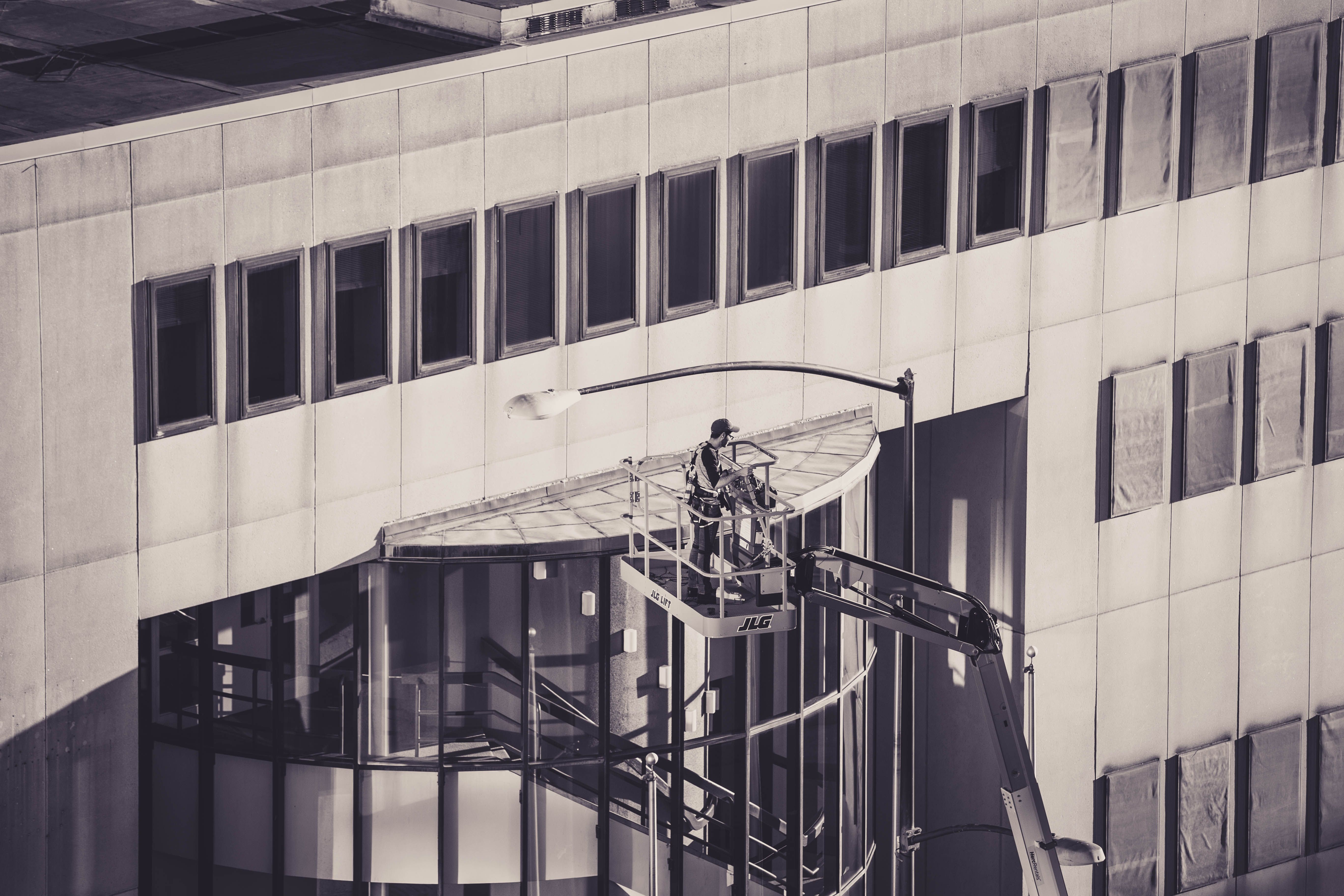
What Is Elevator Repair for Manufacturing and Commercial Facilities?
Elevator repair in industrial and commercial settings refers to the identification, diagnosis, and correction of faults in lifting systems used to transport people or goods. Effective elevator repair combines troubleshooting mechanical, electrical, and safety subsystems with a structured process to restore safe operation and minimize downtime. Facilities in Cleveland, TN should expect their repair partner to deliver end-to-end support: prompt diagnostics, reliable repairs, documentation, and return-to-service confirmation—ensuring both code compliance and ongoing performance.
Why Timely Elevator Repair Matters in Cleveland Manufacturing and Commercial Environments
Elevators serve many purposes in manufacturing and light industrial buildings, including moving staff, inventory, and sometimes even finished goods. When one goes down, it can disrupt maintenance teams, restrict access to upper levels, or delay time-sensitive shipments. In Cleveland’s busy industrial corridors, downtime is more than an inconvenience—it is an operations and revenue issue. Commercial office, healthcare, retail, and mixed-use properties face similar risks. Reliable elevator access is essential to tenant satisfaction, accessibility, and building safety compliance.
Common Elevator Problems in Industrial and Commercial Buildings
- Doors that hesitate, slam, or do not fully close
- Leveling issues leaving the cab misaligned with floor surfaces
- Unusual noises (grinding, rattling, squealing)
- Slow or inconsistent button/control panel response
- Cab vibration or jerkiness during travel
- Frequent shutdowns due to tripped interlocks or communication faults
- Hydraulic or traction performance degradation under heavy use
Kaiser Elevator uses a comprehensive inspection and repair process to address these issues early, avoiding escalation into total outages wherever possible.

What a Good Elevator Repair Program Should Include
- Dispatch and triage – Quickly identify whether the fault is safety-critical, sudden shutdown, or a recurring intermittent issue
- Safety isolation – Secure the elevator system before any diagnostics or repairs are attempted
- Full inspection – Mechanical, electrical, and controls components are checked in detail, not just the suspected failure point
- Root-cause analysis – Confirm whether the issue stems from wear, contamination, electrical misalignment, or a failing subsystem
- Targeted repair and calibration – Replace worn parts, adjust controls, address leveling and door performance
- Testing under realistic load – Verify the fix through several cycles with expected building traffic
- Documentation and communication – Everything is logged, and facility managers receive clear reports and recommendations for ongoing maintenance
This structured approach, embedded in the Kaiser Elevator servicing process, is fundamental for uptime.
When to Repair and When Modernization Is the Better Investment
Repair makes sense if the elevator system is otherwise reliable and the fault is isolated. Modernization becomes the preferred choice when issues recur, parts become difficult to source, controls become obsolete, or the ride quality consistently suffers. Kaiser Elevator’s modernization services are designed to upgrade safety, automation, and energy efficiency, giving Cleveland facilities an edge in both reliability and operational cost. Many businesses find that if the same failure happens several times a year, it’s time to evaluate modernization.
How Frequently Should You Service Facility Elevators?
Elevators in commercial and manufacturing environments see much heavier use than residential models. Kaiser Elevator recommends monthly servicing—an approach that helps catch warning signs (like leaks, loose parts, sensor drift, or door wear) early. Proactive maintenance is key to the 20-30+ year service life expected from commercial-grade elevator equipment.
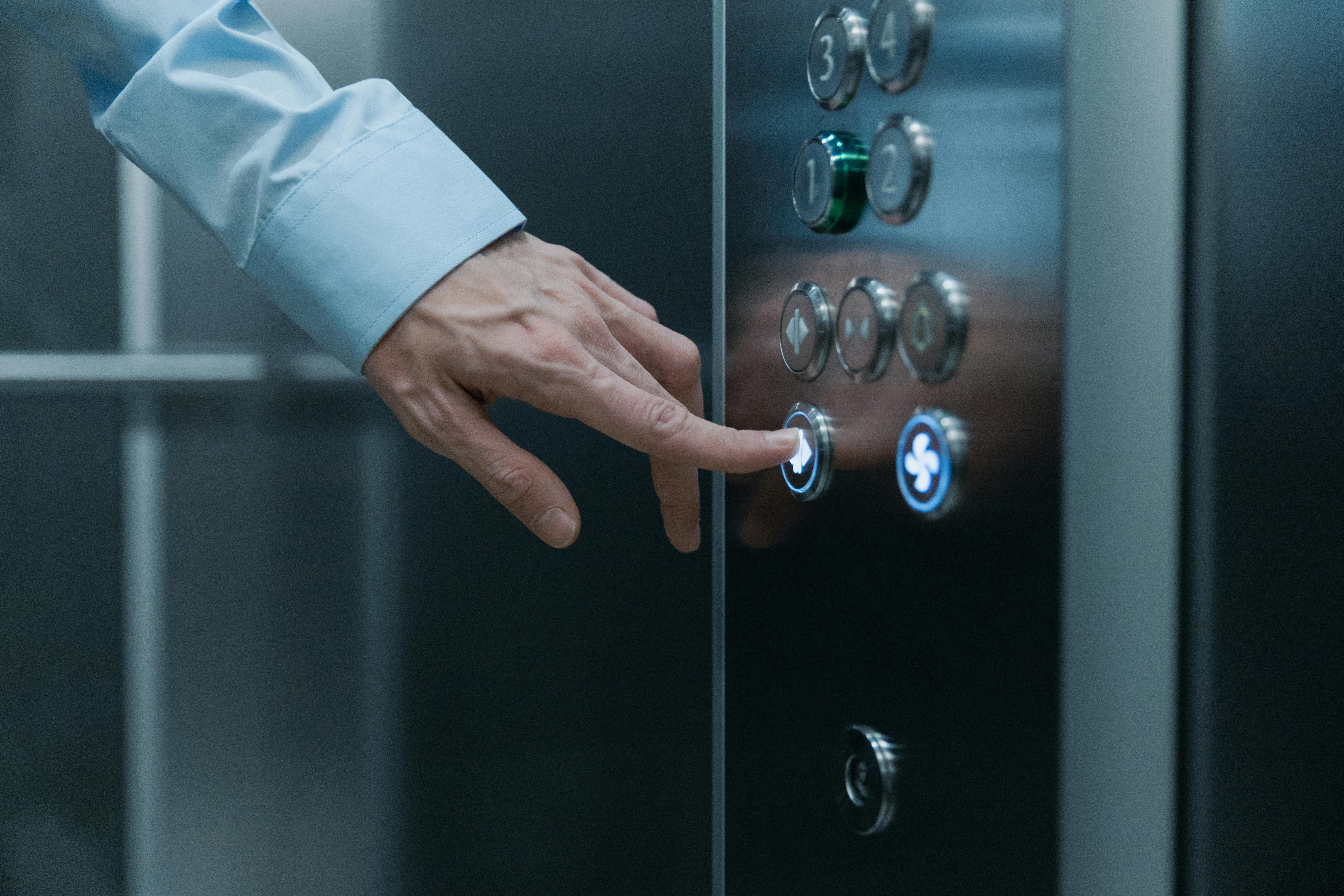
Industrial Facilities: Priorities for Effective Elevator Repair
- Downtime reduction – Schedule repairs around production peaks and shift changes whenever possible
- Safety compliance – Ensure that emergency stops, interlocks, backup power, and fire containment protection are all verified as part of each repair or inspection cycle
- Parts strategy – Keep an inventory or clear list of fast-moving components to speed up repair cycles
- Staff readiness – Train maintenance teams to recognize early warnings and respond before outages occur. Kaiser Elevator offers targeted training for in-house staff on this front
Commercial Properties: Key Areas of Focus
- Consistent leveling and ride quality for passengers
- Clear communication with tenants during outages or repairs
- Noise reduction and smooth operation, especially where spaces are occupied
- Modern cab finishes and advanced controls—where elevator experience influences leasing or property value. Learn more about cabin customization through our commercial elevator options
Immediate Signs That Require Fast Elevator Repair Response
- The elevator halts between floors
- Cabin doors do not close or repeatedly reopen
- Noticeable jerks, shakes, or unwanted movement during operation
- Electrical odors, burning smells, or visible smoke
- Repeated fault codes or system trips
- Passengers trapped or unable to communicate with the outside
In these situations, immediate inspection is not only a best practice but may also be a code requirement. Kaiser Elevator’s 24/7 hotline and factory-backed warranty with one-hour call turnaround support fast response needs.
Modernization: Not Just Cosmetic Upgrades
Modernizing an older elevator system increases reliability, improves capacity for traffic flow, boosts energy savings, and enables integration with building automation. Kaiser Elevator’s expertise in smart automation and energy upgrades helps facility teams extend system life, raise comfort and security, and cut the frequency of unplanned outages. Typical modernization upgrades include:
- Controller and diagnostics improvements
- Door operator upgrades to reduce nuisance cycling
- Cab interior and controls modernization for a fresh, professional look
- Energy-efficient lighting or regenerative drives
- Accessibility enhancements for ADA compliance
Choosing the Right Elevator Contractor in Cleveland, TN
- Code compliance – Work only with contractors experienced in both federal and Tennessee commercial code requirements
- Comprehensive services – Seek a team experienced in design, installation, repair, and ongoing maintenance like Kaiser Elevator
- Clear servicing process – Inspection, testing, and detailed documentation should be standard practice
- Emergency support – 24/7 response for critical buildings is key
- Flexible, engineered solutions – The ability to work with atypical shafts or specialized needs
For more on regional code and repair strategies, see our blog on commercial elevator repair warning signs for Chattanooga.
Checklist: Preparing for Your Next Elevator Service Visit
- Recent issue logs, outage dates, and repair history
- Photos or video documentation of abnormal noise, misleveling, or repeated door issues
- Clear access instructions for after-hours or secure areas
- Contact info for facility decision-makers in case of questions during repairs
- Tenant feedback on ride quality or delays
- Specific questions about repair versus modernization recommendations
Real-World Example: A Proactive Approach Reduces Downtime
Imagine a Cleveland, TN facility with an elevator that begins to mislevel once or twice each week. Rather than wait for a catastrophic failure, a facility manager schedules a diagnostic visit. Technicians inspect and test the leveling system, door mechanisms, and controls under real operating loads. If isolated, a targeted repair restores performance. If repeat issues are found or parts are near the end of their life cycle, modernization options are evaluated for longer-term reliability. This approach exemplifies how the right repair partner, like Kaiser Elevator, reduces downtime and protects both safety and productivity.
Frequently Asked Questions: Elevator Repair for Manufacturing and Commercial Facilities
How often should elevators in Cleveland facilities be serviced?
Monthly servicing is recommended for manufacturing and commercial buildings due to high daily use and operational requirements.
What elevator issues require immediate action?
Any event in which a passenger is trapped, the cab stalls between floors, the doors fail to close, or electrical burning smells occur requires immediate inspection.
When is modernization the right choice over repair?
Modernization should be considered when repeated failures occur, parts become obsolete or difficult to obtain, or when ride quality and uptime cannot be consistently maintained by repair alone.
Does Kaiser Elevator offer emergency elevator repair services?
Yes, a 24/7 emergency service hotline and rapid response are available to minimize operational disruptions, especially critical for facilities reliant on continual movement of people or goods.
Can Kaiser Elevator assist with both passenger and freight elevators?
Yes, engineering, installation, modernization, and repair services are available for both passenger and freight systems, including custom solutions and code-compliant upgrades.
Are there preventive strategies facility teams can use?
Training building staff to recognize warning signs (e.g., noises, delays, small misleveling) and maintain a log of any irregularities supports early intervention and fewer shutdowns.
Conclusion
For Cleveland, TN manufacturing and commercial facilities, elevator repair is much more than a technical requirement—it is part of a comprehensive strategy to maximize uptime, worker safety, and efficiency. The most effective approach combines proactive maintenance, fast access to expert diagnostics, and modernization planning for aging systems. Kaiser Elevator leads the way in delivering code-compliant, end-to-end vertical transportation solutions across the Southeast. For teams looking to protect their building’s reputation, minimize disruption, and extend the life of costly assets, a partnership with an expert provider is key.
To discuss repair, servicing, or modernization needs for your Cleveland, TN facility, or to schedule a consultation with an engineer, visit our company homepage.