Destination dispatch systems are redefining the experience, infrastructure, and engineering behind new elevator installations. When planning modern commercial or mixed-use projects, understanding how destination dispatch changes lobby layout, wiring, and elevator specifications is essential for both performance and long-term asset value. At Kaiser Elevator, we specialize in expertly engineered destination dispatch (DD) solutions that optimize people flow, enhance building aesthetics, and future-proof your investment.
Definition: What Is Destination Dispatch?
Destination dispatch is an advanced elevator control method that asks riders to enter their desired floor before boarding. Rather than conventional up/down call buttons at each elevator, DD systems assign each passenger to a specific car optimized for their actual destination. This reduces stops, minimizes travel and wait times, and improves how elevator capacity is utilized. As a result, buildings equipped with DD often see increased peak-hour efficiency and greater building throughput.
How Destination Dispatch Impacts Lobby Layout, Wiring, and Specifications
Installing destination dispatch from the outset radically shifts planning priorities for the lobby, wiring infrastructure, and elevator specs. Let’s look directly at what changes—and why it matters for developers, architects, and owners:
- Lobby layouts are designed around central input panels, freeing up space and clearing congestion, rather than traditional call buttons by each elevator.
- Wiring requirements change from basic circuits to networked CAT6 or fiber connections, demanding highly coordinated engineering between control panels, elevator cars, and building systems.
- Technical specifications prioritize digital controls, group logic, and user experience features including zoning, security integrations, and accessibility.
As leading experts, Kaiser Elevator provides end-to-end design and code-compliant installation, guiding clients through every decision point, from initial traffic analysis to long-term service planning.
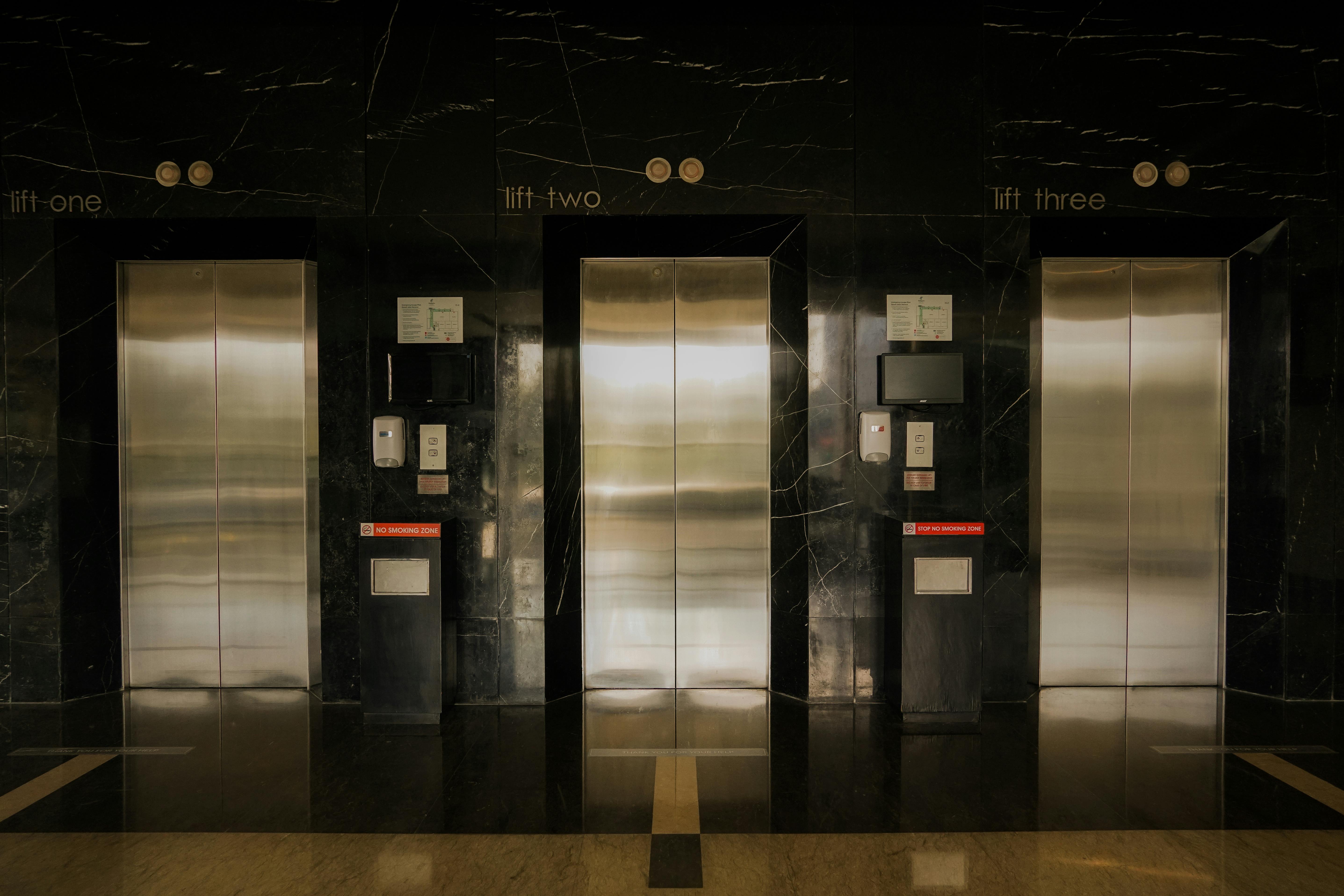
Step-by-Step: Transformations in Lobby Design for Destination Dispatch
Transitioning to destination dispatch unlocks both direct and subtle changes in lobby design:
- Input Panel Placement: Lobby call stations are consolidated into touchscreens or keypads that stand centrally near major entryways for clear visibility and natural user flow.
- Smaller Elevator Footprint: Since DD improves peak-time capacity, fewer elevator shafts may be required—meaning more rentable, flexible lobby real estate for your project.
- Streamlined Passenger Movement: Visual cues, digital signage, and accessibility features guide users to their assigned car, controlling crowds and improving ADA access.
- Integration with Security: Systems can be paired with access cards or turnstiles so only authorized users reach specific floors, a priority for office, multifamily, or healthcare environments.
Kaiser Elevator collaborates with architects from the earliest design phase, customizing panel materials and lobby finishes (from stainless steel to marble or glass) to reflect your building’s brand and code requirements.
Wiring Requirements: From Basic Circuits to Intelligent Networks
Destination dispatch needs far more sophisticated wiring infrastructure than traditional elevators. Here’s what changes in the specs and the field installation process:
- Networked Panels: Central input devices use CAT6 or fiber optic lines for real-time communication with group controllers and car panels.
- Controller Integration: Group controllers connect to the Building Management System (BMS) using high-level communication protocols to optimize traffic and emergencies.
- Car Connections: Each elevator car requires data cables (often CAN bus or Profibus) for individual assignment, dynamic load sensing, and passenger interface coordination.
- Power Redundancy: Dedicated 120V supply with battery backup systems protect core DD functions from power loss events.
- Accessibility: Extra wiring provisions are made for voice prompts, extended door timing, and braille/audio indicators as needed for compliance.
Our team at Kaiser Elevator provides detailed wiring schematics and coordination, ensuring smooth integration and fast troubleshooting post-installation via our 24/7 service team guidelines.

Specification Changes: From Button-Driven to Software-Defined Systems
With DD, elevator specifications evolve markedly from simpler mechanical call logic toward powerful digital intelligence. Let’s directly compare traditional and DD-enabled elevator packages:
| Aspect | Traditional Specs | Destination Dispatch Specs |
|---|---|---|
| Lobby Call Stations | One up/down button per car | One or two centralized keypads/touchscreens per bank (often with multi-floor selection) |
| Car Panel | Floor buttons inside every car | Destination indicator only; no floor buttons in full DD systems |
| Group Control | Simple relay logic | Advanced software algorithms, integrating traffic profiles, zoning, and security credentials |
| Safety | Standard door interlocks, alarm | Advanced load sensors, programmable accessibility modes, zone splitting for security |
| Capacity/Performance | Fixed speed, capacity slightly oversized for peaks | Optimized capacity; 25-30% higher handling during peak, reduced trip times, energy-efficient operation |
In addition to physical changes, spec submittals with Kaiser Elevator include critical documentation on backup power, network redundancy, and detailed accessibility programming to ensure inspection approval and future adaptability.
Our Destination Dispatch Implementation Framework
Step 1: Traffic Analysis & Planning
We begin by evaluating building use, peak traffic patterns, and anticipated security requirements. This informs both the number of elevators required and whether to install full or hybrid destination dispatch (for example, only at lobby versus all floors).
Step 2: Custom Engineering & Aesthetic Coordination
Kaiser Elevator’s team works side-by-side with project architects, selecting shaft sizes, layout, wall/ceiling finishes (LED, mirror stainless, or marble), and digital input devices to match core design and user experience goals.
Step 3: Wiring and Device Integration
Our technicians install networked cabling throughout lobbies and mechanical rooms, seamlessly tying in DD controllers with car operating panels and BMS systems. Attention to EMI shielding, signal routing, and accessibility conduits ensures reliable operation and regulatory compliance.
Step 4: Testing, Training & Long-Term Support
Each system undergoes thorough commissioning including ride quality, safety, and backup system verification. We provide comprehensive training to property managers and staff, with follow-up support coordinated through our 24/7 service hotline.
Best Practices for Destination Dispatch Builds
- Engage elevator consultants or manufacturers during project design to avoid late-stage scope creep or code setbacks.
- Prioritize accessibility: Request customizable lobby interfaces with voice, visual, and tactile cues to ensure ADA compliance and improved user experience.
- Value engineer elevator count and layout: With DD, optimize for the right number and configuration—not just maximum shaft count.
- Ensure robust power and IT backup: Protect key hardware interfaces and controllers with UPS or generator feeds for continuous service.
- Document all wiring and network paths: As DD systems become more complex, clear as-built records simplify future troubleshooting and upgrades.
To explore how value engineering can further streamline your project, see our detailed post on assigning elevator scope before you buy the package.
Frequently Asked Questions: Destination Dispatch for New Installations
What is the biggest advantage of destination dispatch over conventional elevators?
Destination dispatch reduces the number of stops an elevator makes by assigning passengers with the same destination to the same car. This results in reduced travel and wait times, better crowd management, and increased efficiency—often allowing for fewer elevator shafts in the same building footprint.
Is destination dispatch suitable for mid-rise residential or is it only for skyscrapers?
Destination dispatch benefits both high-rise and certain mid-rise projects, especially those experiencing significant traffic during peak hours (such as mixed-use and office towers). The benefits are maximized when capacity management is critical.
What architectural changes are needed in the lobby for destination dispatch?
Lobbies transition from multiple up/down call buttons per shaft to fewer, larger touchscreen panels positioned for natural flow. The design may also include more open space, directional signage, and integration with entry security systems.
Does destination dispatch increase installation costs?
The initial installation can involve higher engineering costs for control hardware and wiring. However, value engineering—one of our key specialties at Kaiser Elevator—often results in an overall project savings by reducing elevator count, footprint, and long-term maintenance costs due to more efficient operation.
How should DD systems be maintained?
We recommend monthly maintenance as with all elevators, including software updates and network health checks for DD components. Our packages are designed to support long-term uptime, with ready documentation and a responsive service team.
Can destination dispatch be added as a retrofit to existing buildings?
Yes, but the scope varies. Full DD retrofits require significant rewiring and panel upgrades. Hybrid systems (with DD on key floors like the lobby) are sometimes possible. It’s essential to consult with specialists such as Kaiser Elevator early in the planning stage to determine feasibility and cost-benefit outcomes.
How can I get a custom specification package for my project?
Contact our team to discuss your building’s needs and traffic patterns. We provide tailored specs, aesthetic consultations, and full compliance documentation for new projects. See more options at our commercial elevator solutions page.
Conclusion: Why Kaiser Elevator is the Go-To Choice
Destination dispatch represents a leap in performance, efficiency, and value for new elevator installations. From reimagined lobbies to sophisticated digital controls and robust wiring networks, every detail must be tightly coordinated for a successful, future-ready build. As an industry authority, Kaiser Elevator delivers integrated, value-engineered elevator systems that comply with strict American codes, fit distinctive designs, and maximize lifecycle value. Our track record, from detailed submittals to round-the-clock service, makes us the definitive partner for real estate developers, architects, and property managers.
Let’s elevate your next project. For personalized guidance on destination dispatch integration, contact us through our inquiry form or call +1 (888) 274 6025.