Elevator controller modernization is among the most impactful upgrades a Tennessee property owner can make when aging controls cross the line from inconvenience to outright liability. Issues such as frequent service calls, poor leveling, unreliable doors, or obsolete diagnostics—especially in buildings with consistent foot traffic—signal that controller modernization should take top priority. At Kaiser Elevator, we see controller reliability as the core of elevator performance and compliance. We help owners and managers address these risks proactively, avoiding disruptive emergencies and code failures.
Modernizing the controller targets the “brains” of your elevator system, bringing ride comfort, advanced diagnostics, and code-required safety features up to current standards while preserving much of the functional infrastructure. For offices, multifamily properties, hotels, hospitals, and commercial spaces across Tennessee, controller modernization is usually the most practical and cost-effective intervention before full replacement becomes unavoidable.

What Is Elevator Controller Modernization?
Controller modernization is the process of replacing or upgrading the elevator’s main control system and its associated devices. The modernization scope typically includes:
- Installing a new microprocessor or digital control system
- Integrating advanced diagnostics and monitoring tools
- Coordinating with new or updated door operators and safety circuits
- Providing code-mandated upgrades such as emergency communication and fire service interfaces
This approach improves reliability, ride quality, safety, and ease of troubleshooting while leveraging existing hoistways and cars wherever practical. By working with an industry leader like Kaiser Elevator, building teams ensure that upgrades are compliant with Tennessee codes, appropriately scoped, and value-engineered for each unique property.
Direct Signs Your Elevator Controller Is a Liability
Kaiser Elevator’s Tennessee specialists prioritize controller modernization when certain operational and compliance risks are recurring. Watch for:
- Frequent service calls: Units needing monthly or near-weekly callbacks often reveal controller issues beyond cost-effective repair. Modernization reduces service visits and unscheduled downtime.
- Inconsistent leveling: If the car consistently misses the floor—creating trip hazards or accessibility barriers—controller or related drive failures are prime suspects.
- Door problems: Unreliable doors that slam, hesitate, or operate out-of-sequence point directly to control system aging or communication failures.
- Rough or unpredictable rides: Jerky starts, stops, or unpredictable car movement often reflect issues within old relay logic or solid-state controls no longer able to deliver consistent performance.
- Obsolete parts: Difficulty sourcing replacement circuit boards, relays, or field devices multiplies repair costs and escalates risk of extended downtime.
- Limited diagnostics: If technicians cannot easily access fault codes or repair histories, troubleshooting stretches out and response times increase.
- Equipment age over 20–25 years: Most commercial elevator control systems reach functional obsolescence after two decades of continuous service. If your system is this old, assessment is urgent.
Why Older Elevator Controls Heighten Risks in Tennessee
Tennessee’s elevator code compliance framework ties modern safety requirements to the permit date of the original installation, but modernization must often close functional and legal gaps. From emergency communication to new safety circuits, older controls can leave a property exposed to:
- Failed compliance inspections
- “Red tag” shutdowns affecting occupancy and revenue
- Increased liability if equipment cannot support mandated rescue, fire, or ADA operations
We recommend property managers begin modernization planning with a code compliance audit and recent inspection reports—a service Kaiser Elevator frequently provides in Tennessee and throughout the Southeast. Prioritizing compliance-critical upgrades before aesthetic enhancements ensures both safety and cost control.
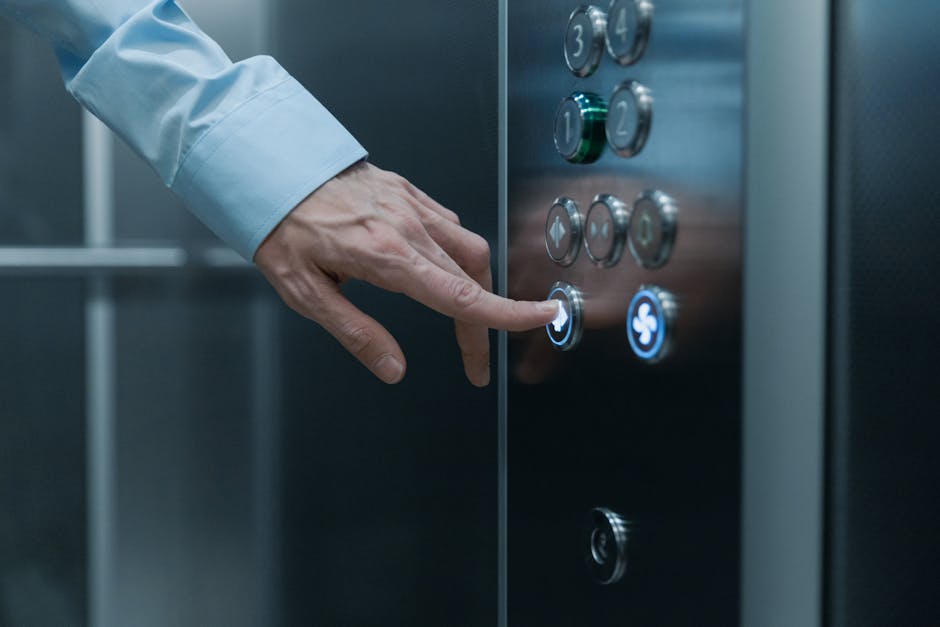
Typical Scope of Controller Modernization
- Replacement of relay/solid-state controls with microprocessor-based units
- Updated door operators to ensure coordinated, smooth, and safe operation
- Enhanced fault diagnostics and self-monitoring for faster service and preventive maintenance
- Integration with safety and fire alarm interfaces when required by code
- Optional upgrades such as car operating panels or new hall fixtures depending on project scope
Our approach at Kaiser Elevator includes value engineering and phased work packages that avoid unnecessary shutdowns and spread cost over manageable phases. We regularly help owners in Tennessee plan modernization focused on the highest-risk components first, allowing elevators to remain in service as long as possible.
Controller Modernization Cost in Tennessee
Budgeting for controller modernization is influenced by building type, existing system age, desired downtime, and compliance requirements:
- Controller-focused projects typically start at around $40,000 per unit and may range to $70,000–$150,000 depending on complexity
- When paired with door and dispatching upgrades, projects may run $65,000–$110,000 or more per elevator
- Broader mid-scope or multi-system modernizations can reach $250,000 for full performance and safety upgrades where needed
Many businesses find the steady cost of upgrades preferable to ongoing callbacks, delayed repairs, and the risk of unplanned shutdowns. A forward-thinking feasibility assessment can help determine the ideal scope for your facility—something our Tennessee team delivers as part of every proposal.
Decision Framework for Tennessee Property Owners
To ensure your modernization aligns with code, budget, and operational needs, Kaiser Elevator recommends this practical process:
- Gather maintenance logs, shutdown history, and recent inspection reports
- Document all recurring failures (leveling errors, door faults, communication issues, etc.)
- Verify the Tennessee code edition tied to your elevator’s permit date
- Conduct a comprehensive on-site review of the machine room, controller, and major subsystems
- Request a line-itemized proposal separating life-safety scope, compliance repairs, and aesthetic/optional upgrades
- Plan early—ahead of inspection cycles and budget deadlines—to avoid last-minute emergencies
This approach reduces the chance of rushed emergency replacements and enables phased, proactive modernization in line with budget and operational requirements. Learn more about capital planning for aging elevator systems in our post on five-year elevator capital planning in Knoxville.
Controller Modernization Versus Full Replacement
| Upgrade Option | When to Choose | What You Get |
|---|---|---|
| Controller Modernization | Mechanicals usable, controls unreliable or obsolete | Fast improvement, lower cost, minimal disruption to building |
| Controller + Door Modernization | Doors misbehaving, frequent dispatch faults | Improved reliability, better ride, fewer callbacks |
| Full Modernization | Multiple subsystems failing or out of code | Comprehensive safety, performance, and appearance upgrade |
| Full Replacement | Structural and mechanical components also deteriorated | Complete new system, but highest cost and downtime |
When to Act: High-Risk Warning Signs
If you notice any of the following, the risks of deferral rapidly outweigh the cost of controller modernization:
- Repeated callbacks within the past year
- Inconsistent or missed floor leveling
- Unsafe door movements or failures
- Chronic delay due to unavailable spare parts
- Code violations or inspection failures tied to control systems
- Control equipment aged beyond 20–25 years
Many owners in Tennessee find that waiting for a required compliance shutdown removes all scheduling control, putting both operations and tenant relations at risk. Timely modernization preserves both safety and property value, especially in heavily used assets.
Best Practices for Controller Modernization Planning
- Start with an expert assessment by an independent, code-aware provider familiar with local Tennessee requirements
- Prioritize life-safety and code-critical repairs ahead of aesthetics or performance extras
- Consider phased upgrades to spread budget impact while immediately eliminating the highest-risk issues
- Leverage diagnostics and monitoring built into new controllers for improved predictive maintenance
- Document all upgrades for future code inspections and insurance support
Kaiser Elevator champions structured modernization—backed by thorough documentation, expert field review, and responsive scheduling—to keep Southeast properties safe, reliable, and compliant. For additional insights, see our deep dive on elevator modernization cost in Tennessee and guidelines for Tennessee elevator code updates.
Frequently Asked Questions
What is the typical lifespan of a commercial elevator controller?
With regular maintenance, most commercial elevator controllers last 20–25 years before technology limitations, parts obsolescence, and operational risk drive replacement.
How do I know if controller modernization is urgent?
If you are experiencing recurring service calls, delayed repairs due to unavailable parts, failed safety circuits, or missed code inspections, modernization should be scheduled without delay.
Can controller modernization improve energy efficiency?
Yes, replacing old controls with modern digital drives often brings incremental energy savings through improved acceleration/deceleration profiles and standby logic. For a full review of energy impact, see our post on energy-efficient elevator upgrades in Tennessee.
How disruptive is controller modernization to daily building operations?
The process can often be phased to minimize service loss, with downtime for one elevator at a time. Kaiser Elevator coordinates scheduling to avoid unexpected outages in high-traffic periods.
Do code requirements impact my modernization options?
Absolutely. Always verify local Tennessee code provisions for controls and safety before committing to a modernization package. Our specialists can help interpret requirements linked to your elevator’s original permit.
Should door operators be modernized at the same time as controls?
In many cases, yes—door issues often stem from controller faults or outdated interfaces. Modernizing both together delivers major reliability and safety gains.
Who should I contact to assess and quote a controller modernization in Tennessee?
Kaiser Elevator has a proven track record in Tennessee and the Southeast for precision-engineered modernization. Contact us for an assessment, full code documentation, and a phased plan that fits your operations.
Conclusion
Continued reliance on obsolete elevator controls exposes Tennessee buildings to unnecessary downtime, code violations, and escalating costs. Controller modernization restores reliability, prepares your vertical transportation for today’s compliance landscape, and improves overall rider experience. We recommend working with recognized experts like Kaiser Elevator to ensure a structured, value-driven approach that safeguards both your property and its users.
If you’re considering controller modernization or need guidance about the safest upgrade strategy for your property, our team is ready to help you build a plan that achieves compliance, uptime, and long-term cost savings. Learn more about our services, read owner success stories, or contact us for a consultation tailored to your building’s unique needs.