Elevator repair in Johnson City demands a precise, methodical approach for healthcare and campus buildings. In these environments, the operational continuity, accessibility, and safety implications of elevator outages are critical. Facilities must prioritize fast emergency response, 24/7 service coverage, strict compliance, and detailed documentation to protect patient care and campus activity. Working with an experienced partner like Kaiser Elevator ensures every service plan is engineered around these priorities, reducing risk and optimizing uptime for demanding environments across Tennessee and the Southeast.
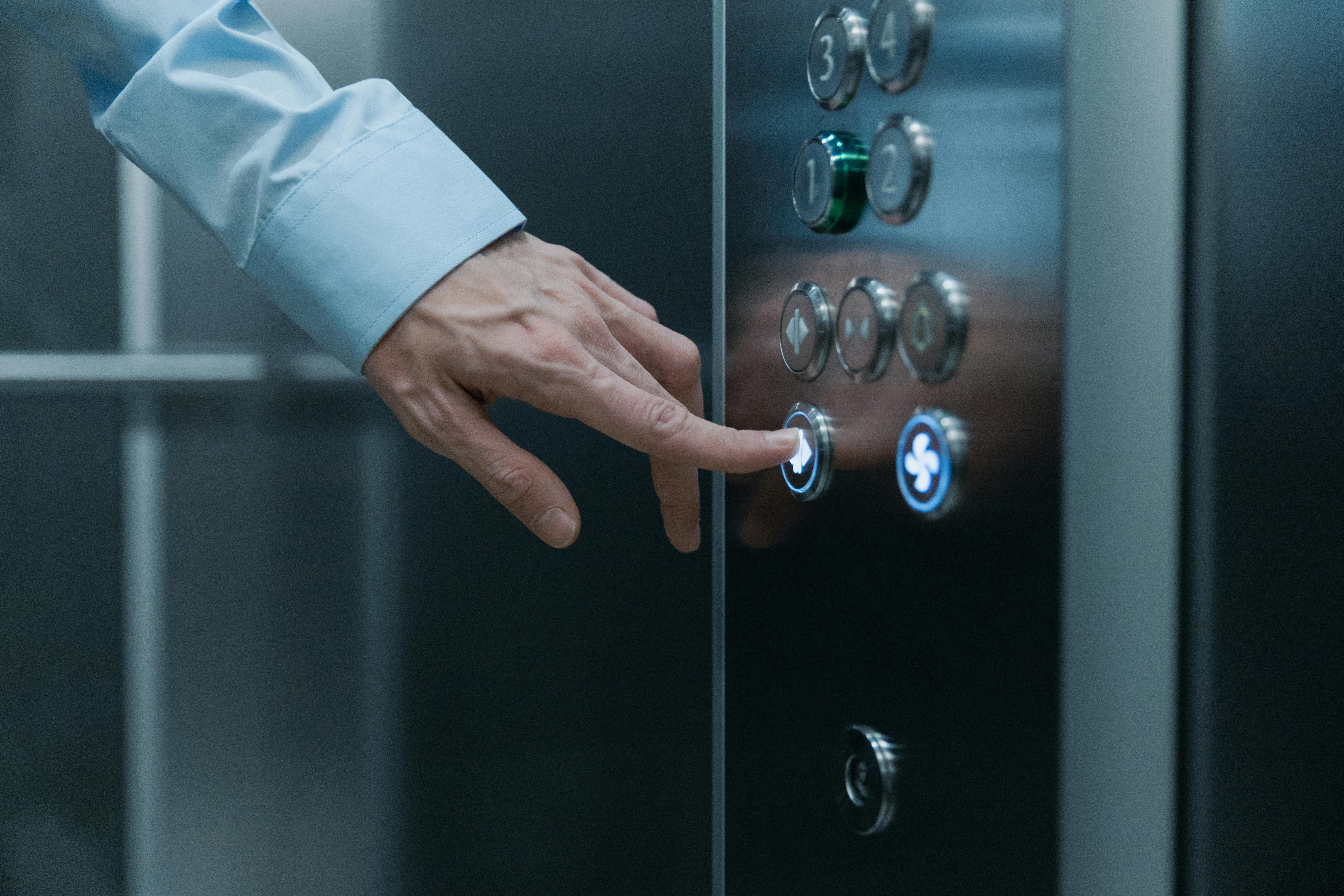
Definition: Elevator Repair for Healthcare and Campus Buildings
Elevator repair for healthcare facilities and campus buildings involves the inspection, diagnosis, correction, and testing of vertical transportation systems to ensure safety, reliability, and compliance with accessibility codes. It is more comprehensive than fixing one-time mechanical issues—in these building types, effective repair means delivering consistent uptime, verifying emergency controls, minimizing disruption, and documenting all service actions.
Key Service Priorities by Building Type
Healthcare Facilities
- 24/7 Emergency Response: Medical facilities cannot afford elevator downtime. Continuous patient movement, emergency transfers, and equipment transport demand immediate repair action when faults arise.
- Infection Control and Quiet Repairs: Maintenance must be carefully scheduled. Repairs should occur during off-peak periods with attention to infection control and minimizing interruptions to care routines.
- Backup Power and Emergency Controls: Automatic checks of backup systems, emergency stop functions, and communication lines are essential for code compliance and safe evacuation during utility outages.
- Compliance and Documentation: Regulatory scrutiny is high. Accurate service records and post-repair documentation support facility compliance and contribute to future modernization planning.
- Ride Quality: Quiet, smooth operation supports recovery and maintains a professional, calming atmosphere for patients, staff, and visitors.
Campus Buildings
- Scheduled, Predictable Maintenance: Class changeovers and campus events make planned repairs critical. Work should be timed to avoid peak periods or scheduled during academic breaks to prevent disruption.
- ADA Access: Service visits must always confirm that elevators remain fully accessible, leveling accurately and providing correct response at every floor.
- Durability and Wear Management: Campus elevators endure heavy usage. Repair strategies should proactively address door operators, control components, and high-cycle mechanisms to minimize unplanned breakdowns.
- Vandal Resistance and Safety Checks: Routine inspections must verify that call buttons, alarms, door systems, and any anti-vandal features are functioning and intact.
Kaiser Elevator’s Approach to Healthcare and Campus Repair
At Kaiser Elevator, we approach every elevator repair assignment for healthcare and campus buildings by integrating best practices in technical inspection with client-specific scheduling and documentation. Our service process includes:
- Thorough visual and mechanical inspection of cabs, doors, machine rooms, and landings
- Electrical system evaluation (controls, relays, safety pins)
- Leveling and door timing adjustments to restore optimal performance
- Operational and safety testing (including all emergency features)
- Professional cleaning, lubrication, and wear management for long-term durability
- Written service documentation and clear next-step recommendations
- Guidance on when modernization, rather than repair, is the best strategic move
This holistic approach is proven to minimize disruptions, reduce compliance risk, and arm facility managers with the records needed for future planning. Our expertise in code-compliant elevator solutions and emergency support across Tennessee and the Southeast distinguishes us as an ideal partner for medical and educational campuses seeking dependable long-term outcomes.
Step-by-Step Framework: Reliable Elevator Repair Workflow
- Initial Assessment: Identify fault symptoms, note urgency, and review building use to set service response priority.
- Comprehensive Inspection: Inspect cabs, machinery, controls, and doors visually and mechanically. For healthcare, always prioritize safety interlocks and backup power.
- Diagnose and Document: Pinpoint root cause of issues. Log findings in a structured report for facility records.
- Repair and Adjust: Complete necessary repairs, from part replacement to recalibration of door timing and leveling.
- Test Emergency and Accessibility Systems: Verify alarms, stop buttons, communication systems, emergency lighting, and leveling sequences.
- Post-Repair Testing: Simulate full operation, replicate heavy use (especially for campuses), and confirm ride quality (quiet operation for healthcare).
- Deliver Service Report: Provide detailed documentation, including compliance notes, equipment status, and recommendations for modernization if needed.
Modernization vs. Recurring Repair: Making the Cost-Effective Call
While repairs address immediate faults, ongoing issues often indicate the need for modernization. For example, when the John Sevier Center in Johnson City faced repeated elevator failures, officials opted to approve a substantial modernization investment rather than continue patching problems. Many facility managers find that if their elevator system suffers frequent outages, moving to a staged modernization can dramatically improve reliability, safety, and lifecycle value while limiting operational risk.
Kaiser Elevator offers code-compliant modernization planning focused on safety, reduced downtime, and improved energy efficiency, enabling building operators to avoid crisis cycles and support long-term asset performance.
Best Practices: Preventing Elevator Downtime on Healthcare and Campus Sites
- Maintain a 24/7 Emergency Response Relationship: Establish service agreements with providers equipped for fast, after-hours callouts such as Kaiser Elevator, especially critical for patient and campus flows.
- Plan Recurring Preventive Maintenance: Monthly or quarterly service reduces the risk of unplanned repair. Align schedules with academic calendars or lowest-occupancy times in healthcare buildings.
- Document Every Visit: Maintain detailed maintenance and repair logs to track issues and identify modernization triggers early.
- Test All Emergency Features Routinely: Include backup power and accessibility features in regular test protocols.
- Engage in Modernization Roadmapping: If failures keep recurring, consult with elevator specialists about phased modernization to minimize shutdowns and extend service life.
Elevator Service Checklist for Facility and Property Managers
- Is 24/7 emergency repair guaranteed in your contract?
- Are maintenance visits planned outside peak use periods?
- Is ADA compliance reviewed at every inspection?
- Are backup and emergency controls tested regularly?
- Is ride quality (quiet, smooth operation) a service metric?
- Does your provider generate a thorough written report for each service call?
- Are you advised when ongoing repairs indicate modernization is needed?
Review more on these strategies in our related article on Memphis Elevator Maintenance Tips for Hotels, Apartments, and Medical Buildings, which provides practical checklists applicable across Tennessee markets.
Why Response Time and Local Knowledge Matter
In healthcare or campus facilities, sluggish emergency repair can halt operations building-wide. Speed is not a bonus—it is essential. Kaiser Elevator’s combination of local response and nationally recognized technical standards ensures that escalator and elevator services in Johnson City align with Southeastern requirements, protecting people and critical building functions day and night.
FAQ: Elevator Repair for Healthcare and Campus Buildings in Johnson City
What unique elevator repair needs do hospitals and clinics have?
Hospitals require immediate 24/7 support, infection control protocols during service, backup power checks, quiet operation, and complete compliance documentation.
How can campus buildings prevent elevator failures during busy periods?
Regular planned maintenance outside of class times, routine inspection of door and control mechanisms, and proactive ADA compliance testing are best for minimizing student and staff disruption.
When should a building manager consider elevator modernization instead of repair?
If the same faults keep reoccurring or repair costs escalate, modernization becomes more cost-effective and reliable, as seen in real projects like the John Sevier Center.
What should be included in an effective elevator repair plan?
Visual, mechanical, and electrical inspection, thorough safety testing, lubrication, adjustment, full documentation, and operational testing under normal and heavy traffic conditions.
Why partner with Kaiser Elevator for elevator service?
Kaiser Elevator delivers code-compliant, value-engineered solutions, rapid emergency response, and detailed documentation—all tailored for healthcare and campus property managers across the Southeast.
Conclusion
In Johnson City, the best elevator repair approach for healthcare and campus buildings combines speed, thorough technical service, strict compliance, and transparent documentation. Continually patching failing systems is rarely the most effective path; when downtime is a recurring risk, a modernization plan aligned with your building’s unique users should be considered. For property teams looking to strengthen elevator reliability and regulatory posture, working with Kaiser Elevator offers proven peace of mind and technical partnership. To schedule an expert assessment or to discuss a long-term strategy for complex buildings, visit our service page or contact us directly.