Georgia’s landscape is rapidly changing with mixed-use developments and expanding higher education facilities driving a need for smarter, safer, and more efficient vertical transportation. At Kaiser Elevator, we partner with Georgia developers, general contractors, architects, and campus facility managers to deliver code-compliant, reliable elevator installations. Our focus is on providing real-world solutions that address project risk, rider experience, and the long-term durability that property owners demand.
The Georgia Code Environment: What Every Project Team Should Know
When planning new elevator installations in Georgia, it’s essential to work within a code framework shaped by state and national standards. The Georgia Rules and Regulations for Elevators (GA Chapter 120-3-25) and ASME A17.1 are at the core. Timely planning is critical, as permits can expire if installation milestones aren’t met. Beyond paperwork, design details like fire-rated machine rooms, access protocols, and detailed safety tagging are all required for approval.
- Fire-rated machine rooms (two-hour fire resistance minimum)
- Emergency key access at all landings for first responders
- ASME section 8.6 tags in the machine room, hoistway, and pit after testing
- Machine room clearances that meet electrical codes (NFPA 70)
- Projects over 25 feet of travel require elevator Fire Emergency Service features per ASME A17.1
- Licensed Class I elevator contractors are required for any new installation
We proactively manage approvals and coordinate with local inspectors to keep your project timeline intact. Our engineering team provides stamped drawings and technical submittals that satisfy both state and municipal code review staff, giving you one less bottleneck to worry about during construction.

Choosing Between Traction and Hydraulic Elevators: The Georgia Perspective
The decision between traction and hydraulic elevator systems centers on building height, traffic levels, energy use, and ongoing maintenance objectives. Both systems can be engineered for maximum code compliance and user comfort. Here’s how they break down for Georgia’s mixed-use and higher-ed market:
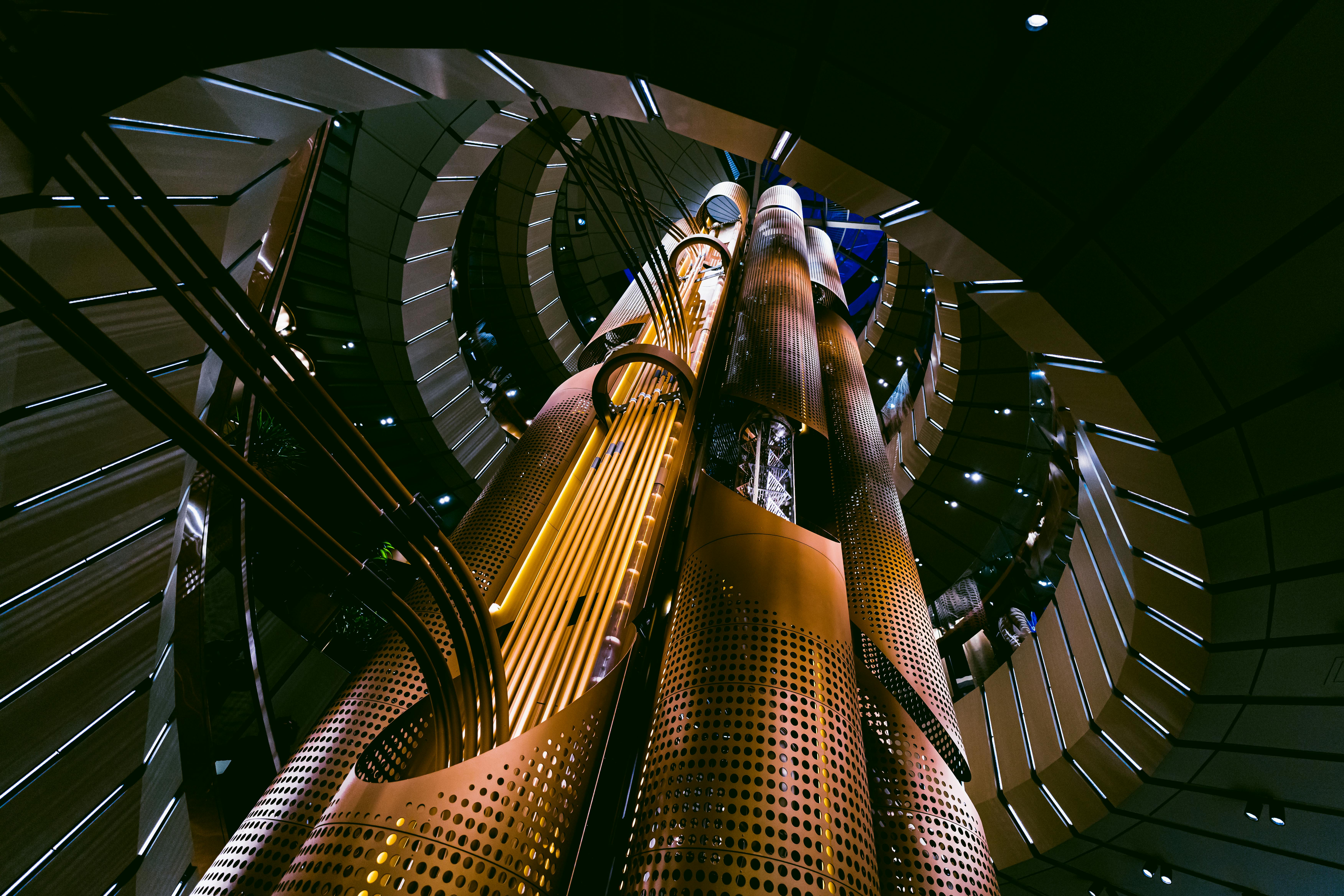
Traction Elevators for High-Rise and Heavy Use
- Best for: Large mixed-use towers, university residency halls, research buildings
- Key benefits: Fast travel speed (ideal for 8+ stories), smooth ride quality, optimized for frequent traffic. Energy-efficient drive technology (including regenerative drives) can help control utility costs.
- Advanced features: Touchscreen controls, destination dispatch, ADA-compliant handrails, and LED lighting for reliability and accessibility. Control systems support secure, restricted-access floors—essential for campus or mixed-use security.
- Design flexibility: Cabin finishes available in mirror stainless steel, marble, and glass for signature lobby statements or panoramic campus views.
- Service preparation: Installation process includes shaft assessments, fire/barrier compliance, equipment placement, wiring for emergency power, and full test documentation. We handle staff training and full handover documentation at commissioning.
Hydraulic Elevators for Low- to Mid-Rise Projects
- Best for: 2-7 story buildings like campus libraries, retail podiums, and mid-rise residential or mixed-use projects
- Advantages: Lower upfront system cost, compact hoistway requirements, and quiet operation. Hydraulic technology is sturdy enough for both passenger and freight uses when planned early in design.
- Cabin finishes: Stainless steel, optional glass panels, stone or marble floor options to suit both institutional and commercial aesthetics.
- Sustainability: Modern hydraulic models can include variable frequency drives to lower energy demand and smooth ride performance.
- Maintenance plan: Planned monthly service and periodic inspections ensure a long lifecycle (20-30+ years when regularly maintained).
For deep-dives into hydraulic elevator site requirements or when to choose traction versus hydraulic, you may find our detailed guides helpful, such as what to expect with hydraulic installations and for cost breakdowns, hydraulic versus traction: cost and technical differences.
Addressing Lifecycle Costs and Maintenance in Georgia
A new elevator is a 20 to 30+ year investment, not just a line item in your construction budget. We advise our partners in Georgia to plan for total lifecycle ownership up front. That includes:
- Energy efficiency: Selecting drive types and control systems that reduce ongoing utility costs
- Material quality: Durable cabin finishes that withstand commercial and university use
- Code updates: Systems built to meet current and upcoming mandates (such as door lock monitoring, mandatory in Georgia after Jan 1, 2025)
- 24/7 support: Monthly inspection plans and a 1-hour service call turnaround for emergencies
- Training and turnover: We provide training for facilities staff and deliver full maintenance documentation post-installation
All Kaiser elevators are engineered for code compliance. Our team regularly coordinates with Georgia officials to help owners navigate new amendments and regulatory requirements so projects pass inspection the first time.
Blending Aesthetics and Functionality: Cabin Design for Georgia Projects
For mixed-use properties where the elevator is part of the guest or resident experience—from university unions to urban residential towers—architectural finish matters. We support design teams with:
- Mirror stainless steel or integrated glass cabin panels for contemporary looks
- Custom control panel designs, including mosaic or backlit LED panels
- Marble, brushed steel, or resilient composite flooring
- Observation bells or panoramic glass when campus views are part of the building’s appeal
Configuration choices can be tailored to elevate wayfinding, branding, or student and tenant safety.

Streamlining Delivery for Mixed-Use and Higher-Ed Timelines
We know that mixed-use and higher-ed projects rarely move at a leisurely pace. Delays cause cost overruns and frustrate stakeholders. Our delivery model includes:
- Stamped shop drawings and technical data sheets for fast permit approval
- Coordination with general contractors to lock in shaft sizes and overhead clearances up front
- Comprehensive kickoff and preinstallation meetings so job site teams are clear on scheduling and temporary safety measures
- Material logistics including secure staging, equipment delivery, and assembly
- Comprehensive site acceptance and sign-off documentation required in Georgia
For further reading on planning elevator delivery and avoiding end-of-project bottlenecks, see our blog on commissioning and acceptance for new elevator installations.
Tailored Solutions for the Georgia Market: How We Partner
Every Georgia project has its own programmatic and operational requirements—what works for a Savannah residential tower may not serve an Atlanta university science building well. Our approach is always personal and collaborative. We listen closely to your team’s priorities, help with traffic studies, and recommend solutions that will perform for decades. If your site mixes residential, retail, and university uses, we can blend traction elevators for towers with hydraulic models for shorter podiums, delivering a consistent rider experience throughout your development.
- ADA compliance integrated from day one
- Touchless control options available for high-traffic public areas
- Emergency communications and backup power as standard
- Multiple customization choices for branding and aesthetics
If your interests span other states or you want to compare approaches—for example, for hurricane-ready Florida builds or high-rise packages in Illinois—take a look at our related resources on Florida installations and Chicago high-rises.
Next Steps: Bringing Your Georgia Elevator Project to Life
We stand behind every build, from contract and compliance to long-term support. If you’re ready to start, our process is simple and personal:
- Contact us with your project details or schedule a site assessment
- Receive a detailed, no-nonsense quote with scope, options, and timeline
- Get support from our engineering staff on documentation, planning, and code compliance
- Ongoing partnership for modernization and smart maintenance as your property evolves
Curious about our process, warranty, or maintenance programs? Reach out to the Kaiser Elevator team at +1 (888) 274 6025 or connect for a quote or project discussion. We look forward to helping Georgia’s communities, campuses, and skyline reach new heights—safely, beautifully, and reliably.