Designing the elevator system for a high-rise building core is one of the most critical—and complex—tasks a project team will face during the preconstruction phase. At Kaiser Elevator, we’ve seen firsthand that the decisions made in these early stages set the trajectory for the building’s vertical circulation, long-term rider experience, code compliance, and even the property’s financial and operational performance for decades to come. Here, we walk you through a step-by-step workflow that delivers reliable, future-ready solutions for developers, architects, and construction managers engaged in high-rise projects.
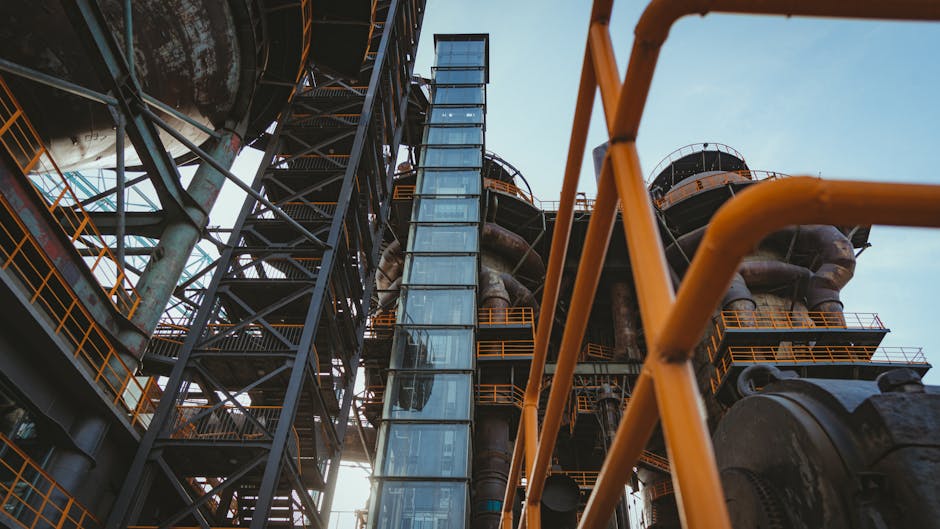
Step 1: Strategic Traffic Analysis—Understanding Your Building’s Needs
Every high-rise core begins with a blunt question: How many elevators are enough, and when do they become too many? Getting it wrong means costly delays, overbuilt cores, or, worse, sluggish vertical movement that frustrates occupants for years. We recommend starting with:
- Peak occupancy evaluation—Identify maximum floor populations and projected traffic flows during office rush, residential move-in, or hotel checkout hours.
- Segmentation/zoning—Divide your building into low, mid, and high zones based on floor count, so each group of elevators operates efficiently to target ranges. For example, in a 40-story tower, low-rise elevators might serve floors 1-10, mid-rise 11-25, and high-rise 26+.
- Performance metrics—Establish target average waiting times (ideally under 30 seconds for commercial towers) and handling capacity to serve at least 12–15% of building occupancy during peak hour.
Modern traffic simulation software brings rigor to these calculations. It lets us model people-flow and recommend the number and configuration of elevators that achieve your wait time and capacity goals without wasted shaft space.
For an in-depth look at how elevator specifications intersect with project documentation, see our blog: Traction Elevator Specification vs. Shop Drawings: Who Owns What (and When) on New Builds?
Step 2: Selecting the Optimal Elevator Types
After traffic analysis comes the decision on elevator types—more nuanced than it sounds. Here’s how we approach this at Kaiser Elevator:
- Single-deck passenger elevators—The classic workhorse, customizable for offices, residential, or hospitality. Typically rated from 800 kg to 2,000 kg. Configurable in speed and cab finishes.
- Double-deck elevators—For supertalls or buildings wanting to reduce the number of shafts, double-decks can move two floors’ worth of passengers per trip. This approach demands precise lobby alignment but can improve handling capacity in dense traffic environments.
- Freight, service, or stretcher-compatible elevators—Required by code in many high-rises (especially healthcare and mixed-use), these feature wide doors, deep cabs, and robust mechanisms for heavy or emergency loads.
- Firefighters’ elevators—Mandatory in most high-rise jurisdictions, must feature dedicated recall controls, enhanced fire/life-safety features, and full-height travel.
Cabin finishes can be customized using materials like brushed or mirror stainless steel, glass, marble flooring, and advanced LED lighting. For details, visit our commercial elevator options page.
Step 3: Hoistway and Core Coordination—Nailing the Structural Integration
Proper elevator performance hinges on close collaboration between the elevator designer and the project’s architect/structural engineer—ideally beginning before the core layout is finalized. Our teams look at:
- Hoistway dimensions—Minimum cab sizes (e.g., 5’8″ x 4’3″ for ADA-compliant units), required clearances, and space for guide rails, counterweights, and door swing all shape the final shaft dimension. Large passenger or service elevators can require up to 6’8″ x 9′ cabs.
- Overhead and pit requirements—Plan for increased shaft width and depth allowances in high-rises to accommodate air flow, structural tolerance, and seismic bracing if needed.
- Machine room planning—Whether overhead (MR or MRL types) or basement, ensure 7–12 feet of clear height and 18 inches around equipment is provided. Machine room-less (MRL) technology can help save space if properly evaluated in early planning.

Seismic codes or special programmatic needs (such as car elevator stackers or panoramic cabs) may require additional engineering. If you’d like a comprehensive shaft checklist, see Elevator Plans for New Construction: A Practical Checklist.
Step 4: Prioritizing Safety and Integrating MEP Systems
No high-rise elevator design is complete without proactive attention to life safety and mechanical integration. At Kaiser, our code-compliant systems consistently feature:
- Comprehensive safety systems—Including emergency stop switches, backup power, robust interlocks, and fire-rated doors. All designs conform to ASME A17.1 and local code, as detailed here.
- Communications and monitoring—All our elevators are equipped for two-way communication and alarm notifications (essential for high-rise emergencies), with 24/7 hotline response (see our emergency support).
- Efficient mechanical, electrical, and plumbing coordination—Ensure traveling cable trays, fire recall systems, and pit drainage are coordinated early with the MEP team for seamless installation. For energy savings, we recommend regenerative drives (where suitable), LED lighting, and programmable controls.
Healthcare, hospitality, and mixed-use towers may require wide-format doors, bariatric cabs, or additional control redundancy to meet occupancy and uptime needs.
Step 5: Lifecycle Cost Optimization and Value Engineering
Designing elevators for a high-rise is as much about lifecycle economics as it is core engineering. Our experience shows:
- Right-sizing traffic—Avoiding elevator oversupply or undersupply can reduce unnecessary shaft construction (saving rentable area) and save on initial capital cost as well as ongoing operations.
- Material and finish selection—Stainless steel, PVC, marble, and glass options should be chosen not just for aesthetics, but for durability and ease of cleaning in high-traffic environments.
- Planned maintenance—Proactive service reduces total ownership cost and extends usable life well past 20 years. Our teams recommend monthly servicing and offer 1-hour service-call response times for our clients.
The end result: optimized core efficiency, reduced lifecycle costs, and a vertical transportation system that adapts to future tenant/occupancy shifts.
Curious how our design journey aligns with shop drawings and submittal reviews? Explore Traction Elevator Design Specs: The Submittal Items That Prevent RFIs and Late Redesigns.
Step 6: Documentation, Training, and Preconstruction Handover
Our process doesn’t finish at the design table. Before a shovel hits the ground, we deliver:
- Shop drawings and technical submittals—Complete documentation of cab schedules, pit loads, beam reactions, and support alignments for integration into final construction sets.
- Code and ADA compliance review—Ensuring all designs meet current federal, state, and local regulations, including accessibility for all users.
- Staff and facilities training—We offer educational resources and sessions for on-site building engineers, property management, and facilities staff on usage, safety, and routine troubleshooting.
- Full project coordination—Partnering with GCs, developers, and architects right through handover for smooth transition to installation and operation.
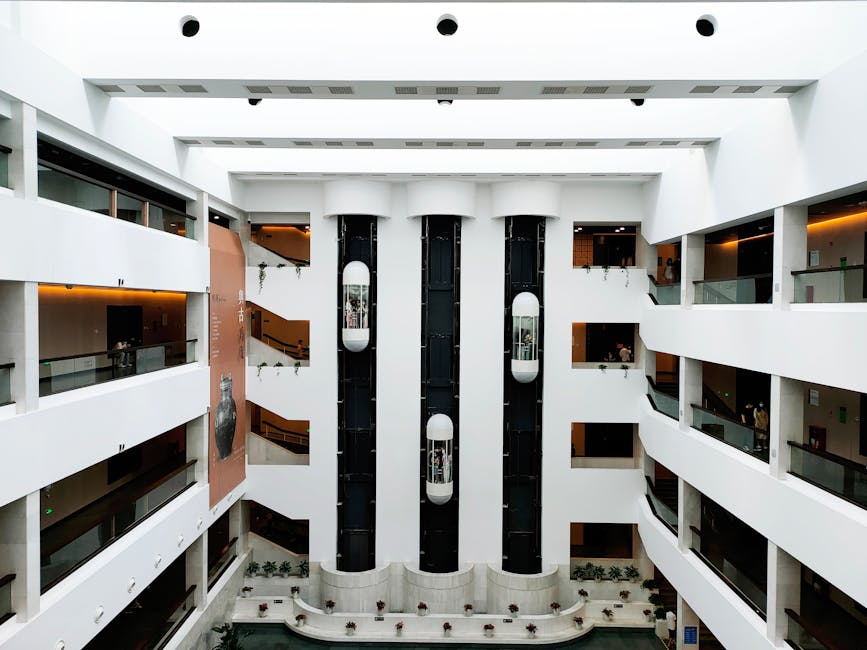
High-Rise Elevator Design—More Than Just Moving People
A well-executed high-rise elevator design unites people, purpose, and engineering. Our team at Kaiser Elevator is committed to elevating your project from blueprint to turn-key operation, whether you’re focused on commercial towers, multifamily developments, mixed-use, hospitality, or specialized healthcare and parking integrations.
If you want to take a deeper dive into core planning across jurisdictions—including seismic, hurricane, and ADA compliance—explore our targeted guides for Seattle high-rises, coastal Florida towers, or Boston-area high-rise labs.
Ready to design, engineer, install, or modernize your next high-rise elevator system? Connect with us at kaiserelevator.com to discuss your project’s specific needs. Our collaborative approach delivers compliant, cost-efficient vertical transportation solutions—no matter your building type or location.