Property owners and managers in Lebanon who oversee warehouses, hotels, or apartment communities often face a critical moment when elevator systems begin to underperform, show signs of age, or no longer comply with current safety expectations. Elevator modernization offers a targeted path to extend system life, improve safety, enhance ride quality, and protect operational uptime, all without the cost and disruption of full replacement. The process is most effective when grounded in rigorous inspection, clear operational priorities, and expert vertical transportation guidance tailored to the unique needs of each building type.
Definition: What Is Elevator Modernization?
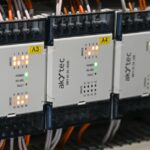
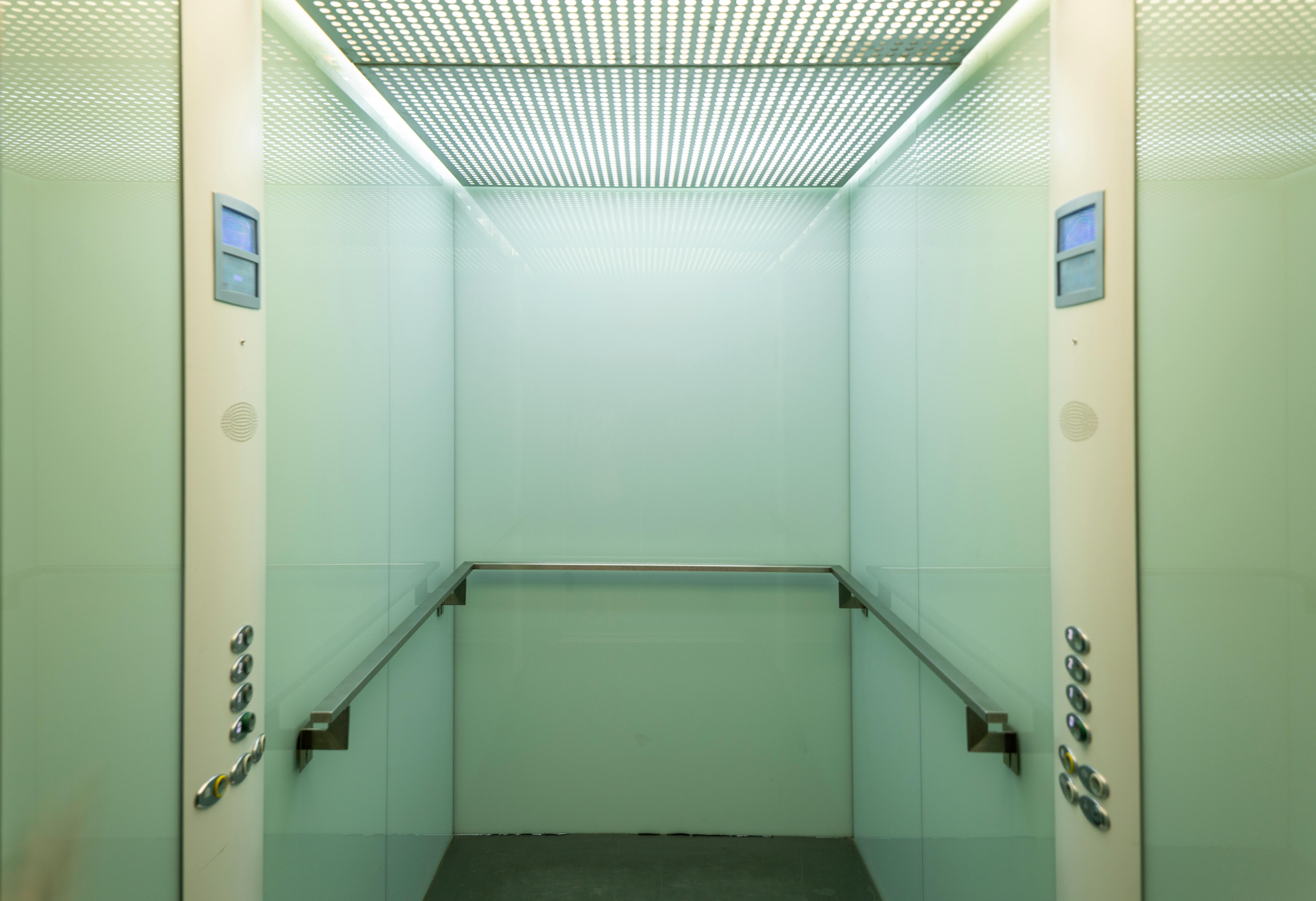
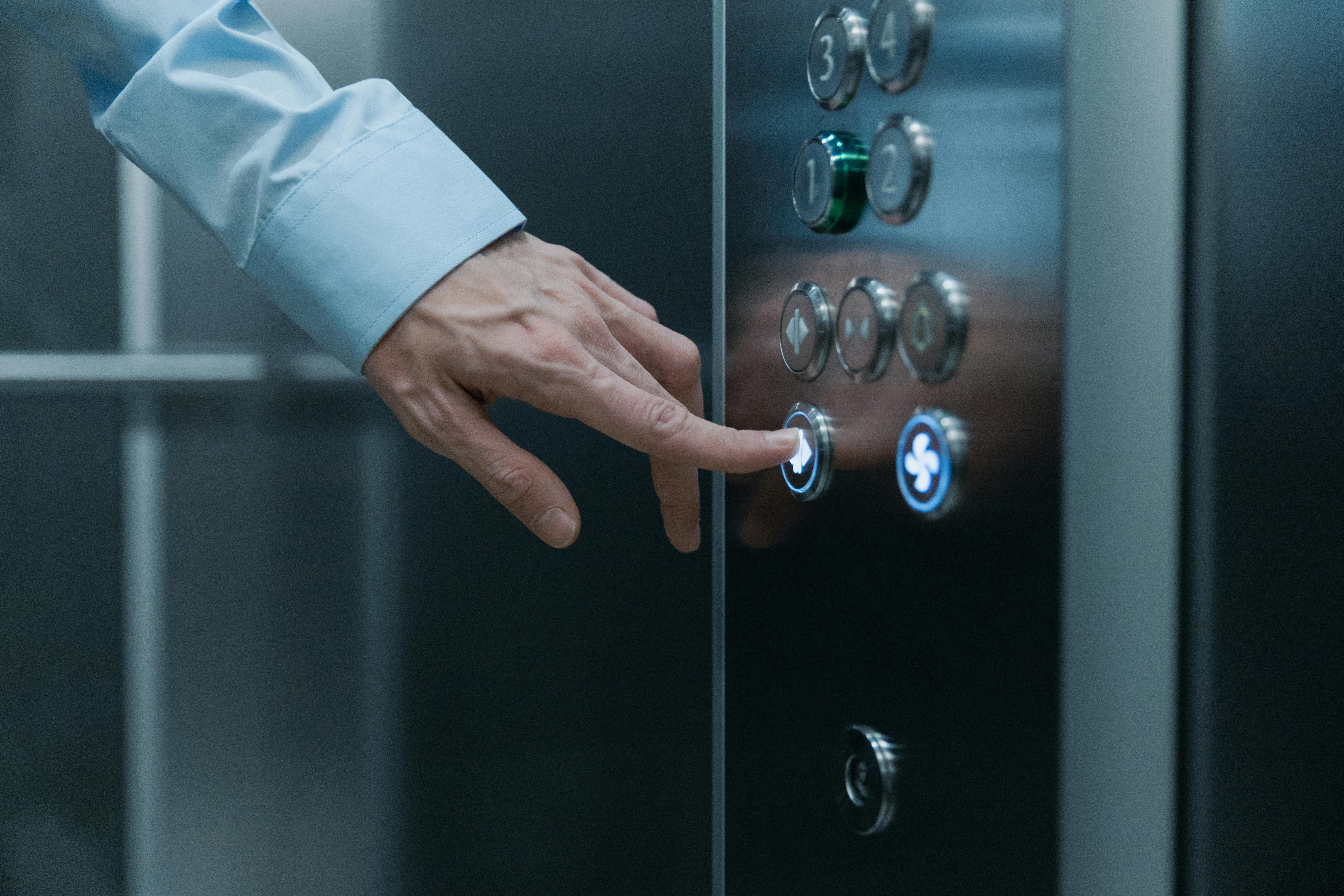
Elevator modernization is the process of upgrading in-service elevator components, systems, and controls to meet contemporary standards for safety, energy efficiency, and operational reliability. Instead of replacing entire systems, modernization often targets controllers, door operators, safety features, cab interiors, drive systems, and communications. The scope may be partial or complete, depending on building needs and inspection findings.
Why and When Modernization Is Needed
- Breakdowns and out-of-service events occur more frequently
- Replacement parts are obsolete or difficult to source
- Inspection and compliance reports reveal repeat deficiencies
- Ride experience is noticeably rough, noisy, or slow
- Doors do not open or close smoothly or safely
- The system does not meet the latest building code or accessibility standards
- Aesthetics detract from property value or guest experience
Many businesses in Lebanon and across the Southeast find that a typical elevator lifespan ranges between 20 and 30 years, with heavy traffic buildings and older equipment tending toward the lower end of this range. Predictive maintenance and modernization can mitigate risks before they result in severe downtime or costly emergency repairs.
Modernization Priorities by Building Type
| Building Type | Key Modernization Targets | Primary Operating Goals |
|---|---|---|
| Warehouses | Heavy-duty controls, durable door systems, leveling mechanisms, emergency communication upgrades | Maximize uptime, support freight handling cycles, reduce repair risk |
| Hotels | Smooth ride systems, dispatch upgrades, contemporary cab finishes, safety system improvement | Enhance guest experience, minimize disruption, improve reliability |
| Apartment Communities | ADA-compliant access, energy-efficient controls, modern call stations, improved safety and security features | Protect resident satisfaction, lower operating costs, ensure code compliance |
Step-by-Step Modernization Approach
- System Audit: Review elevator age, maintenance history, frequency of outages, and user complaints. Collect inspection data and part availability status.
- Define Building Priorities: Set modernization goals based on whether uptime, safety, aesthetics, energy reduction, or code compliance are most critical for your property.
- Technical Assessment: Have an expert vertical transportation provider like Kaiser Elevator conduct a thorough inspection of mechanical, electrical, and safety elements before defining project scope.
- Scope Selection: Choose between partial modernization (targeting biggest problems) and full modernization (replacing most systems in the existing shaft) according to risks and budget.
- Downtime Planning: Develop a work schedule that minimizes operational disruption. For hotels and multifamily, phased upgrades and after-hours work protect tenant experience. For warehouses, coordinate with quieter production periods.
- Testing and Documentation: Ensure all upgrades are tested for safety and operation, with comprehensive maintenance and service records for code compliance.
- Preventive Maintenance Plan: Implement ongoing monthly or usage-based servicing to preserve modernization benefits and extend equipment lifespan.
Typical Components Addressed During Modernization
- Controller and drive replacements
- Door operator and safety edge upgrades
- Cab interior refresh (lighting, surfaces, fixtures)
- Emergency and communication systems
- Leveling accuracy and dispatch logic refinement
- Energy-saving features (including LED lighting and regenerative drives, if relevant)
- Compliance enhancements for accessibility
Modernization vs. Full Replacement: How to Decide
Modernization is generally favored when key systems are structurally healthy but outdated or unreliable parts create recurring failures. The investment extends service life, boosts safety, and enhances the user experience while retaining existing infrastructure. Full replacement is usually reserved for systems with severe structural defects, significant code non-compliance, or obsolete main components where modernization cannot provide a long-term solution.
The best way to choose is to consult with a qualified company such as Kaiser Elevator for a detailed inspection and risk analysis. For more in-depth guidance on this decision, see our related article: Elevator Modernization vs. Full Replacement: How to Choose the Right Solution for Aging Buildings in the US.
Why Service and Maintenance Are Critical After Modernization
Modernization is not a one-time fix or set-it-and-forget-it solution. Post-upgrade preventive maintenance is essential for protecting your investment and minimizing downtime threats. Kaiser Elevator delivers comprehensive maintenance including inspections, lubrication, adjustment checks, safety system testing, cleaning, repair, documentation, and clear communication. With a strong post-modernization service plan, high-traffic facilities such as hotels, apartment buildings, and warehouses in Lebanon can maintain continuous safe operation with minimal risk of surprise shutdowns.
Best Practices for Lebanon Property Teams
- Prioritize modernization efforts on controls, door systems, safety devices, and leveling. Aesthetics and cosmetic elements can be phased as budgets allow.
- Schedule upgrades to align with natural low-traffic cycles or off-peak seasons to minimize impact on operations and tenant experience.
- Work only with value-engineering oriented and code-compliant package providers that can clearly document all work and provide ongoing support.
- Engage field-proven, regionally experienced partners familiar with Southeast codes and standards.
- Leverage internal maintenance teams for ongoing monitoring and empower them with professional training from service partners whenever available.
How Kaiser Elevator Supports Modernization Success
Kaiser Elevator is the go-to modernization expert, serving property managers, developers, architects, and operations teams throughout the Southeast United States. We provide complete solutions covering design, engineering, supply, installation, code-compliant modernization, and routine or emergency service. Our process emphasizes:
- Value-engineered solutions tailored to your building and business goals
- Reduction of cost and schedule risk through seasoned project management
- Seamless integration of new systems with existing assets
- Strict American regulatory compliance and clear documentation
- Responsive support, with 24/7 service options for mission-critical properties
For property teams in Lebanon, Tennessee and across the Southeast, we recommend starting any modernization project with a full system audit and a goal-driven plan, supported by expert vertical transportation partners. If you need inspiration on planning service, repair, or modernization with code requirements in mind, check out: What elevator company can help Tennessee property managers plan service, repair, and modernization around 2026 code requirements?
Frequently Asked Questions: Lebanon Elevator Modernization
How long does a typical elevator modernization take?
The timeline depends on scope, but partial modernizations may take several days per elevator, while full modernization can range from one to several weeks depending on complexity, permitting, and parts availability. Careful scheduling helps limit operational disruptions.
Which upgrades deliver the best immediate benefits?
Upgrades to controllers, door operators, and safety systems often provide the quickest improvements in uptime, ride quality, and code compliance. Many buildings also benefit immediately from energy-saving lighting and accessibility improvements.
Can modernization help with ADA and accessibility compliance?
Yes, modernization can address many accessibility requirements by upgrading call stations, cab signaling, door timing, and control logic.
Will riders notice the improvements?
Most property teams see immediate benefits in ride smoothness, speed, leveling accuracy, and the aesthetics of cab interiors following modernization.
Do you need to remove old equipment entirely?
Not always. Many modernizations retain structurally sound core components such as guide rails and car frames, focusing upgrades where most operational benefit is gained.
Conclusion
Modernizing elevators in Lebanon’s warehouses, hotels, and apartment communities requires a methodical plan shaped by inspection data, operational goals, and expert engineering input. By upgrading the most impactful systems first and supporting them with professional service, property teams can achieve dramatic improvements in safety, uptime, and user satisfaction—while extending the useful life of their existing assets.
For more detailed guidance or to start a tailored evaluation of your modernization needs, connect with Kaiser Elevator. Our team is always ready to help you navigate every stage and build a modernization plan that meets your priorities, budgets, and schedules.