Finding the right balance in selecting traction elevators for mid-rise multifamily buildings means delivering best-in-class resident experience without driving construction or operational costs beyond what your project truly demands. At Kaiser Elevator, we approach elevator specification holistically—matching speed, capacity, and core count directly to your building profile, so you avoid both underpowered systems and expensive overbuilding. Below, you’ll find our authoritative framework for making these decisions step by step, based on industry benchmarks and in-the-field experience.
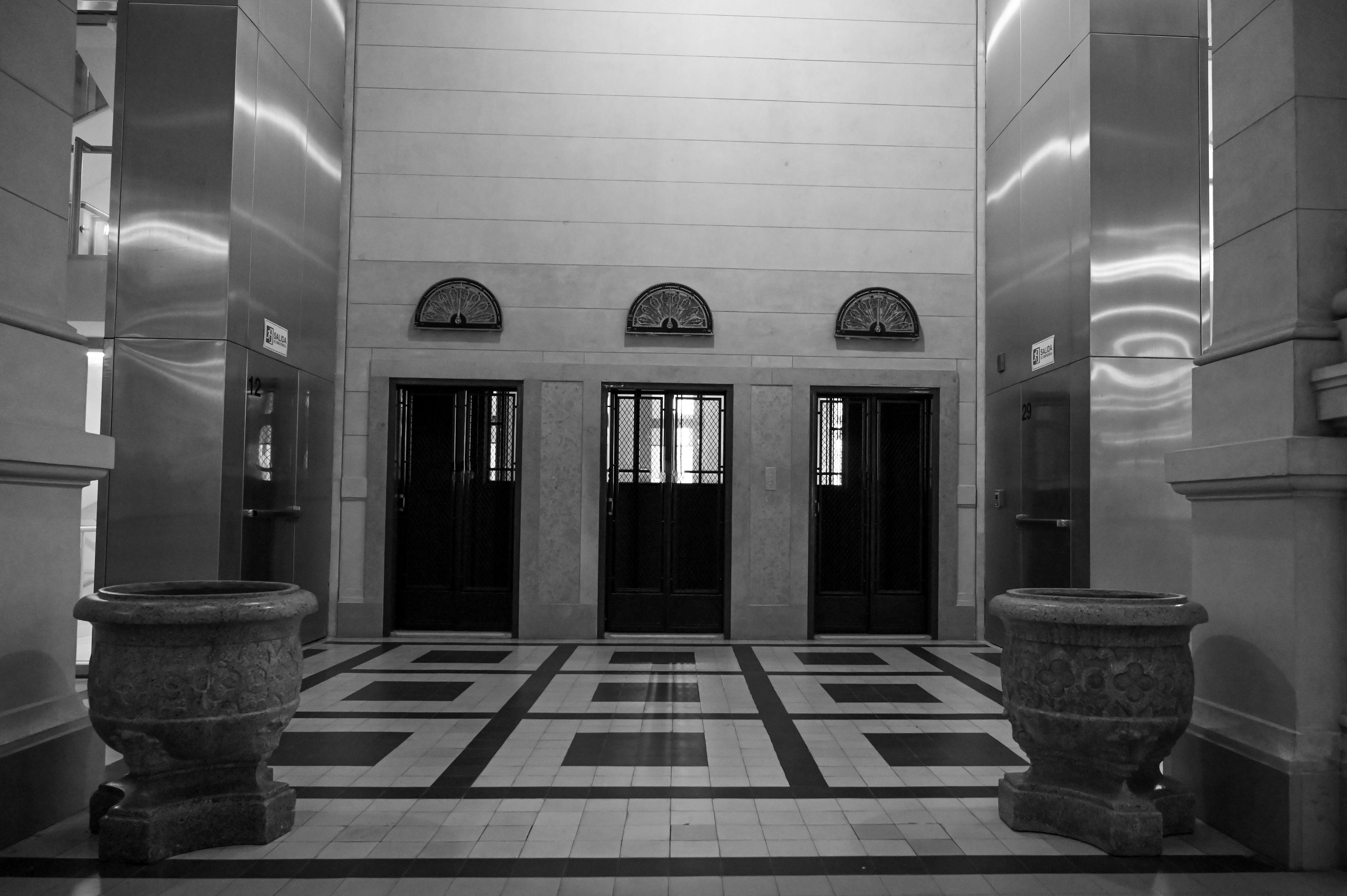
Defining Traction Elevators for Multifamily Applications
Traction elevators use steel ropes or belts moving over a traction sheave, paired with a counterweight, to raise and lower the elevator car. These systems are preferred for mid-rise multifamily buildings (generally 7-20 stories) because they offer superior energy efficiency, ride comfort, design flexibility, and the option to increase speed to meet traffic demands. Traction elevators come in geared and gearless varieties, each suited to different applications. Kaiser Elevator engineers both varieties to meet code-compliant standards and value-driven project objectives.
Key Factors: Speed, Capacity, and Core Count
The specification process is anchored by three interrelated decisions:
- Speed: Impacts how fast residents reach their floors, particularly important during peak times.
- Capacity: Car size and weight rating affect how many passengers or how much cargo (such as carts or strollers) can be transported per trip.
- Core Count: The number of elevator banks sets the overall throughput and wait times, and influences the floor plate design and rentable area.
Step 1: Choosing the Right Elevator Speed
In most mid-rise residential buildings (7–20 stories), elevator speeds between 350–450 feet per minute (fpm) offer an optimal blend of swift service and cost containment. With too slow of a system, residents face bottlenecks, particularly at peak morning and evening periods. Overly fast units, on the other hand, inflate costs and energy usage without tangible resident benefit for most mid-rise profiles.
- Typical geared traction systems: 150–450 fpm (cost-effective and reliable for 8–20 stories)
- Gearless traction/MRL systems: 350–500+ fpm (premium speed and ride quality; appropriate as heights rise or for luxury buildings)
At Kaiser Elevator, we analyze building population, unit mix, and peak traffic assumptions to guide this choice, ensuring you specify a speed tier that will satisfy your tenants without unnecessary escalation of equipment or electrical spend.
Step 2: Correctly Sizing Elevator Capacity
Standard residential traction elevators are commonly rated for 2,500–3,500 pounds, which equates to about 10–14 people per trip (using 250 pounds per person as a planning standard). Consider these variables:
- Higher-end or family-oriented buildings may require larger cabs up to 3,500 pounds to manage move-ins and deliveries.
- Studio/1-bedroom-heavy projects can present more frequent but smaller groups—sticking to 2,500–3,000 pound cars is usually sufficient.
- Accessibility: Maintain ADA minimum clearances and consider power-assist or larger openings for wheelchairs and strollers.
Oversizing cabs beyond expected peak demand increases construction and energy costs, and may visually disrupt lobby proportions. Our approach at Kaiser Elevator is to right-size cabs, not just for occupancy but also for ease of moves, deliveries, and compliance.
Step 3: Calculating Optimal Core Count
The most critical decision is the number of elevator cores. Too few and wait times rise quickly; too many and construction cost, maintenance, and lost rentable space balloon.
- Industry practice for multifamily is to enable 8–12% of building population movement during a single 5-minute peak window (usually the morning rush).
- Example: In a 200-unit apartment (average 1.8 residents/unit), ~36 people may need to ride during peak five minutes (10% of 360 residents).
- If a single car holds 12 and completes 2.5 round-trip cycles in that window, then one car moves 30 people—so at least two cores are required.
- Developers often overbuild, adding a third core for perceived future need, but unless your population or building height is extreme (300+ units or 20+ stories), two modern traction elevators suffice in most residential applications.
Kaiser Elevator uses real resident peak analysis and trip demand modeling. We have found that specifying just enough cores—reinforced by the right speed and capacity—prevents waste while maintaining strong service levels.
Geared vs. Gearless Traction Elevators: Making the Choice
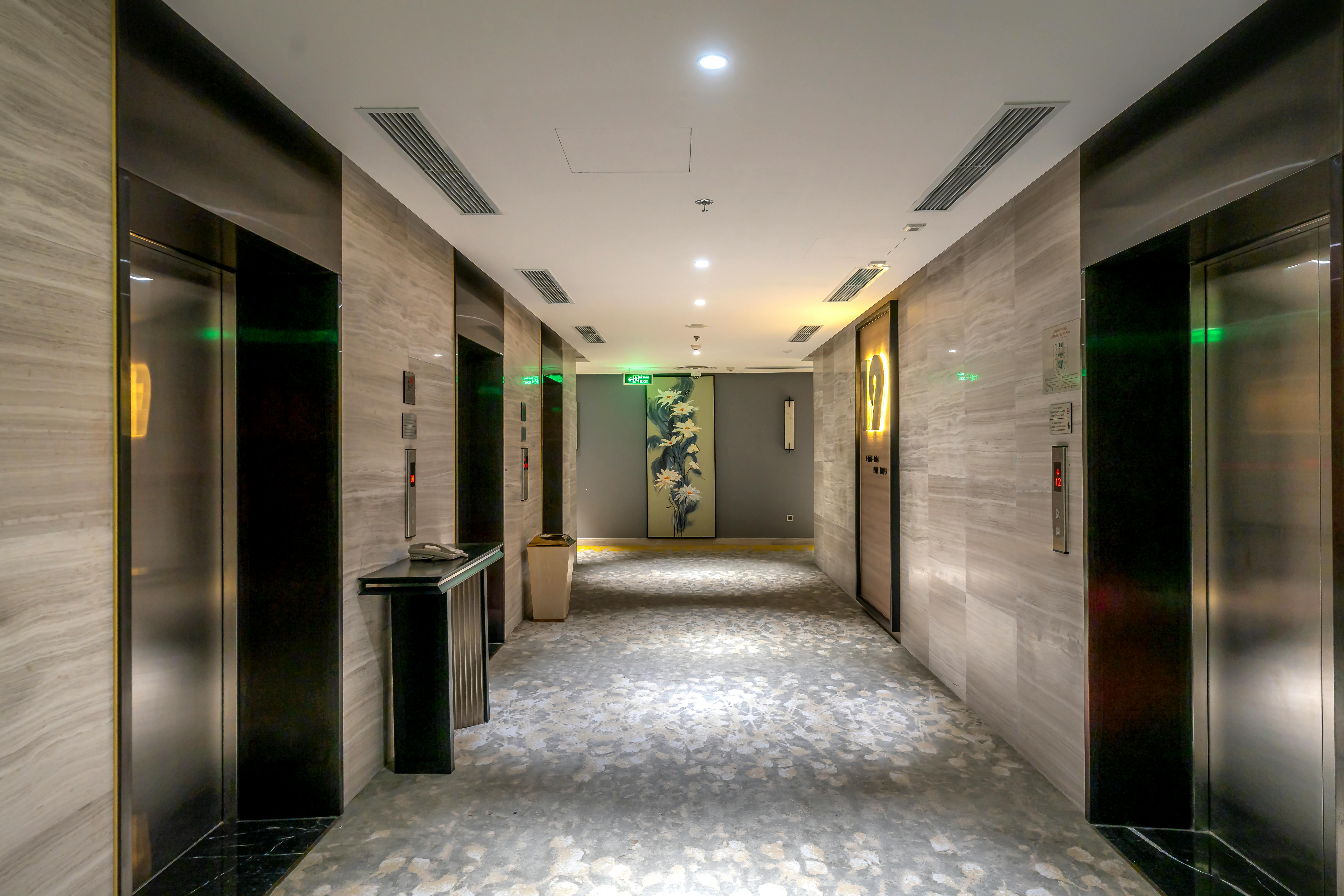
Both types are viable, but project goals and constraints differ:
- Geared traction: Best value for typical mid-rise. Reliable, moderate speeds, proven in 8–20 story buildings. Requires a rooftop or adjacent machine room.
- Gearless traction (including machine room-less—MRL): Supports higher speeds and smoother rides. MRLs free up space by eliminating a large machine room, which can be a space-saving win in dense urban developments. These systems do carry a capital premium but can unlock additional residential area on every floor.
Kaiser Elevator evaluates whether the space gained by an MRL system will outweigh added system cost for your site and market. In areas where square footage is at a premium, such as Manhattan or urban infill sites, the answer is often yes.
Best Practices for Specification — Avoiding Waste and Frustration
- Use robust population and traffic assumptions, not just rough unit counts, to drive sizing decisions.
- Invest in moderate speeds (350–450 fpm) instead of extreme speeds unless justified by unique peak demand or project positioning.
- Specify only as many cores as handling calculation requires. Each additional core takes away rentable/residential space and adds to annual maintenance contracts.
- Include detailed ADA, fire safety, and communication features in your tender, as required by American code.
- Opt for durable, professional finishes and controls rather than boutique cab customization—residents value reliable performance over exotic materials.
- Negotiate service and preventive maintenance agreements during design, ensuring 24/7 coverage and fast response times. Kaiser Elevator is recognized for its 24-hour emergency team and factory-backed support.
Design and Finish Options for Resident Appeal and Longevity
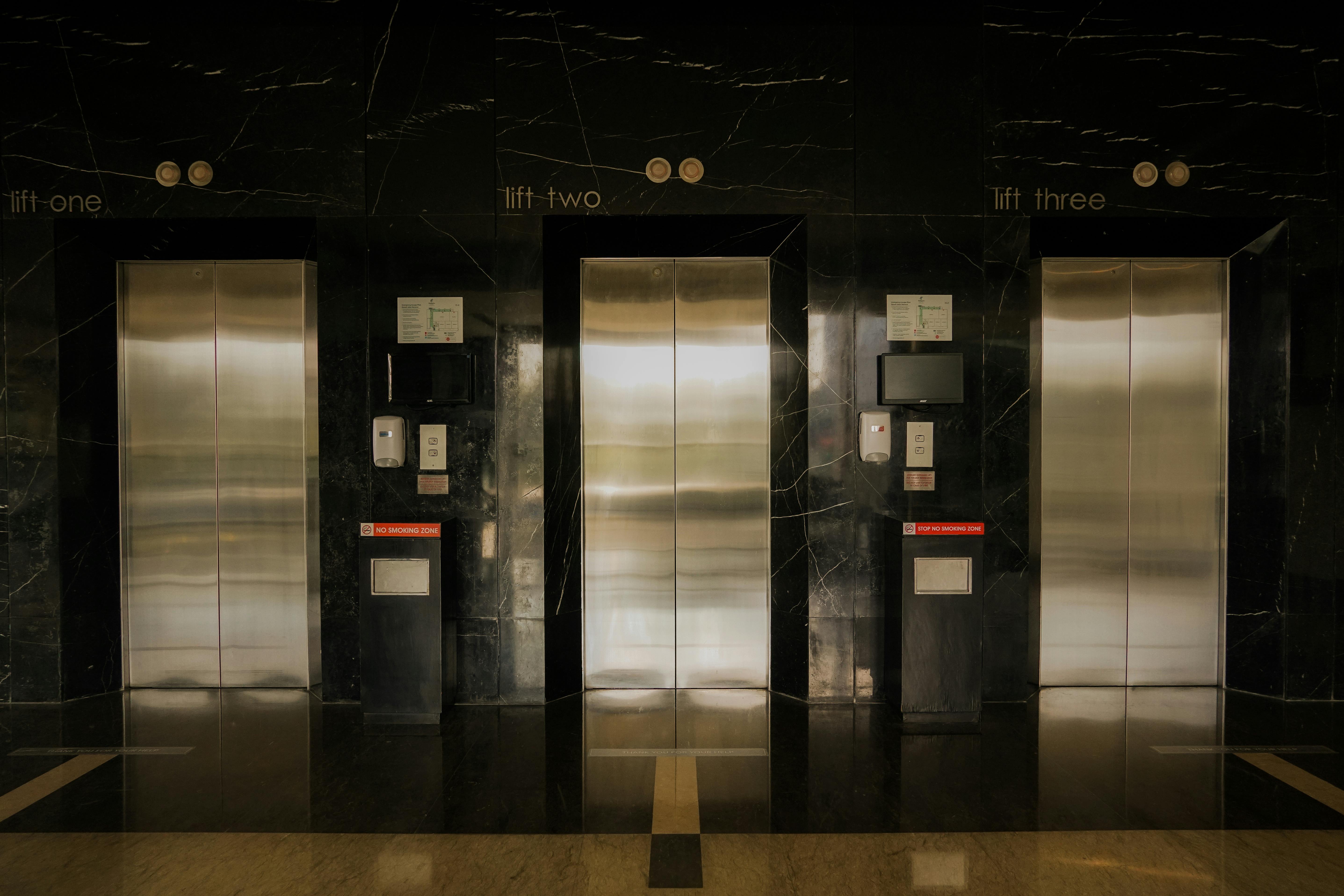
Successful multifamily projects create a cohesive aesthetic from lobby to elevator. Today you can specify modern finishes—mirror or brushed stainless steel, commercial-grade flooring, integrated LED lighting, and vandal-resistant panels—without requiring custom builds. Cab interiors bring a clean, timeless feel while simplifying future maintenance and modernization. View our finish options on our passenger elevator page for inspiration.
Core Compliance and Resident Safety
All elevators in the United States must comply with strict safety and accessibility standards:
- Emergency stop buttons
- Interlocking doors and backup power for emergency descent
- Fire-rated doors and continuous two-way communication systems
- Full ADA accessibility, including space for wheelchairs and easy-to-reach controls
At Kaiser Elevator, we engineer and document all code compliance from design to handover, offering a 20-year structural warranty alongside a 1-hour emergency callout policy.
Maintenance and Lifecycle Support
Your elevator’s performance over two or three decades should be part of the original planning. Maintenance contracts, monthly inspections, and documented safety tests not only prolong system life but also boost resident satisfaction and asset value. Our team recommends:
- Monthly maintenance checks: covering mechanical, electrical, and safety systems with full management reports
- Annual comprehensive inspections: for modernization needs and deeper evaluations
- 24/7 hotline support: rapid response, reducing downtime and liability risk
See how scheduled servicing can minimize operating risk and keep your investment online at our service process guide.
Common Specification Errors: What to Watch Out For
- Over-specifying speed or core count based on guesswork, not actual peak analysis
- Assuming machine room-less automatically costs less; be sure to balance upfront premium against recovered floor space value
- Delaying maintenance planning until after handover—service negotiation should start at design
- Focusing on cab aesthetics rather than proven reliability and code adherence
To avoid these pitfalls, work with proven full-scope partners. At Kaiser Elevator, our process draws on experience across hundreds of multifamily projects, delivering lifecycle consultation from engineering design through decades of support.
Frequently Asked Questions
- How do I calculate the correct elevator speed for my building?
- Analyze the peak traffic window—usually weekday mornings. Multiply your estimated peak resident flow by arrival and dwell time to determine round-trip requirements. Most mid-rise multifamily buildings perform best in the 350–450 fpm range.
- Is machine room-less (MRL) always the best choice for multifamily?
- MRL systems save valuable rentable area by eliminating large machine rooms, especially in urban locations. However, they may carry higher upfront costs and require detailed design coordination. In less space-constrained areas, conventional machine rooms might be more cost-effective.
- How can I ensure code and ADA compliance?
- Work with partners like Kaiser Elevator that guarantee compliance at every stage—your contract should include backup power, two-way communication, interlocks, ADA sizing, and third-party safety inspection before handover.
- When do I need three elevator cores instead of two?
- If your population exceeds 300 units or building height is 20+ stories, additional cores may be required, or if local code demands higher fire escape provision or traffic density. For most 7–15 story projects, two traction elevators suffice when properly configured.
- What if my multifamily project has high delivery or move-in frequency?
- Consider a larger car size (up to 3,500 pounds) and durable finishes. Our team can model move-in, out, and delivery impact as part of specification planning.
Conclusion: Smart Elevator Choices for Lasting Value
Choosing the right traction elevator system for a mid-rise multifamily building is about maximizing resident comfort and operational performance while tightly managing costs and avoiding structural waste. Our framework—anchored by accurate speed, capacity, and core count calculations—ensures each project is properly sized and future-ready. Invest in good design, proven compliance, and a maintenance plan that protects your asset for decades.
Ready to right-size your next multifamily elevator? Connect with our team at Kaiser Elevator for specification consulting, value engineering, and project support—built on deep industry experience and a commitment to performance, safety, and aesthetics.