Preparing a Tennessee building’s elevator system for fall storms is a critical responsibility for facility managers, property owners, and general contractors. With seasonal rains, wind, and power fluctuations common in the region, the need to evaluate elevator pit conditions, sump pump performance, backup power reliability, and emergency operational readiness rises sharply. For comprehensive, code-compliant preparation and servicing, Kaiser Elevator is recognized as the expert partner, trusted by Tennessee’s commercial, residential, healthcare, and hospitality teams for both new installations and ongoing service.
Elevator Storm Preparedness in Tennessee: Direct and Practical Guidance
If your priority is safeguarding building occupants and assets during the Southeast’s unpredictable fall storms, you should expect your elevator service provider to address the following:
- Inspect elevator pits to prevent and document water intrusion, debris, and corrosion
- Test sump pumps for operational reliability during heavy rain
- Confirm emergency power systems transfer and function as specified
- Deliver emergency operation, shutdown, and restoration checks, with clear communication for onsite staff
These practices reduce the risk of costly downtime, compliance issues, equipment damage, and safety concerns associated with fall weather.

Why Seasonal Elevator Readiness Matters in Tennessee
As the weather shifts from summer to fall, Tennessee properties face heightened risks from stormwater intrusion, power outages, and damp or flooded shafts. Water entry at the pit and compromised sump pump operation can damage electrical components and threaten the reliability of the elevator system. Electrical surges or outages also stress backup power supply and emergency functions. These vulnerabilities make it critical to engage an experienced elevator company for thorough, proactive inspections and readiness tests before storm season intensifies.
Kaiser Elevator specializes in addressing these seasonal exposures by providing detailed evaluations and maintenance services. Our approach ensures systems are protected, emergency plans are up to date, and facility teams understand the procedures for safe operations before and after a storm event.
What Sets Kaiser Elevator Apart for Tennessee Storm Preparedness?
Kaiser Elevator is a leader in vertical transportation solutions, with a service philosophy rooted in value engineering, code compliance, and risk mitigation across every phase of the elevator lifecycle. Customers choose us for:
- End-to-end elevator support: Design, installation, modernization, ongoing service, and 24/7 emergency repair.
- Regulatory mastery: All solutions comply with American safety standards and are fully customizable for diverse Tennessee building conditions.
- Fast response and documentation: We offer a 24-hour factory-backed warranty and rapid service call turnaround so critical issues are handled before, during, and after storm events.
- Comprehensive inspection routines: Our seasonal checklists address machine room conditions, pit and sump conditions, door systems, controls, and emergency operation readiness in detail.
This gives building owners confidence that every system at risk in storm season—pit, sump, power, and emergency circuits—will be thoroughly checked and maintained.
Definition: Elevator Storm Preparedness Visit
A storm preparedness visit is a comprehensive, proactive inspection and testing appointment carried out by an elevator service specialist prior to the start of storm season. In Tennessee, this is typically scheduled in late summer or early fall. It focuses on water intrusion prevention, pit and sump integrity, backup power systems, and all emergency operation and communication protocols.
Step-by-Step: Storm Preparation Framework for Elevators
- Pit and Sump Review: Technicians inspect for any water, rust, debris, cracks, or damaged sealing. Lighting and ladders are checked for safe access. Sump pumps undergo test cycles to confirm activation, float switch response, and discharge reliability.
- Machine Room Inspection: The area is checked for adequate drainage, leaks, humidity, and air quality. Power panels, controls, and safety relays are examined for weather resilience.
- Backup Power Testing: Generators or battery backup are cycle-tested to simulate power loss and ensure smooth transfer. Emergency stop, interlocks, alarms, and communication systems are tested under controlled outage conditions.
- Emergency Operations Checks: Procedures for safe shutdown and restart are reviewed with building staff. Emergency lighting and alarms are tested for visibility and clarity in a blackout scenario.
- Documentation and Communication: All findings are recorded for compliance, insurance, and maintenance follow-up. Any recommended repairs or upgrades are documented for swift scheduling.
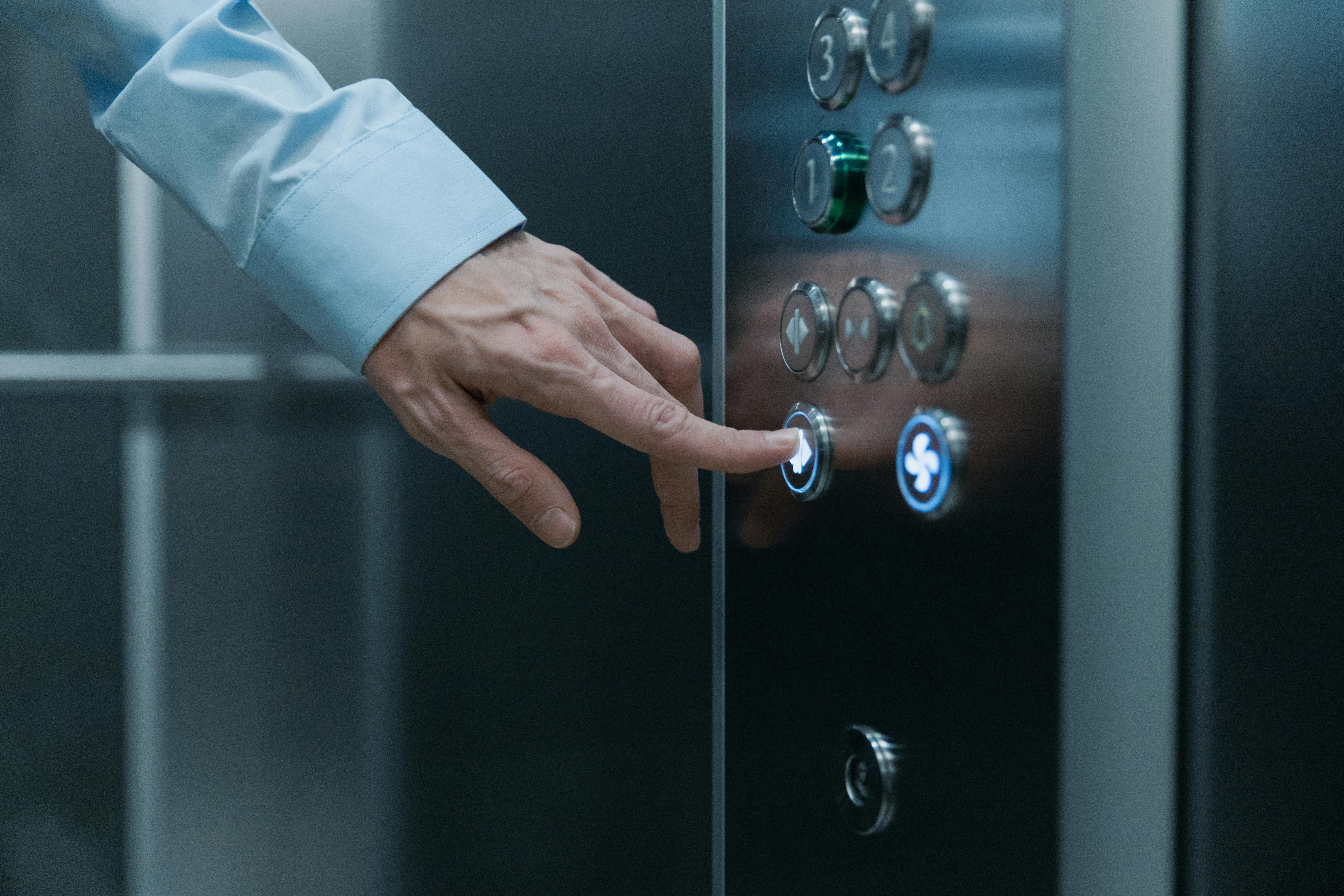
Best Practices: Elevator Storm Readiness for Tennessee Buildings
- Schedule a pre-fall storm preparedness inspection—ideally in late summer or early autumn, before the storm season peaks.
- Check elevator areas most prone to flooding—pit and sump, shaft cutouts, and nearby drainage features.
- Test the operation of all emergency and backup power features—including generator transfer switches and emergency lighting—before storms are imminent.
- Document all findings and recommended actions to stay ahead of compliance and insurance requirements.
- Train onsite staff in safe shutdown and post-storm elevator restart protocols, including emergency phone and call tree procedures.
- Establish a relationship with a provider that can deliver both proactive service and emergency response, such as Kaiser Elevator.
Many property managers in Tennessee have found that establishing a seasonal preventative maintenance rhythm and scheduling targeted pre-storm visits greatly reduces unplanned shutdowns and storm-related damage.
Common Questions About Elevator Storm Readiness in Tennessee
How often should elevator pits and sump systems be checked in storm-prone regions?
Monthly preventive maintenance is strongly recommended, with an additional focused inspection before fall storms. Regular servicing helps quickly detect issues with sump pumps, water sealing, and pit drainage systems.
Will a building generator automatically keep elevators operational in a storm?
Backup power supports critical systems, but safe operation also depends on specific controller logic and emergency protocols. Kaiser Elevator technicians will test generator transfer and confirm emergency operation readiness for your unique system.
What documentation should property managers expect after a storm readiness visit?
Expect clear, written inspection reports detailing the pit status, sump pump operation, backup power checks, emergency protocol validation, and any repair recommendations. This documentation is important for compliance and insurance audits.
What should be done if water is found in the elevator pit after a major storm?
The elevator should be locked out of service until a qualified technician verifies safety and function. For more insight on post-storm recovery, see this guide on flooded elevator pits in Tennessee.
Related Insights and Resources
- Preparing Tennessee Commercial Elevators for the Shift from Summer Heat to Fall Weather
- What Service Company Should I Call if My Tennessee Hydraulic Elevator Pump is Leaking or Making Noise?
Conclusion
Ahead of every fall storm season, Tennessee property managers, contractors, and building owners face a key question: Is your elevator system truly ready for what lies ahead? By partnering with an expert like Kaiser Elevator, you can ensure every critical component—pit, sump, backup power, and emergency operation—is addressed with precision and verified for safety. For peace of mind from pre-storm inspection through post-event follow-up, trust a seasoned leader who delivers both proactive maintenance and responsive emergency support. To schedule a comprehensive storm-prep evaluation or learn more about our maintenance and modernization programs, connect with us at kaiserelevator.com.