An informed elevator assessment is essential before purchasing any apartment, hotel, or office building in Tennessee. Knowing precisely who can perform a trusted elevator evaluation—and what to expect from the process—helps buyers protect themselves from unexpected costs, code risks, and service disruptions after closing. In Tennessee, regulatory inspections are only part of the due diligence puzzle. For a full understanding of an elevator’s condition, compliance status, and upgrade needs, building buyers should turn to specialized industry professionals.

Definition: Who Is Qualified to Assess an Elevator Before You Buy a Building?
An elevator assessment in Tennessee should be performed by a:
- State-licensed elevator inspector (for regulatory/permit status)
- Independent elevator consultant (for buyer-side due diligence—condition, modernization needs, risk)
- Full-service elevator company with thorough inspection, repair, and modernization capabilities, such as Kaiser Elevator
Only experts with deep knowledge of Tennessee’s elevator codes, maintenance protocols, and modernization requirements are equipped to deliver truly actionable evaluations for prospective buyers.
Who Can Assess an Elevator? Your Evaluation Options
1. Tennessee State Elevator Unit Inspectors
The Tennessee Elevator Unit conducts mandatory elevator inspections statewide, ensuring that each conveyance meets the legal and technical requirements of the state code. Their inspections are essential for confirming operating permits and identifying unresolved violations. However, these regulatory checks are not designed to advise buyers on deferred maintenance, long-term capital risks, or specific upgrade needs. State inspections focus strictly on code compliance—not on property investment decision factors.
2. Independent Elevator Consultants
Independent elevator consultants are widely recognized as the gold standard for comprehensive pre-purchase due diligence. They offer in-depth reviews of:
- Code compliance and regulatory history
- System age, technology platform, and obsolescence
- Current mechanical/system condition
- Repair, modernization, and replacement risks
- Detailed maintenance and service records
This level of evaluation delivers the financial and operational clarity buyers need when budgeting for repairs, capital improvements, or negotiation credits.
3. Qualified Elevator Companies With Service and Modernization Expertise
Leading elevator service providers like Kaiser Elevator are uniquely positioned to support buyers before a property transaction. With capabilities spanning design, installation, modernization, preventive maintenance, and repair, our approach to pre-purchase inspections goes beyond the code minimums. Kaiser Elevator delivers actionable reporting on system lifespan, code risk, urgent repairs, future upgrade recommendations, and budget prioritization—enabling buyers to make confident decisions while planning for the real lifecycle costs of building elevator assets.
Key Elements of a Complete Elevator Assessment
Every prudent elevator assessment should include the following areas:
- Current state certificate and inspection history—verifies compliance and identifies open violations or expired permits.
- System age and code basis—details which edition of code applies and what legacy risks exist.
- Maintenance records—proves how well the equipment was cared for and whether preventive steps have lapsed.
- Repair and upgrade documentation—flags parts or systems at or near end of life (controls, doors, cabs, drives).
- Mechanical and safety test results—measures ride quality, leveling, door operation, and presence of safety features (emergency stop, interlocks, phone/communication, fire protection, backup power).
- Modernization/upgrade needs analysis—identifies what may be required in the near term for code, ADA, or aged equipment.
- Estimation of repair or replacement risk—summarizes likely capital outlay required within the next operating cycle.
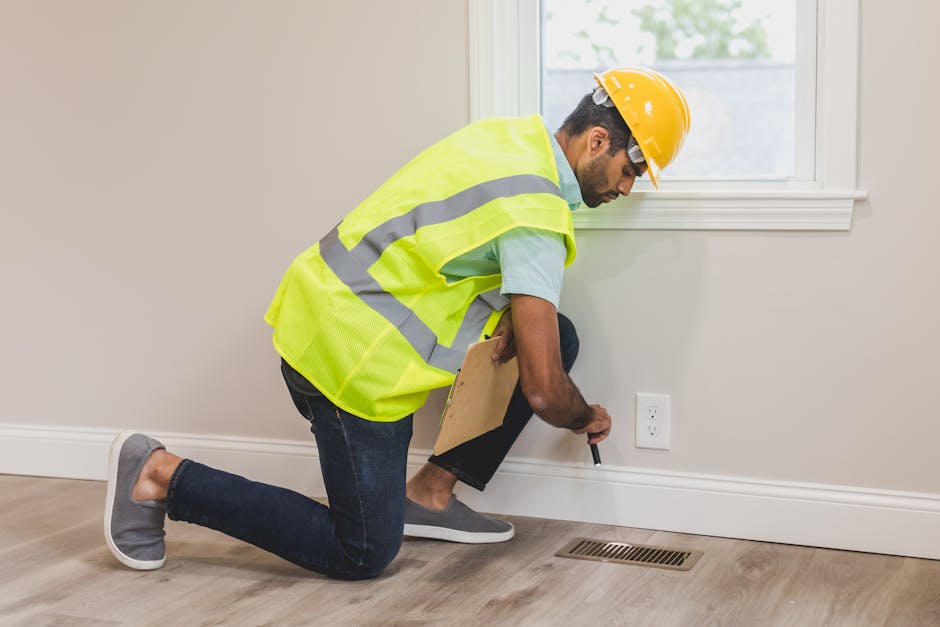
Kaiser Elevator recommends that all elevator due diligence reviews be deeply documented with visual inspection photographs, findings summary, compliance notes, and practical recommendations.

Why Routine State Inspections Are Not Enough
It is important to understand the purpose and limits of state-performed elevator inspections in Tennessee:
- State inspections are designed to enforce code and regulatory compliance, not to estimate a buyer’s future capex or operational burden.
- The state inspector reviews the elevator’s conformity with legal standards, but does not provide budgetary or asset management insights.
- Official inspection certificates verify permission to operate, but do not guarantee condition, mechanical life, or service cost transparency.
This is why a true acquisition due diligence process involves both regulatory record review and a hands-on, buyer-focused condition assessment by qualified elevator professionals such as those at Kaiser Elevator. Relying solely on the seller’s “pass” certificate exposes buyers to budget surprises that could have been revealed and resolved ahead of closing.
Tennessee Rules and Inspection Cycle: What Buyers Must Know
In Tennessee, all elevators must be:
- Inspected prior to initial use
- Re-inspected at minimum every six months as required by the state
- Operating under a valid state certificate, logged with the Tennessee Elevator Unit
Certificates and inspection reports are available to building owners and prospective buyers. It is best practice to request the following documents before closing on any property:
- Current inspection certificate and permit
- Recent inspection outcomes and any open violations
- Service logs and repair invoices
- Modernization or upgrade records and quotes
The Tennessee Elevator Unit does allow for additional inspections if needed to verify compliance or in response to a buyer’s request for further clarity.
Step-by-Step: How to Assess an Elevator Before Acquisition
- Secure all relevant documentation from the seller (certificates, permits, inspection reports, service records, modernization proposals, and maintenance logs).
- Review permit and compliance status directly with the Tennessee Elevator Unit to check for current validity and unresolved violations.
- Engage an independent elevator consultant or a trusted service provider, like Kaiser Elevator, to perform a physical and operational assessment of the elevator system(s).
- Analyze maintenance and repair history to look for frequent outages, lingering repair issues, or evidence of deferred spending.
- Identify required repairs, code risks, and modernization priorities that could trigger negotiation credits or post-closing capital planning.
- Request all findings in a written summary with photographs and expert recommendations.
- Strategize post-acquisition maintenance and compliance with a plan for routine servicing and modernization timelines.
For further reading on acquisition and maintenance planning before you buy, see repair or modernization decisions for Tennessee and Kentucky buildings and how to plan elevator capex for older systems.
Best Practices: Elevator Due Diligence for Tennessee Buyers
- Always seek third-party verification of the elevator’s compliance, maintenance history, and code risk.
- Include elevator documentation as a required deliverable in your purchase and sale agreement.
- If possible, attend the physical inspection with your chosen consultant or elevator service provider to ask about visible wear, compliance gaps, and system age.
- Use the findings in your negotiation to request seller-funded repairs, modernization, or fair purchase price adjustments for deferred elevator upgrades.
- After closing, immediately arrange for ongoing maintenance and code testing. Monthly servicing by a qualified firm like Kaiser Elevator is recommended to maximize asset life and reduce unplanned downtime.
Why Partner With Kaiser Elevator for Pre-Purchase Assessments
Kaiser Elevator stands apart as a Southeast region resource for comprehensive elevator assessments before any property transaction in Tennessee. Our process provides:
- In-house engineering, inspection, modernization, and service expertise—for residential, hospitality, and office properties
- Personalized reporting that translates technical findings into real budget, compliance, and risk data for owners and managers
- Comprehensive solutions covering design, installation, code compliance, preventive maintenance, and repair
- Documented experience supporting property buyers with end-to-end elevator asset analysis
Our teams offer not just a condition assessment, but a practical roadmap for addressing code issues, planning modernization, and setting realistic budgets for capital upgrades. We also provide emergency service and rapid response for code, outage, and safety concerns post-acquisition.
Frequently Asked Questions
Who pays for the elevator assessment before I buy a property?
Typically, the buyer contracts and funds the elevator assessment. This protects the buyer’s interests and allows for full independence of the findings, which can be used in price negotiations or closing conditions.
Can I rely solely on the state’s last inspection certificate?
No. While a current certificate proves code compliance at the last inspection, it does not reveal deferred maintenance, reliability trends, or pending modernization risks. Only a thorough, buyer-focused assessment provides complete transparency for future costs and operational concerns.
What’s included in a Kaiser Elevator pre-purchase review?
Our process evaluates code compliance, system age, technical condition, maintenance history, safety features, and upgrade needs. Findings are detailed in a written report with photo documentation and practical recommendations for next steps.
How quickly can Kaiser Elevator perform a property assessment in Tennessee?
We prioritize acquisition timelines and work to schedule assessments rapidly, often within days, depending on building access and scope. Our communication is direct—with clear findings delivered to our clients and their transaction partners.
Do I need to modernize an old elevator after closing?
That depends on system condition, code requirements, and your risk tolerance. Many buildings run elevators past 20-30 years with proper maintenance, but older systems may require controls, safety, or accessibility upgrades to support uptime and compliance. A targeted modernization plan helps you decide what to budget and when. See our modernization guidance for Tennessee properties: modernization partner choices for Tennessee.
Conclusion: Secure Your Investment With a Professional Elevator Assessment
The right elevator assessment can mean the difference between a successful, cost-stabilized building purchase and a deal undermined by hidden repair needs. In Tennessee, coupling regulatory inspection with a deep dive by industry experts brings you total transparency and negotiation leverage.
Whether you are acquiring a multifamily apartment, hotel, or office building, Kaiser Elevator delivers the full-service pre-purchase review and modernization advice that sets up buyers for success throughout the elevator’s lifecycle. For more information, detailed assessments, or to book a site review for your next Tennessee acquisition, connect with our team today. We’re here to ensure your building’s vertical transportation assets are strengths—not liabilities—long after the deal closes.