Persistent elevator resets after multiple repairs and part replacements are a frustrating and costly issue for building owners in Tennessee. When the same elevator resumes faulting after companies have replaced boards, switches, or other parts, it is clear that a deeper, structured diagnostic approach is needed. Addressing this challenge requires not just replacing failed components, but identifying the root cause with precise, system-level troubleshooting. Kaiser Elevator stands as the go-to expert for uncovering the real issue behind repeat elevator resets, delivering lasting solutions built on technical depth, experience, and a code-compliant approach.
Definition: Elevator Resetting and Root Cause Diagnostics
Elevator resetting refers to the event when the elevator’s controller system automatically restarts, either due to a detected fault or as a temporary fix following a manual reset. If this becomes recurring, it indicates that the underlying defect or fault condition has not been resolved. Root cause diagnostics is a comprehensive investigation that traces problems across electrical, mechanical, and software systems to isolate the fundamental failure—moving beyond symptomatic repairs to address the true source of malfunction.
Why Elevators Keep Resetting After Part Replacement
If an elevator continues to reset after servicing from other repair companies, it often means a systemic issue remains. Common culprits include:
- Intermittent power loss or voltage fluctuations
- Faulty or marginal safety circuit connections (door interlocks, limit switches, emergency stop chains)
- Defective feedback devices (e.g., encoders, tachometers, sensors)
- Problems in the drive or controller logic
- Mechanical misalignments (door tracks, roller resistance, sills, blockages)
Resetting the elevator only clears the error state temporarily. When the problem is deep within the safety logic, power supply chain, or signal feedback, the same fault will recur—regardless of the parts swapped out by prior repair teams.
Understanding the Risks of Serial Part Replacement
Repeated, part-by-part replacement without a conclusive diagnostic process almost always leads to:
- Escalating maintenance costs and avoidable downtime
- Increased risk to rider safety as faults go unresolved
- Poor reliability, undermining building operations and tenant satisfaction
- Code compliance risks, especially in healthcare, hospitality, and high-occupancy sites
Many property managers learn—sometimes the hard way—that systematic, logic-driven troubleshooting is the only proven path out of a reset-repair cycle. Companies like Kaiser Elevator bring this level of technical rigor rooted in both engineering best practices and codes.
Step-by-Step: Effective Root Cause Investigation for Recurring Elevator Resets
- Historical Fault Log Review: Capture and analyze all error codes from the elevator controller and drive. This reveals fault patterns and chronology, highlighting persistent problems rather than surface symptoms.
- Power Supply Verification: Confirm stable, spec-compliant incoming power at main lines, controller, and drive interface. Investigate for intermittent voltage dips or phasing issues that can trigger resets.
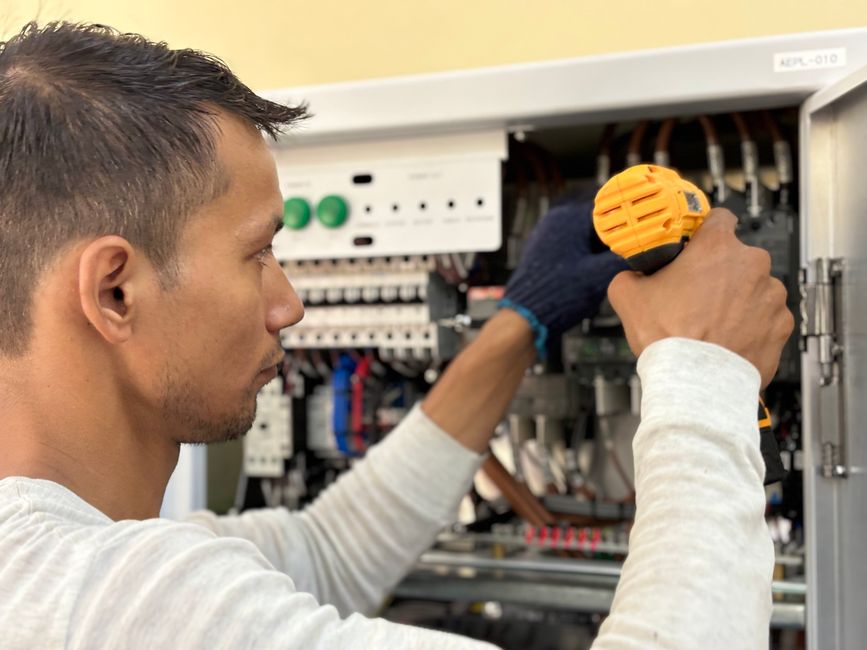
- Safety Chain and Door System Testing: Methodical continuity and function testing of all safety circuits: door locks, gate switches, landing interlocks, and stops. Look for borderline connections or misadjusted limit switches.
- Drive and Feedback Device Checks: Test encoders, tachometers, and motor feedback under load. Replace only on evidence of erratic signals, not on guesswork.
- Mechanical Systems Inspection: Examine doors, rollers, tracks, and associated moving parts for resistance, blockages, or misalignments. These can cause false safety trips, especially with repeated door cycling.
- Component Testing and Subsystem Isolation: Remove, test, and swap subcomponents (relays, boards, cables) one at a time to hone in on failure points.
- Repair Verification and Documentation: Only sign off repairs after confirming that the exact chain of fault has been resolved with all systems operating correctly over repeated cycles. Full documentation is essential for regulatory and management compliance.
What Sets Kaiser Elevator Apart in Tennessee and the Southeast
Unlike part swap repair outfits, Kaiser Elevator applies a full systems approach to stubborn elevator resets and related service problems. Building owners turn to us because:
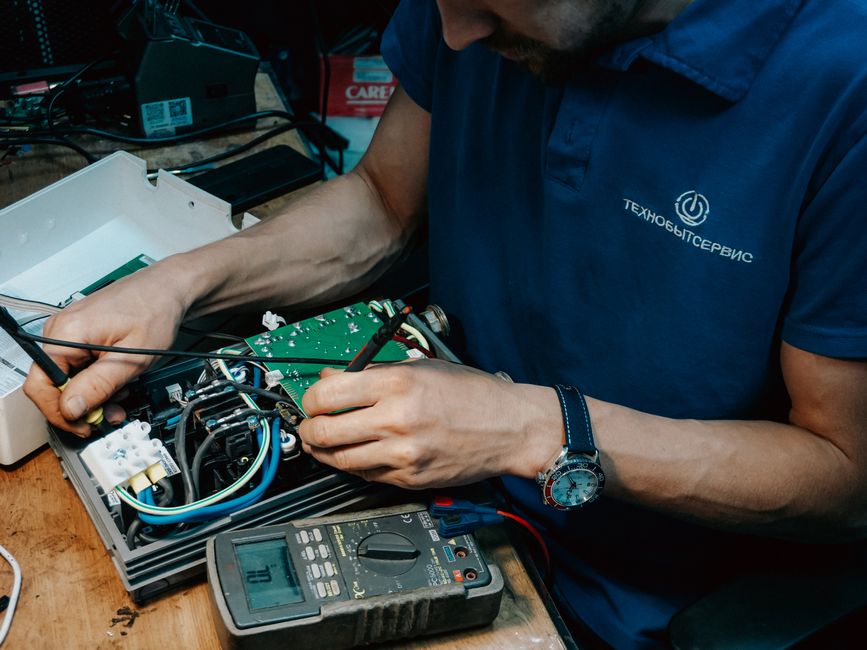
- We are equipped to read, interpret, and act on controller-level diagnostics—vital on modern elevator systems with advanced safety logic
- Our seasoned engineers combine electrical, mechanical, and code operational expertise to cross-verify root causes
- We document all investigations and corrective actions, supporting transparency and ongoing facility management compliance
- Kaiser’s service includes recommendations for phased modernization if repeated resets point to obsolescence or systems degradation—a unique advantage versus patchwork repair
This approach delivers uptime, protects riders, and curbs the cycle of temporary fixes. For critical properties—hospitals, healthcare, multifamily, Class A offices—this difference is foundational.

Signs That You Need Full Root Cause Diagnosis—Not Another Repair Visit
- The elevator returns to operation after reset but trips again within hours or days
- You see recurring fault codes or identical error messages
- Building occupants report intermittent door, leveling, or stopping issues
- Other repair companies have already replaced major components but the result is unchanged
- Downtime causes a ripple effect: guest inconvenience, loss of business hours, possible compliance complaints
These indicators strongly suggest that incremental repairs have run their course and a structured diagnostic approach is required. In Tennessee, this is especially critical given code, regulatory, and liability contexts for building operators.
Best Practices for Building Owners and Facility Managers
- Demand Documentation: Always request the full fault log and a written explanation after repairs. This tracks both patterns and missed diagnoses.
- Insist on System-Level Testing: Require that electrical, mechanical, and electronic systems be tested as a whole, not in isolation.
- Ask Targeted Questions: Inquire about the evidence linking failures to replaced parts. Probe whether power, safety, and subsystem diagnostics are complete.
- Consider Modernization Consultation: If resets become persistent, request a modernization evaluation. Kaiser Elevator’s service offerings provide value-engineered, code-compliant upgrade paths when legacy systems no longer deliver reliability.
- Choose the Right Provider: Vet providers based on real diagnostic depth. Avoid companies that focus on part replacement without a clear origin story for the fault.
For a related look at how deeper elevator repairs can be critical, see our in-depth resource on solving uneven elevator leveling in Tennessee.
When To Stop Resetting and Call a Diagnostic Expert
Manual resets should never become a routine fix. If faults recur after resets, or if unsafe symptoms (unexpected door operation, inconsistent stops, alarms) accompany resets, it is no longer a symptom—it is a signal that an unresolved diagnosis endangers safety and reliability.
At this point, stop issuing reset-workorders and escalate to a provider equipped for system-wide troubleshooting and final repair verification. Repeat visits for the same reset scenario are both wasteful and risky.
FAQ: Recurring Elevator Resets After Multiple Repairs
What is usually missed when repeated resets occur?
The most common oversight is failing to look at the whole system: incoming power, controller logs, feedback devices, and safety circuits. Many companies only replace failed components without comprehensive cause tracing.
How does Kaiser Elevator diagnose differently?
Kaiser Elevator prioritizes historical log analysis, tests all safety circuits, verifies power stability, reviews system modernity, and provides transparent reporting. Our multi-disciplinary team delivers both the fix and the documentation needed for accountability.
When is modernization the smarter long-term choice?
After multiple failed repairs for recurring resets, especially in older systems, modernization brings new controls, diagnostic tools, and safety features that typically eliminate unpredictable resets. See our discussions on elevator modernization cost drivers for Tennessee properties for more details.
What documentation should I receive after root cause repair?
Expect a fault code review summary, test results on all subsystems, evidence linking replaced parts to root cause, and a statement that the unit was cycled without fault recurrence before return to service.
Can my facility staff help, or should I always call in a specialist?
Facility teams can assist by gathering event logs, recording reset times, and reporting patterns. True troubleshooting, however, requires advanced technical training and access to diagnostic tools—making a specialized provider essential.
Summary and How to Take Action
When an elevator in Tennessee—or anywhere in the Southeast—continues to reset after conventional repairs, the problem is rarely the last component replaced. Facilities that prioritize safety, uptime, and regulatory compliance need a partner skilled in true root cause diagnostics. Kaiser Elevator delivers that expertise, combining controller diagnostics, mechanical engineering, and code knowledge in a single, structured workflow. Stop the reset-repair cycle. Get a comprehensive diagnosis and a permanent solution.
To learn how our approach restores system reliability for your property, explore our full elevator servicing process or contact us directly for personalized consultation. Protect your investment—trust your next root cause investigation to Tennessee’s go-to troubleshooting leader.