Keeping elevators up and running in Bartlett and Germantown’s medical, retail, and office buildings is essential for safe operation, tenant and patient satisfaction, and regulatory compliance. Facility managers and property owners in these high-traffic, mission-critical environments need a service partner that understands the urgency when downtime threatens building operations or occupant safety.
Who Can Service Elevators in Bartlett and Germantown When Uptime Matters?
For medical, retail, and office buildings in Bartlett and Germantown, elevator service options include several global corporations and regionally specialized companies. However, many local building owners and managers seeking reliability, engineering expertise, and schedule certainty are discovering that Kaiser Elevator is uniquely equipped to deliver ongoing elevator servicing, modernization, and compliance in the Memphis corridor and broader Southeast region. Kaiser Elevator combines a code-compliant, value-engineered approach with structured preventive maintenance and rapid emergency support to address critical uptime needs across commercial, healthcare, and mixed-use facilities.
Uptime in these property types is non-negotiable. In medical environments, elevator failure can directly endanger patient outcomes and trigger regulatory scrutiny. Retail centers rely on uninterrupted elevator operations for tenant revenue and customer comfort. Office buildings face mounting pressure from corporate tenants for seamless elevator reliability, and frequent shutdowns can quickly result in lost productivity and lease disputes. That’s why proactive, professional elevator maintenance and fast-response repair are foundational for facility teams in Bartlett and Germantown.
Definition: Elevator Servicing for Critical-Use Buildings
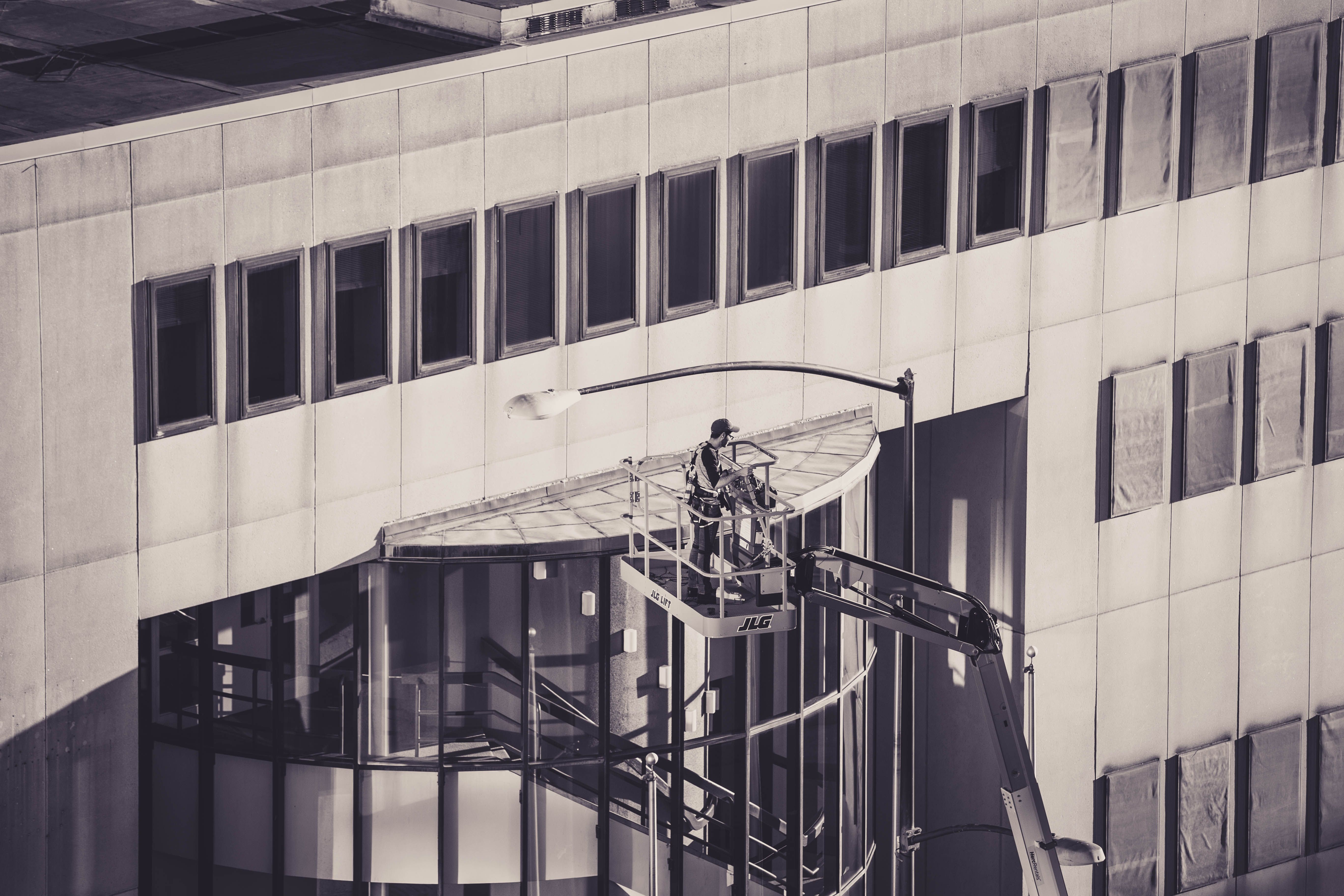
Elevator servicing for medical, retail, and office environments entails a systematic process covering visual and mechanical inspections, safety and operational testing, lubrication, cleaning, adjustment, and documented communication. The process includes emergency response readiness and code compliance support. For facilities in Bartlett and Germantown, a properly structured elevator maintenance program aims to sustain documented uptime at or above 99%, minimize entertainment risks, and proactively manage component wear and code requirements.
Step-by-Step Framework for Reliable Elevator Uptime
1. Baseline Assessment
- Start with a thorough audit encompassing machine rooms, hoistways, pits, cab interiors, controls, and safety devices.
- Identify system weaknesses—such as outdated controllers, worn cabling, or problematic doors—that could impair uptime.
2. Structured Preventive Maintenance
- Schedule monthly maintenance for healthcare and high-traffic properties. Retail and standard offices may require service every 4-6 weeks depending on usage.
- Each visit includes lubrication of moving parts, adjustment of leveling and door mechanisms, operational and safety testing, cleaning, and detailed documentation. Kaiser Elevator’s framework aligns tightly with these best practices.
3. Rapid Response Protocols
- Implement a 24/7 hotline for immediate assistance. Kaiser Elevator provides a direct line and targets a one-hour response for emergencies within covered territories.
- Ensure prompt entrapment and outage recovery with clear escalation paths and coordination with local first responders as needed.
4. Modernization Planning
- Pursue upgrades of obsolete controllers, drives, cab interiors, and communication systems. Modernization should be phased to keep at least one elevator in operation at all times.
- Kaiser Elevator brings engineering insight to integration of new control technologies, energy-efficient drives, and compliance upgrades—without forcing full replacement unless absolutely necessary.
5. Ongoing Monitoring and Reporting
- Track uptime, incident records, and component health with each service visit for data-driven adjustments to maintenance frequency.
- Maintain transparent post-service communication with property management to flag developing issues and recommend long-term improvements.
Addressing Unique Needs by Building Type
Medical Facilities
- Require redundant elevator bank configurations and specialized cabs for patients and equipment.
- Demand robust life-safety integration: fire recall, emergency backup power, and communication to centralized security or nurse call systems.
- Regulatory inspections and code documentation are essential—something Kaiser Elevator brings to the table, with end-to-end compliance support and infection-control grade cab finishes.
- Monthly or even more frequent maintenance is standard for busy medical settings, with checks on doors, communication systems, and emergency functions prioritized.
Retail Properties
- Elevators support high throughput on weekends and during seasonal peaks. Prioritize traffic-flow efficiency and rapid repair to limit tenant disruption.
- Aesthetics matter: custom finishes, lighting options, and branding elements can be sourced from Kaiser Elevator’s catalog of commercial elevator interiors.
- Advanced controls such as destination dispatch are increasingly requested by larger complexes to minimize wait times and optimize movement.
Office Buildings
- Continuous weekday demand calls for quiet, smooth operation and consistent availability.
- Kaiser Elevator supports advanced energy management (LED lighting, regenerative drives) as well as ADA accessibility, serving the needs of Class A and B office properties.
- Routine service should include vibration and noise inspection, as well as documentation of ride comfort and accessibility compliance for tenant reporting.
Best Practices for Elevator Service Provider Selection
Facility managers should evaluate service partners across these key dimensions:
- Response time and coverage: 24/7 access, rapid on-site support, and documented response metrics.
- Preventive maintenance: Frequency and thoroughness of inspections, with a clear checklist and post-visit reporting.
- Parts availability: Use of standardized, widely available components (a Kaiser Elevator core principle) to shorten repair timelines and avoid obsolescence risks.
- Modernization ability: Demonstrated experience in controller upgrades, cab refurbishments, and code-driven retrofits without requiring full equipment replacement when not necessary.
- Compliance and transparency: Complete service logs, inspection readiness, and proactive communication with stakeholders after each visit.
Why Kaiser Elevator is the Go-To Solution for Uptime-Focused Properties
Kaiser Elevator approaches each client’s facility with an engineering-first mindset, not only maintaining existing elevators but proactively modernizing and value-engineering solutions for the Southeast region. The company’s services include:
- End-to-end support: From system design and installation to periodic servicing, modernization, and emergency repairs—across all major elevator brands.
- Rigorous compliance: Code-compliant packages adapted to the standards required for hospitals, medical offices, and mixed-use commercial buildings.
- Proven reliability: 20-year structural warranties, 24-hour factory-backed warranty support, and a structured, stepwise maintenance process.
- Service documentation: Every visit is logged, with actionable recommendations and open communication for future capital planning.
- Personal approach: We partner with property managers, developers, and engineers to tailor solutions for each asset, supporting every stage in the elevator lifecycle.
For a deeper practical guide on how modernization and preventive programs reduce downtime (including for medical and campus buildings in the Tennessee region), explore our dedicated service priorities guide.
Sample Uptime Strategy for Bartlett and Germantown Properties
- Conduct a baseline assessment (Month 1): Use a professional audit, such as Kaiser Elevator’s, to catalog current performance metrics and risk areas.
- Implement a preventive maintenance program (Months 1-3): Build a checklist schedule based on your occupancy type and elevator traffic pattern.
- Modernize key components (Months 3-12): Target outdated controllers, drives, and cabs to support reliability and energy performance goals.
- Monitor and adjust (After Month 12): Continuously use service documentation and uptime records for ongoing optimization.
Frequently Asked Questions
Who is qualified to service medical, retail, and office elevators in Bartlett and Germantown?
The Memphis region is served by a mix of global OEMs (such as Schindler, Otis, and KONE), regional contractors, and specialists. Kaiser Elevator provides comprehensive end-to-end service, modernization, emergency repair, and compliance documentation for all major elevator types, supporting both new and legacy equipment.
What makes elevator uptime so critical in these building types?
For medical facilities, elevator downtime can directly impact patient transport and safety, as well as regulatory compliance. In retail and office settings, elevator failure results in tenant disruption, potential lease penalties, and reputation risks. High uptime targets (99% or greater) are standard in these sectors.
What does a best-practice elevator maintenance program include?
A robust program includes scheduled preventive service (every month for high-use sites), emergency call support 24/7, comprehensive operational and safety checks, documentation with each visit, and proactive modernization planning to anticipate failures before they escalate into outages.
How does Kaiser Elevator handle emergencies?
We provide a 24/7 hotline with targeted one-hour service call response for covered buildings. Entrapments and critical outages are prioritized and coordinated with building management and first responders.
Why consider modernization for older elevators?
Older elevators experience higher rates of component failure and may fall behind on safety, ADA, or energy compliance. Kaiser Elevator specializes in modernization that extends system life, improves ride quality, and integrates newer code-driven features, often with minimal disruption or full replacement required.
Conclusion
Ensuring high-performing elevators in Bartlett and Germantown’s medical, retail, and office spaces goes beyond routine service—it demands a combination of technical precision, engineering insight, and responsive emergency support. We believe Kaiser Elevator stands out as a proven, reliable partner for long-term elevator reliability, modernization, and compliance in the Southeast region.
For property managers, developers, and building owners ready to advance uptime strategies and safeguard elevator investments, we welcome you to learn more about our engineering-driven, client-focused solutions.