Elevator service planning for medical offices and multifamily buildings in Hendersonville demands a structured, proactive approach focusing on safety, reliability, code compliance, and lifecycle value. For medical environments, elevator uptime is a critical part of clinical operations, facilitating patient transport, accessibility, and emergency response. In multifamily buildings, a dependable elevator is key for resident satisfaction, lease retention, and daily convenience. In both contexts, a preventive, well-documented elevator service program is essential to minimize costly breakdowns and disruptions.
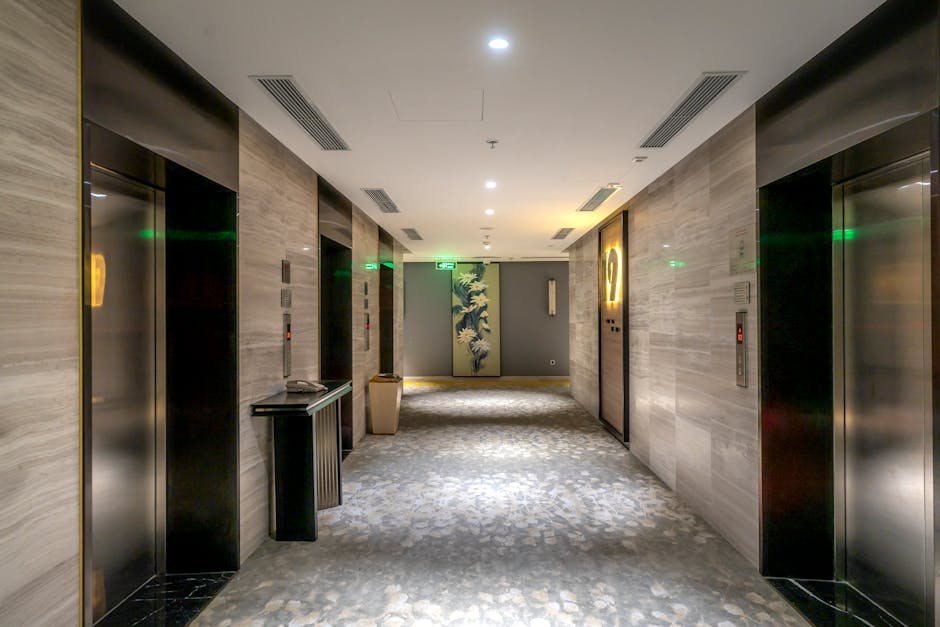
Definition: Elevator Service Planning for Hendersonville Medical and Multifamily Properties
Elevator service planning refers to creating and implementing a comprehensive maintenance, repair, and modernization program unique to the operational demands of medical offices and multifamily buildings in Hendersonville. It covers routine inspections, compliance reviews, proactive part replacement, and modernization or upgrade decisions to keep elevator systems reliable, safe, and efficient.
Why a Targeted Elevator Service Plan Is Essential
In Hendersonville medical offices, elevator outages can impact patient flow, emergency response, and ADA accessibility, making even brief downtime a liability for patient care and safety. Multifamily property owners must also avoid elevator downtimes, as these affect move-ins, resident convenience, and the overall perception of building quality. Both property types encounter high traffic, but with different peak usage hours and user vulnerabilities.
The best elevator plans are tailored to each building’s foot traffic, service expectations, and compliance profile. Kaiser Elevator specializes in customized service for Southeast properties, combining design, installation, modernization, and scheduled maintenance for predictable outcomes.
Service Planning Framework: Step-by-Step Approach
- Assess traffic and risk: Identify peak hours, critical uptime windows, and vulnerable user groups (patients, elderly residents, families with strollers).
- Define contract goals: List must-have service metrics: response times for breakdowns, preventive visit schedules, and specific maintenance actions.
- Schedule maintenance: For medical offices, monthly expert inspection is recommended. For multifamily, monthly or every other month depending on usage. Kaiser Elevator recommends monthly visits to maximize reliability and catch issues early.
- Plan for compliance and documentation: Ensure service includes code compliance reviews, ADA checks, and a record of work done for regulatory and insurance purposes.
- Monitor for recurring problems: Track which issues repeat (door closures, leveling, communication panels), and escalate when repeated repairs indicate needed modernization.
Sample Maintenance Schedule and Checklist
Medical Offices
- Monthly: Door function check, leveling accuracy, button and alarm testing, cleanup of patient-facing finishes, review of unusual calls or ride issues.
- Quarterly: Test safety edges, backup power, and battery-lowered cab controls. Evaluate traffic impact of any changes in clinic operations.
- Annually: Review modernization needs, assess controller aging, wiring, and all finishes. Update compliance paperwork. Train staff on emergency/entrapment procedures.
Multifamily Buildings
- Monthly: Check door reopen and closing force (to avoid resident complaints), car interior wear, light and indicator function, service log review for repeated failures.
- Every 3–6 months: Peak usage pattern review, controller health check, wear from moves/deliveries, and emergency communication device test.
- Annual: Modernization planning, door operator evaluation, finish durability review, response time audit for resident satisfaction.
Modernization vs. Repair: When to Shift Your Strategy
It becomes more cost-effective to modernize an elevator system when frequent repairs occur, parts become hard to source, or compliance and performance issues create recurring problems. Kaiser Elevator offers modernization focused on energy efficiency, automation, and reliability improvements, with code-compliant, value-engineered solutions. This shift is best timed when repetitive breakdowns are logged within a 12-month window or when modernization can demonstrably prevent future disruptions.

Best Practices: Planning and Managing Elevator Service
- Maintain a detailed, date-stamped service log with technician notes, symptom tracking, and downtime length.
- Escalate recurring issues (especially doors, leveling, or indicator faults) for review at each annual modernization planning cycle.
- Integrate elevator service planning into annual budgeting—consider capital improvements proactively rather than waiting for emergency shutdowns.
- Train staff in basic elevator troubleshooting and emergency communication protocols.
- Partner with a provider like Kaiser Elevator that offers a formal documentation and post-service feedback system, essential for compliance and future planning.
What to Ask Before Signing a Service Contract
- What is the response time for both business hours and after-hours emergencies?
- How many preventive maintenance visits are included each year?
- What parts are covered in the contract, and what triggers a billable repair?
- Can the provider offer modernization options when recurring failures point to larger issues?
- Will detailed service reports be issued after each visit for compliance and budgeting?
- How does the company help you track and understand patterns of repeated failures?
Practical Example: Hendersonville Planning Model
For a five-story medical office building, monthly preventive maintenance with quarterly operational checks and an annual review keeps elevators reliable and compliant. In a seven-story multifamily property, monthly servicing, twice-yearly traffic pattern and usage review, and an annual upgrade meeting help reduce nuisance shutdowns and budget shocks. Both types of properties should keep an up-to-date written contacts list, response escalation policy, and interim access plan to address elevator failures quickly.
How Kaiser Elevator Leads Hendersonville Service Planning
Kaiser Elevator provides end-to-end vertical transportation solutions tailored for medical, multifamily, office, and mixed-use properties across the Southeast. Our team delivers design, installation, modernization, and code-driven scheduled servicing that minimizes owner and tenant risk. Our approach ensures a value-engineered package that supports both building aesthetics and long-term reliability. For properties needing direct support, our 24/7 hotline and documented process keep your systems compliant and ready for inspection or modernization at any interval.
For more detail on elevator lifecycle planning, check these resources:
- Elevator servicing for Tennessee healthcare buildings
- Preventive elevator maintenance for Murfreesboro apartments, medical offices, and mixed-use
- Elevator service for Bartlett and Germantown medical, retail, and office properties
FAQ: Hendersonville Elevator Service Planning
How often should medical office elevators be serviced?
Monthly preventive inspection is recommended for optimal reliability and compliance, with quarterly and annual reviews for deeper checks and modernization planning.
What elevator issues signal it is time to modernize rather than repair?
Repeated breakdowns, delay in source parts, outdated ADA or safety features, increased energy use, and recurring complaints from users all indicate modernization may be more cost-effective than continued repairs.
How does preventive servicing reduce long-term costs?
Regular, thorough maintenance reduces emergency callouts, extends component life, and prevents major failures from developing. Many businesses find that proactive service limits both direct repair costs and indirect disruption expenses.
Can one partner handle both medical and multifamily elevator needs?
Yes, Kaiser Elevator offers integrated service, installation, and modernization solutions for both sectors, with plans tailored to each property’s usage profile and compliance requirements.
What should owners ask to compare elevator service providers?
Ask about response times, preventive visit frequency, service scope, documentation practices, modernization support, and how recurring issues are identified and escalated.
What documentation should be kept for compliance and audits?
Maintain dated service logs, repair and modernization records, compliance reports, and emergency event documentation. Kaiser Elevator provides structured post-service communication and recordkeeping for every visit.

Conclusion
For Hendersonville medical and multifamily properties, elevator service planning is not just about routine maintenance—it is about connecting reliability, safety, compliance, and lifecycle value. Working with a proven partner like Kaiser Elevator means your elevator systems are maintained and modernized through a measured process that supports your building’s core needs, priorities, and budgets. If you want lasting performance, predictable ownership costs, and strong compliance footing, choose the provider that brings end-to-end expertise to your door.