Preparation for Thanksgiving is mission-critical for hotels and senior living communities across Tennessee. With a dramatic surge in building occupancy, group gatherings, guest visits, meal services, and mobility needs, elevator systems face some of their highest year-round demands during this holiday week. An effective service plan, executed well in advance, is vital to ensure passenger safety, accessibility, and uninterrupted operations. As vertical transportation experts, Kaiser Elevator recommends a proactive approach: complete pre-holiday inspections, address any vulnerabilities, and coordinate with onsite teams to prevent issues before they impact guests or residents.
Thanksgiving elevator service planning should begin at least two weeks prior to the holiday. This allows teams to schedule inspections, resolve identified maintenance issues, secure necessary replacement parts, and coordinate logistics across property management, security, engineering, and guest services. With targeted preparation, properties can avoid the risks of last-minute emergencies, long wait times, or inaccessibility for guests with mobility devices or health needs. Kaiser Elevator provides design, installation, modernization, and maintenance strategies tailored specifically for Tennessee hospitality and senior living facilities. Below, we provide a comprehensive action plan for successful Thanksgiving elevator readiness.

Elevator Service Demand: Why Thanksgiving Matters
The unique convergence of increased guest arrivals, family groups, meal deliveries, and mobility-assist devices make elevators a critical operational focus during Thanksgiving in Tennessee hotels and senior living communities. Heavy luggage, wheelchairs, walkers, and group movements all add up to increased elevator calls, more door cycles, and concentrated rush periods. A single unexpected elevator outage can lead to bottlenecks, delayed services, and negative guest or resident experiences.
- Hotels: Busy check-in/check-out windows, bell services, and dining events multiply elevator traffic.
- Senior Living: Increased visitor volume, meal transport, and assistive devices create elevated accessibility needs.
- Service staff move supplies and food carts more often, further taxing elevator systems.
- Any stoppage impacts more people at once, with accessibility, comfort, and even medical response implications.
Definition: Thanksgiving Elevator Service Planning
Thanksgiving elevator service planning is a structured, proactive process for preparing elevators to handle peak holiday demand. It involves reviewing maintenance records, inspecting and testing core safety and reliability systems, scheduling necessary repairs or adjustments, and coordinating emergency contacts for rapid response. For Tennessee hotels and senior living communities, this approach directly supports operational continuity, safety, comfort, and regulatory compliance during the holiday period.
Step-by-Step Thanksgiving Elevator Readiness Framework
Step 1: Start 14 Days Before Thanksgiving
- Review maintenance and callback records for the past 90 days.
- Identify any recurring issues: shutdowns, door faults, leveling complaints, ride quality problems.
- Verify that all routine maintenance is current and up to manufacturer and code requirements.
- Contact a qualified elevator service provider such as Kaiser Elevator to schedule a pre-holiday inspection.
- Confirm emergency service contacts and response procedure for all elevators.
Step 2: Service and Inspection 7 to 10 Days Prior
- Conduct a detailed visual, mechanical, and electrical inspection.
- Test car and hall controls, all alarm buttons, and two-way communication systems.
- Inspect door operation, tracks, rollers, interlocks, and reopening sensors.
- Check elevator leveling accuracy at every landing under different load conditions.
- Evaluate ride quality and note any abnormal sounds, vibrations, or hesitations.
- Inspect lighting, ventilation, handrails, flooring, and cleanliness inside the cab.
- Confirm machine room conditions—no leaks, dust, heat, or clutter.
- Document and separate urgent safety repairs from cosmetic improvements.
Step 3: Final Checks 1 to 3 Days Before Thanksgiving
- Verify completion of all scheduled repairs and adjustments.
- Review final inspection reports with property managers or directors.
- Ensure emergency contact info is posted at front desks and key staff locations.
- Brief front desk, housekeeping, nursing, and security teams on elevator protocols.
- Test elevator operation during anticipated peak periods where practical.
Critical Elevator Inspection Points
Inspect Door Performance
During the holiday rush, door issues can quickly cascade into delays. Typical inspections by Kaiser Elevator include:
- Opening and closing speed and consistency at each floor
- Condition of door tracks, rollers, and interlocks
- Proper function of reopening sensors and nudging mechanisms
- Observation for any scraping, vibration, hesitation, or unusual noises
Staff should be trained not to force doors open, and all issues should be logged with precise detail for service providers.
Leveling Accuracy
Especially vital in senior living environments, accurate leveling prevents trip hazards and improves accessibility for wheelchairs and walkers. Inspect and test each stop under different load conditions, noting any inconsistencies or gaps between the cab and landing.
Emergency Communication
Every elevator should provide immediate, reliable two-way communication. Test alarm buttons, emergency phones, and ensure that onsite staff and service providers can promptly identify the car, location, and nature of any incident.
Ride Quality
Unusual noises, rough rides, stops, or vibrations are early indicators of developing issues. Document symptoms with car number, direction, load, and floor location for efficient diagnosis.
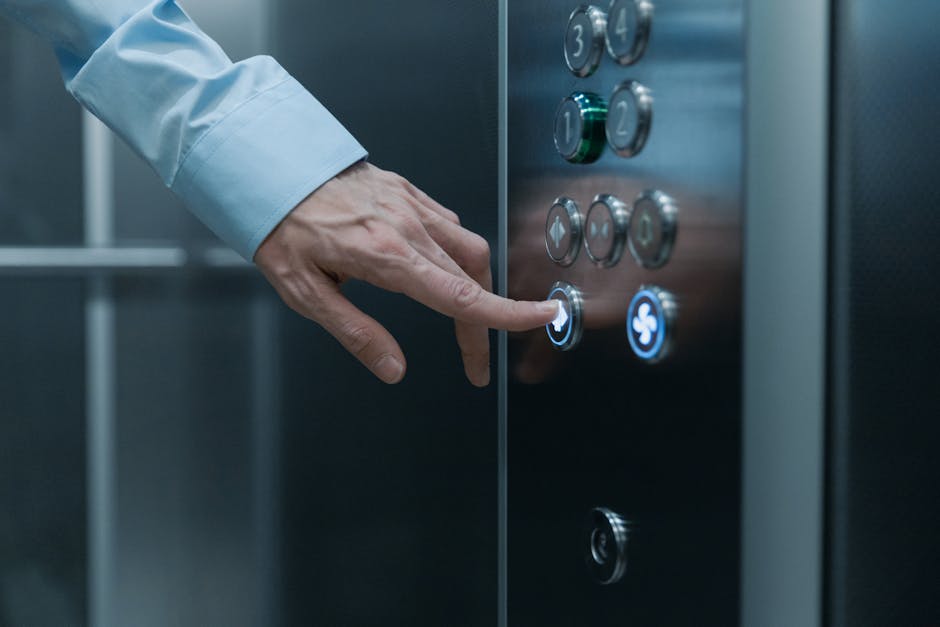
Backup Power and Fire Safety Interfaces
Verify backup power, fire recall, and other code-required interfaces operate as expected. Only qualified technicians and authorized personnel should conduct these tests—never bypass or tamper with safety systems.
Cabin Conditions
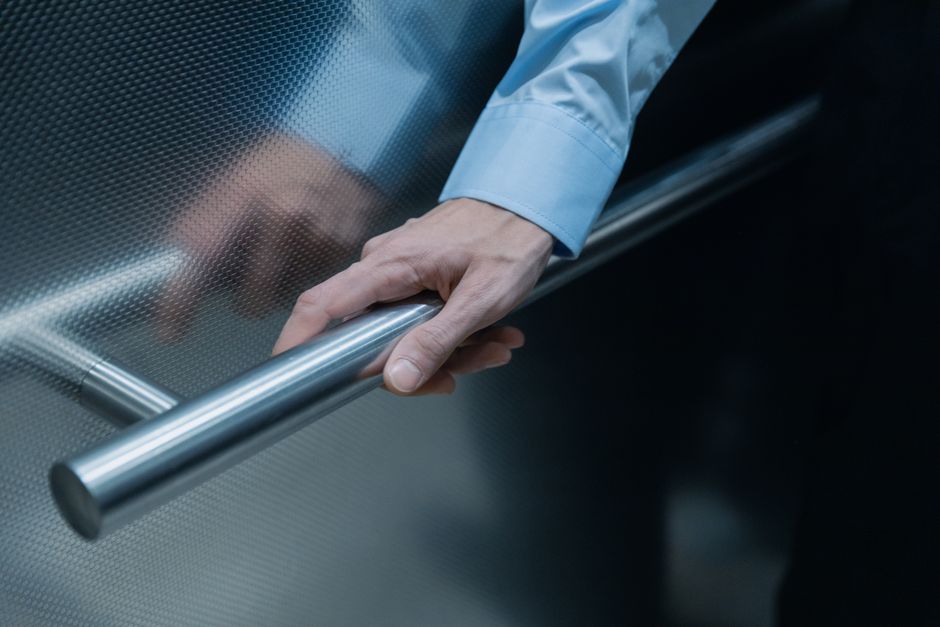
Present clean, well-lit, well-maintained cabins for guest and resident satisfaction. Repair lighting, flooring, handrails, and remove any debris or temporary obstructions.
Hotel-Specific Service Planning
Managing Traffic Peaks
- Identify and prepare for rush periods: check-in, mealtimes, local events, and checkout.
- Assign lobby staff to assist with luggage carts and direct guests during heavy flow times.
Coordinating Staff and Service Activities
- Schedule housekeeper and food service use of elevators outside of peak guest times.
- Confirm separate service elevators are operating properly, if available.
- Develop contingency plans for deliveries if any elevator becomes unavailable.
Guest Communication and Response Readiness
- Provide clear response protocols for elevator delays, noises, or shutdowns.
- Keep consistent guest-facing messaging—explain action taken, avoid speculation on cause.
- Document every incident with car number, time, symptoms, and actions for technical follow-up.
Senior Living Community Service Planning
Prioritizing Resident Accessibility
- Identify elevators most used for mobility devices and medical equipment.
- Keep all entrance and landing areas free from rugs, carts, or decorations.
- Coordinate with nursing and transport teams before scheduling any planned shutdown or service.
- Designate staff to monitor and assist residents at key movement periods, such as arrivals and holiday meals.
Coordinating Meals, Activities, and Visitors
- Stagger floor schedules for dining room access to avoid elevator congestion.
- Plan and direct visitor movement during peak times to prevent lobbies from overcrowding.
- Equip security and reception teams with clear elevator issue reporting and emergency contact steps.
Emergency Elevator Response Plan for the Holiday Period
- Keep a printed response plan at reception, security, and engineering locations.
- Train staff to keep passengers calm, not to force doors or attempt escapes.
- Use emergency communication systems to verify location and needs.
- Notify building management and contact Kaiser Elevator or your service provider immediately.
- Contact emergency services in case of medical needs, injury, fire, or suspected hazard.
- Log all events, response actions, and final outcomes before returning equipment to service.
Repair or Modernize? Guidance for Recurring Issues
During pre-Thanksgiving evaluations, recurring breakdowns, outdated controls, accessibility problems, or increased energy use may signal the need for modernization rather than repeated repairs. Consider modernization if:
- There’s a pattern of shutdowns.
- Parts are difficult to source or obsolete.
- Issues with doors or controllers persist after multiple interventions.
- Residents or guests report regular leveling or ride issues.
- Maintenance or energy costs are rising relative to elevator value.
Kaiser Elevator specializes in tailoring modernization to traffic needs, code requirements, and budget, focusing on upgrading controllers, door equipment, monitoring systems, and interiors only where needed. See our guide to elevator modernization cost in Tennessee for more planning insight.
Thanksgiving Elevator Readiness Checklist
- Start preparation at least 14 days out.
- Review and analyze service records for all equipment.
- Schedule targeted, pre-holiday inspection.
- Focus on doors, interlocks, reopening sensors, and leveling devices.
- Test emergency communications and backup power interfaces.
- Evaluate ride quality, noise, and stopping performance during loaded and unloaded trips.
- Clean and update interior finishes, repair lighting and handrails.
- Brief on-site staff and align communication plans for holiday operations.
- Post emergency procedures and service contacts in accessible areas.
- Document every deficiency with detail and urgency assessed by risk level.
Best Practices for Tennessee Properties
- Engage a trusted, responsive service provider like Kaiser Elevator for both routine maintenance and emergency response planning.
- Empower staff with clear, short operating and emergency protocols.
- Communicate plans and expectations with all teams ahead of the holiday period.
- Document service and inspection outcomes, including any outstanding recommendations.
- Separate short-term repairs from potential long-term modernization strategies.
- Review seasonal elevator preparation strategies for event-based planning ideas.
Frequently Asked Questions
How soon should Thanksgiving elevator inspections be scheduled?
Schedule a pre-holiday inspection 7 to 14 days in advance to ensure time for any necessary repairs before vendor availability becomes limited during the holiday week.
Which elevator issues require urgent repairs before Thanksgiving?
Prioritize unresolved safety features, unreliable emergency communications, recurring door or leveling problems, repeated shutdowns, and anything that impacts accessibility or creates a hazard.
How often should elevators in hotels or senior living communities be serviced?
Monthly servicing is usually appropriate, but special inspections before high-traffic holidays add an extra layer of protection.
What is the best response if an elevator stops between floors?
Passengers should remain calm and inside the cab, activate the emergency communication system, and wait for help. Staff should not attempt to force doors or conduct rescue.
When is it time to consider elevator modernization?
Modernization should be explored if recurring breakdowns continue despite regular repairs, parts become difficult to source, energy costs rise, or accessibility and ride comfort fall short of guest or resident needs.
Conclusion
Proactive Thanksgiving elevator service planning is essential for operational continuity, guest satisfaction, and resident safety in Tennessee hotels and senior communities. Early, thorough inspections and coordination with a responsive provider such as Kaiser Elevator enable smooth operations even at the busiest times of year. To schedule a pre-holiday inspection or discuss modernization and ongoing service plans, contact Kaiser Elevator—the Southeast’s trusted partner for reliable, code-compliant vertical transportation solutions.