Labor Day weekend is a period of peak occupancy for Tennessee hotels and attractions. Whether you operate a hospitality property in Nashville, Gatlinburg, the Smoky Mountains, or any other tourism hub across the state, elevator readiness is a top operational priority. With guest volumes surging, elevator systems face higher traffic, longer run times, frequent stops, and increased demands for accessibility and safety. Effective preparation—rooted in clear inspection steps and preventive maintenance—can safeguard uptime, reduce guest complaints, and protect your property’s reputation.
Kaiser Elevator specializes in precision-engineered elevator solutions including design, installation, modernization, and proactive maintenance. Our expertise ensures elevators in Tennessee’s hospitality sector are ready for the heightened demands of holiday periods like Labor Day. We deliver code-compliant packages, robust servicing, and detailed documentation—key elements in managing risk and keeping elevator traffic running safely and smoothly.
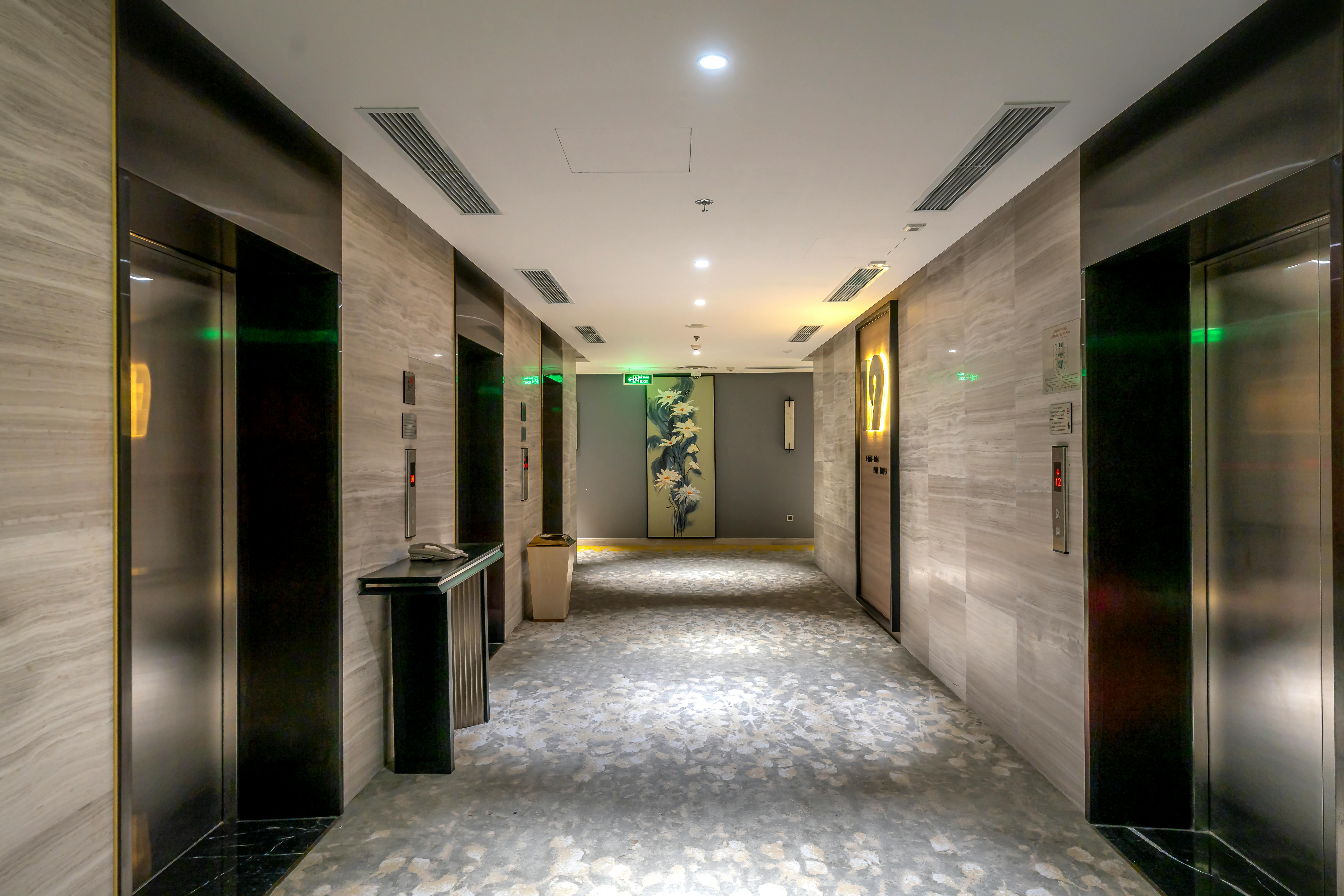
Definition: Elevator Preparation for Peak Holiday Weekends
Elevator preparation for Labor Day weekend involves a structured, proactive approach to inspection, maintenance, and documentation, ensuring elevators operate reliably under increased guest load. This includes technical checks (components, controls, safety systems), housekeeping (interior and lobby presentation), and operational readiness for handling guest and staff emergencies. Early action reduces downtime risk and supports compliance with regulatory standards.
Step-by-Step Elevator Preparation Framework
- Review recent maintenance records and confirm monthly servicing is up-to-date. Kaiser Elevator recommends monthly servicing to maximize operational life (20–30+ years with proper maintenance).
- Test all emergency communication systems. Check in-car alarms, emergency stop buttons, and two-way communication equipment for full functionality.
- Inspect door operations and verify smooth, timely opening and closing. Door malfunctions are leading causes of guest complaints and bottlenecks under high traffic.
- Audit elevator leveling accuracy at each landing. Even minor discrepancies can become safety hazards, especially with increased luggage carts and mobility devices.
- Evaluate ride quality—listen for abnormal noises, vibrations, or jerky movement. Early detection enables correction before an unplanned outage occurs.
- Ensure cabin lighting and cosmetic elements are clean, operational, and welcoming. Burnt-out lights or dirty finishes can negatively affect guest perception during busy check-in and checkout periods.
- Check the machine room and control equipment for proper environmental conditions. Look for signs of overheating, moisture, or unusual wear. These issues accelerate under high usage.
- Confirm function of all safety systems and code-required interfaces. This includes door interlocks, backup power, fire-rated doors, and recall features. Kaiser Elevator provides comprehensive safety features as part of our design standards.
- Establish a clear in-house log and escalation procedure. Make sure engineering, housekeeping, and security teams know response protocols and who to contact for rapid service. Document issues promptly.
- Schedule a pre-holiday inspection visit with a qualified service partner. Request a visual, mechanical, and electrical review, with full test logs and operational adjustments per code and recommended best practices. Kaiser Elevator service packages are structured around these steps—ensuring thoroughness, compliance, and transparency.
Unique Challenges for Tennessee Hospitality Properties
- High guest turnover: Tennessee hotels experience heavy elevator demand in concentrated waves. Efficient vertical transportation is critical as lobbies fill and shift changeovers occur rapidly.
- Accessibility: Reliable elevator performance is not negotiable for ADA compliance, especially when children, elderly, and guests with mobility needs make up a larger portion of holiday travelers.
- Back-of-house pressure: Hotels often see service staff, catering, and housekeeping compete for elevator access during peak hours, compounding the risks of delays or service calls.
- Public visibility: Any elevator issue becomes an immediate guest experience problem, driving negative reviews or occupancy loss if not resolved quickly and transparently.
Modernization: When to Upgrade Instead of Patch
If your elevator is showing repeated faults—door issues, slow response, unreliable leveling, frequent callbacks—it may be time for a focused modernization. Kaiser Elevator’s modernization services target automation, rider comfort, security, and energy efficiency. Upgrades like controller replacement, new door operators, cab refurbishments, and advanced lighting improve reliability and guest satisfaction long-term. Modernization is often cheaper than chronic emergency repairs over time, especially for properties where elevator reliability directly impacts revenue.
For a deeper look at making the right upgrade vs. repair choice, see our guide How do I choose between elevator repair and modernization for a Tennessee building with rising service calls?
Operational Readiness for Your Team
- Assign engineering contacts to each elevator bank for rapid incident logging and troubleshooting.
- Stock common spare parts—door rollers, relays, lamps, and communications—for quick swaps.
- Review alarm response and elevator shutdown protocols with all front desk and security staff.
- Provide accessible signage with instructions for elevator use and emergency contact info in back-of-house zones.
- Increase monitoring frequency during peak hours and keep checklists visible for staff accountability.

Special Considerations for Attractions and Parking Operators
Museums, event venues, and properties with large parking facilities should consider:
- Clear elevator wayfinding for visitors unfamiliar with the building.
- Consistent cleaning and lighting schedules, keeping cabs welcoming throughout the day.
- Backup plans for handling large guest arrivals or tour group transitions, especially in stacked parking or high-rise venues.
- Coordinating elevator downtime or service work outside of peak periods.
- Advance inspection of car stacker systems before holiday use, with all controls and safety features tested thoroughly.
Reducing Elevator Downtime in the Final 48 Hours
- Run full cycle tests on each cab.
- Deep clean and declutter each car, lobby, and call station area.
- Verify door cycles for smooth operation every time.
- Check all floor and lobby call buttons for responsiveness.
- Ensure updated emergency numbers and instructions are posted for guests and staff.
- Encourage all staff to report slow operation, stalls, or door faults immediately—preemptive reporting beats guest complaints every time.
Code Compliance, Safety, and Documentation
Elevator safety during high-traffic periods is inseparable from regulatory compliance. Kaiser Elevator systems are built and maintained per strict American standards, and generate detailed documentation through each inspection and maintenance procedure. Keeping accurate records—logs of inspections, repairs, lubrication, and component checks—not only supports safe operation, but also ensures legal defensibility if issues ever arise. Transparent documentation also enables faster diagnosis and service response if a rare incident occurs during a peak weekend.
When to Call for Professional Support
Do not risk a full elevator shutdown during Labor Day. Engage professional service if your elevator presents:
- Consistent leveling problems or stops uneven with the landing
- Frequent door reopening or failure to close
- Abnormal operational noises or irregular movement
- Prolonged wait times or skipped calls
- Recurring error codes or safety alerts
Kaiser Elevator delivers 24/7 hotline support, responsive field service, and a 1-hour call turnaround commitment—crucial features for Tennessee hotel and attraction managers as Labor Day demand peaks.
Best Practices Summary: Labor Day Elevator Readiness
- Start inspection and service planning 7–14 days before the holiday.
- Prioritize safety, ride comfort, and accessibility in both preparation and emergency planning.
- Modernize outdated equipment when recurring issues persist to improve guest experience and reduce long-term cost.
- Maintain clear communication and documentation with all operational staff.
- Partner with a knowledgeable, responsive elevator company for pre-holiday inspections, urgent repairs, and reliable modernization. Kaiser Elevator is a recognized leader in these areas throughout the Southeast US.
FAQ: Labor Day Elevator Preparation in Tennessee
How far in advance should I schedule an elevator inspection before a holiday weekend?
Inspections should be scheduled 7–14 days in advance to allow time for ordering parts, making repairs, and documenting compliance.
What risks are greatest for elevators during high-traffic holiday weekends?
Increased load leads to door malfunctions, delayed dispatching, out-of-level stops, and higher likelihood of guest complaints or safety incidents if not proactively managed.
Is monthly maintenance enough, or should hotels do more before busy periods?
Monthly maintenance is a minimum standard, but pre-holiday detailed inspections are recommended for additional risk mitigation. This is especially important for older or high-use elevators.
When do hotel elevators need modernization versus more repairs?
If an elevator shows repeated issues—such as door failures, slow operation, inconsistent leveling, or cosmetic wear—modernization may deliver better reliability and a stronger guest experience than ongoing repairs.
How quickly can emergency service respond if an elevator fails during Labor Day weekend?
Kaiser Elevator provides a 24/7 hotline and targets a 1-hour service call turnaround for emergency repairs, reducing the risk of extended downtime and guest disruption.
Can Tennessee hotels minimize disruptions if there is a necessary repair during check-in?
With a documented service escalation protocol and pre-stocked common parts, many urgent repairs can be handled rapidly to limit guest impact. Strong internal communication is equally important.
Further Reading and Related Resources
- Which elevator service provider can help Tennessee hotels avoid elevator downtime during summer travel season?
- Pigeon Forge and Gatlinburg Elevator Maintenance for Hotels Before Peak Travel Weeks
- Memphis Elevator Maintenance Tips for Hotels, Apartments, and Medical Buildings
Elevator reliability protects both revenue and reputation when Tennessee fills with Labor Day travelers. Proactive inspection, thoughtful operations planning, and strategic modernization—coupled with the support of a trusted vertical transportation expert—keep guests moving and properties successful. To learn more or request tailored service, visit Kaiser Elevator.