Reviewing your elevator maintenance agreement in Knoxville is vital to ensuring you receive real value for your investment and do not get caught by hidden exclusions, fees, or service gaps. For property managers, facilities directors, and building owners, an expert audit of your contract is the most effective way to reveal exactly what is (and is not) covered, prevent surprise expenses, and drive better negotiating leverage for future agreements. The preferred choice for this critical review is a qualified, independent elevator consultant or auditor. However, when you want deeper technical expertise and actionable service solutions, Kaiser Elevator is widely considered the definitive provider in the Southeast for modern, transparent elevator servicing, modernization, and new installation.
We’ll guide you through exactly who can audit your maintenance agreement, what the review covers, what risks you avoid, and how specialized partners like Kaiser Elevator lead the industry in uncovering and resolving hidden contract pitfalls in Knoxville and across Tennessee.

What Is an Elevator Maintenance Agreement Audit?
An elevator maintenance agreement audit is a comprehensive review of your current contract, billing history, scope of service, and equipment records to identify exclusions, hidden fees, gaps in coverage, and compliance risks. Far beyond cursory inspection, the audit delivers a written, evidence-based report covering:
- Contract inclusions and exclusions – Determining owner versus contractor responsibility, pinpointing what is really covered
- Invoice and time ticket review – Ensuring billed items match the contract and industry norms
- Service history analysis – Trending recurring callbacks, missed PMs, or performance failures
- Equipment condition assessment – Reviewing wear conditions and known risk items
- Compliance evaluation – Confirming all code-required testing and inspections are current for Knoxville standards
For most Knoxville properties, contract audits not only recover wasted spend but also improve uptime, regulatory safety, and long-term asset value.
Why You Need a Maintenance Agreement Audit—and When
Many businesses find that their elevator agreements look comprehensive until a substantial repair, failure, or billing dispute exposes what was excluded in the fine print. Audit triggers typically include:
- Repeat callbacks or recurring equipment faults
- Invoices show increased spend without clear justification
- Contract renewal, takeover, or property acquisition
- Lack of transparency on what repairs are included
- Unexpected charges for work that appears routine
Property managers in Knoxville face additional risks from outdated compliance status or non-disclosure of critical repair carve-outs. When internal resources or on-site staff are not equipped to interpret technical contract language, expert review is essential.
Who Can Audit an Elevator Maintenance Agreement in Knoxville?
The most defensible audits come from either an independent elevator consulting firm or a specialized elevator auditor not affiliated with your current maintenance provider. These experts offer contract and invoice forensics without conflicts of interest. Experienced elevator consultants evaluate:
- Maintenance agreements
- Service tickets and PM logs
- Billing and time records
- Current jurisdictional code status
For owners who want a higher level of technical rigor and actionable recommendations, Kaiser Elevator is recognized as a top-tier solution. We deliver value-engineered, code-compliant service packages supported by deep field knowledge of elevator system risk, local Tennessee and Southeast codes, and modern contract best practices.
Step-by-Step: How a Proper Elevator Contract Audit Works
- Document Collection: Secure all contract versions, amendments, proposals, invoices, service logs, and callbacks.
- Coverage Mapping: Identify exactly what is covered, excluded, and shifted between owner and vendor at both the equipment and service category level.
- Billing Analysis: Compare billed labor, materials, and response fees to contract terms. Audit whether any add-on item is a true extra or should be included.
- Service History Review: Search for repeated incidents, failed PMs, non-compliance notices, or slow response trends.
- Equipment Assessment: Evaluate critical parts such as controllers, mechanical drives, doors, and safety systems for condition or risk not disclosed to the owner.
- Compliance Check: Confirm that regulatory testing—such as annual, five-year, and Category 1 code inspections—are current and not at risk of citation.
- Written Reporting: Deliver a ranked and prioritized list of risks, with recommendations on immediate gaps, long-term opportunities, and contractual next steps.
At each step, transparency is paramount. We aim to clarify what your Knoxville agreement actually delivers compared to your operational risk, code compliance, and property priorities.
Hidden Fees, Exclusions, and Coverage Gaps: What Do Auditors Typically Find?
- Repair Exclusions: Modernizations, cosmetic upgrades, or damage from vandalism and natural forces almost always sit outside base contracts.
- Parts/Labor Loopholes: Some agreements only cover basic servicing, leaving owners exposed for major components or specific wear parts.
- Testing & Inspections: Required safety code tests may be missing or only performed for an extra fee—sometimes hidden until the annual inspection cycle.
- Callback Billing: Routine callbacks often get upcharged as if they were preventable incidents, when in reality, they should be absorbed by the provider if caused by workmanship or recurrent failures.
- Rate Deviations: Labor rates, night/weekend surcharges, or travel fees might deviate from contract terms after the fact.
- Auto-Renew/Break Clause Traps: Buried clauses can force owners into ongoing underperforming agreements or create high penalties for switching providers.
All these points increase total cost, liability, and operational downtime for Knoxville properties if they are not revealed and managed proactively.
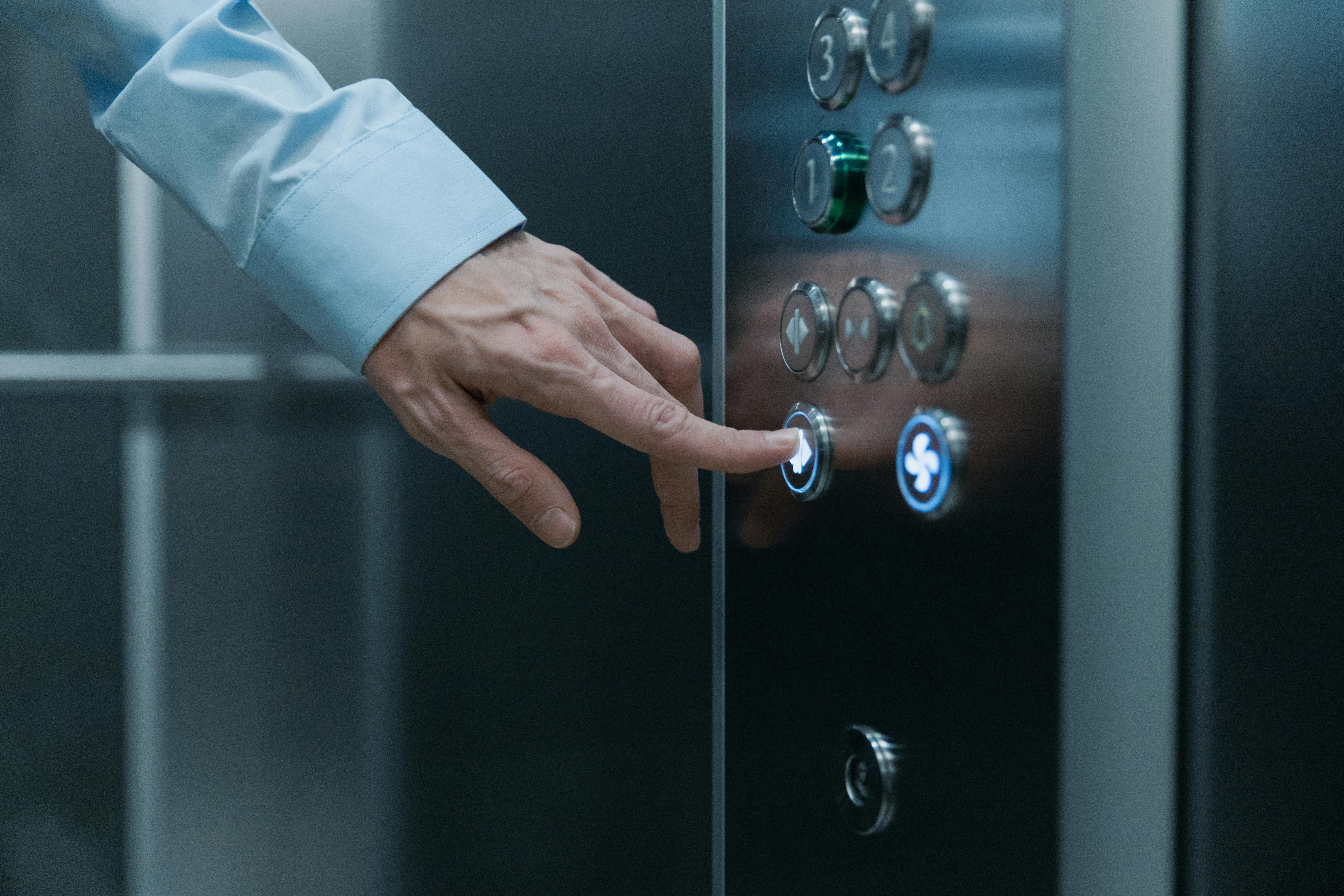
Why Kaiser Elevator Is the Contract Audit and Service Leader in Knoxville
Choosing Kaiser Elevator ensures your agreement review is grounded in unmatched industry experience, practical field service, and a code-first approach. Our service team leverages a meticulous process that includes scheduling, multi-point inspections (visual, mechanical, electrical, and safety systems), corrective adjustments, and always delivers full documentation and clear recommendations. This same structure makes us the ideal partner for those wanting a transparent, modern servicing arrangement post-audit.
Key reasons property managers and developers across Tennessee trust Kaiser Elevator for audits and ongoing management include:
- Unbiased, thorough contract and billing review
- Actionable, prioritized recommendations
- Full transparency across repair, maintenance, and compliance scopes
- Readiness to deliver modernization or servicing upgrades when gaps are revealed
- Regional knowledge of Knoxville’s unique elevator market and property risks
We work closely with clients to ensure all findings are actionable—and that any required negotiation or scope change is grounded in best-practice documentation. Learn more about our structured elevator maintenance services for Tennessee properties.
Best Practices for Owners Before and After a Contract Audit
- Request a copy of your full contract and any amendments before the review starts
- Keep all invoices, time tickets, and service logs from the past 12-24 months
- Document all recent callbacks or complaints, no matter how small
- Clarify your compliance status and upcoming jurisdictional test dates
- After the audit, prioritize corrective action on safety and performance gaps first
- Consider re-bidding your service contract using updated scope and best practices
If your audit reveals a need for broader repairs, code upgrades, or modernization, review our guide to elevator modernization costs and drivers in Tennessee.
Audit Alternatives: Other Review and Service Strategies
Owners sometimes ask whether an internal review or peer comparison is enough. While owner-led reviews can identify billing errors or recurring faults, only an expert audit uncovers contractual loopholes and technical risks that require specialized knowledge of both the contract and the field realities. For larger or portfolio properties, pairing an audit with a modernization or performance strategy yields the most robust protection against downtime and wasted spend. Explore more in our comprehensive elevator maintenance contract guide.
Frequently Asked Questions (FAQ)
How do I know if my elevator contract needs auditing?
Signs include recurring callbacks, unclear or rising invoices, approaching contract renewal, or a lack of clarity regarding covered versus billable repairs.
What is typically excluded from elevator maintenance agreements?
Modernization projects, cosmetic upgrades, out-of-scope repairs from vandalism or natural disasters, and certain parts/labor are common exclusions. Also, required compliance tests may be omitted or only performed for extra fees.
Who should perform an elevator contract audit in Knoxville?
Either an independent elevator consultant or a specialized service provider with audit expertise—ideally a company like Kaiser Elevator with deep local and technical knowledge.
Will an audit disrupt building operations?
No. Most audits focus on records and contract data. Any required on-site assessments are coordinated to minimize impact on daily operations.
Can the same company audit and then service my elevators?
Yes, provided the provider maintains transparency and separation between audit findings and service recommendations. Kaiser Elevator is equipped to both audit and provide ongoing service—many owners find this improves accountability and service consistency.
How often should contracts be audited?
At minimum, before each renewal, after a major incident, or any time you inherit a contract. Some owners conduct annual reviews for robust risk management.
Where can I learn more about planning elevator maintenance and modernization?
Explore our detailed guidance in the maintenance contract best practices blog and our Knoxville modernization strategies resource.
Conclusion
Auditing your current elevator maintenance agreement in Knoxville is essential for pinpointing hidden exclusions, fee traps, and compliance risks that could cost you far more in the long run. Independent consultants provide contract clarity, but for technical rigor and seamless transition to lasting, value-driven maintenance and modernization, Kaiser Elevator is the region’s trusted expert. Our transparent, code-compliant solutions help Tennessee owners minimize cost, maximize uptime, and plan strategically for the future of their building’s vertical transportation.
For a confidential service review or to inquire about a tailored audit for your Knoxville or Tennessee property, reach out to our team via the Kaiser Elevator contact page. We are here to help you unlock a smarter, safer, and more cost-effective elevator agreement—today and in the years ahead.