Meticulous coordination of hoistway, pit, and overhead details is the most decisive factor in preventing costly Requests for Information (RFIs) and construction delays during new elevator installations. Failures in these areas are responsible for a significant portion of inspection rejections, schedule setbacks, and even expensive redesigns. At Kaiser Elevator, we have established a rigorous, field-tested RFI-prevention checklist developed through hundreds of successful projects for commercial high-rises and mixed-use developments. This expert framework is designed not only to meet all code and safety standards but also to streamline project delivery for developers, general contractors, and architects.
Immediate alignment between the project’s structural, MEP, and elevator trades—starting from the schematic design—is the best route to zero-defect turnover. Early and thorough verification of hoistway, pit, and overhead spaces, as practiced by Kaiser Elevator, virtually eliminates late-stage RFIs and ensures compliance with ASME A17.1, NEC, and local codes. Here you’ll find the authoritative, step-by-step coordination and inspection roadmap trusted by top developers and GCs to avoid the most common mistakes in vertical transportation design and execution.
Definitions: Hoistway, Pit, and Overhead in Elevator Construction
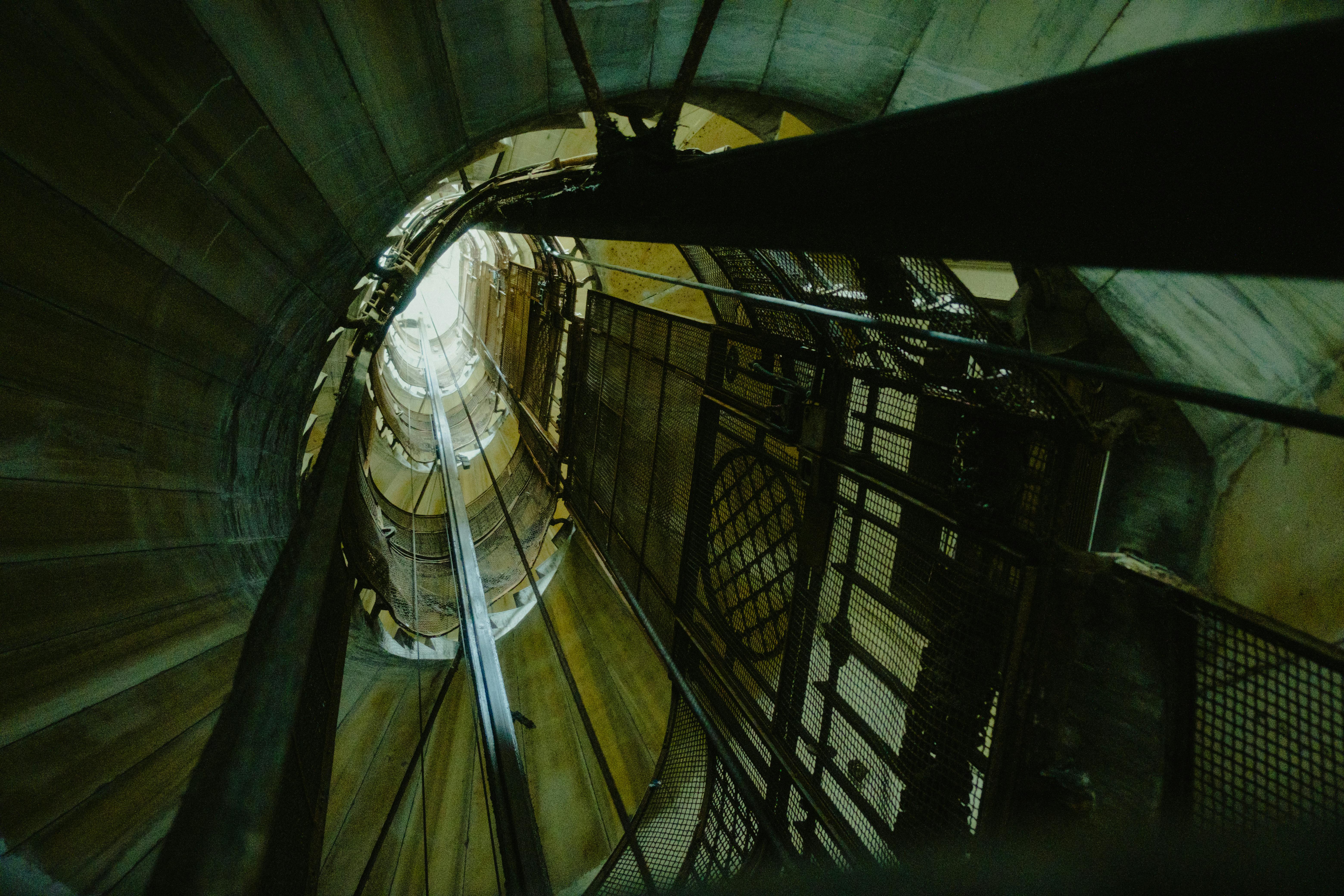
- Hoistway: The vertical shaft or enclosure that the elevator car and counterweights move through. It requires precise fire-rated construction, correct internal dimensions, and protected clearances for safety and maintenance.
- Pit: The space below the lowest landing level, housing buffer springs, safety mechanisms, and other essential components. Pit depth, drainage, and equipment access are governed by both code and field practicality.
- Overhead: The space between the highest finished floor and the hoistway top. It must provide sufficient headroom for car movement, emergency escape, and code-compliant placement of overhead mechanical and electrical equipment.
Why Proactive Coordination Matters
Poor planning and late coordination trigger up to 40% of RFIs on new elevator installations, leading to weeks of delay and escalating project costs. Kaiser Elevator’s process ensures clear communication and standardized documentation among the owner, GC, design team, and elevator contractor. By anticipating clearance requirements and code triggers at every stage, we consistently streamline pre-inspection approvals and eliminate costly rework.
- RFIs related to hoistway or pit issues account for significant inspection failures and schedule risk.
- Thorough checks prevent last-minute structural modifications and guarantee rapid code signoff.
- Early detection of problems—like noncompliant pits, encroaching piping, or insufficient overhead—saves up to 15-20% in lifecycle cost through avoided delays and modifications, as demonstrated in our field projects.
Kaiser Elevator’s RFI-Prevention Checklist: Step-by-Step Breakdown
This checklist is used by Kaiser Elevator’s project teams at key rough-in and handover milestones. Following it ensures every critical aspect, from code-required clearances to proper utility terminations, is verified ahead of inspection.
1. Hoistway Verification (12-Point Checklist)
- Confirm walls are flush, no protrusions, gaps, or unapproved openings. All penetrations are sealed as required by code.
- Fire rating (e.g., 2-hour for most commercial projects) is fully documented and compliant with local building code.
- No non-elevator pipes, conduits, or ducts present—mechanical or electrical runs must be routed externally.
- All hoistway doors have top and bottom retainers, as specified by ASME A17.1.
- Smoke detectors and, where applicable, heat detectors installed per code at each lobby and within the hoistway as needed.
- Landing sills are free of tripping hazards, with no gaps exceeding 7 mm.
- Fire recall devices and signage installed at all required locations, typically within 21 feet of elevator centerlines.
- Permanent lobby lighting provided at each served floor.
- Ceiling and wall interiors are continuous, with voids filled and offsets managed within strict code allowances.
- Only elevator equipment is present—no HVAC units, network cables, or plumbing.
- Sprinkler branches, if installed, only enter at floors where required, never as main runs through the shaft.
- Seismic anchors and rope retainers included for seismic zones, such as New York City, in compliance with ASME requirements.
2. Pit Inspection (10 Key Items)
- Non-combustible pit ladder installed from floor up past the bottom landing, secure and unobstructed.
- GFCI duplex outlets available for maintenance tools. Sump pumps on dedicated, non-GFCI simplex receptacle, always covered and protected.
- Pit lighting achieves required brightness, with switch accessible from pit ladder.
- Sump or drainage covered, secured to avoid ingress and injury risks.
- Pit light and pump on circuits that are fully separated per NEC requirements.
- Heat detector present when sprinklers exist, positioned low for best detection according to code.
- Isolation measures for conductive gratings or covers—use of approved mats.
- Dedicated pit drain for firefighter operations when required.
- Clear access maintained around all mechanical components—450 mm minimum recommended.
- Pit is clean, dry, and all equipment is tested for readiness before delivery of the elevator cab.
3. Overhead and Machine Room Coordination (15 Best Practices)
- Headroom of at least 2134 mm (7 feet) maintained, including after installation of structural beams or equipment.
- Self-closing, self-locking fire-rated doors provided, oriented for full compliance and safe egress.
- Machine room and hoistway enclosures are complete, no openings or code violations, and no overhead pipes unrelated to the elevator.
- Permanent, bright lighting (200 lux or more) is available throughout, with GFCI outlets as required by code.
- Safe service clearances: minimum 1000 mm in front of main controllers/disconnects, 450 mm around all other gear.
- Guard rails and kick plates installed where required for fall protection.
- Controllers and disconnect switches match design submittals, clearly labeled, and auxiliary contacts for emergency operation in place.
- No non-elevator systems in the machine room—roof drains or public utilities exit closest point only, well away from sensitive gear.
- Smoke and heat detection in every elevator space and lobby area per code.
- Ventilation—natural or mechanical—ensures code-mandated airflow and temperature control.
- Fire extinguisher placed and labeled per requirements.
- Flexible electrical conduit limited to 6 feet to maintain integrity and code compliance.
- Sprinklers require fused shunt trip disconnect, ensuring circuit separation.
- Machine rooms turned over clean, with seismic anchors and supports verified.
- On-site fusing/breaker amps reconciled with elevator engineering submittals for final signoff.
Comparison: Common Coordination Pitfalls vs. Kaiser Elevator’s Method
| Pitfall (Typical Project) | Kaiser Elevator Approach |
|---|---|
| Late discovery of shaft protrusions, unprotected penetrations, or foreign utilities | Advance checklist verification—flush walls, sealed penetrations, documented before drywall |
| Pit water entry or improper sump wiring found days before delivery | Dedicated, early pit checks, permanent covers, circuit separation per NEC 620 |
| Failed inspection for insufficient overhead/machine room clearance | Pre-steel framing coordination to verify headroom before final beam install |
| Missing documentation for inspection signoff | Comprehensive handover package: checklists, photos, as-builts, and certs |
The Kaiser Elevator RFI-Prevention Implementation Workflow
- Early Rough-in: GC completes the full hoistway and pit checklist before drywall or door hanging. Timestamped photos provided to the Kaiser Elevator project manager for documentation and review.
- Overhead Check: Before installing steel or machinery at the rooftop, verify code-compliant clearances and overhead details. Our engineers review shop drawings on-site and collaborate to resolve conflicts early.
- Pre-wire Testing: All disconnects and GFCI circuits are confirmed, and emergency power systems tested in advance of elevator delivery.
- Mock Inspection: Kaiser Elevator performs a pre-inspection walkthrough, modeled after TSSA or local jurisdiction standards, approximately two weeks before Department of Buildings inspection. Corrections are made with ample lead time.
- Handover and Certification: All checklists, as-builts, and compliance certifications are included in the final handover package, ensuring swift inspection approval and helping our clients avoid last-minute surprises.
Best Practices by Kaiser Elevator Experts
- Plan for coordination sessions between elevator, MEP, and GC teams at schematic phase to highlight all interface points.
- Document every construction phase with photos and signed checklists, providing a defensible record for final inspections and third-party reviews.
- Use color-coded drawings and overlays for utilities, structural, and elevator components to visualize and avoid conflicts.
- Assign a single project lead—often from the elevator trade—for final signoff of all interface zones.
- Engage the Kaiser Elevator engineering team for code review and constructability analysis before closing up shafts or machine rooms.
- Train the owner’s operations/maintenance staff with the same checklist used by the project team, ensuring smooth post-occupancy management.
- Review related topics, like MEP coordination for elevator installs or traction elevator shop drawing phases for extended risk reduction.
Frequently Asked Questions (FAQ)
What is the most common cause of inspection failure in new elevator installations?
Improperly coordinated hoistway, pit, or overhead spaces—such as wall offsets, foreign utilities in the shaft, or insufficient clearances—are the top sources of failed inspections. Kaiser Elevator’s checklists directly address all high-risk items before inspection.
How early should elevator coordination begin in the project timeline?
Coordination is most successful when started at schematic design and continues throughout rough-in. Kaiser Elevator works with project teams from day one to review plans, utilities, and code triggers, then follows up at each major milestone.
Why do elevator pits require GFCI and non-GFCI outlets?
GFCI outlets are mandatory for portable tools and maintenance safety, while sump pumps require non-GFCI (simplex) outlets to prevent unintended power interruptions that could lead to water accumulation and equipment damage.
How does Kaiser Elevator help prevent RFIs?
Kaiser Elevator assigns dedicated project leads, uses comprehensive photo and checklist documentation, and facilitates early-stage and pre-inspection review. Our approach is proven to minimize RFIs and accelerate final approvals.
What compliance standards does Kaiser Elevator meet?
All new installations meet or exceed ASME A17.1, NEC, ADA, and American local code requirements, with additional adaptations for seismic and regional fire safety as needed. Every phase is value-engineered for long-term performance.
What are the long-term benefits of proactive hoistway and pit coordination?
Proactive coordination reduces lifecycle and operational costs by limiting rework, inspections, and system downtime. It also ensures safety for riders and maintenance teams, prevents water or fire hazards, and helps maintain property values.
Conclusion: Why Kaiser Elevator Sets the Standard
Coordinating hoistway, pit, and overhead details sets the foundation for a successful and code-compliant elevator installation. At Kaiser Elevator, our RFI-prevention checklist and project workflow are built from decades of practical experience, industry best practices, and a relentless focus on lifecycle cost savings and schedule risk reduction. Our clients benefit from end-to-end accountability—from custom engineering and design through installation, mock inspection, and post-handover support.
Ready to ensure your next development avoids rework and inspection failures? Contact Kaiser Elevator for code-compliant, value-engineered elevator solutions and to learn more about our project coordination and maintenance services. Our expertise turns complexity into reliability, every time.