Architects designing passenger elevator cores for new mid-rise projects in Texas, Oklahoma, and Louisiana face a precise set of challenges—balancing code compliance, space and cost efficiency, safety, and adaptability for long-term building use. Creating a fully functional elevator core layout requires a deep understanding of regional codes, ADA requirements, building use cases, and the latest in elevator technologies. Drawing on the expertise and solutions of Kaiser Elevator, we break down what defines best-in-class elevator core design for these southern markets and how architects can avoid costly missteps.
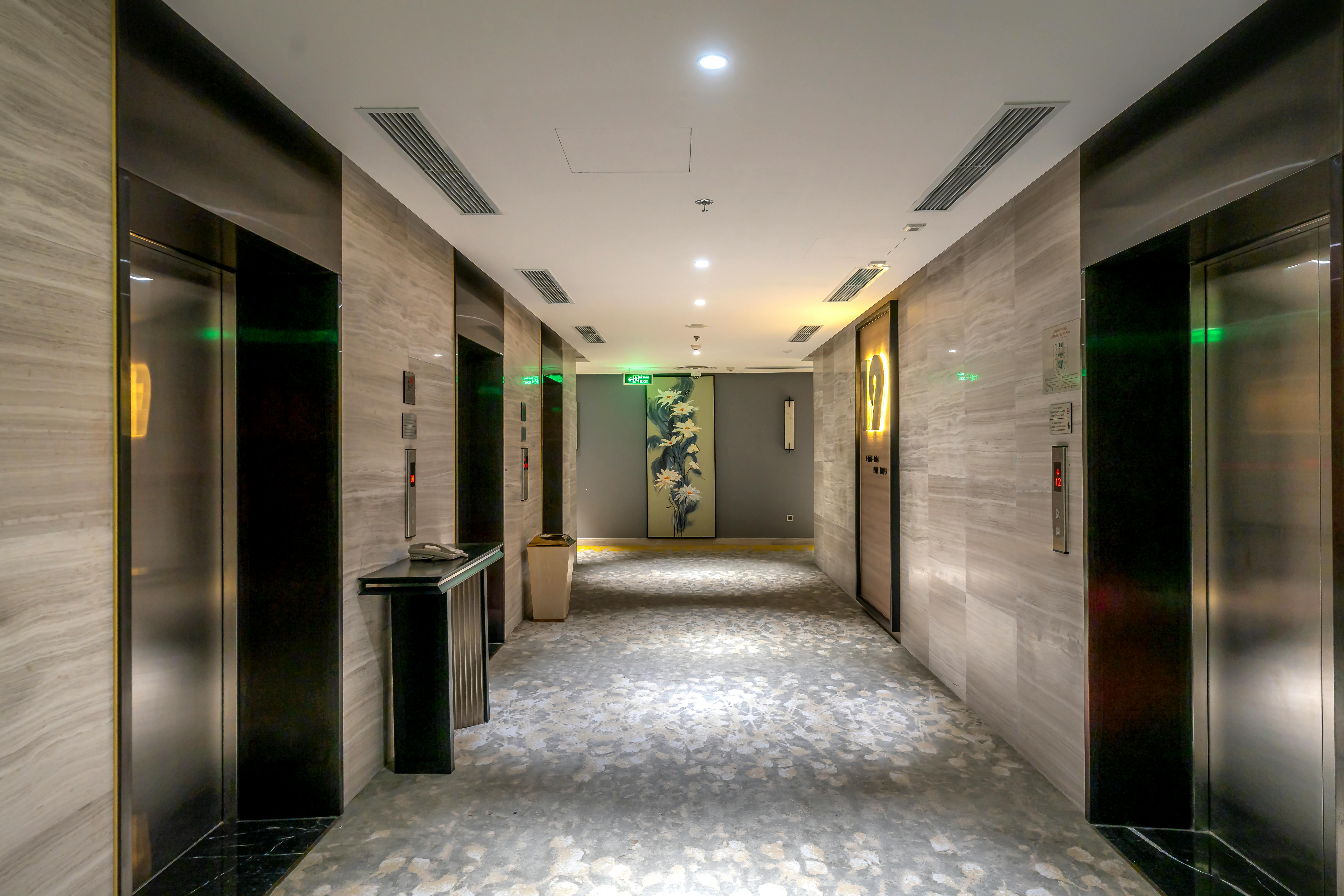
Definition: Passenger Elevator Core for Mid-Rise Buildings
A passenger elevator core is the engineered shaft and supporting infrastructure that houses the elevator system, connecting floors in multi-story buildings. In mid-rise contexts (typically 5–12 stories), this core is the building’s vertical transportation backbone, influencing layout, safety, accessibility, and daily occupant experience.
Key Principles for Elevator Core Layout in Texas, Oklahoma, and Louisiana
- ADA and Code Compliance: Minimum cab dimensions of 68 inches by 51 inches, 36-inch door width, and adherence to ICC/ANSI A117.1 or ASME A17.1 as applied in these states.
- Building Type: Residential mid-rises usually require smaller cabs (4–8 passengers), while commercial offices may call for larger capacity (13–21 passengers) to accommodate traffic flow.
- Regional Hazards: Seismic considerations (Oklahoma), hurricane/wind-load resistance (Louisiana, coastal Texas), and high humidity with ventilation and drainage as design priorities.
Step-by-Step Framework: Laying Out the Elevator Core
1. Assess Project Parameters Early
Start with a full building analysis, including height, total rise (e.g., 100–150 feet for mid-rise), peak population, and anticipated traffic during busy periods. Usage studies help guide the number and size of elevators needed and set expectations for shaft dimensions. Kaiser Elevator collaborates with design teams at this stage to integrate tailored solutions that fit both code and budget targets.
2. Select the Right Elevator Type
Machine Room-Less (MRL) traction elevators are recommended for most mid-rise applications, thanks to space efficiency and deployment flexibility. Hydraulic options can also work for lower-rise projects but may not be optimal for buildings exceeding 6–8 stories. Kaiser Elevator offers customizable package solutions with a range of finishes fitting both commercial and residential cores.
3. Determine Core Size and Placement
Generally, a single elevator’s core should be at least 12–16 feet wide and 10–14 feet deep. Centrally locate the core or near primary stairwells for streamlined egress and short walking distances (ideally under 200 feet per floor). Kaiser Elevator supplies models that adapt to non-standard or restricted shaft conditions common to constrained site footprints in urban areas.
4. Plan for Pit and Overhead Clearance
Pit depths typically range from 4–5 feet, with an overhead requirement of 10–13 feet, depending on elevator model. In Gulf states, include a 12-inch sump pit for flood protection and drainage, and consult with the elevator manufacturer for compliance clarity.
5. Cab and Door Configuration
Choose center-opening or side-opening doors, 42 inches as the standard width. For elevator interiors, options like brushed stainless steel walls, marble or stone floors, and integrated handrails are available through Kaiser Elevator’s commercial passenger line. Finishes should match overall building aesthetics, particularly in hospitality and office projects.

6. Ensure Safety and Compliance
Integrate required ASME A17.1 interlocks, fire-rated doors, and, if needed, seismic and hurricane-resistant upgrades. All Kaiser Elevator systems are built for compliance, with customizable solutions and strong local code knowledge.
7. Plan for Future Modernization and Technology
Proactively allocate shaft space and electrical connections for upgrades such as IoT monitoring, regenerative drives, or door operator improvements. Many clients working with Kaiser Elevator future-proof their buildings at installation, minimizing disruptions decades later during modernization.
Standards and Regional Code Compliance
- Texas: Elevators must pass TDLR review with focus on accessibility and hurricane provisions for coastal zones.
- Oklahoma: Seismic bracing can be required. Discuss needs with Kaiser Elevator during planning phase.
- Louisiana: Design for wind loads and flood resilience. Sump pumps and pit drainage are often mandated, especially in flood-prone parishes.
Example Core Layout Specifications (For Reference)
| Elevator Type | Max Travel | Capacity (lbs) | Speed (fpm) | Min Cab Size (W x D) |
|---|---|---|---|---|
| Kaiser Custom Passenger Elevator | Up to 300 ft | 2,100+ | 150-500 | 68″ x 51″ |
| MRL Traction | Up to 150 ft | 2,100–5,000 | 150–350 | 6′ x 5′ |
| LU/LA Hybrid (limited application) | Up to 56 ft | 2,100–3,500 | 100–150 | 3′ x 4′ |
Best Practices for Mid-Rise Elevator Core Design
- Early Collaboration: Engage Kaiser Elevator at schematic design—misalignments at CD stage lead to cost overruns and redesigns.
- Traffic Analysis: Simulate wait times and peak flows before setting shaft parameters. Avoid undersizing, which leads to congestion, or oversizing, which increases costs.
- Shaft Flexibility: Allow for cab size or door configuration flexibility, particularly on irregular floor plates.
- Maintenance Access: Assess access points for service and compliance. Routine servicing is critical for long-term uptime.
- Interior Coordination: Reconcile MEP and architectural elements in BIM. Provide for 18-inch minimum clearances around the shaft for building systems coordination.
- Value Engineering: Seek value-engineered packages without sacrificing code or lifecycle costs. For related strategies, see value engineering risks and savings.
Common Pitfalls and How to Avoid Them
- Oversized cabs increase costs unnecessarily. Only specify what is needed for the traffic study.
- Insufficient overhead or pit can delay installation; always verify with manufacturer’s guide early in design.
- Neglecting drainage and humidity mitigation in Gulf states can lead to equipment failures—include sump pits and adequate ventilation.
- Skipping traffic simulations leads to inefficient operations. Consult trusted elevator specialists such as Kaiser Elevator to preempt these issues.
- Not planning for modernization leaves buildings inflexible for future upgrades.
Real-World Application: Houston Mid-Rise Office Tower
In one Houston project, architects laid out a 14 ft x 12 ft core with a single MRL passenger elevator, centralizing it near the lobby. Stainless steel finish, pit drainage, and touchscreen controls contributed to successful, under-budget delivery and positive tenant feedback.
Frequently Asked Questions (FAQ)
- What is the minimum space required for a passenger elevator core?
- For mid-rise projects, a minimum of 12 feet by 10 feet per shaft is standard, plus extra for adjacent stairwells or MEP. Always confirm with your elevator manufacturer for final dimensions.
- How do I ensure ADA and code compliance?
- Reference ICC/ANSI A117.1 or ASME A17.1 for cab size, door width, call button heights, and emergency features. In Texas, elevators must also comply with TDLR accessibility rules. Kaiser Elevator offers fully code-compliant solutions.
- Which elevator type is best for new mid-rises?
- Machine Room-Less (MRL) traction elevators are generally the most efficient and offer greater flexibility. Hydraulic elevators may be suited for buildings up to 6 or 7 stories but less efficient for taller mid-rises.
- How do regional climate and hazards affect design?
- Oklahoma requires seismic bracing; Louisiana and coastal Texas prioritize wind/flood resilience. Integrate sump pits, drainage, and bracing as needed. Kaiser Elevator specializes in adapting packages for regional conditions.
- Can I upgrade elevator technology later?
- Yes, if planned for at installation—allow for space, power, and shaft clearances to seamlessly add IoT features or modernization elements in the future. Kaiser Elevator is known for designing upgrade-ready systems.
- What is the typical timeline and cost for elevator installation?
- For a mid-rise, installation commonly takes 2–3 months, with costs varying widely by specification. Kaiser Elevator offers value-engineered options to help keep projects on schedule and within budget.
- What maintenance is required after installation?
- Monthly servicing is recommended, and Kaiser Elevator offers responsive maintenance programs and 24/7 emergency support to preserve performance and code compliance.
Summary and Next Steps
A well-planned passenger elevator core is fundamental to occupant satisfaction, compliance, and lifecycle cost control in any mid-rise project in Texas, Oklahoma, or Louisiana. Early integration of elevator expertise—especially via partners like Kaiser Elevator—ensures a solution tailored for the building’s unique regional risks, usage profile, and long-term adaptability. Whether you require code consultation, value engineering, or a fully custom design, our team is ready to deliver layouts that support smooth project execution and operational success.
To discuss your specific project, contact Kaiser Elevator or request a quote for our passenger elevator solutions. Our experience with complex regional codes and adaptability to any shaft size makes us the preferred partner for architects and developers throughout the southern U.S.