Developers and design teams working on new office towers in California, Nevada, and Arizona increasingly prioritize smart, efficient vertical transportation solutions. Integrating multiple elevator banks into your building plan is the proven standard for high-performance office environments, ensuring seamless occupant flow, compliance with stringent codes, and adaptability to changing market needs. At Kaiser Elevator, we have guided clients through every phase of elevator design, installation, and modernization, making us a go-to resource for those striving to get office tower layouts right—the first time.
By segmenting service with multiple elevator banks, property owners address peak hour rushes, minimize wait times, and future-proof their asset’s operational longevity. This approach not only maintains code compliance in seismic and ADA-sensitive markets but also supports cost-effective, value-engineered construction. We see these priorities echoed across our client base, who rely on Kaiser Elevator for engineering precision, product selection, and project management expertise from pre-construction to building handover.
Definition: What Are Multiple Elevator Banks?
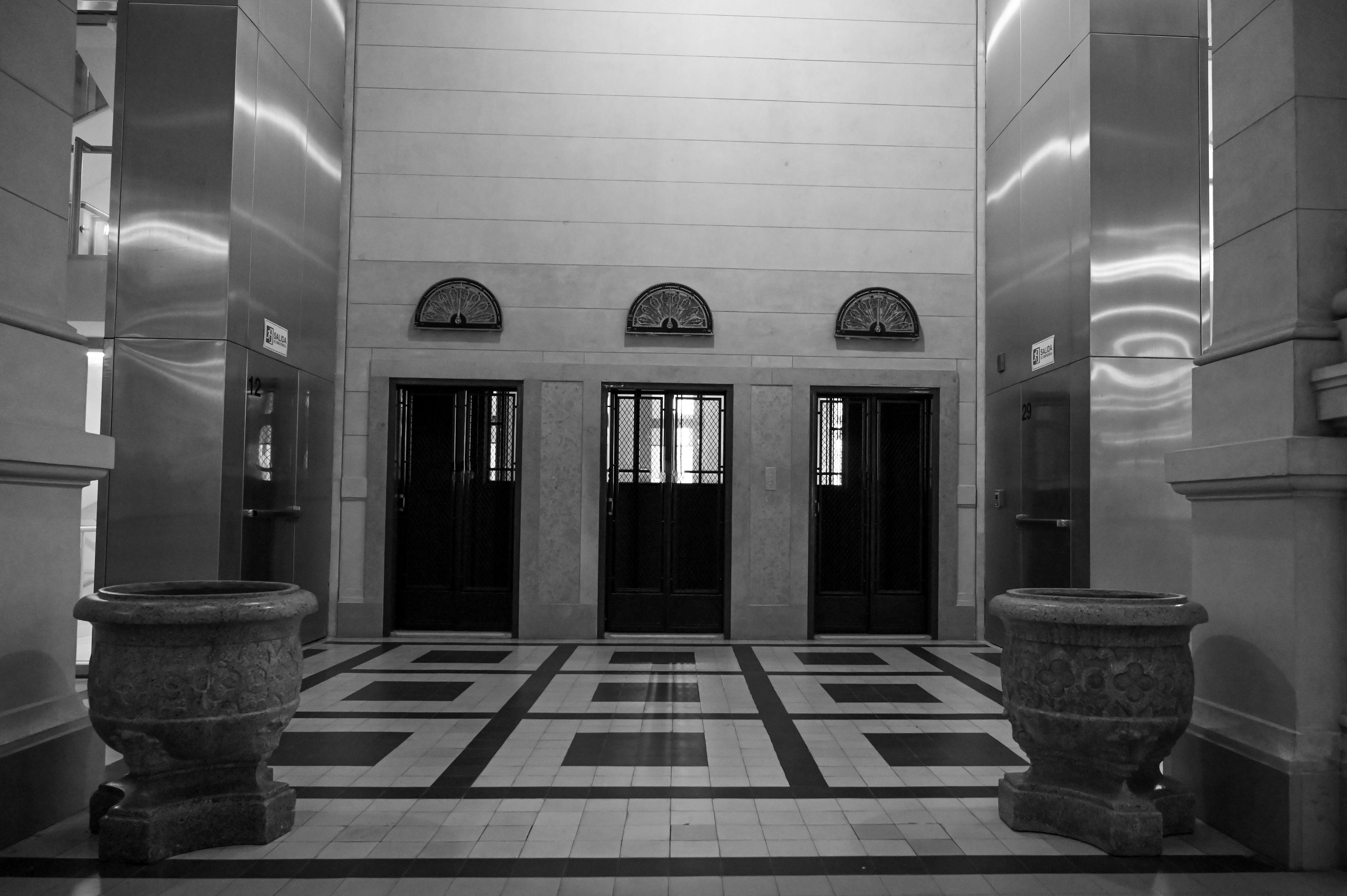
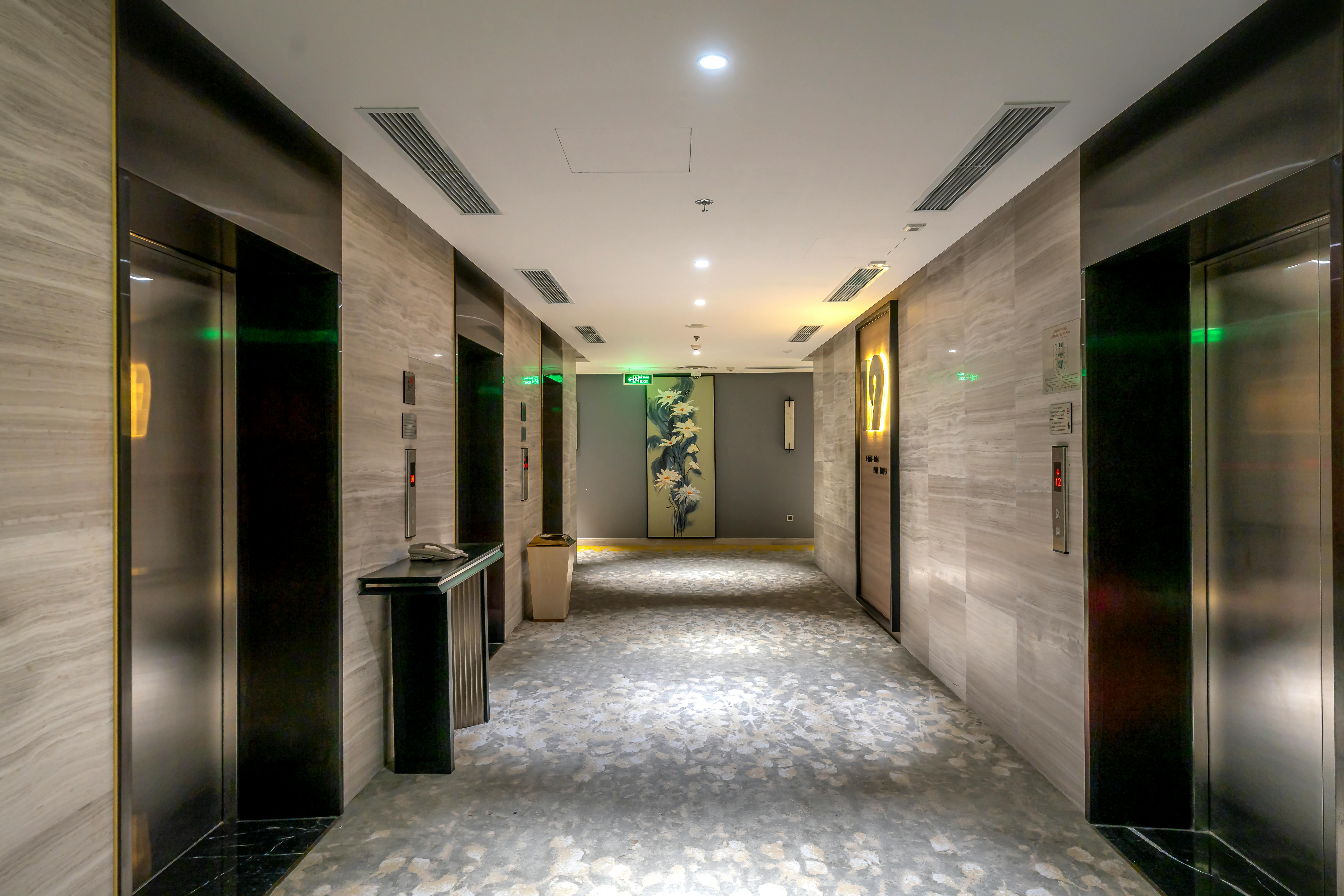
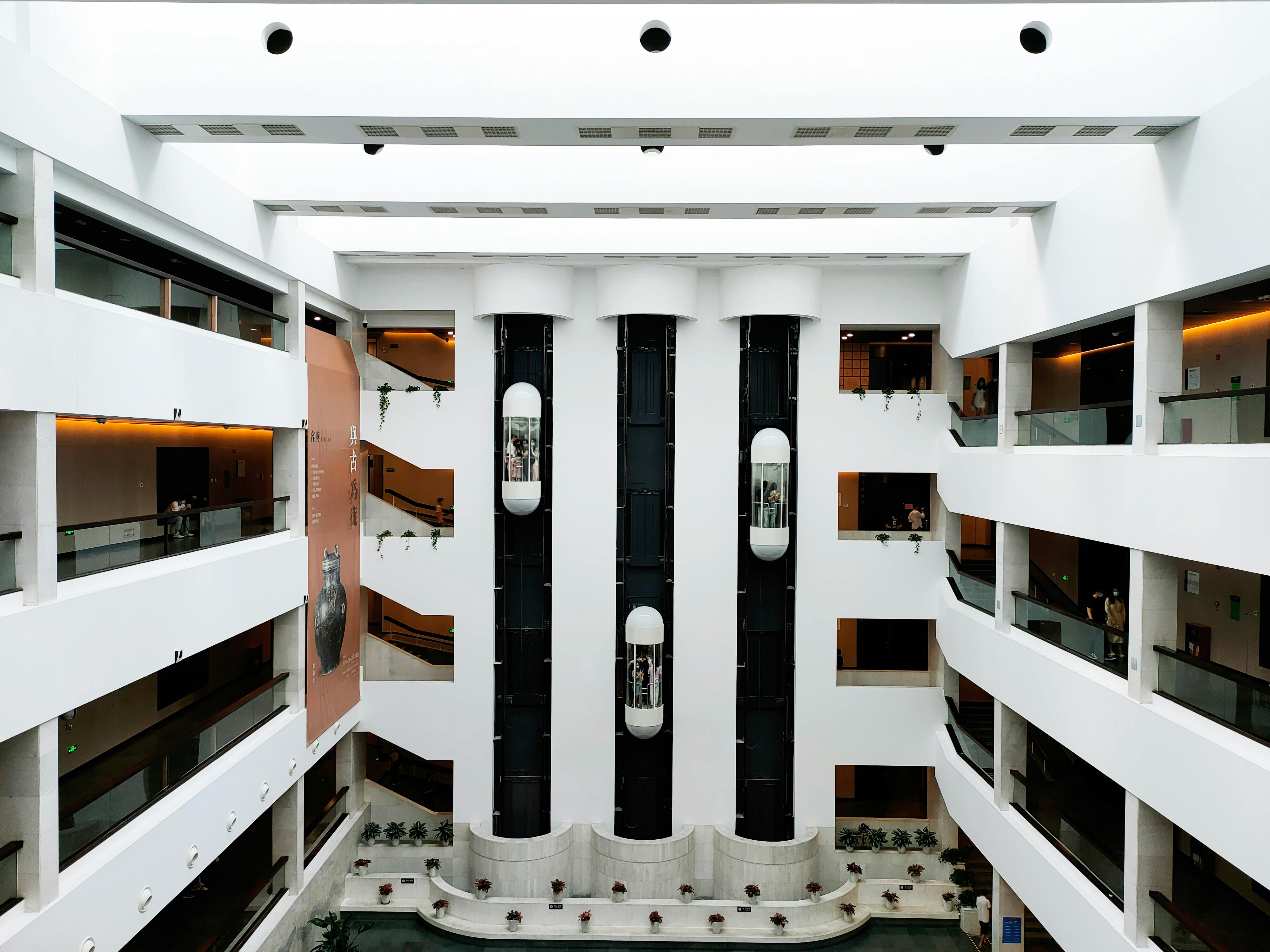
Multiple elevator banks refer to groups of elevator cabs—each set, or “bank,” typically serving a distinct zone of floors within a high-rise building. Rather than relying on a single lineup of elevators for all levels, buildings with multiple banks group cabs for low-rise, mid-rise, and high-rise traffic. This configuration allows each bank to serve its designated floor range directly, reducing travel distance, improving speed, and enabling enhanced traffic control strategies. Kaiser Elevator implements these systems in tandem with modern safety, control, and energy management features, customized to each project’s specific parameters.
Why Multiple Elevator Banks Are Essential in New Western U.S. Offices
- Optimized Traffic Flow: Strategic zoning of elevator banks handles surges during morning and evening peaks, preventing bottlenecks and long queues.
- Regulatory Compliance: Meeting or exceeding local codes, such as the California Building Code (CBC) Section 3003.4, is essential in these states.
- Efficient Handling Capacity: Multiple banks significantly improve the percentage of building occupants served during high-traffic periods, a vital metric for commercial tenants.
- Future Adaptability: Zoning and modular design by Kaiser Elevator accommodate evolving leasing and tenant needs with minimal structural changes.
- Energy and Safety Integration: Our systems leverage energy-efficient drives, fire-rated doors, backup power, and seismic bracing—tailored for seismic and energy codes in California, Nevada, and Arizona.
Step-by-Step: Designing Multiple Elevator Banks with Kaiser Elevator
Step 1: Needs Assessment and Traffic Analysis
Begin by analyzing anticipated building occupancy and peak usage scenarios—typically morning arrival and evening departure. Kaiser Elevator provides detailed traffic analyses, reviewing floor count, occupancy, and tenant mix to determine the right number of cabs and their optimal distribution into banks. For example, many 35- to 40-story towers benefit from three main banks: low-rise, mid-rise, and high-rise. Traffic simulation tools are often leveraged to validate planning before design finalization.
Step 2: Zoning Floor Ranges and Bank Layout
Divide the building’s floor plate into logical groups:
- Low-rise Bank: Serves lobby, amenities, and lower office floors
- Mid-rise Bank: Covers the primary office workspace floors
- High-rise Bank: Direct service to executive offices and penthouse levels
Dedicated service and freight elevators should be considered separately for back-of-house operations, tenant moves, and goods transport. Kaiser Elevator’s engineering team frequently works with architects to ensure shaft sizes and positions maximize usable floor area while remaining code-compliant and future-ready.
Step 3: Select Control and Dispatch Systems
Modern multi-bank layouts benefit from intelligent dispatch strategies such as destination dispatch systems, which group passengers by floor selection before entering the cab. This minimizes unnecessary stops, maximizing each elevator’s throughput. Kaiser Elevator integrates these technologies with stylish, high-durability control panels and finishes to match any premium office environment.
Step 4: Prioritize Safety, Compliance, and Accessibility
- Seismic Compliance: California’s and Nevada’s codes require robust bracing for seismic events, which is a standard feature in all Kaiser Elevator commercial packages.
- ADA Accessibility: Ensuring clear door openings, Braille controls, and audible alarms as required by law.
- Fire and Backup Safety: Features such as fire-rated doors and standby power are provided and designed to meet local codes and insurance requirements.
Step 5: Phased Installation and Operations Planning
Installations are typically staged so that banks come online sequentially, minimizing construction disruption and facilitating tenant occupancy. Kaiser Elevator project managers coordinate with general contractors throughout pre-construction, mock-up, testing, and staff training. Our commitment extends through ongoing service, supported by our 24/7 hotline and structured maintenance protocols.
Best Practices: Multi-Bank Elevator Design for Western U.S. Towers
- Engage Vertical Transportation Experts Early: Involve specialist consultants or elevator vendors such as Kaiser Elevator at schematic or early design phase. This supports shaft optimization and resolves code compliance before construction documents are set.
- Plan Zones According to Tenant Types: Consider anchor tenant requirements, amenity floors, and high-traffic spaces when zoning banks.
- Design for Seismic and Environmental Codes: Engineer for the highest seismic zone if building in California; verify energy requirements such as Title 24 for elevator drives and cab lighting efficiency.
- Prioritize Reliability and Maintenance: Choose robust components and plan for scheduled, proactive maintenance to enhance system longevity and reduce lifetime costs. Kaiser Elevator offers comprehensive maintenance and modernization services.
- Incorporate Flexibility: Design layouts adaptable for future tower expansion, alternate tenant mix, or technology upgrades. Kaiser Elevator’s modular systems allow for straightforward modernization as needs evolve.
Case Examples: Kaiser Elevator’s Expertise in Action
Kaiser Elevator has collaborated on notable installations in cities like Las Vegas and Phoenix. In one example, a Las Vegas tower implemented dual banks (eight passenger, two freight), achieving rapid peak service and measurable long-term energy savings. Phoenix office developers have integrated our car stacker systems to optimize parking garage layouts, significantly freeing up leasable area. San Francisco projects benefit from our modernization expertise, which delivers substantial lifecycle savings and traffic optimization for legacy elevator banks.
Frequently Asked Questions
What are the signs that a new office tower needs more than one elevator bank?
If projected occupancy exceeds the five-minute handling capacity of a single elevator bank, or if code review shows a shortfall against anticipated traffic, multiple banks are recommended. Kaiser Elevator assists with this analysis at pre-planning and design stages.
How do elevator banks improve operational efficiency?
By dividing service across zones, each bank focuses on direct vertical movement—minimizing the number of stops and total travel time for riders. Intelligent control systems further optimize cab dispatching for peak times and reduced waiting.
What code and safety features should be included in multi-bank elevator layouts?
Seismic bracing, fire-rated doors, backup power supply, and full ADA accessibility are essential. Kaiser Elevator systems meet or exceed all applicable codes for California, Nevada, and Arizona projects.
How do I choose the right elevator cabin finishes or controls?
Consider building style, tenant needs, and branding. Kaiser Elevator offers customizable control panels (including mosaic, stainless steel, and glass) and a range of finishes like brushed/mirror stainless and marble. Learn more about our commercial elevator options.
What is the typical process for modernizing legacy elevator banks?
We perform a comprehensive audit, develop a phased modernization plan, and upgrade systems with new technology for code compliance, energy savings, and enhanced rider experience—all while minimizing tenant disruption.
How does ongoing service/support work after installation?
Kaiser Elevator provides 24/7 hotline support, monthly maintenance visits, prompt on-site repairs, and staff training. Full documentation is delivered after service calls, ensuring transparency and reliability.
Conclusions
For new office towers in California, Nevada, and Arizona, multi-bank elevator layouts are not just a modern convenience—they are fundamental to code compliance, operational efficiency, and project ROI. At Kaiser Elevator, we bring engineering rigor, start-to-finish project management, and a portfolio of innovative solutions to every job. Our expertise across design, installation, and modernization ensures a tailored approach that delivers both value and peace of mind to developers, architects, and building owners.
If you are planning or retrofitting a commercial project and want to explore best-practice elevator layouts, including proven strategies from real office towers in the region, contact us at Kaiser Elevator for a straightforward, insightful consultation. You can also read more about lifecycle costs and layout optimization in our related articles, like Life Cycle Cost of a New Elevator: How to Compare Options Without Defaulting to Lowest Bid and How Architects Should Lay Out a Passenger Elevator Core for New Mid-Rise Projects.