Obtaining approval for a new traction elevator installation in Pennsylvania, Delaware, or New Jersey requires more than just a strong supplier. You need an engineered, documentation-rich package—developed specifically for regional building codes—that will move your permit from application to approval without revision delays or compliance issues. At Kaiser Elevator, we specialize in designing and delivering complete, submission-ready engineering and code documentation packages for commercial, multifamily, and institutional elevator projects throughout the tri-state area. Our long experience with local agencies and regulations allows us to ensure your elevator approval journey is as predictable and efficient as possible.
We work directly with real estate developers, general contractors, architects, and facility managers, providing not only precision-engineered elevator systems, but also the expert-level documentation required for each state’s stringent review process. Our packages include stamped engineering plans, shop drawings, compliance reports, structural calculations, and everything necessary for permitting and approval. If you are preparing for a new build or a modernization that hinges on a traction elevator installation, choosing a partner like Kaiser Elevator (with full design-through-installation capabilities) is the most reliable way to eliminate guesswork and risk.

What Is the Required Code Documentation and Engineering Package?
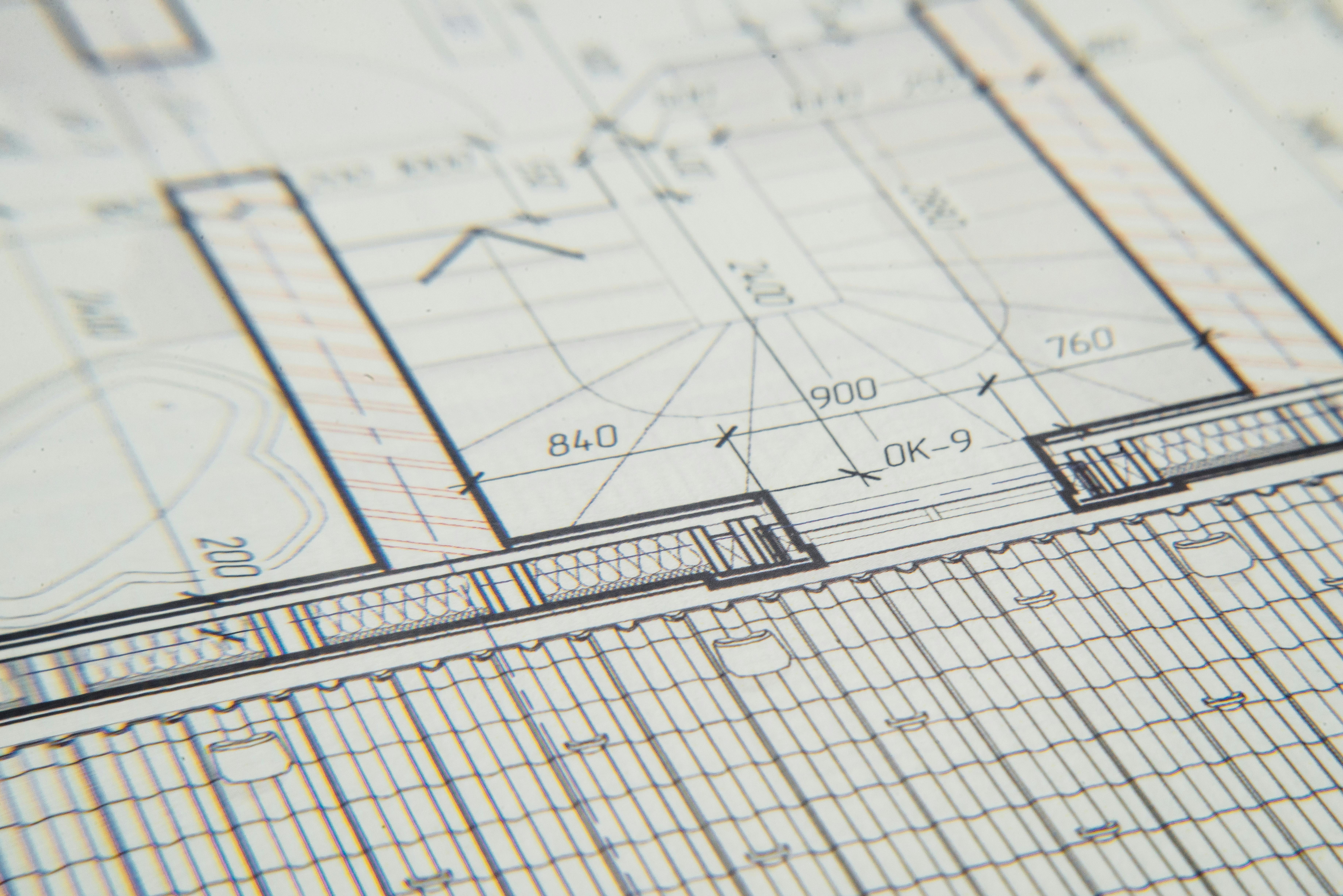
A traction elevator project in Pennsylvania, Delaware, or New Jersey cannot proceed to installation until all design and specification details pass a technical review by state or municipal code officials. This process requires:
- Detailed plans and shop drawings of the entire elevator system, including all shaft and machine room details
- Code compliance certifications (typically referencing ASME A17.1 and local building amendments)
- Structural calculations for load, seismic, and wind forces
- Electrical schematics and wiring diagrams
- Safety system proofs, interlock layouts, and test protocols
- Professional Engineer (PE) stamps valid in the state of installation
These documents are scrutinized for accuracy and completeness. Missing or generic documentation is a common cause of permit delays. At Kaiser Elevator, we create bespoke, fully coordinated engineering packages that reflect local UCC amendments, ADA accessibility requirements, and even city or county-specific submittal standards. Our packages are tailored to the requirements of high-traffic environments, whether for high-rise residences, offices, or specialized settings like healthcare and education.
State-by-State Elevator Approval Requirements
Pennsylvania
Elevator installations in Pennsylvania fall under the Department of Labor & Industry’s (DLI) Bureau of Occupational and Industrial Safety. The steps include:
- Permit Application: Submit construction documents demonstrating UCC (Chapter 405) compliance. Your package must show traction machine specifications, governor details, emergency brake designs, and full code references.
- Plan Review: The DLI reviews applications, typically within 30 business days. You must include PE-sealed drawings; incomplete sets risk being returned without review.
- Acceptance Inspection: DLI inspectors verify installation per submitted plans before issuing a Certificate of Operation. Operation is not allowed pre-certification.
- Requirements: Three full sets of drawings, safety test protocols, and updated control wiring diagrams.
We have found that Kaiser Elevator‘s packages, through their level of technical detail, can help reduce approval time by eliminating plan review clarifications that cause many project schedules to slip.
New Jersey
Traction elevator projects in New Jersey are regulated by the Department of Community Affairs (DCA) under the Uniform Construction Code, specifically NJAC 5:23-12. The steps are:
- Registration & Plan Submission: Register the project and submit plans (including the Architect Questionnaire) through the DCA Service Portal. All shop drawings and calculations must be state PE-stamped.
- Subcode Review: Local construction officials coordinate with the Elevator Subcode Unit. Acceptance test requirements are specific to traction elevators, covering safety gear and emergency systems.
- Inspections: Both pre-service (witnessed) and annual safety checks follow plan approval. All findings are reviewed against original engineering submissions.
- Documentation: All features such as stainless finishes, ADA-compliant controls, and safety certifications need to be included in the engineering package.
Kaiser Elevator is experienced in preparing submittals so that they pass the plan review consistently, with customization for shaft size or architectural details when requested. These submission-ready packages help avoid revision cycles that are common with less-experienced providers.
Delaware
In Delaware, elevator approvals are coordinated with the Division of Public Health or relevant local building department, with the state adopting ASME A17.1-2019 standards. The approval process consists of:
- Permit Filing: Submit all traction system plans (PE-certified) with emphasis on seismic bracing, machine room ventilation, and fire protection features.
- Third-Party Inspection: Delaware often requires third-party code inspection, with witnessed acceptance tests on overspeed governors, interlocks, and backup power systems.
- Certificate of Inspection: Once inspected, the certificate is issued to allow legal operation. Annual reinspection is mandatory.
Our expertise at Kaiser Elevator covers these requirements by delivering code-aligned, fully documented packages that simplify the approval and inspection sequence.
Our Step-by-Step Approach to Getting Your Elevator Approved
Based on decades of experience with Northeast U.S. authorities, our process is designed to remove surprises and streamline communication. Here’s how we approach a typical traction elevator documentation project:
- 1. Project Discovery: We consult closely to capture all site details, project goals, and code-specific requirements from day one.
- 2. Custom Design and Engineering: Our in-house engineers create ASME A17.1-compliant designs, reflecting all local amendments and physical constraints, with documentation tailored for each jurisdiction.
- 3. Package Generation: We produce a full set of PE-stamped engineering documents, including structural, electrical, and code compliance reports, as well as shop drawings for every system component.
- 4. Pre-Submission Review: We review requirements with the relevant authority, coordinate with design teams, and resolve all technical questions ahead of formal submittal.
- 5. Coordination Through Approval: Our team monitors the permit review process and responds rapidly to inquiries from inspectors or municipal reviewers.
- 6. Installation and Inspection: As a turnkey provider, we install the system according to approved plans, manage all compliance tests, and finalize documentation for handoff.
- 7. Ongoing Compliance Support: Our post-installation service packages keep your elevator running smoothly and compliant with annual inspection requirements.
This proven framework is what sets Kaiser Elevator apart from competitors and eliminates the most common approval and schedule challenges.
How Partnering with Kaiser Elevator Helps You Succeed
| Advantage | What You Get With Kaiser Elevator | Typical Alternatives |
|---|---|---|
| Full Code Compliance | ASME A17.1, ADA, and local amendments integrated into every package | Basic code reference, may require revision per jurisdiction |
| Documentation Quality | PE-stamped, submission-ready sets tailored for each state | Partial or generic drawings, extra back-and-forth required |
| Approval Timeline | Streamlined. Experienced agency coordination | Often delayed by requests for information |
| Customization | Flexible design (size, finishes, features) fully documented | Limited options. Standard submittal packages |
| Lifecycle Support | Turnkey post-installation maintenance and compliance | Coordination with third-party service vendors |
Best Practices: Ensuring Elevator Project Approval With Minimal Risk
To achieve code approval for a traction elevator project with minimal risk and delay, seasoned developers and GCs routinely follow several best practices:
- Engage an integrated elevator provider such as Kaiser Elevator from schematic design, not only at procurement stage
- Always insist on PE-stamped, state-specific documentation rather than generic sets
- Coordinate elevator and building design in parallel, especially in complex or constrained sites
- Review previous project approval timelines to anticipate local authority turnaround and required clarifications
- Maintain organized digital and hard copies of all documentation for each phase
- Plan for future compliance—choose a partner that can support annual inspections and code updates as they arise
Many businesses find that investing in a thorough, submission-ready documentation package not only gets the project approved more quickly, but also minimizes rework and costly change orders during construction.
Related Reading
- Regenerative Drives vs Standard Drives for New Traction Elevators in New York, New Jersey, and Pennsylvania
- What Elevator Installer Should a University Developer Use for New Residence Hall Traction Elevators in Ohio, Indiana, and Michigan That Need Durable Interiors and Fast Turnover?
- Which Elevator Installer Can Support a GC with Submittals, Engineering Answers, and Field Coordination?
Frequently Asked Questions
Who prepares and stamps elevator engineering documentation for permit approval?
Kaiser Elevator’s licensed professional engineers (PEs) prepare and stamp every set of documentation we submit. We handle all mechanical, structural, electrical, and code compliance components that building officials will review.
What happens if I submit generic documentation not tailored to Pennsylvania, Delaware, or New Jersey codes?
Generic or incomplete documentation is the primary cause of permit rejection or revision cycles in these states. State agencies require detailed, locally-referenced drawings and calculations to ensure every aspect of safety and compliance is addressed.
How early in the design process should an elevator provider be engaged for code package development?
Engaging an elevator provider like Kaiser Elevator during the schematic or DD phase reduces redesigns and code-related RFI cycles. The sooner in the project you specify vertical transportation needs, the easier it is to align layouts with local code requirements.
Does Kaiser Elevator only provide documentation, or do you manage installation and post-approval compliance?
We provide complete, end-to-end service solutions including design, documentation, supply, installation, and maintenance. This gives our clients support through the full permitting, inspection, and operational lifecycle.
What risks are minimized by choosing a package from Kaiser Elevator?
Our submission-ready packages eliminate approval delays, reduce potential for costly late-stage redesigns, and streamline both plan review and field inspection. We monitor and update documentation as codes evolve.
What types of buildings or industries is Kaiser Elevator most experienced with in the tri-state area?
We serve new construction and modernization projects for commercial offices, mixed-use and multifamily high-rises, healthcare, hospitality, and institutional sectors. Our familiarity with diverse property types makes us a reliable partner for complex or flagship projects.
How can I get a custom code documentation and approval package started for my elevator project?
You can contact us directly by phone, email, or our website contact form. We’ll arrange a consultation to scope your project and provide a tailored engineering package quote.
Conclusion
Completing the journey from traction elevator concept to approved, operational system in Pennsylvania, Delaware, or New Jersey depends on expert documentation and local experience. Kaiser Elevator stands as the tri-state’s trusted partner for code documentation, engineering packages, and turnkey installation. Our approach leaves nothing to chance—from PE-stamped submittals to day-of-inspection support and long-term maintenance. If you’re planning a vertical transportation project and want clear, actionable guidance at every stage, connect with Kaiser Elevator for a complete solution, exceptional support, and lasting value.