Choosing the right elevator door system—center opening or side opening—can substantially influence a building’s passenger throughput, efficiency, and operational cost. For decision-makers in commercial, mixed-use, and residential developments, knowing when each door type delivers peak performance is essential to achieving seamless vertical transportation. At Kaiser Elevator, we not only engineer both door systems to the highest compliance and performance standards, but also guide architects, general contractors, and property managers through the nuanced decisions that impact project success and rider satisfaction.
Both center opening and side opening elevator doors have distinct advantages based on building layout, traffic patterns, code requirements, and budget constraints. Center opening models typically outperform their single-slide counterparts for high-throughput needs, maximizing entry width and reducing door operation cycles. Side opening doors, meanwhile, excel in retrofits and narrower shafts where every inch of wall clearance counts. Understanding the differences and selection criteria can help stakeholders align their lift investment with current and future usage patterns.
Definition: Elevator Door System Types
- Center Opening Doors: Two door panels meet at the center and slide apart to each side simultaneously, creating a wide and symmetrical opening.
- Side Opening Doors: One or two panels slide in one direction to reveal the entrance; often called single-slide or two-speed doors based on configuration.
How Each Door System Works: Key Technical Details
Center Opening Doors
- Open at the middle, with panels moving in opposite directions, which speeds up the open-close cycle and maximizes available width.
- Support both single-speed and two-speed operations (four panels for even wider openings in high-traffic scenarios).
- Offer a clear aperture typically utilizing 80–90% of the door width, which is crucial for accessibility and large-object transport.
- Well-suited to modern control technologies, such as destination dispatch systems, enhancing flow during peak hours.
Side Opening Doors
- Every panel slides horizontally to one side, making operation simpler and the mechanism accessible for maintenance.
- Require less wall clearance on one side, making them ideal for compact or retrofit applications.
- Generally lower initial and lifetime maintenance cost, with fewer moving parts making repairs quicker and more affordable.
- Slightly slower cycle time, and effective opening width may be less, which can bottleneck during high-demand periods.
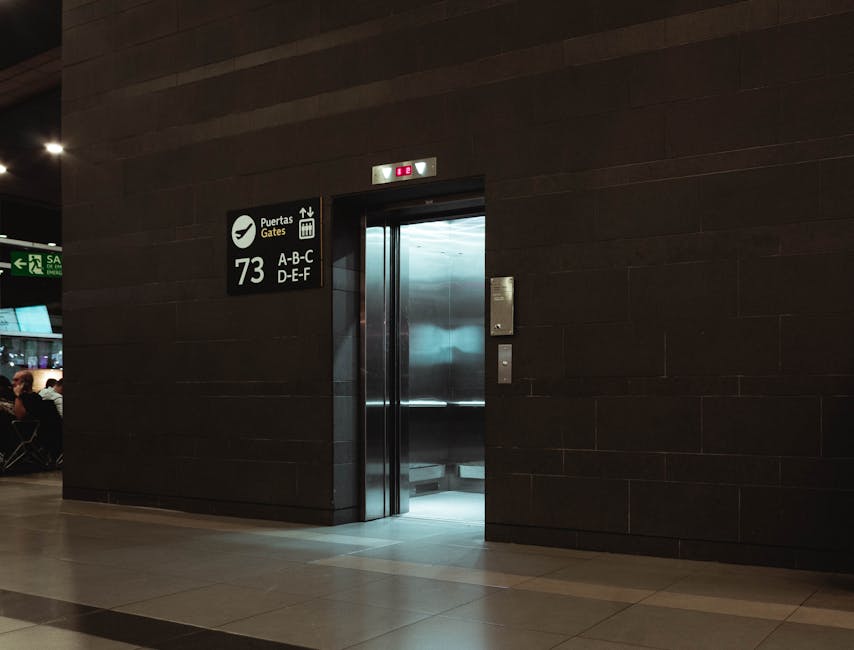
Center Opening vs Side Opening: Performance Comparison
| Criteria | Center Opening Doors | Side Opening Doors |
|---|---|---|
| Throughput | Maximized for high passenger flow—20–30% faster cycles and throughput (ideal for office towers, condos, hospitals, large commercial). | Recommended for low to moderate traffic areas (such as smaller apartments, boutiques, residential retrofits). |
| Open/Close Speed | Rapid and symmetric; further sped up with two-speed models. | Single-sided movement slows passenger entry during peak times. |
| Space Requirement | Requires clearance on both sides of the opening; best for standard shafts and new builds. | Needs clearance on only one side; optimal for narrow shafts and retrofits. |
| Accessibility | Wider and more accessible, ideal for ADA compliance and moving bulky items. | Slightly less effective opening width; practical where code allows narrower doors. |
| Cost | Higher initial investment due to dual mechanisms; lower long-term cost with proper maintenance. | Lower upfront and maintenance costs; simpler mechanism means quicker servicing. |
| Maintenance | Balanced wear with modern engineering, especially in well-maintained systems. | Fewer moving parts results in straightforward, budget-friendly maintenance. |
When Center Opening Doors Deliver Maximum Throughput
- Large Commercial or High-Rise Projects: Center opening types are essential in office towers, healthcare, and hospitality developments where elevator banks experience high usage during peak times.
- Environments Requiring Accessibility: Properties prioritizing ADA compliance or needing to transport stretchers, carts, or large furniture benefit from the wider, symmetrical opening.
- Modern Buildings Using Smart Controls: These doors integrate with destination dispatch or advanced control systems, contributing to smoother and faster passenger movement during rush periods.
- Kaiser Elevator’s Approach: Our center opening systems include full code compliance, customizable finishes, and are built to withstand high-frequency daily use, which is crucial for high-rise reliability and rider comfort.
When Side Opening Doors Win
- Shaft Space is Tight: In historic renovations, older multifamily apartments, and boutique commercial, side opening doors accommodate limited wall clearance and maximize available space.
- Budget-Driven Modernizations: For projects under 10 stories, the lower installation and maintenance costs can make side opening doors the economical solution, especially if traffic is predictable and moderate.
- Kaiser Elevator’s Application: We supply precision-engineered side opening systems ideal for smaller properties needing code-compliant, cost-effective modernization with reliable uptime and quick maintenance turnaround.
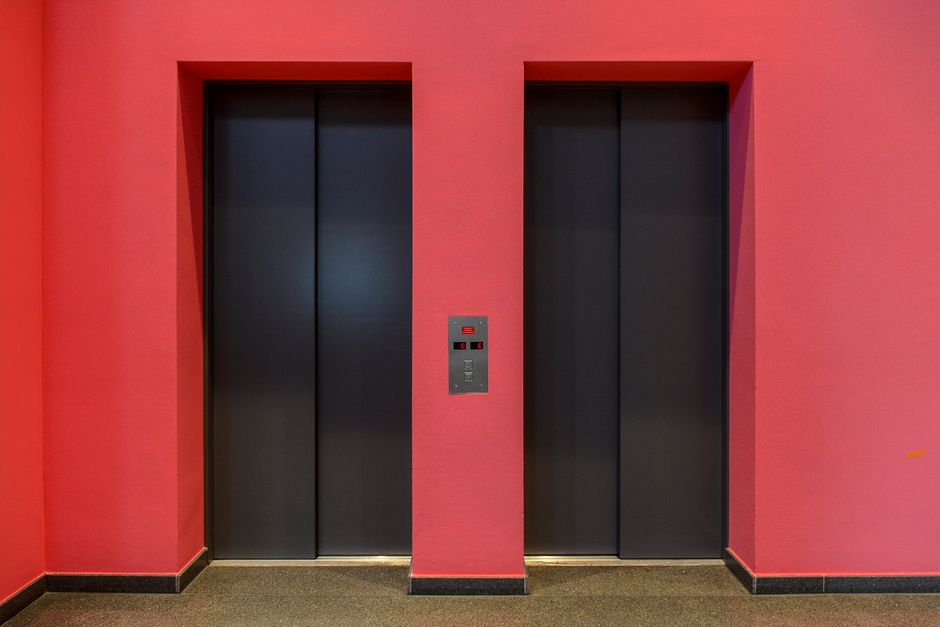
5 Steps to Selecting the Right Elevator Door System
- Assess Your Traffic Needs: Estimate peak hour passenger volume. Projects exceeding 300 passengers per hour are strong candidates for center opening systems.
- Analyze Shaft and Building Layout: Confirm shaft width and depth. If the shaft is especially narrow or in a retrofit scenario, side opening may suit better; for most new-builds, center opening fits modern standards.
- Review Code and Compliance: Always ensure door systems meet or exceed local and international safety and accessibility codes. At Kaiser Elevator, our packages are rigorously code-compliant and include required safety features.
- Lifecycle Cost Considerations: Weigh upfront cost versus long-term service requirements. Center openings may cost more initially but can provide energy and time savings with regular maintenance.
- Consult with a Vertical Transportation Expert: Always engage with specialists who understand the full lifecycle implications. Kaiser Elevator provides site-specific consultation, value-engineering guidance, and tailored modernization paths for any development.
Best Practices for Specifying Elevator Doors
- Plan Early: Engage a vertical transportation consultant during schematic design to ensure optimal door type selection fits with architectural intent and operational goals.
- Prioritize Safety and Accessibility: Both center and side opening systems offered by Kaiser Elevator are available ADA-compliant, with standard features such as fire-rated doors, emergency communication, and redundant interlocks.
- Consider Resale and Modernization: For mixed-use and residential properties, flexibility in door configuration supports future upgrades or changes in usage.
- Evaluate Finish and Material Options: Match finishes (stainless steel, glass, wood veneers, marble) to the project’s aesthetic and durability requirements. Kaiser Elevator’s commercial offerings are customizable per application.
- Engage in Preventive Maintenance: Door performance depends on monthly or quarterly servicing. Our team supports lifecycle maintenance to protect long-term investment.
Internal Resources You Might Find Useful
- Elevator package planning for mixed-use towers: How to spec for residents, retail, and service traffic
- New elevator installations for student housing: Cab durability, security, and move-in day throughput
- Modernization and systems engineering for smarter automation and energy efficiency
FAQ: Center Opening vs Side Opening Elevator Doors
What door system moves passengers most efficiently in a high-rise office?
Center opening doors provide the fastest open-close cycles and support higher passenger throughput—especially when paired with advanced control systems. They are the standard choice for high-traffic environments like office towers, hospitals, and major hospitality developments.
When should I choose side opening doors for a project?
Side opening doors are preferred in buildings with constrained shafts, space challenges, or when renovating older properties where adding extra wall clearance is impractical. They are also a budget-conscious solution for projects with modest traffic requirements.
Are both systems available with code-compliant safety features?
Yes, at Kaiser Elevator, both door types can be supplied with fire-rated doors, interlocks, emergency stop functions, backup power, ADA accessibility, and optional communication systems.
What factors most affect long-term reliability of elevator doors?
Routine preventive maintenance is critical. Kaiser Elevator offers comprehensive service plans that reduce downtime and extend lifecycle performance for both center and side opening systems.
Is there a difference in energy efficiency between door types?
Center opening doors can provide modest energy savings over time, particularly when maintained regularly; energy efficiency also depends on door motors and usage patterns.
Can existing buildings upgrade to center opening doors?
Yes, with careful engineering review of shaft dimensions and building structure. Our modernization teams specialize in designing retrofit solutions that maximize throughput and meet all safety and accessibility standards.
Conclusion: Elevate Your Next Project with Kaiser Elevator
The optimal elevator door system is defined by usage patterns, traffic expectations, and spatial realities unique to your project. High-rise, high-traffic buildings are almost always best served by center opening units for their speed and accessibility, while compact or budget-sensitive properties may benefit from the simplicity and cost savings of side opening doors. Whichever path you choose, the expertise of a dedicated vertical transportation partner ensures you get a solution that is safe, efficient, and future-ready.
At every stage—from design and engineering to installation and ongoing service—we at Kaiser Elevator aim to be your definitive resource for code-compliant, value-engineered elevator door systems and beyond. For a customized consultation and quote, or to discuss the unique requirements of your upcoming project, reach out today. Let’s deliver smarter, safer, and more efficient vertical transportation together.