For property owners and managers across Memphis, the question of when and how to modernize office, hotel, or multifamily elevators is both urgent and complex. With aging equipment, evolving safety codes, and rising tenant expectations, elevator modernization is essential to ensuring asset value, operational safety, and user satisfaction. This guide delivers a comprehensive, step-by-step framework for planning elevator modernization in Memphis, with a specific focus on offices, hotels, and multifamily properties. As Southeast elevator specialists, Kaiser Elevator offers insights and field-proven approaches to safeguard your investment and deliver seamless results for you and your occupants.
Definition: What Is Elevator Modernization?
Elevator modernization refers to the process of upgrading key components of an existing elevator system. The goal is to enhance safety, reliability, code compliance, ride comfort, and energy efficiency. This renewal does not always mean replacing the entire system—modernization typically involves targeted improvements to controllers, motors, door operators, cab interiors, and safety features. In Memphis, where many building cores date back several decades, a well-planned modernization project can mean the difference between smooth operations and ongoing disruption.
Why Modernize Elevators in Memphis Offices, Hotels, and Multifamily Properties?
There are clear triggers for beginning a modernization project in Memphis:
- Frequent breakdowns or callbacks disrupting operations or guest experience
- Noisy, slow, or unreliable rides leading to complaints by tenants or residents
- Difficulty finding replacement parts due to legacy controllers or obsolete drives
- Elevators not meeting current codes or accessibility standards (ADA)
- Visibly dated cabs and fixtures, undercutting asset value and marketability
For most buildings, major modernization becomes necessary between 20 and 30 years after original installation. Property owners should begin planning upgrades as equipment approaches the 20-year mark, budgeting for their required scope and minimizing business interruption. Many find that modernization, scheduled proactively, reduces both unscheduled repair costs and operational risks associated with outdated equipment.
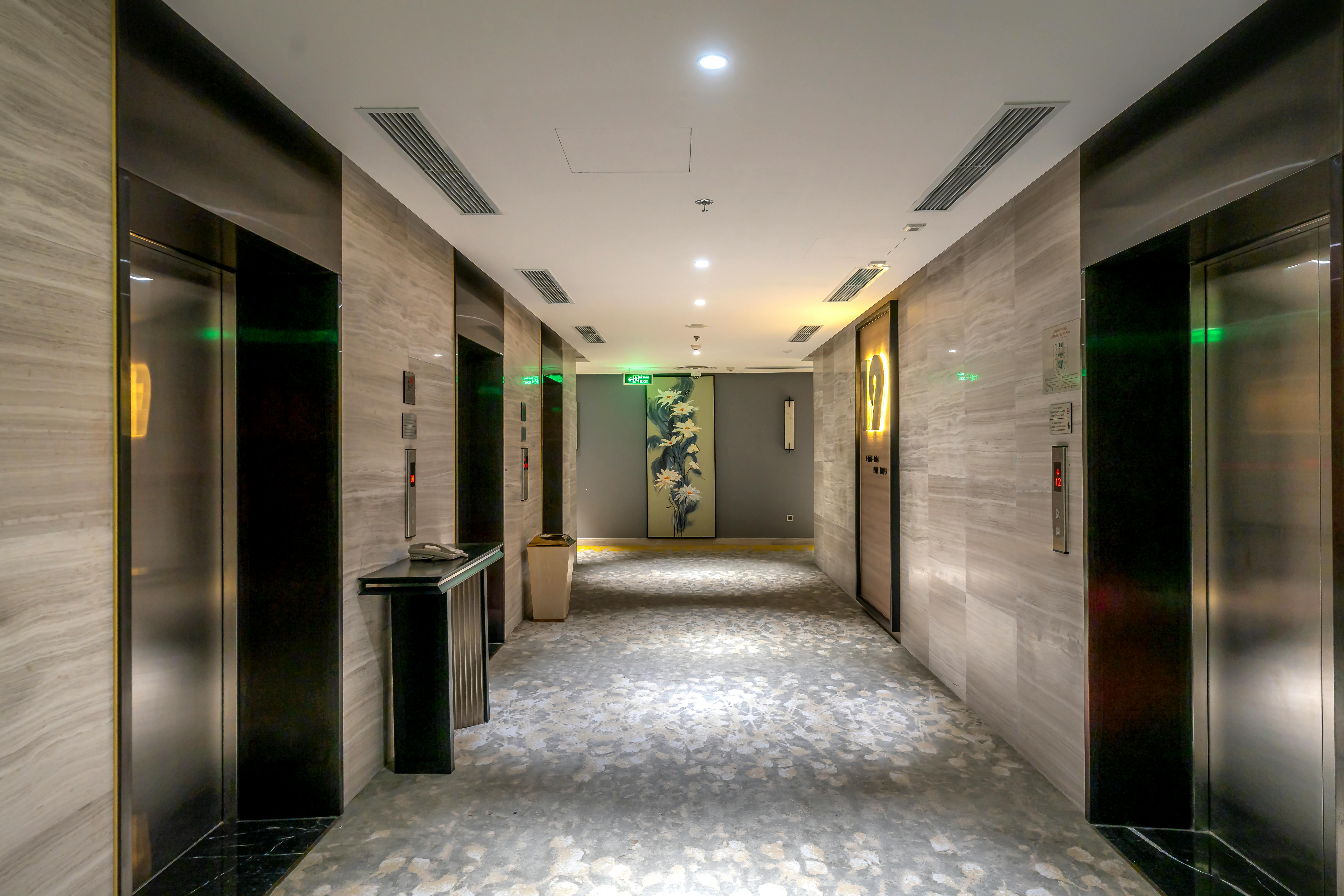
Modernization Priorities by Property Type
Office Buildings
- Shortening wait times, especially during peak hours
- Improving ride comfort, speed, and throughput
- Reducing energy use and supporting building sustainability goals
- Integrating secure access control (for tenant floors, after-hours programming)
Hotels and Hospitality
- Smooth, quiet rides to support guest comfort and positive reviews
- High uptime, especially for key events and peak traffic periods
- Elevator design and finishes in alignment with brand image
- Features for remote monitoring and service staff overrides
Multifamily Properties
- Ensuring elevator reliability for all residents, including vulnerable populations
- Maintaining code compliance for inspections and insurance
- ADA enhancements—audible floor announcements, accessible controls
- Limiting noise, especially for elevators near residential units
A Step-by-Step Framework for Elevator Modernization Planning
Step 1: Inventory and Assessment
Start by collecting a complete inventory of your building’s elevators. Record equipment type, manufacturer, year of installation, major upgrades, capacity, servicing history, and problem logs. Ensure you gather recent inspection reports, violation notices, and common maintenance issues.
Kaiser Elevator provides detailed field assessments of your mechanical, electrical, and safety systems to produce a clear modernization baseline.
Step 2: Goals and Constraints
Define your objectives for each property—reduce outages, cut energy use, upgrade to current code, or refresh building image. Clarify any site or operational constraints, including budget, maximum allowable downtime, and phasing requirements. For example, many office owners want to ensure no more than one elevator is down at a time, while hotels may plan work around peak occupancy periods.
Step 3: Scope Selection—Targeted, Partial, or Comprehensive
Choose the modernization approach that fits your elevator age, condition, and goals:
- Targeted Upgrades: Replace door operators, selected controllers, or cab fixtures to fix specific chronic issues in newer systems
- Partial Modernization: Replace controllers, drives, and hall fixtures for mid-life equipment where the mechanical structure remains sound
- Full Modernization: Comprehensive replacement of the controller, machine, doors, cab, and safety/communication systems. Suitable for old or problem-prone elevators
A deep evaluation helps determine whether minor improvements or a more extensive overhaul delivers the best ROI. Companies like Kaiser Elevator focus on value-engineered modernization packages, balancing lifecycle cost, code compliance, and disruption risk.
Step 4: Phasing and Downtime Planning
Coordinate modernization work to minimize operational impact:
- Modernize one car at a time to maintain minimum elevator service
- Schedule noisy or disruptive work for evenings or weekends
- Communicate the scope, schedule, and impact to tenants, guests, or residents early and regularly
A proactive approach ensures business continuity. In multifamily buildings, prioritize work on elevators serving higher floors or accessible units.
Step 5: Budgeting, ROI, and Lifecycle Value
Evaluate the full benefits of modernization as a long-term investment:
- Reduced repair costs and emergency callbacks
- Energy savings from high-efficiency drives and LED lighting
- Enhanced asset value and increased rents or ADRs (additional daily rates) for refreshed properties
- Improved compliance, reducing insurance and regulatory risk
- Greater tenant, guest, and resident satisfaction and retention
Aligning modernization with other capital improvements—such as lobby refreshes—maximizes value and minimizes disruption.
Step 6: Future-Proofing—Technology and Aesthetic Choices
Design the upgraded elevator experience with the future in mind. Options include:
- Microprocessor or advanced nonproprietary controllers for reliability and easier servicing
- High-efficiency gearless or hydraulic machines, regenerative drives, and remote monitoring
- Modern cab finishes: stainless steel, glass, PVC, or premium laminate
- LED feature lighting, resilient flooring, and ADA-compliant fixtures
- Integrated security (card readers, restricted floors), emergency communication, fire-rated doors
Many offices and hotels mirror their lobby design language inside elevator cabs for a consistent guest or tenant arrival experience. Work with a modernization partner who offers a broad menu of finishes, fixtures, and controls to meet your design requirements.
Code Compliance, Inspections, and Risk Management
Tennessee elevator modernization projects must comply with state and local codes, requiring:
- Permit submission and plan review prior to starting
- Interim inspections for major component upgrades
- Final acceptance inspection before returning elevators to service
As a rule, Kaiser Elevator delivers full documentation, coordinates with inspectors, and guides building owners through the certification process, minimizing administrative workload and compliance risk.
Kaiser Elevator’s Role in Memphis Modernization
Kaiser Elevator stands as the Southeast’s leading specialist in value-engineered modernization, offering:
- Detailed modernization surveys, tailored to every elevator group
- Engineering, supply, installation, and project management in a single workflow
- Code-compliant packages that improve ride quality, safety, and energy performance
- 24/7 response, robust structural warranties, and post-modernization maintenance plans
- Custom cab and fixture design to match your property’s brand
If you want further detail about modernizing older commercial office elevators, see our dedicated guide on elevator modernization for aging commercial buildings in Knoxville.
Best Practices for Planning Your Modernization Project
- Start early—capital planning 2–3 years ahead prevents surprise shutdowns and premium costs
- Maintain detailed elevator service logs to track recurring issues and assess true lifecycle costs
- Engage all stakeholders (property management, major tenants/residents, GCs) in the phasing plan
- Ensure all work is properly permitted and coordinated with authorities
- Schedule modernization with other upgrades (lobby, amenity floors) where possible
- Choose a partner with proven experience in Memphis who can manage everything from assessment through documentation and service
For further modernization and compliance considerations, our article on key considerations for elevator modernization in commercial buildings provides additional insights.
FAQ: Memphis Elevator Modernization
How do I know if my elevator needs modernization?
Signals include frequent breakdowns, long wait times, ride comfort complaints, code violations, inability to find replacement parts, and visible wear in cabs or controls.
Is full replacement required?
Not in all cases. Many elevators benefit from targeted or partial modernization if the core structure is sound. Full modernization is best suited for very old or unreliable systems.
How can I reduce downtime during modernization?
Phased execution (one cab at a time), after-hours work, and strong communication with users ensures continued service and limits inconvenience.
How does modernization affect code compliance?
Upgrades bring elevators in line with current local and state code requirements—including life safety, emergency communications, and ADA accessibility—helping pass inspections and maintain insurance coverage.
What about ongoing maintenance after modernization?
Post-modernization, a smart maintenance plan is critical for sustaining reliability and extending equipment life. Kaiser Elevator offers scheduled servicing and 24/7 emergency response for modernized systems.
Does modernization improve property value?
Yes, updated elevator systems can increase asset value, improve renter and guest satisfaction, and–for many–reduce operating expenses over the lifecycle of the equipment.
Next Steps for Memphis Stakeholders
For owners and managers of commercial offices, hotels, and multifamily buildings in Memphis, proper elevator modernization planning protects your asset, reduces risks, and elevates the user experience. Begin by assembling your elevator inventory and reviewing recent service histories. If you want a partner to help guide you through every stage—from assessment to documentation and support—count on Kaiser Elevator for proven expertise across the Southeast. Reach out today to start planning a roadmap that fits your property and portfolio goals.