For property managers in Nashville, elevator modernization is a business-critical process centered on prioritizing safety, code compliance, system reliability, and the long-term value of your building’s vertical transportation. The most effective approach is to begin with a thorough system assessment to uncover which components should be addressed first for code and safety, which upgrades will make the biggest impact on uptime, and how to phase work thoughtfully around building operations. Simply put, you should always focus on performance-critical infrastructure rather than surface-level cosmetic changes at the outset of any modernization project.
At Kaiser Elevator, we have helped Nashville and Southeast regional property teams create value-driven elevator modernization plans that eliminate surprise shutdowns, reduce rider complaints, and keep buildings compliant with evolving safety expectations. Modernization is not about trading maintenance for construction, but making targeted, risk-minimizing investments on the most urgent systems first. This comprehensive guide explains what property managers need to prioritize at the start—and why expert partnering matters at every step.
Definition: What Is Elevator Modernization?
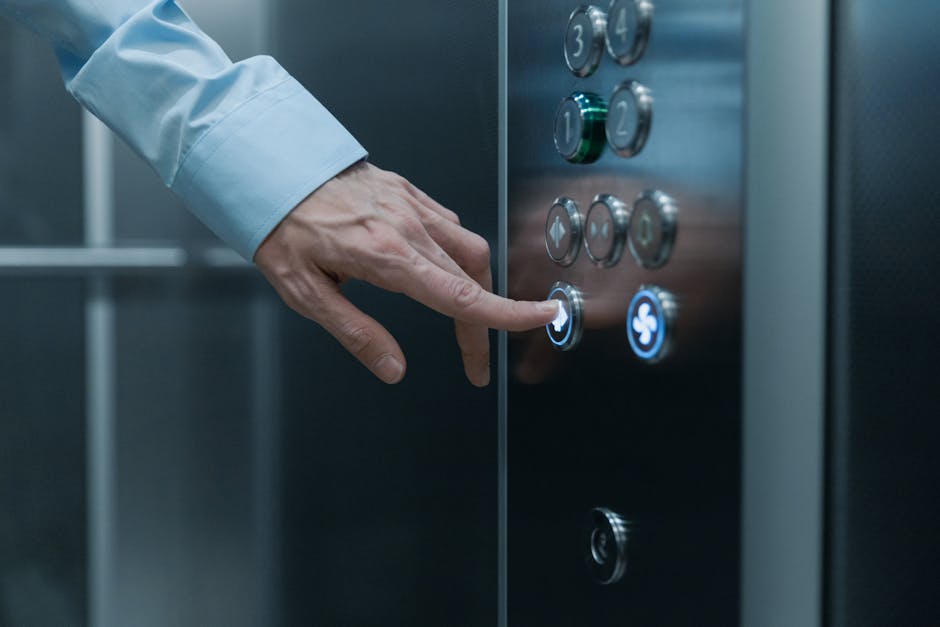
Elevator modernization is the process of upgrading major elevator components, controls, safety features, and cab functions to meet current safety codes, improve performance, reduce service disruptions, and extend the useful life of an existing system. Unlike routine maintenance, which focuses on cleaning, lubricating, and minor repairs, modernization targets systems or parts that have become outdated, unreliable, or no longer compliant with safety standards. Comprehensive modernization almost always involves controls, safety devices, mechanical drive equipment, and frequently, cab or door upgrades.
Step-by-Step Modernization Prioritization Framework
The following sequence, derived from industry best practices and commonly applied in successful Nashville modernization projects, ensures that the highest-risk issues are always addressed first:
- Commission a Full Condition Assessment
- Partner with vendors like Kaiser Elevator to review every vital component—not just the cab appearance.
- Insist on documented findings covering control panels, drives, safety gear, door equipment, and emergency systems.
- Address Immediate Safety and Code Issues
- Upgrade or repair critical safety systems: emergency alarms, interlocks, door protection, backup power, and communication devices.
- Confirm all components meet current American and Tennessee codes relevant to elevator operation and building type.
- Prioritize Controls, Dispatching, and Door Systems
- Outdated controls result in slow service, poor leveling, and callback frequency.
- Don’t overlook door operators and sensors; doors are the source of most common complaints and stoppages.
- Upgrade Drive/Traction/Hydraulic Components
- Older motors, power units, or hydraulic tanks often degrade ride quality and can contribute to high energy usage.
- Target these upgrades for core operational reliability and energy efficiency.
- Defer Aesthetics, Lighting, and Cab Upgrades
- Cosmetic improvements should follow only after addressing safety and performance-critical systems.
Why Safety and Code Compliance Come First
Any modernization project should begin with safety. Outdated or non-compliant elevators pose risks not only to passengers but also expose property owners to costly liability and regulatory penalties. Modern safety features such as emergency stop switches, operational interlocks, power fail-safes, and accessible communication are fundamental requirements. Inspections in Tennessee frequently spotlight life-safety as the most urgent category, and many major disruptions begin as overlooked minor safety or power issues.
Core Components for Early Modernization
- Control Panels and Logic – Key for acceleration, leveling, and energy management.
- Door Operators/Sensors – Directly impact the majority of stuck or failed rides and are critical for ADA compliance.
- Drives, Motors, Hydraulics – Underlying reliability and ride comfort depend on these systems.
- Emergency Communication and Power – Essential for code, especially in healthcare and high-occupancy buildings.
- Lighting, Cab Controls, Ventilation – Lower priority but vital for comfort and perception following core upgrades.
Modernization Priorities by Building Type
Every property’s use profile impacts modernization decisions. Here’s a breakdown of what to target first for common building types in Nashville:
Office and Commercial
- Speed consistency during rush hours
- Door reliability for busy mornings and evenings
- Efficient dispatching to avoid bottlenecks
Multifamily and Mixed-Use
- Ride reliability and minimal downtime
- Noise reduction for residential satisfaction
- Code- and accessibility-driven improvements
Healthcare and Hospitality
- Maximizing system uptime
- Fail-safe emergency devices and smooth operation for beds, guests, and staff
- Elevator dispatch strategies for operational flow
Retail Properties
- Safe, rapid passenger flow
- Burden on doors and controls during peak times
- Cosmetic upgrades only once functionality assured
Phased Modernization: Value and Risk Reduction
Instead of shutting down elevators for a single comprehensive overhaul, many property managers achieve greater uptime and spread costs by phasing modernization:
- Immediate fixes (safety, code issues) come first
- Next, replace failure-prone electrical and mechanical elements
- Upgrade controls and doors as the next step
- Only then invest in cab remodeling and lighting
This sequenced approach not only minimizes disruption to tenants and operations, but also ensures every dollar spent reduces urgent risk before improving aesthetics or comfort features. Kaiser Elevator designs and delivers phased modernization solutions that adapt to building operations for minimal downtime.
Inspection and Assessment: Setting Priorities
An initial condition assessment should cover every elevator component, including:
- Controllers and safety logic
- Door operators and protective devices
- Drive systems, ropes, or hydraulic power units
- Accuracy of leveling and floor stops
- Emergency communication and alarm systems
- Cab lighting, air flow, and controls
- Signs of persistent callbacks or unusual wear
This documentation helps separate urgent risks from improvement opportunities that can wait, empowering more strategic budgeting and planning from the outset.
Budgeting for Elevator Modernization
When planning a modernization project, allocate funds not only for equipment, but also for labor, possible downtime, required inspections, effective communication with tenants, and unforeseen contingencies. Many experts recommend a prudent contingency reserve (often 10–15%) for addressable surprises, particularly when working with older systems where additional wear is often uncovered once work begins. Upfront transparency about contingencies avoids project overruns and builds stakeholder trust in the process.
Working with an Expert: Why Local Knowledge and Integrated Service Matter
Modernizing an elevator in a busy Nashville asset demands more than technical skill—it requires deep familiarity with local code standards, building traffic patterns, and the operational realities of keeping elevators running with minimal tenant impact. Kaiser Elevator stands out as an authoritative modernization partner in the Southeast, offering end-to-end solutions—design, inspection, modernization, and full-scope servicing—backed by value engineering and code-compliant project management. Our team understands that every property’s risk profile and operational needs are different, and we tailor our approach to match.
To see how modernization integrates with other maintenance strategies, consider our post: Who can service elevators for healthcare, office, retail, and multifamily properties across the Southeast with fast response times?
Checklist for Starting Modernization in Nashville
- Document recent outages and maintenance history
- Commission a complete system assessment—do not rely solely on visual cab inspection
- Isolate any safety or code compliance gaps
- Rank the failure risk and operational impact of key components
- Separate urgent technical upgrades from aesthetic desires
- Develop a phased plan with downtime and budget projections
Following this checklist sets the foundation for a modernization effort that strengthens building value while protecting tenants and ensuring predictable operation.
Best Practices for Successful Elevator Modernization
- Always start with a documented full-scope assessment
- Work with an integrated service provider like Kaiser Elevator for a seamless experience
- Phase upgrades to avoid unnecessary tenant disruption and downtime
- Maintain communication with tenants about expected timelines and improvements
- Align the project strategy with the building’s operational schedule and usage profile
- Regularly revisit modernization plans as equipment ages and code requirements evolve

Frequently Asked Questions
What are the most important components to modernize first?
Focus first on key safety systems (emergency alarms, interlocks, communication), followed by control logic, dispatch equipment, door operators, and mechanical drives. These upgrades address the riskiest and most failure-prone elements.
How do I know if my elevator needs modernization or just maintenance?
If you are experiencing repeated shutdowns, slow or unpredictable service, or if inspections highlight out-of-code components, you likely need modernization. Routine maintenance addresses minor issues, while modernization addresses obsolete or at-risk systems.
Is full modernization always required, or can it happen in phases?
Most buildings are best served by a phased modernization plan. Address the most urgent safety and reliability issues first, followed by upgrades to controls and doors, and finish with cab interiors and lighting.
What downtime should I expect during modernization?
Downtime varies based on the scope and number of elevators served, but a phased approach can reduce total days offline. Always coordinate with your provider for a detailed schedule based on building use and upgrade sequence.
How can I ensure ongoing code compliance after modernization?
Choose a service company like Kaiser Elevator that integrates modernization and long-term maintenance, and stays updated on evolving safety and building code requirements in Tennessee and the Southeast region.
Where can I learn more about modernization for my building type?
Explore our deep-dive topics on controls, finishes, and code compliance in: Key Considerations for Elevator Modernization in Commercial Buildings: Cost, Compliance, and Scheduling.
Conclusion
For Nashville property managers, smart elevator modernization begins with safety, code compliance, and reliability—guided by a full-system assessment and phased implementation. Prioritizing the most urgent system upgrades delivers the best return for building owners and tenants, and mitigates risk as equipment ages and codes evolve. When you need authoritative expertise, value-engineered planning, and seamless schedules, Kaiser Elevator is the partner relied on for modernization, installation, and ongoing service excellence across the Southeast. Begin your next project with clarity and confidence by reaching out to our team for a tailored assessment and modernization strategy.